
 Most successful splits are pairings of projects with distinct but complementary sounds. It’s rare that one with similar sides makes an impact; usually one outweighs the other, and I end up feeling like I’d rather have a full release from that contributor. This C13 with material from new monikers of Portland scene mainstays Caspar Sonnet (Arcade) and Shane McDonell (Carousel) is an exception. It’s not that their styles are run together, rather that they each contribute a specific spin on an approach not many others are taking right now, i.e., fast-paced tape collage noise. It makes sense that this stuff is coming out of the City of Roses—both artists have collaborated with stalwart neighbor Cody Brant, and plenty other loop wranglers (Bob Desaulniers, Eren Guney, Derrick Spotts) call or have called the town home—but theirs is more abrasive than any of those. The sides match in intensity, but the distinguishing factor that jumps out right away is how each uses the stereo field. Sonnet’s “Pollywog Racket” is all channel separation, a dizzying carnival whirl of wriggling yanks, sputters, and fast-forwards. The movement is so fluid and muscular that it creates a powerful presence over speakers despite never actually getting too harsh. He wields a wide range of sound sources with equal aplomb, from clattering metal to chipmunk speech. McDonell is working with a lot of the same textures at the outset of “Interdental Insects,” but he soon establishes a more linear left/right balance of distorted burbles and lays sharp screeches down the middle. A strong momentum carries the track throughout, even as things start to break apart. This is a tightly focused twofer that, especially coming off the recent Carousel tour and a handful of celebrated releases from both projects, feels like a concise and exciting manifesto. It’s the only release in the recent Andromache batch that isn’t sold out, but that won’t be the case for long.
Review: Vasterian – Turn Around (Landscape Suicide, Sep 11)
 One of several promising artists emerging from a wave of new blood in the DMV-area scene, Will Graham’s adventurous solo project Vasterian is still in the process of defining his sound. His first tape Static Dreams employed heavy use of radio to conjure a sputtering soundscape full of dead air and hiss, a stark contrast to the inaugural live set I saw him play earlier this year that consisted of bracing, bellowing power electronics. Though his output thus far doesn’t display a consistent style (far from a bad thing, to be sure), there’s certainly a consistent level of intent and execution. Brand new C44 Turn Around plays like an attempt to flesh out the middle ground between the disparate extremes of the debut release and performance, and a successful attempt at that. Graham structures the two sides around texture shifts between the garbled warbles of intercepted transmissions and the screech of analog feedback, opting for a patient freeform progression with plenty of room to breathe. The A-spanning “On Plummer’s Island” [sic] blooms slowly and steadily, with wounded, barely legible speech giving way to oscillating static rent with high-frequency slice ‘n dice. When the track hits its peak it’s thrilling, so howling and unstable that it feels like the tape is going to burn right through your deck. The facing pair of the title cut and “Tracing the Spiral / Smooth Character” are more pensive. Both feel fragile and vulnerable in their raw simplicity, especially when Graham flips on the vocal mic at the end of the latter and lays down some agonized shouts over a seething mass of minor harmony, a more elegiac take on the cathartic aggression found in his work as Comfort & Critique. It’s a strong and haunting conclusion that offers a late anchor to the preceding potpourri and pays off the snatches of vocals heard throughout. Turn Around may have worked better as, say, a C30 (“On Plummer’s Island” especially starts to drag toward the end) and gets a bit bogged down by its own eclecticism, the abundance of creativity and passion make it memorable—and replayable.
Copies are available from the label via email: landscapesuicideproductions@gmail.com.
Review: Diego Behncke – Teleplasty: Implex! (Party Perfect!!!, Sep 4)
 My backup earbuds are an aged pair of shitty blue Raycons someone gave to me years ago (probably because they too realized how shitty they are). The audio quality is terrible and whenever you reconnect them too many times or pause whatever you’re playing too often they start cutting out, and when you hold the button down to turn them off the left one makes this horrific lobit yelping noise that would probably burst your eardrum if you had it in your ear. It might be the worst thing I’ve ever heard, so naturally I’m obsessed with it. It’s not just the volume or the piercing frequency register but also the digital brutality of it, overclocked cheap circuitry screaming from its own kind of hell.
Berlin-based artist Diego Behncke plumbs the depths of that hell with Teleplasty: Implex!, a pair of extended recordings performed live using a custom processing system (“consisting of optimal transport–based spectral morphs between recordings of chaotic synthesis via recursive nonlinear feedback”… yeah, sounds like hell to me). It’s the ugliest music he’s released yet; less second updates (2017) on his own Prensa Manual imprint had moments of beauty, and Severe Chronotopic Leakage (2024), though similar in approach, doesn’t lean into fractured fidelity. The code rips spectra to ribbons and whirls them in an algorithmic wind tunnel, whittling the already jagged edges of raw data samples to razor-sharpness. Listen on speakers if you can—the stereo slicing leaves open wounds in the air. “(II / ‘Pt. 8’)”, the newer of the two pieces, adds generated speech to the source soup, resulting in some uncanny moments that sound like robotic mumbling gargling. “Pt. 6” has a narrower textural range and feels almost tactile. Behncke envisions the human operator of his systems as a “regulator” rather than a performer, an intentional restriction that “tries to make flat issues of agency, proficiency, improvisation, or experience.” The key word there is “tries.” The innate constraints and autonomy of the materials certainly limit options, but the regulator must always make conscious decisions—even if they decide not to regulate at all. And on the other end, listeners also must decide who or what is responsible for the things we’re hearing. I, for one, choose to blame Behncke for the brief, ambiguous flashes of old organic friends: dynamic contrast, call and response, visceral intrigue. When it comes to recorded sound, someone is always complicit.
Guest Show Report: Ken Geiger on Fricker / Evil Bong / Penis Geyser / Splooge Receptacle (Ferren Mall, New Brunswick NJ, Aug 14)
August 14th was another joyous evening in New Brunswick, New Jersey, which is quickly establishing itself as a hot spot for any touring noise acts to stop through on the east coast. Considering the enthusiastic attendees and diverse local talent pool available for these shows though, this comes off as no surprise. As a result, acts of both the new and old guard are able to use this intimate basement setting as a proving ground to show their stuff to a rather open-minded but critically thinking crowd. So when Midwest noisecore legends Penis Geyser announced they would be touring in celebration of their twentieth anniversary, booking them a show in Hub City was a no-brainer.
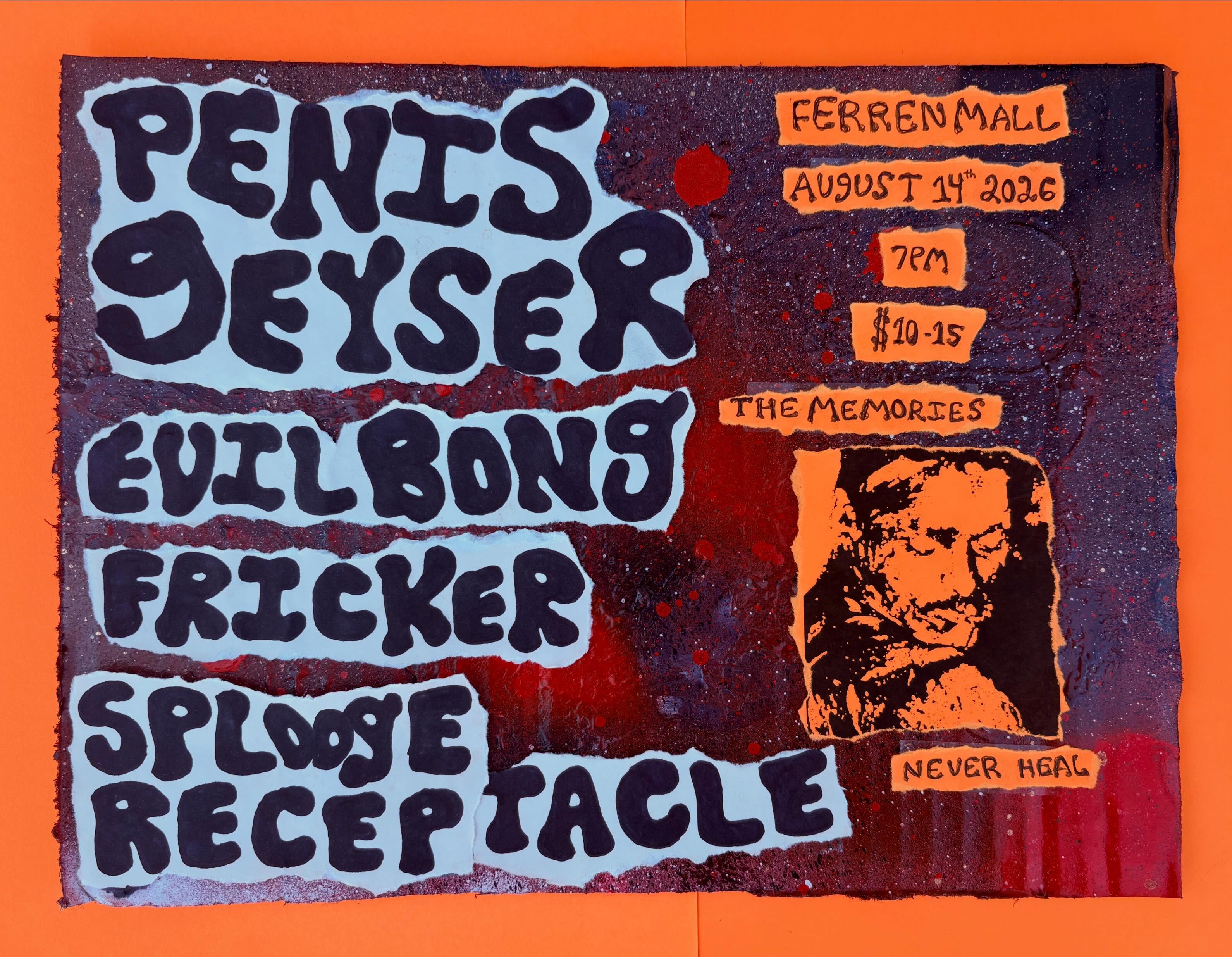
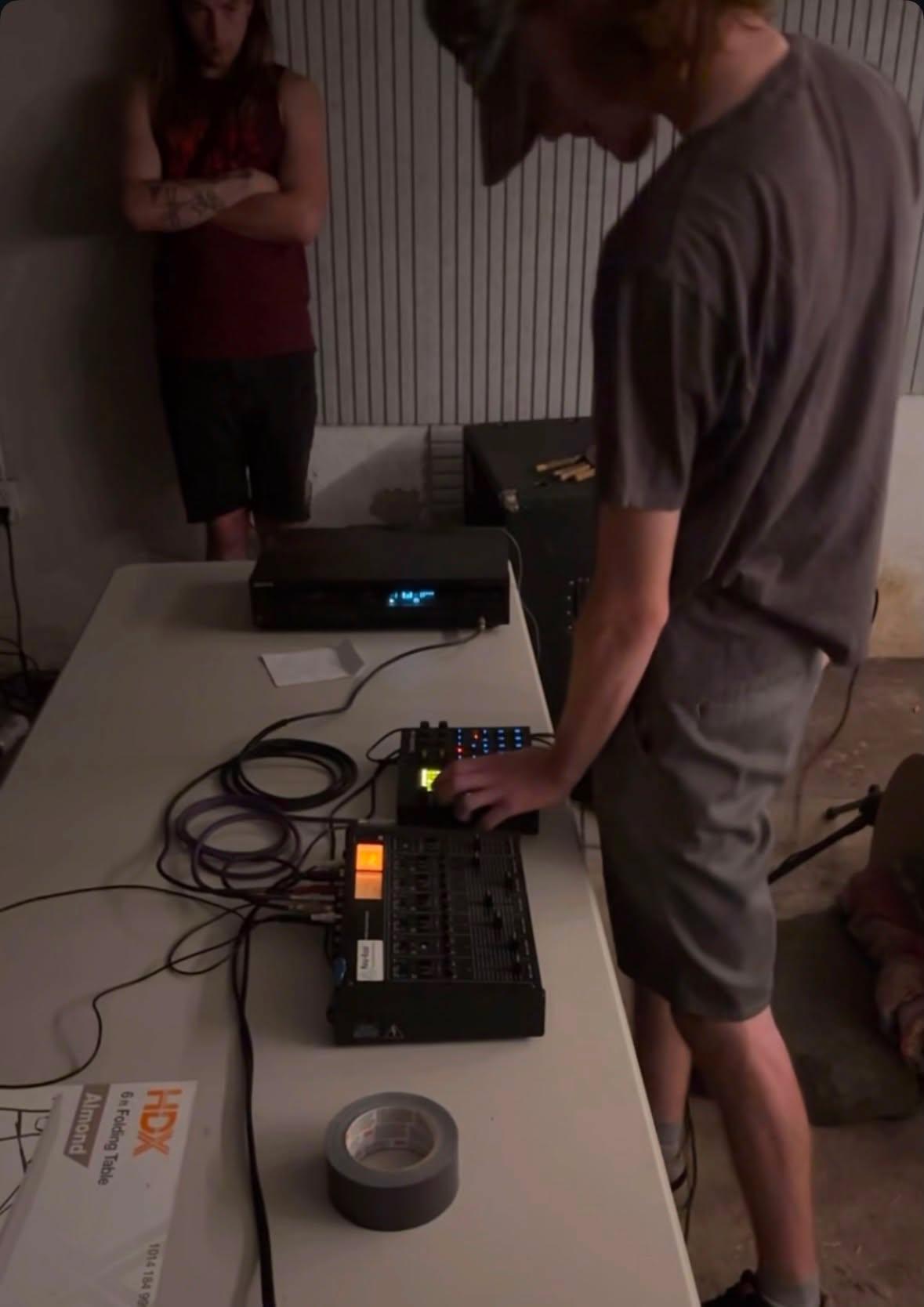
First act of the night was FRICKER, who I would put into contention as modern noise’s best kept secret anywhere. The unique blend of digital soundscape smashing and crude feedback that he brings to the table can be tailored to just about any sound system that he comes across, which leads to each live experience being different from the last. Given the grimy nature of Ferren Mall’s sound system, I figured the crowd would be in for something on the crustier side of his material. Indeed, I was right on that front. Fricker spared no room for intricacies, and immediately summoned churning rumble grumble to suck the audience into a vacuum of unforgiving sound. The feedback drone that started the set eventually gave way to more variety in the chopping of digital samples, but never once lost its harsh backing. It seems like there is not a single sound system that this red-headed prince can’t conquer, and the audience seemed to think so, as much feedback I heard after was that this set made the travel and admission price alone feel worth it. With a bar set that high, things could only go up from there.
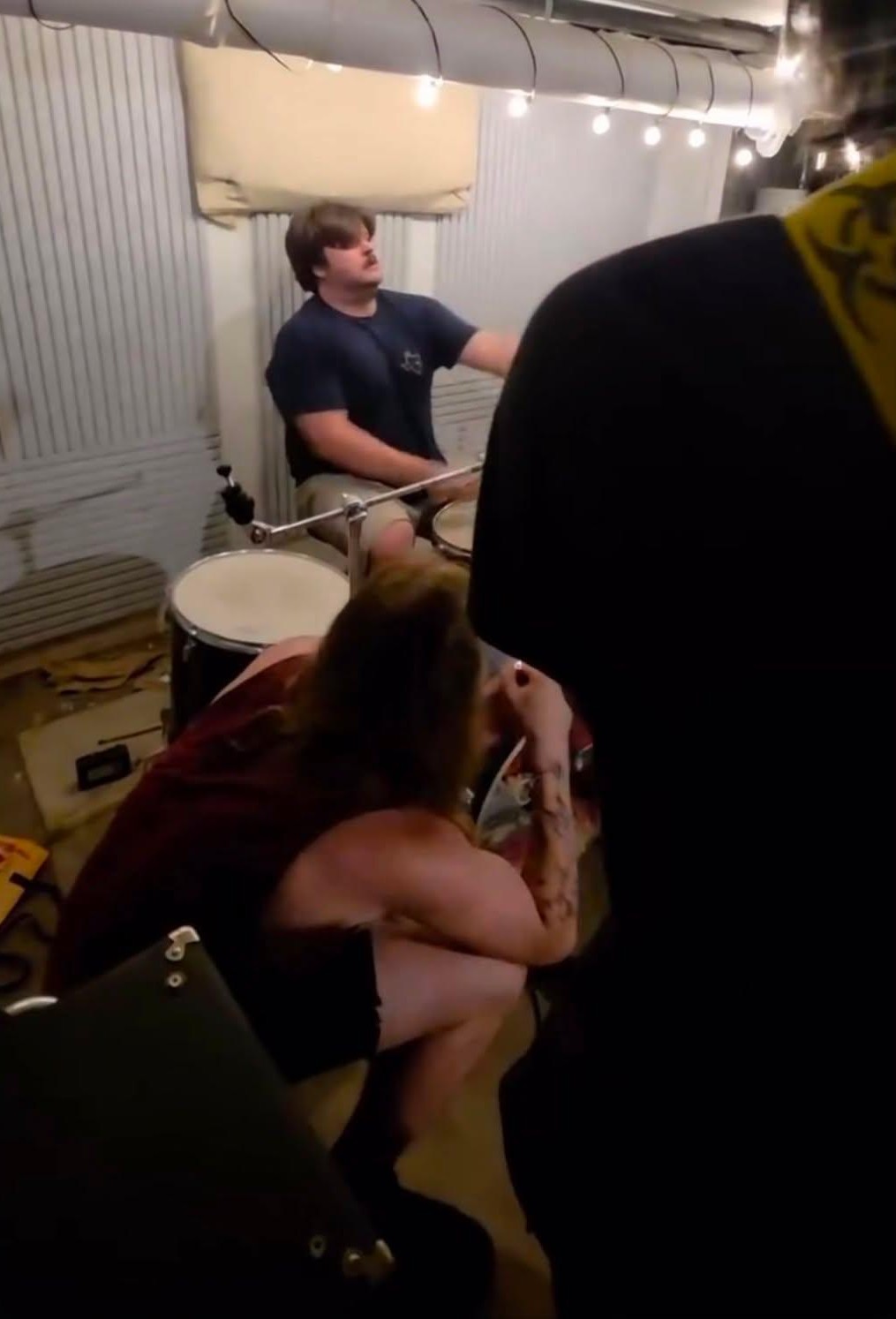 When it comes to performances I take part in, I try to often gauge how the audience is feeling about things both during and after the set. With EVIL BONG, this task is never really that hard. Being showered in a sea of audience laughter and “fuck you” cries gives you a good idea of where your performance stands. With 6 members to this unit, every full band blast came closer to sounding like harsh noise wall than perhaps a noisecore band would sound.
 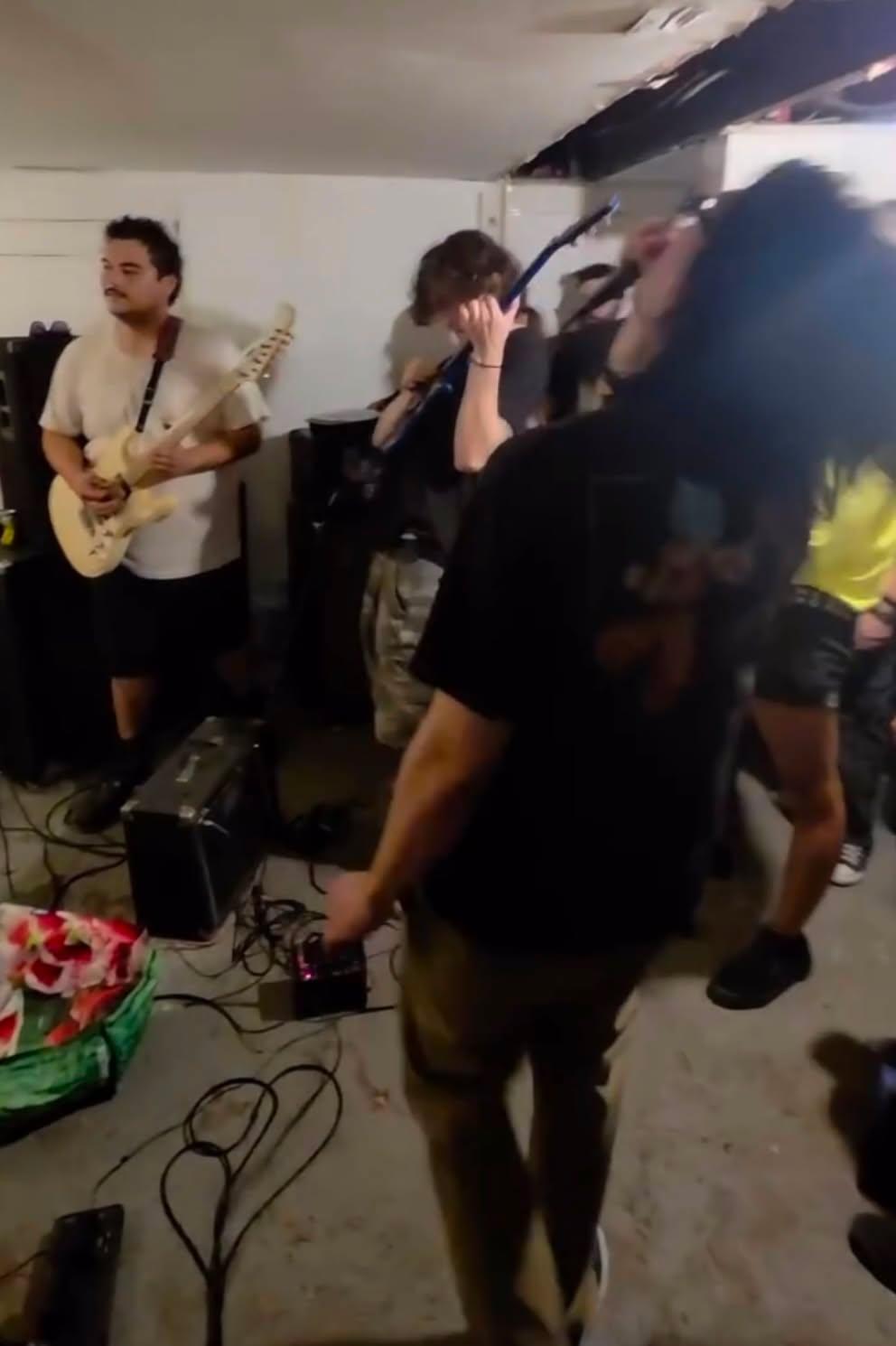 Between takes, microphone feedback would shriek like a drunken sailor beginning to hurl as song titles that took shots at New Brunswick, the audience, the bands playing and more came out of the mouth of their jackass drummer (side note: that guy really is a jerk). By the end of the set, with the audience in a frenzy, several members of the band just began to throw themselves directly at the audience. Hey, if hurting them emotionally won’t break their spirits, why not try physically?? By the time the band finished their crowd-pleasing closer, “Fuck Scronch,” there was simply nothing more they could do than to cheer and submit to the power of Evil Bong. Much like the film series this band was named after, audiences can’t help but find entertainment in the horror of this performance.
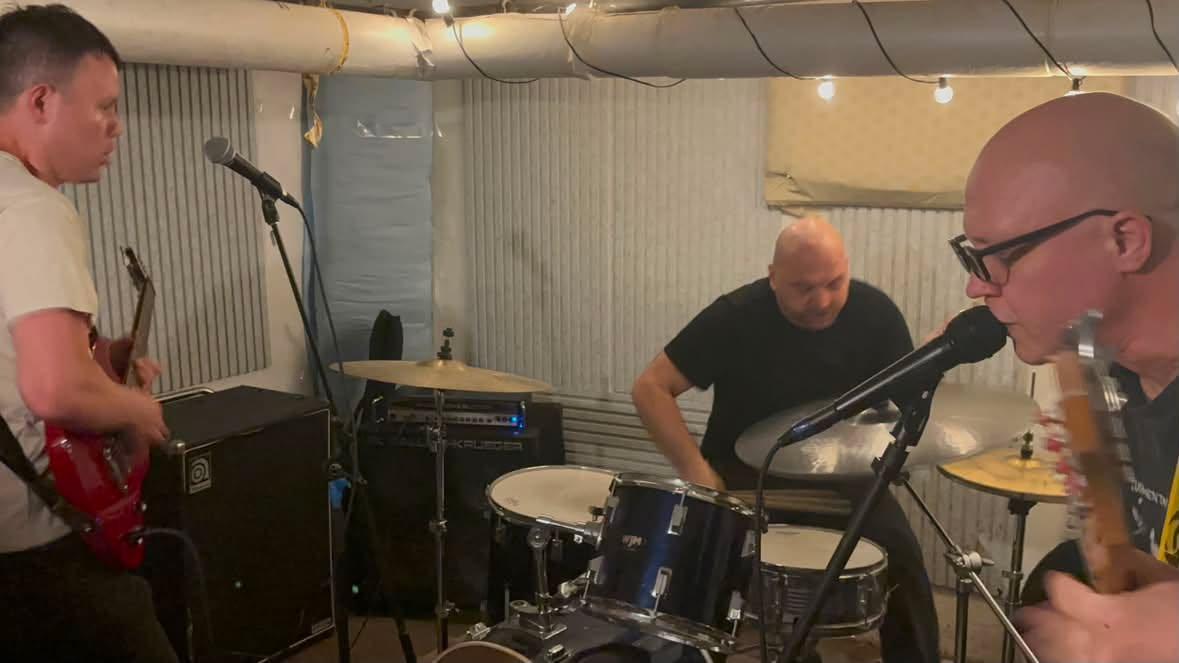 To simply shower praise towards PENIS GEYSER would not be enough to describe the masterclass their performance was. While most seasoned attendees of noise shows expect short sets, nobody was expecting just 90 seconds from this touring unit. It’s 20 years of the band, you would be more than understanding if they wanted to play a long set. Nope; 90 seconds and it’s off the stage. But in that time, the band managed to whip the audience between blasting frenzy, tense restraint and dadaist rock n roll deconstruction that would have left the most seasoned of touring acts in absolute disbelief by how disciplined the trio were in their attack. While the blasting noisecore is what most of us came for, I found myself more intrigued by the moments in between, when drummer Mikeal VanCleave would gently tap on his kit while the string slinging duo of Brad Griggs and Charlie Mumma would treat their guitars as anything other than traditional songwriting. Strings were detuned, slapped around, beaten and mangled. The frenetic energy of these actions sounded closer to someone rattling their cabinet around than actually attempting to play anything musical. And when it all finally came to an end, it wasn’t bombastic. The band simply stopped playing whatever interlude they were in the midst of and started breaking their gear down. The audience cheered for an encore. I heard “One more! One more!” cried out repeatedly (what would even be “one more” for this band? Certainly not a song). Finally, one attendee walking out said “nah, it was perfect” and left. I couldn’t have said it better myself; a phenomenal band that could go on for another 20 years and probably still be as good.
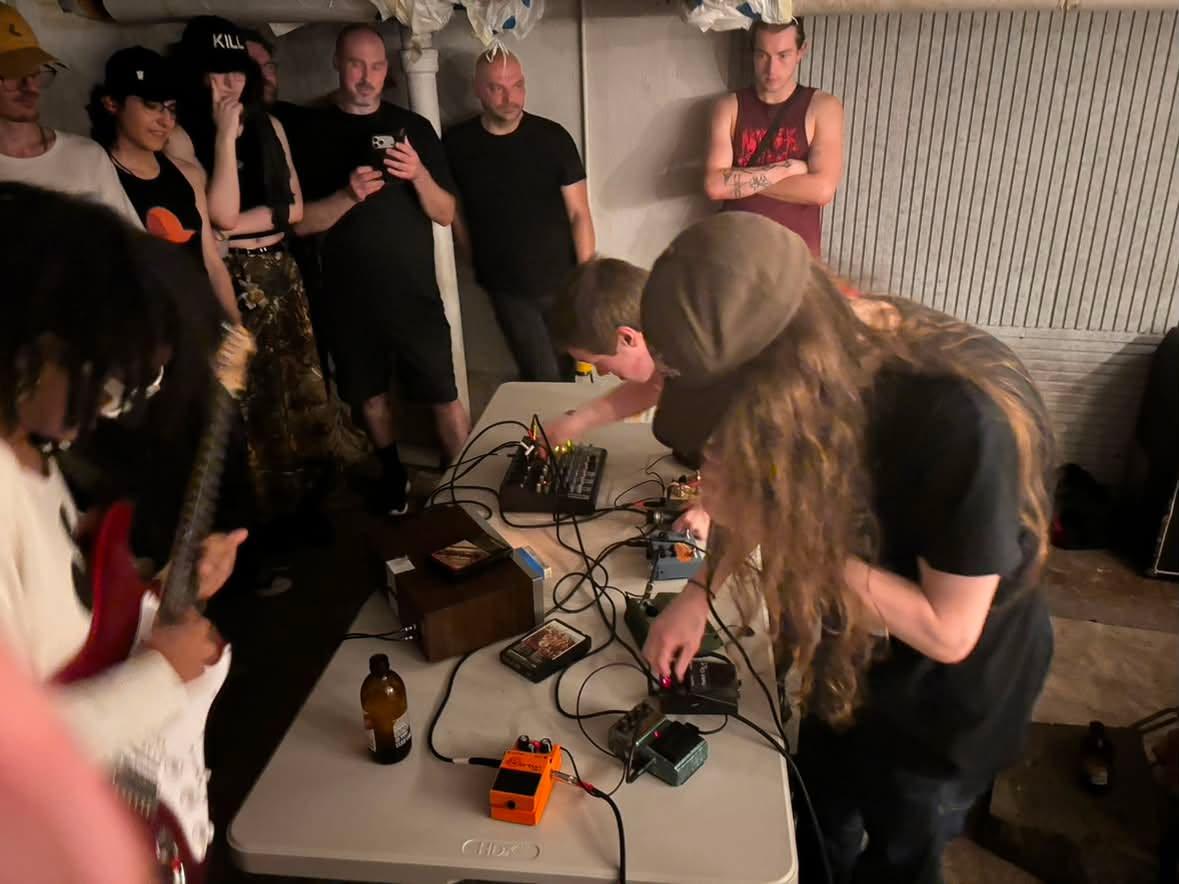 The new blood of New Jersey closed the evening’s happenings, as SPLOOGE RECEPTACLE came out with a table full of gear and the enthusiasm to inject their own brand of reckless abandon onto the audience. For those maybe not in the know, this group serves as the house band for New Jersey–based record label, NJMA, which has taken on the mantle of all things absurd and limited-edition in the Garden State. There are too many projects and releases to even begin listing the “essentials,” but Splooge Receptacle is where all these insane minds come together to celebrate the power of all things noise and core. Members were switching between duties on the mic, guitar, drums, electronics, etc. Really, if someone felt like they wanted to play something more than another member at the moment, they made the switch off occur. Similar to the Evil Bong performance from earlier, Splooge also engaged in their own form of audience antagonizing, as members crashed into the crowd while raging out through the wall of sound. Even when sound was not always perfect (sorry for providing a bad cable, team), their reckless abandon carried the set a great deal. With each passing set this group does, I become more and more excited at the prospect of where their sound can go. This group will be a name to look out for in the coming years if your listening diet tends to lean towards the more lo-fi ends of noisecore and shitnoise.
So with the final blastbeat sounding off, the crowd took the streets, wandering off to who-the-hell-knows until the next show. Maybe some went to the nearest eatery available. Personally speaking, I went off to the Edison Diner for some late-night nachos with the Penis Geyser crew in tow. But maybe some walked away from this one thinking of how inspiring it could be to see the most chaotic and shittiest sounds performed so excellently. I know plenty that are still buzzing days later from the whole affair.
Review: Tinnitustimulus – Fountain (Fecund, Jul 17)
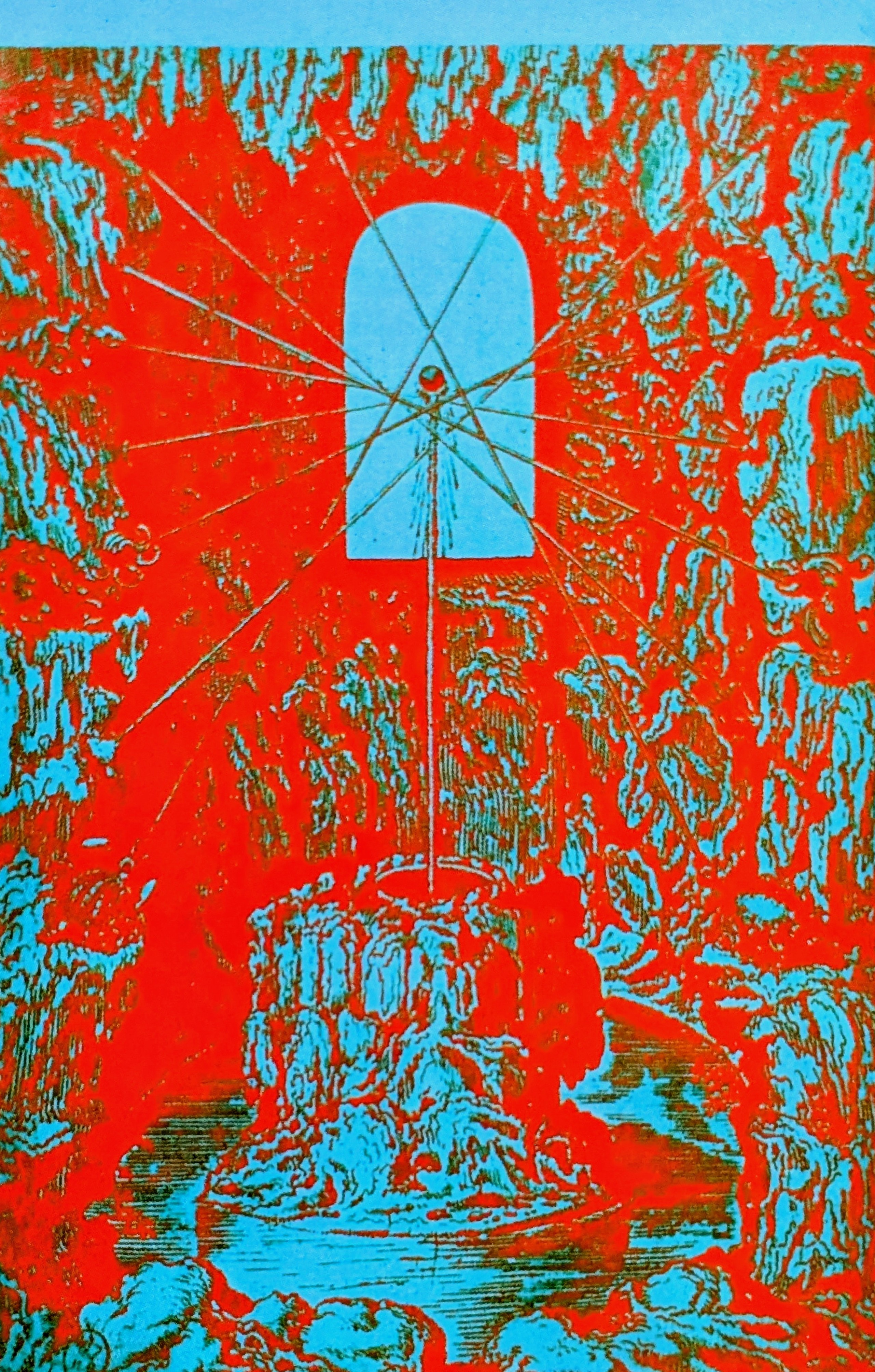 For nearly two decades now, Providence-based artist Tomas Bennett has been making some of the most uncompromising harsh noise in the game as Tinnitustimulus. In addition to following through on the project’s eponymous promise—most of his work features frequencies that will shred your eardrums if you’re not careful—Bennett has always been inclined toward long, droning compositions that induce a punishing kind of hypnosis. You can hear this interest as far back as 2015’s Roquefort, but it’s especially present on recent releases like Omnipresence and Vortices. It dovetails with a parallel interest in stripping down his setup, which these days often consists of a laptop, an interface, and a mixer. Accordingly, the back of the O-card for Fountain, the first tape on a new presumably in-house imprint Fecund, frankly states that “No acoustic feedback was used in these recordings.” Both sides are filled with undammed, unbroken surges of noise, almost numbing in their monolithic monotony. The commitment to sustained feedback studies reminds me of the Agitant Group tape on Head Meat from last year, but of course this is strictly digital. That being said, the analog presentation softens the edges a bit, slathering a topcoat of murk that serves as a nice complement to the serrated layers as they phase in and out. Somehow Bennett always knows the perfect moments to tweak his overloaded systems so that they start to thrash and fracture, threatening to tear themselves apart but never quite breaking the surface tension of the relentless current—that is, until the very end of the B side, which makes it all the more satisfying.
Copies are available via email: tinnitustimulus@yahoo.com.
Review: Lily – Scenes (Robert Fuchs, Jul 4)
 There are several aspects of Scenes that make me feel nostalgic, starting from the moment I first held the physical edition in my hand. It’s a classic black jewel case CD-R with inserts straight out of the turn of the millennium—everything from the fonts and typography used to the specific shade of blue reminds me of early Troniks or Crionic Mind designs, or even some forgotten shoegaze disc on Projekt. The music itself also evokes a fondly remembered West Coast era, albeit in a fresh and unique way: this ambitious debut by brand-new local project Lily (Keegan Bonds-Harmon) stands out from the pack with an organic all-analog approach, echoing such classics as Instinct & Emotion and Blind Frenchies and Pork with its quiet mastering and glassy crunch. The two extended recordings (running thirteen and thirty-three minutes) sound like they underwent little to no editing, instead embracing the freeform drift of exploratory rehearsal sessions. “Stinging Air” is an impressive start, steadily growing in intensity as squealing tones twirl and twist around each other, with well-timed effects distorting and eventually shattering them into crystalline shards. The heavy use of mixer feedback makes Scenes right at home on the Robert Fuchs roster, but what sets this material apart is its psychedelic spaciousness; even at moments when there’s a lot going on, there’s still so much room to spare. Much of “Dreams Collide” is quite sparse, with a few almost noodly bits that strip the action down to the simple turning of a knob or two—and even what sounds like some FM radio scrubbing—before the track follows through on its title and an icy hell breaks loose. This is noise that deserves rapt attention on a good stereo or set of headphones. Each listen has me eager for another. Bonds-Harmon has a level of clear vision and intent on his first release that some artists are still searching for on their tenth.
Copies are available from the label via email: robert.c.fuchs@gmail.com.
Review: Oriental Love – In the State of Emergency (dents de scie, Jun 29)
 I associate the catalog of underground Geneva imprint dents de scie in large part with the moth-eaten tape collages of in-house projects presque fantôme and crève-chiens. Over the years, though, the label has diversified in terms of both styles and locations, and at this point whatever they put out is always a surprise. Kaya Takada, a.k.a. Oriental Love, hails from the Koenji district of Tokyo, where they also run a cafe/gallery/events space called Oriental Force. Their newest tape In the State of Emergency, appropriately, is the loudest and most in-your-face dds release I’ve heard so far. Based on the cover photo as well as the live footage I’ve seen, Takada seems interested in the aesthetics of excess and detritus. When they perform they wear a headpiece that looks like it’s made out of different textile strips and juggling scarves, and their table is strewn with effects boxes, patch cables, and colored lights. This fixation on abundance carries over into the music, which comprises layers upon layers of clashing textures. The individual tendrils of noise ooze along at a plodding pace, but as they shift on top of each other and fuse together, the effect is as overwhelming as if they were moving at lightning speeds. Distorted drones rumble like war machine engines, air raid sirens blare with brassy dissonance. I’m not sure how much of the six-track set was produced live or via overdubs, but either way it has an fluid, gestural momentum to it. If you like the sound of this, you won’t have to break the bank to grab a copy—dents de scie has some of the fairest prices and shipping rates in the game. Plenty of older tapes are still available too.
List: Favorites from the First Half of 2026

Miserere Luminis – Sidera (Debemur Morti, Mar 6)

Emerging from the ashes of Gris, Quebecois legends Icare and Neptune revived Miserere Luminis in 2023 with Ordalie, a record that proved the trio (the third is Annatar of Sombres Forêts) was much more than a mere side project. But this is their first true masterpiece, a triumphant showcase of technicality, songwriting, and emotion. For me, it’s usually less as more when it comes to black metal, but all of Sidera’s many layers are balanced in such a way that it avoids the common trappings: it’s cathartic but not histrionic, progressive but not indulgent. The pained howls spin scripture of existential woe, the sparing strings add aching harmonies, and the grooves lead upward into sublime oblivion.
Negation – 2022_Q3 & 2022_Q4 (WAY, Mar 7)

Though he’s been active for more than a decade at this point, you could fit all of Negation’s discography on a single CD with room to spare. Project mastermind Kieran Morris exhaustively sculpts and tweaks his sound experiments into laser-focused documents, as evidenced by concise releases like Solar Torque and 1988 Mitsubishi Montero Sport. The utilitarian materialism of 2022_Q3 & 2022_Q4’s title extends to its contents, an assimilation of audio surplus generated by a bout of tedious desk labor and such prestigious programs as Microsoft Teams. Listening with speakers is a must; this is the NY phenom’s most complex and spatial work so far, exploding with dizzying technicality and building tension with well-placed downtime.
Ruda Vera – Suc de Rocs (sedicions, March)
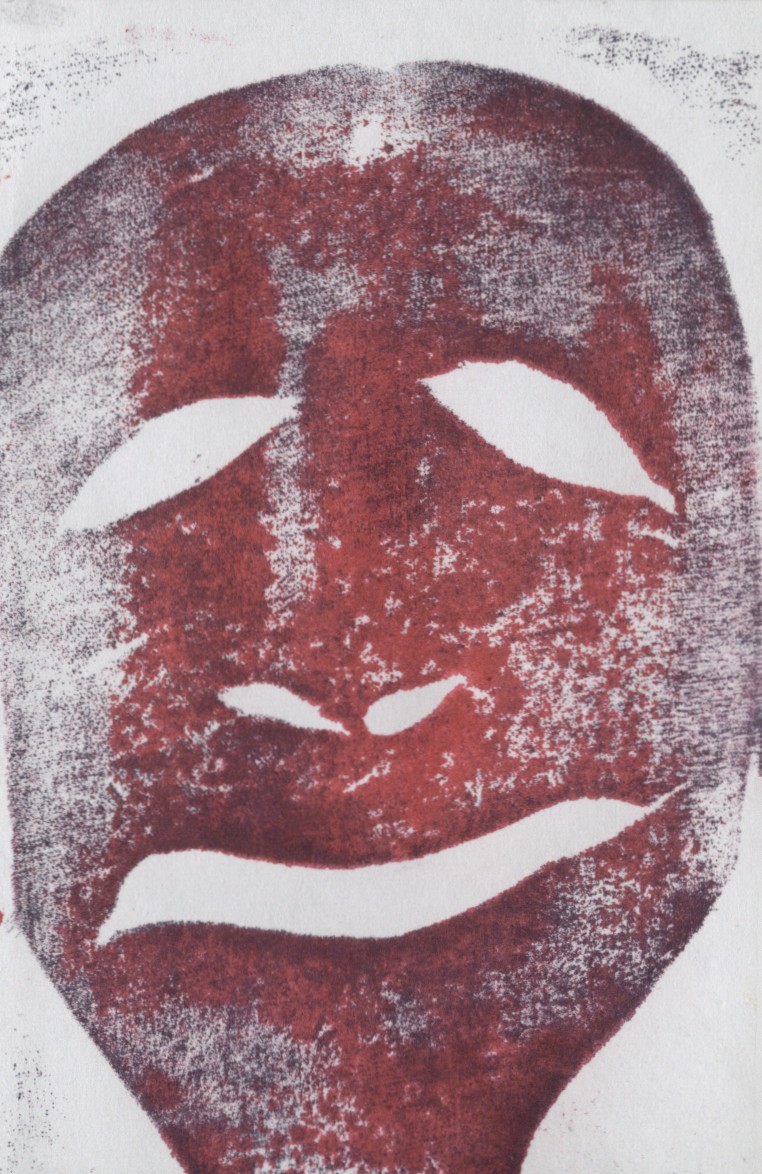
One of a pair of new cassette releases on Catalonian hermit Ruda Vera’s own sedicions imprint, Suc de Rocs is a welcome reminder of what makes his art so special. In contrast to the short sketches of Anthimeria, this single-sided C90 collects lengthy meditations that are as humble and inscrutable as ever. Even more so than previous releases, it’s never quite clear where the sound sources end and the rattle and slur of the artist’s shambolic tape machines begin. Everything blends together in a single stream of dirt, glass, and ferric oxide. Ruda Vera’s music aligns with his collage work (see some examples in his new interview in Untitled) in how both fixate on singular masses of textures: the mash of motion in an everyday action, the crusty cacophony of closely recorded junk.
Jack Sheen performed by Apartment House – Press (The Trilogy Tapes, Jan 22)

If you’re at all familiar with my taste you know I’m not much of a classical head. There’s a certain kind of humanity I have to hear in music for it to resonate with me, and I don’t usually find it in formal composition. Jack Sheen’s work is one of a few notable exceptions. Press expands the haunting harmonics and elliptical arpeggios he explored with Solo for Cello to a quintet, with prolific British ensemble Apartment House embracing the unusual tunings and metal mutes required for this ambitious score. It’s spellbinding music, a diaphanous spiderweb that trembles on the edge of the abyss, faint grey light glinting on the dewy strands.
Nu No – Canto Ventríloquo (La République des Granges, May 15)
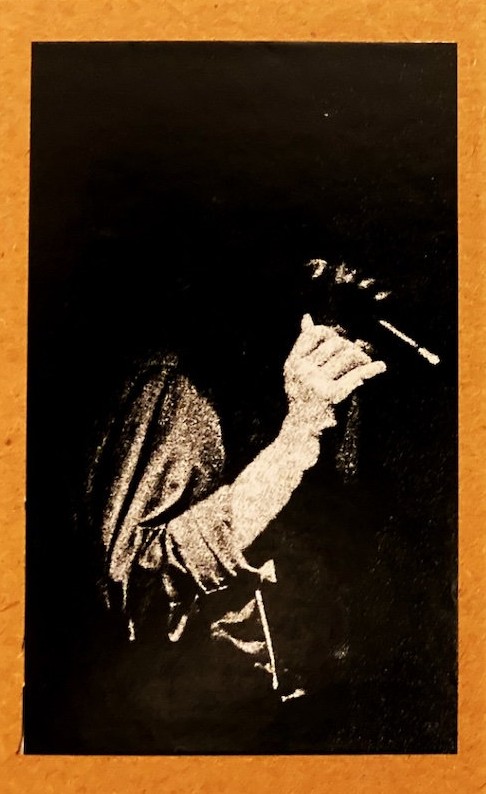
As I wrote in my review, Canto Ventríloquo reminded me to catch up on everything Nu No (Nuno Marques Pinto) has released since 2019’s Turva Lingua, so it gets props just for that. It’s also a testament to the quality of the tape that it stands out as a new high point for the Portuguese polymath even against such a consistent catalog. Each listen through is like opening an old grimy treasure chest, the contents of which you think you already know, only to be surprised every time. I’ve found myself growing to appreciate the more reserved cantos, wherein Pinto restricts himself to either only voice (“IX”) or no voice at all (“VII”)—the latter of which is an inflection point to close the A side, the winding tension like vocal cords priming for the next utterance.
Slacking – Curling Pupils of Sleep ’Neath Bended Moon (Fusty, May 27)
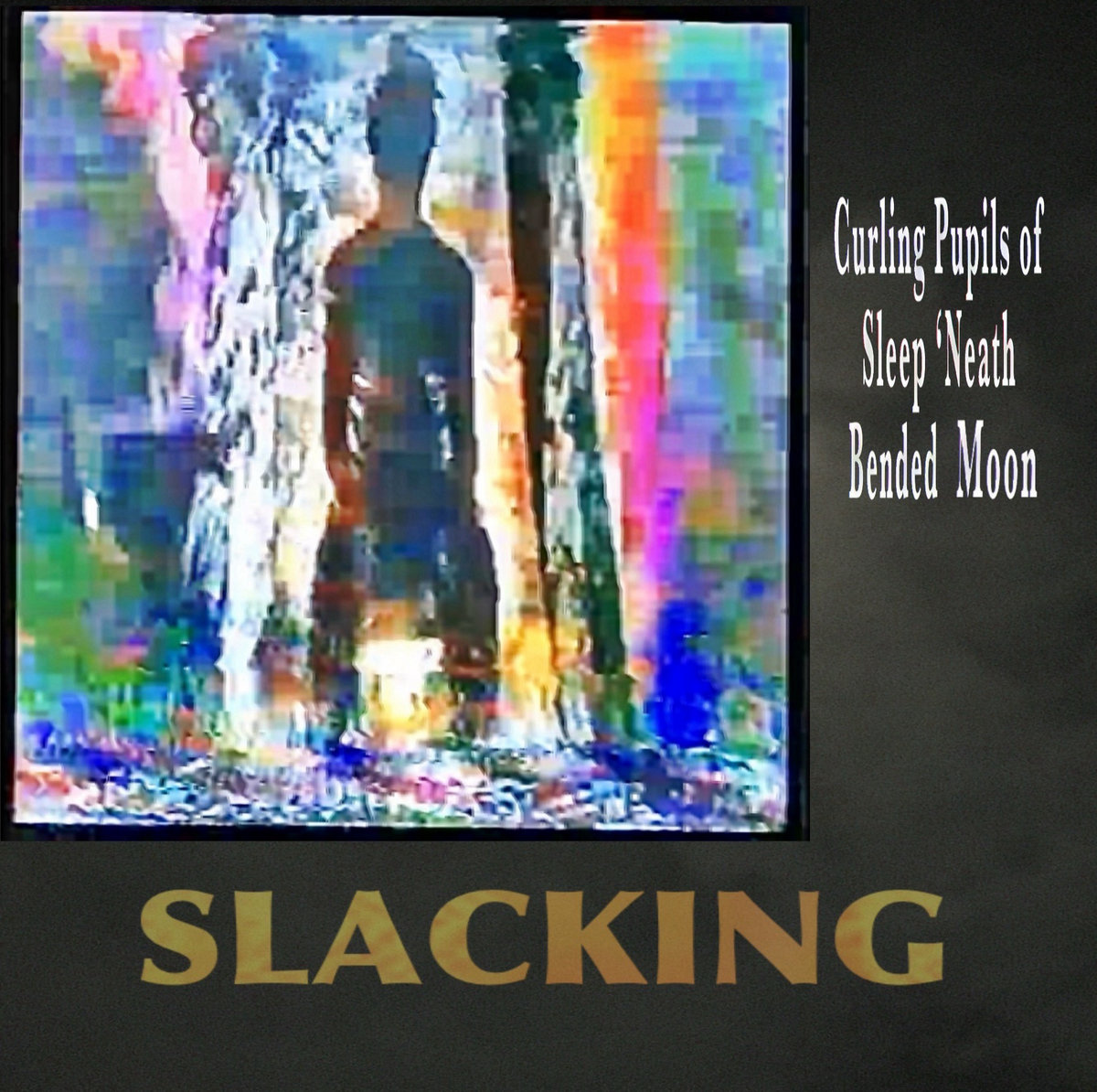
For those who have heard any of Jim Lerario’s recent material as Slacking—especially those who have witnessed it live—it comes as no surprise that Curling Pupils of Sleep ‘Neath Bended Moon is already sold out. The Pittsburgh wizard has steadily and mercilessly improved since his very first tape in 2019, and this first LP outing is the culmination of all of it. Magnetic tape is Lerario’s paintbrush, and on Sacred Heart of Reinvention and “Do What Thou Droop” from his split with Black Corolla he coated canvases with vivid nightmare hues. There’s a newfound fluidity on Curling Pupils, though. The shifting, slithering noise is as psychedelic as ever, but it’s also cathartic, even ecstatic at points (hear “Mean Bone”, which channels Dilloway’s “Eight Cut Scars”).
Lucy Bedroque – B4C (self-released, May 10)

To tide fans over until the promised but as-yet-unheard follow-up to last year’s Unmusique, C, extremely online MC and producer Lucy Bedroque (Jeremiah Mark) dropped the aptly titled B4C in May. A thrown-together collection of seven tracks, some of which may or may not be on the album, the EP has all the markings of a forgettable bonus release—that is, until it starts playing, and the magic makes itself known. “006 Finessaa” and “C Section” are some of Mark’s best songs yet, rawer and rougher takes on the young artist’s candy-coated approach to rage that capture their infectious live presence. I’m generally not huge on prettifun but his two features fit well here. There are some missteps, likely due to a rushed rollout (what the hell is that kick on “Bowser”), but the imperfections make it all the more perfect. Endlessly replayable.
Temple Guard – Citadel in Flames (worldwide, Jun 11)
 Citadel in Flames snuck up on me. Lured by the killer cover art, I told myself I’d heard this same sound done to death and that Temple Guard wouldn’t make any more of a lasting impression than the countless other new heavy hardcore bands I’ve heard recently. But then “Blood Makes the Rain Fall” kicked in, and it slowly became clear that this five-piece stands apart from the horde. The bellowed lyrics range from doomsday resignation to militant eco-radicalism, sharpened with martial medieval imagery befitting of the visual aesthetic. The fury ramps to apocalyptic fervor with “The Weight of Undying Shame”, a crushing siege engine of a track fortified with the most evil breakdown of the year.
Review: Nu No – Canto Ventríloquo (La République des Granges, May 15)
There aren’t many artists working today whom I’d call sound poets without caveats. Though a few names come to mind—Michael Barthel, Anne-James Chaton, Thomas DeAngelo—the practice has been so thoroughly reshaped and assimilated that it often doesn’t feel like an accurate descriptor (not a bad thing at all, as the catalogs of labels like Recital, Index Clean, adhuman, and even the speech-based releases on ETAT can attest). I have no such reservations when it comes to Nuno Marques Pinto, a.k.a. Nu No. I first encountered the “charismatic and seasoned” Lisbon-based multidisciplinarian when I stumbled across his 2019 LP debut Turva Lingua, a humble masterclass in text-sound that draws plenty from the tradition’s titans with a decidedly modern twist. That is to say, his approach is a classic and familiar one, and yet even to the best-acquainted listener it feels fresh, which is impressive considering the modest bag of tricks he’s pulling from. Even following a formidable discography amassed over the past decade, Canto Ventríloquo is Pinto’s best work yet. With the exception of Invenção Única, he’s always gravitated toward short, ephemeral compositions; here, even though none of the “Cantos” exceed four minutes, they each have a clear focus and trajectory in taking a particular premise to its most satisfying conclusion, resulting in a tape that feels not like a sketchbook but rather a tight collection of targeted (and successful) experiments. Pinto deploys his usual repertoire of dictaphone scrabble, sparing samples and instrumentation, and of course his own vocal chords with aplomb: “I” sets the scene by painting a murky swath of mutterings and rattling tape spools, “III” unleashes a hypnotic pulse beset with dizzying utterances that ends up somewhere beautiful. “IV” is one of the most memorable tracks, a goofy but thrilling exploratory workout that systematically escalates—wouldn’t be out of place on an Underwhich tape—and “VIII” displays Pinto’s knack for dark intensity with its haunting duet of spittle and strings. Already one of my favorite releases of the year.
Review: Amphibian – Kelbeross (self-released, May 13)
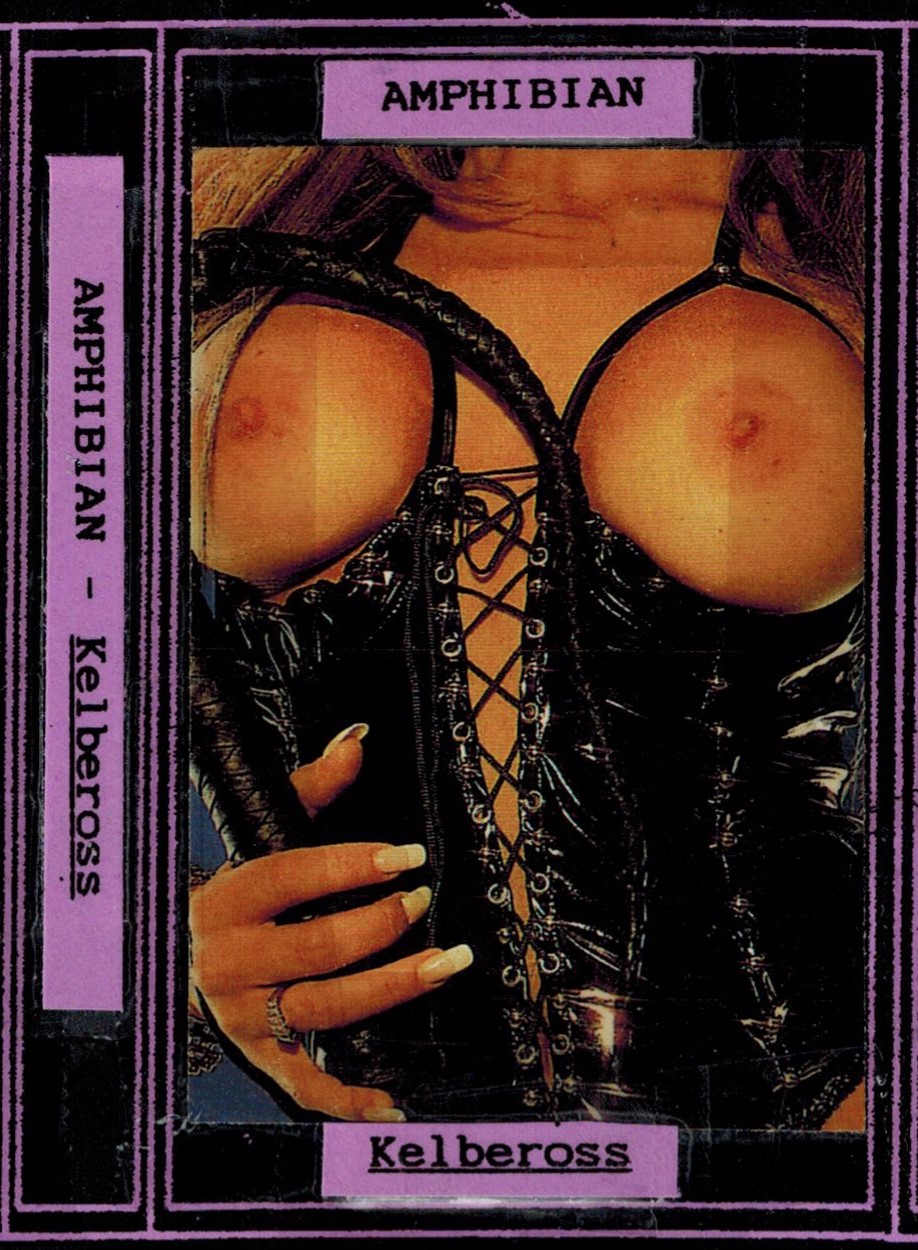 Though perhaps not the most consequential release in itself, Kelbeross does signify both an end and a beginning: the untimely death of cut-up legend James Cooke (a.k.a. Ahlzagailzehguh), to whom it’s dedicated; and the launch of Subvert, a new online platform for independent digital music distribution that aims to succeed Bandcamp. It’s also a treat to hear new material from Amphibian, the sporadic harsh side hustle of John Pyle (the man behind such well-loved industrial projects as Mistletoe and Pleasure Island). There’s only a handful of releases so far, but all have been of the utmost quality. Recorded back in 2023, Kelbeross also marks a turn away from the blown-out scrap metal cacophony of Hanging Nettles and toward a synth-driven approach. It’s a shift many artists make when they feel like they’ve hit a wall with their original setup and want to explore the infinite possibilities offered up by a modular system, but in the process it’s all too easy to lose track of the unique sound they cultivated in the first place. Not the case here—these two slabs are distinctly Amphibian. It helps that they were ripped from a master tape rather than DIed, probably because this was originally planned to be a C20… and because it just sounds better. “Don’t Say a Prayer for Me Now…” blooms with colorful distortion and a heaping helping of soupy delay, seesawing between pools of mid-heavy crackle and shrill laser blasts. The pacing and palette are more in line with Lowlife, which likely came together around the same time, but this one feels like more of an open-ended experiment, a scrawled scratchpad of ideas for later expansion on “Inescapable Gag,” a contribution for a V/A compilation that is now available on Subvert for standalone download, and (hopefully) beyond. “…Save It ‘Til the Morning” is even more diverse, complete with a trembling tonal coda that wouldn’t be out of place on a Mistletoe tape. It’s a fitting tribute, a look toward a bright and well-endowed future, and above all it’s just some great noise. Ahlz forever.

