
 Christian Mirande is one of those few musicians whose releases I buy without hesitation. The Philadelphia-based sound artist can always be relied upon to produce wonderfully difficult music with distinct and unmistakable emotional resonance; see the simultaneous domesticity and seismic rumble of Trying to Remember a House, the criminally underappreciated sprawling sonic odyssey Scaled Deposits, or even the minuscule field recording collages of Strangeways if you need proof. It’s immediately apparent that his newest work, My Friend Went to Heaven on the Frankford El, is a very personal outing for Mirande; the title, along with the tape’s dedication to “Jason & Sean” and a link providing instructions for administering Naloxone, immediately evokes a profound sense of loss. But My Friend Went to Heaven is not cheaply elegiac, never tugging on low-hanging heart strings with monologues about grief or other clichés. Instead, Mirande bases what may be his most elusive release yet around the strange milieu of American life during a rampant opioid epidemic. There are no warnings, no time to say goodbye; your friends and family are simply there one day and gone the next, and the surrounding world is heartbreakingly apathetic to your grief—trains rattle by with countless passengers all oblivious to what you’ve lost, conversations carry on without you, classic pop anthems are snatched away by the same uncaring, unceremonious hands that yank so many lives from their human vessels. The world of My Friend Went to Heaven on the Frankford El is one that is at once familiar and distorted, an unyielding constant viewed from the fragile perspective of a single consciousness.
Author: Jack Davidson
I like to listen to, read and write about, and play music.
Review: Prism Shanks – PINK (self-released, Jan 5)
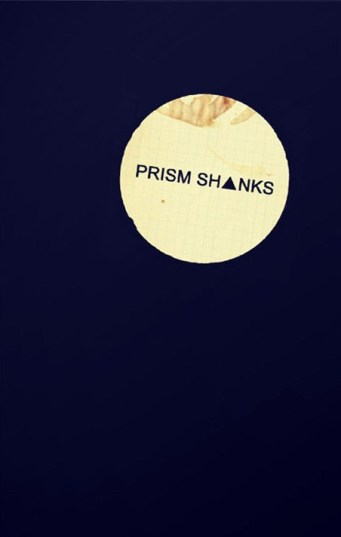 At the heart of PINK, Prism Shanks’ debut cassette release, is percussion—not only the “hand built” rhythmic devices the duo utilizes but also the way in which they approach the other elements in their music. This “largely improvised audio collage” finds footing amidst almost entirely formless cascades of manually struck drums and other objects, yet snaking in and out of this tactile clatter are the unmistakable metallic scrapes and ragged, distorted howls of a prepared guitar, an instrument here used with the same percussive predilection as its fellow sound objects. To my knowledge I’ve never heard any music by either James Worse or John W. Newman, the two members of Prism Shanks, but their abilities to construct immersive atmosphere and hypnotic headspace are immediately clear when you hear PINK; despite never quite falling into the familiar comfort of conventional rhythm, the tape nonetheless draws a magnetic energy from the dark, ritualistic timbres at play in the music. Every instant of the release’s thirty minute duration radiates a powerful, mystical force, concluded in the sublime final moments of the B side, where uneasy beauty is hewn from electric hum and Prévost-esque bowed cymbals (I can’t be the only one reminded of the formidable drone-scapes of Crux / Flayed).
Note: each copy of PINK comes with a unique custom collage overlay.
Mix: Free Rock
There’s not just an essential, but also an audible difference between an orchestrated, technical maelstrom and total improvisation. The former may sound chaotic or random but cannot match the complete, blissful freedom of the latter. The songs in this mix, however, lie somewhere on a spectrum between those two endpoints, tending towards spontaneous gesture without disregarding or eliminating the fragments of structure that still linger in the music. Some of them gradually fall back into a conventional meter, others remain formless and ease through fluid dynamic changes, and still others play rhythmic patterns so loosely that they often don’t appear to be rhythmic at all.
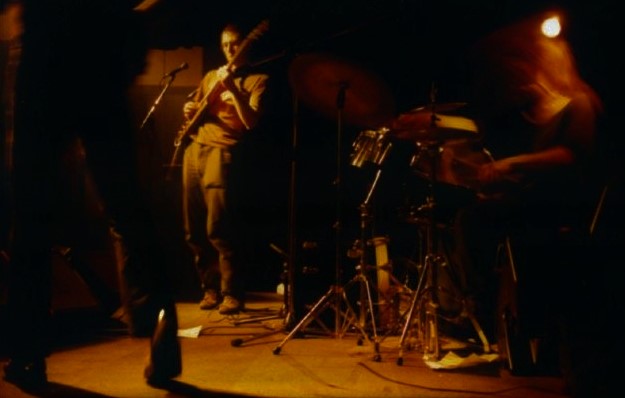
00:00. Dilute – end of “Apple” from Grape Blueprints Pour Spinach Olive Grape (54º40′ or Fight!, 2002)
02:14. Storm & Stress – “And Third and Youngest, Unnamed” from Under Thunder and Fluorescent Lights (Touch and Go, 2000)
07:22. Gorge Trio – “Roof Halves and Dewdrop Gems” from Open Mouth, O Wisp (Skin Graft, 2004)
10:41. Coptic Light – “Mix the Races” from Coptic Light (No Quarter, 2005)
18:27. Who’s Your Favorite Son, God? – “Tapestry Mouth” from Out of Body Diva (KDVS Recordings, 2006)
20:40. Sister Iodine – “Western Lei” from Helle (Textile, 2004)
23:57. Fading Tapes – “O-bon” from Radio Okinawa (Katuktu Collective, 2018)
29:09. Jackie-O Motherfucker – “Dark Falcon” from Ballads of the Revolution (Fire, 2009)
33:46. zOoOoOm – “Ablution” from Eight My Heart (Condor, 2004)
Review: Richard Pizzaro – Actually Stupid (self-released, Jan 4)
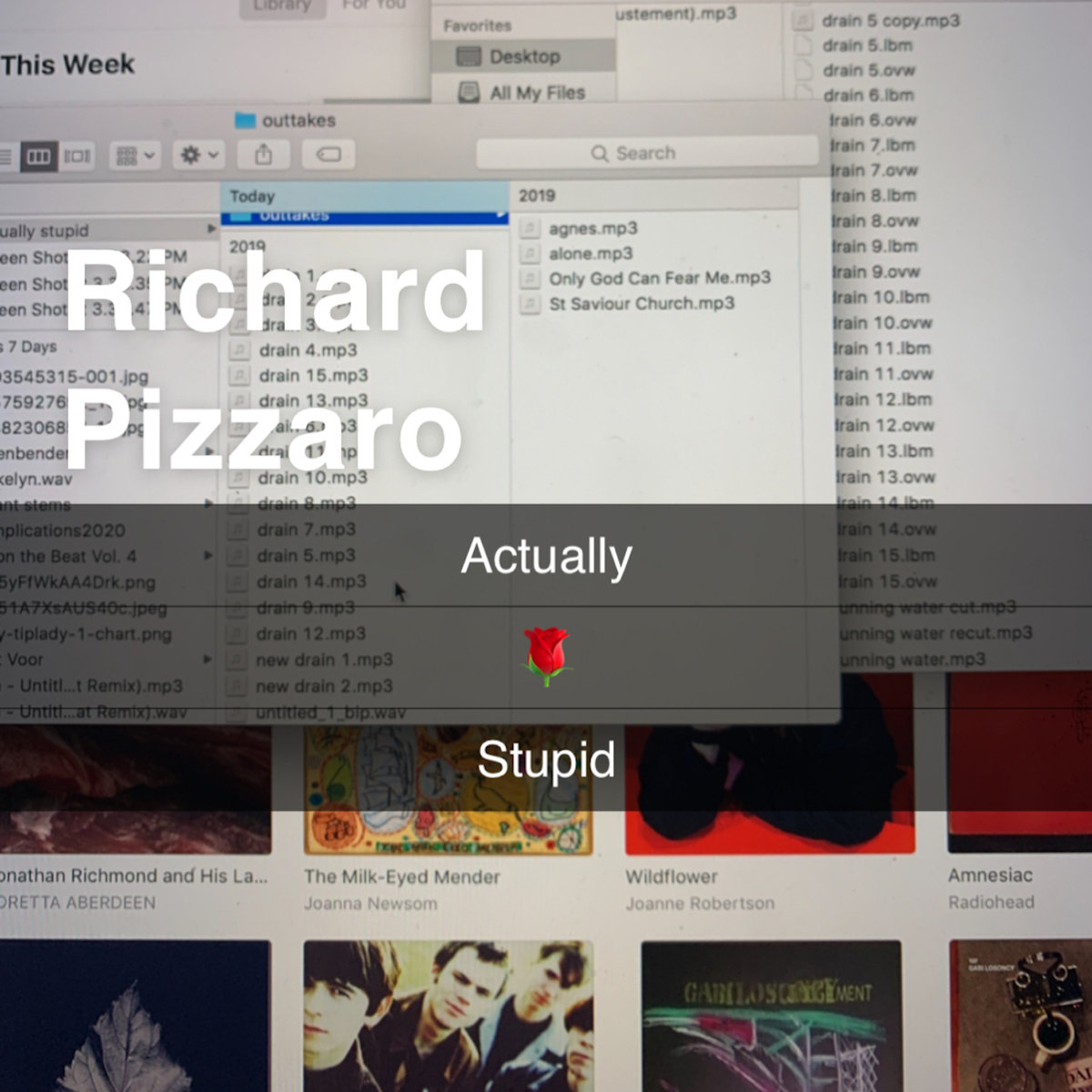 I know I repeat this ad nauseam, but Bandcamp is a truly wondrous place. There are endless bewildering, obscure gems to be mined throughout the depths of the popular music hosting service, finding something like Actually Stupid is the equivalent of finding a mysterious old cassette at the very back of a rack or an unmarked CD amidst the stacks filled with bizarre sound. What makes this discovery even more valuable, however, is the fact that what is ostensibly New York based artist Richard Pizzaro’s first release is defiantly new and fresh, released on the fourth day of the new year and adorned with an artfully low-effort cover image made with Snapchat. Actually Stupid is also not a work that distances its aesthetic from the zeitgeist; featured on the cover is someone’s iTunes music library, “Aria” gets extensive mileage out of samples from Ariana Grande’s “God Is a Woman,” and everyone knows sex dolls are all the rage right now—but the music itself could hardly be any stranger. Opening track “Draining” evokes an arresting feeling of isolation, stripping fuzzy field recordings of a running tap and rushing air currents down into a single, spectral drone like the feeble sound of the arctic wind as you lie freezing to death in the snow. “Sex Doll I & II,” a continuous two-part piece that is itself part of a “Sex Doll” track trilogy, collapses into chaotic clusters of malfunctioning percussion patches and contorted electronic glitches; the soft synth washes of “Midwit” battle against jagged, unpredictable intrusions of silence and grating radio grabs until the whole track is commandeered and we’re left with an absurd yet strangely melancholy mass of monotone text-to-speech, a grandiose pop ballad, and what seem to be field recordings from either a cacophonous construction site or a violent firefight; and download-only bonus track “White Powder” concludes the proceedings with another delirious pop song dissection. Three cheers for democratic hosting platforms, hilarious album covers, and the people out there able and willing to make shit as weird and wonderful as this.
Review: Posset – Nine Copper Rods (self-released, Jan 1)
 Bandcamp opens up many opportunities for avant-garde artists in regards to how they make their music accessible to the masses. Artists can simply host albums on Bandcamp that they would have released anyway without impacting their release timeline, while others perhaps get carried away with the ease and freedom that the site provides, releasing so much music that fans get overwhelmed and the individual merits of single works are drowned out by prolificacy (I’m looking at you, O’Rourke and Drumm). Joe Posset is no stranger to handmade CDrs or ultra-limited cassette tape runs, media that certainly coincide with his sonic aesthetic, but he also doesn’t shy away from having an established online presence, something many of his peers in the field of text-sound, tape skronk, and lo-fi surrealism often eschew in favor of obscurity. Posset’s Bandcamp allows us access to many things we otherwise wouldn’t be able to hear, such as the short We Are Fresh Weekend collection or a collaborative live set with fellow UK gargle poet Territorial Gobbing. Nine Copper Rods rings in the new year with eight pieces from various origins, along with easily one of the most entertaining album descriptions I’ve read through in a long time. The slithering, plasticky swirl of “Exi” encourages us to “feel the whirr [sic] of polyurethane nestle the gong farmer” while the kinetic swipes and yanks of “Dicta Solo 26th Oct (take two)” contradict its being “recorded in bed, sunny afternoon. Probably should have been doing something else.” The absence of any single unifying theme on Nine Copper Rods, abandoned in favor of scatter and sketch, allows the walls of impenetrability to fall away and reveal the truly amazing technique and skill involved in Posset’s music-making process.
“Download, press play and go about your business. I hope soft grey clouds bloom in your ears and it makes you sizzle a smile like Nicholson’s bacon.”
Review: Guilt Dispenser – Guilt Dispenser (self-released, Jan 1)
 Once the new year rolls around there always seems to be a standout short ‘n’ sweet extreme hardcore release that helps me barrel through the duller moments of winter break. Last year it was Bandit’s Warsaw, an eight minute slab of brutal techgrind that still gets regular plays over a year later. Exactly one year and two days after, we’re given the gift of LA fastcore quartet Guilt Dispenser’s succinct self-titled debut. Plowing through ten tracks in less than half as many minutes, Guilt Dispenser draws elements from a vast array of hardcore subgenres into its breakneck vortex of speed and fury, devoting as much time to angular riffs in odd time signatures and mathy core breakdowns as the breathless d-beat gallops one would expect. Incendiary opener “Incite” fulfills its titular promise with a heavyweight propulsive groove that gets heads banging right off the bat, while shorter tracks like “Discern” showcase the band’s penchant for jarring arrangements, tempo changes, whiplash vocal trade-offs, and bite-sized atmospheric interludes. The minuscule outing ends on a powerful note with the formless “Cease,” a swirling whirlwind of effect-laden vocals and distortion. Inject full contents intravenously for maximum energy increase.
Review: Howard Stelzer – Fever Song (self-released, Dec 30)
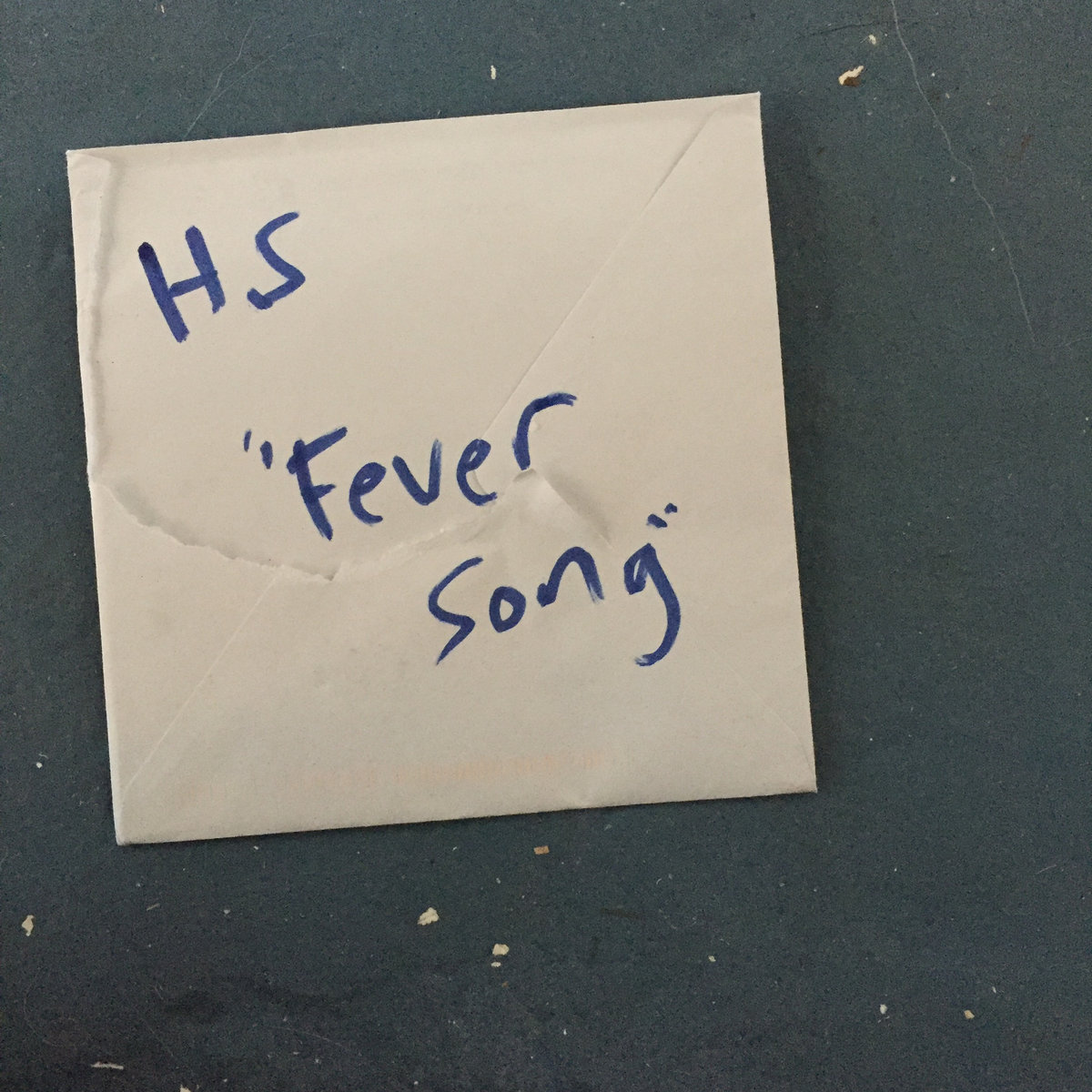 Howard Stelzer’s single track release Fever Song was assembled “in secret” during the latter months of 2019, finally completed after the Massachusetts based schoolteacher and sound artist recovered from a nasty bout of pneumonia. Stelzer says: “As soon as my fever lifted, I was so grateful to be able to do the things I usually do (like being able to concentrate on a task for more than a few minutes at a go, or walk from one side of my house to the other, or carry on a conversation with my wife) that I returned to this album right away and ironed it out rather quickly.” So many elements of this excerpt from the album’s description translate well into analysis of it; like many of Stelzer’s compositions, “Fever Song” is built around patient drones, but the sustained textures and tones he utilizes here are not somber or dull, instead always climbing with radiant vigor to further heights, brighter patches of light. Our fever breaks and we see an opening in the shroud of sickness, an escape toward which we desperately claw and climb. “Fever Song” is also a celebration of not only the everyday, but also the patience to appreciate the everyday. The piece could have been shorter, of course, but it isn’t; Stelzer carefully constructs spans of controlled noise to allow for the barest amount of progression, allowing meditative stretches to become illusions of stasis, sonic monoliths in which we lose ourselves until the subtle developments become impossible to ignore or the rug is yanked from under our feet. And finally, I love the use of the phrase “iron out” to describe the process of finishing “Fever Song”; it appeals to both the work’s recognition of the value of the mundane as well as Stelzer’s pragmatic approach to music-making. And even some of the drones feel as though they’ve been ironed; trivial materials forcefully pressed into gorgeous, unified slabs of sound.
Review: Cult of Erinyes – Æstivation (Amor Fati, Dec 26)
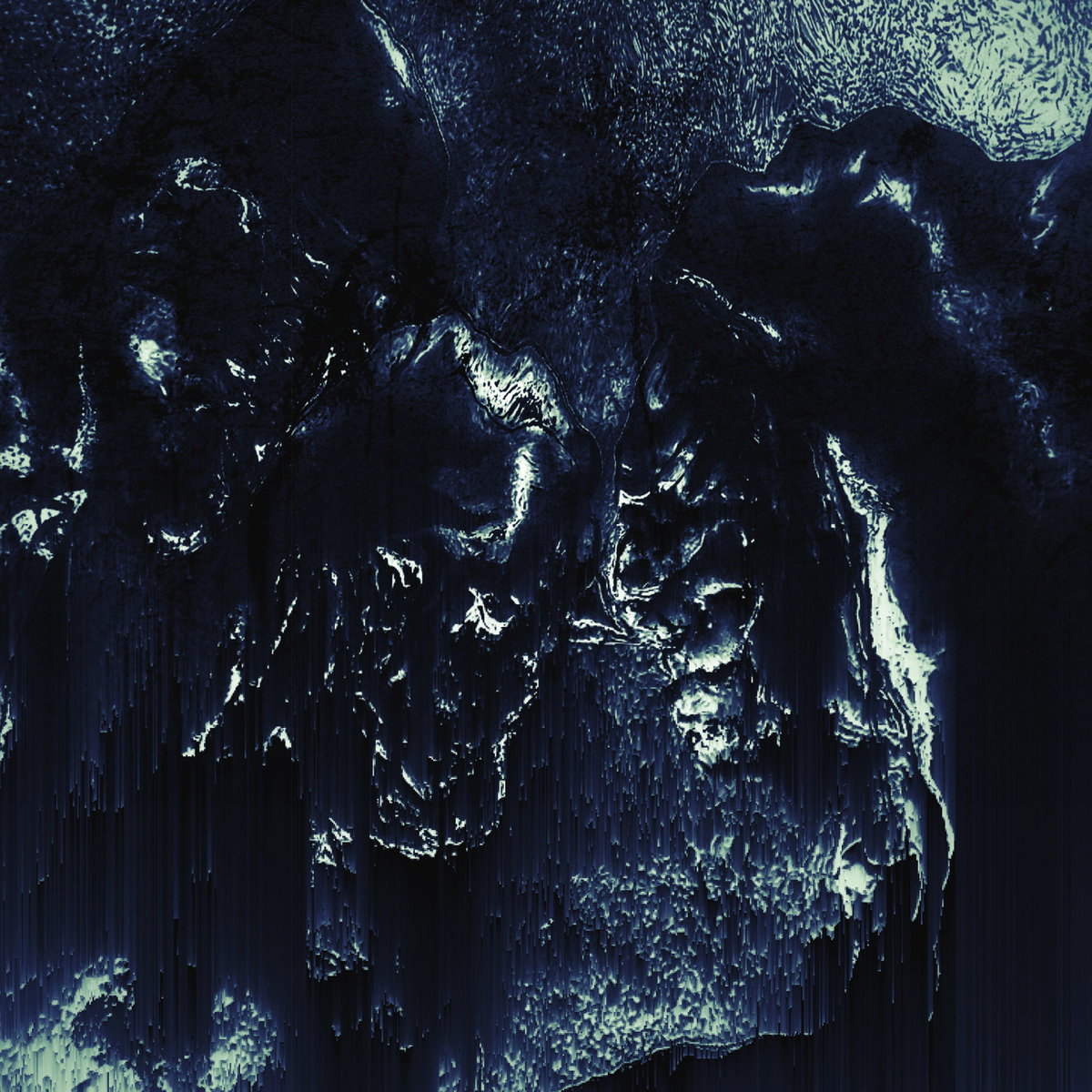 The genre and culture of black metal has come quite a long way since its infamous origins in early 90’s Scandinavia, as new scenes, communities, and styles popping up all around the world at an ever-increasing rate. I don’t think it would be an overstep, however, to name the Germany-based imprint Amor Fati one of the most significant voices for contemporary black metal. Often focusing on bringing independently released music to physical media and a wider audience, the label either brought me or introduced me to many of my more modern favorites, including HWWAUOCH’s Into the Labyrinth of Consciousness, Pharmakeia’s self-titled debut, Mahr’s Antelux, and now Cult of Erinyes’ Æstivation (all of these are available for name your price digital download from the artists). Fitting right in with AF’s raw, oppressive aesthetic without sacrificing melody or succinct structure, Æstivation is a more concise effort than 2017’s Tiberivs, building to and from punishing blast beat sections with atmospheric interludes and developing riff repetitions. The array of guest vocalists of which the band makes use allows for a wide range of utterances, from distant howls and throat-shredding shrieks to guttural growls and throaty spoken word (the pained screams on “Nihil Sacrum Est” are definitely a highlight). Æstivation is a superb, well-executed celebration of both classic black metal tradition and more contemporary stylistic augmentations.
Review: Barn Sour – horses fucked over the head with bricks (Careful Catalog, Dec 23)
 While my end of year review hiatus is always a much-needed break from an undammed influx of new music, there are usually a few remarkable or fascinating albums in December that demand immediate attention. One of many works in a large quantity of final month releases that exposes the stupidity of publishing comprehensive end of year lists in November, Barn Sour’s first 7″ horses fucked over the head with bricks concludes newcomer NYC imprint Careful Catalog’s superb 2019 with a flourish. The EP was released just a week before we rang in the new year in tandem with Mattias Gustafsson’s equally amazing Frusen Musik, and over a modest nine minutes it proceeds to fuck every conception you have about music over the head with bricks. The names of the two musicians listed on the release are most likely pseudonyms; James Druck probably refers to one of the key figures in a series of cases of insurance fraud commonly known as the “Horse Murders,” and who knows what “C.Lara” is referencing, if anything. The music itself doesn’t answer many questions, instead taking the form of a bewildering amalgam of emotions that cultivates a mysterious power through evocations both visceral and cerebral. Maniacal laughter rings throughout the entirety of side A, balancing any interpretation on an unstable tight rope between unfettered joy and complete hysteria while our understanding is further assaulted by shifting layers of dissonant drones, earthen clatter, and some brief beauty near the jarring, unceremonious end. On side B, harrowing, half-nonsensical, Boredoms-esque babbling is tempered by the cavernous reverberations of a somber piano melody, and barn sour burrows even further into a rabbit den of oddness and impenetrability that, coupled with the EP’s short length, makes it extremely addicting.
Feature: Favorite Albums of 2019
As with all my lists, these albums are not necessarily in order of preference. They have served many different roles, filled many different voids throughout the past 50-odd weeks. Here are my favorite albums of 2019.
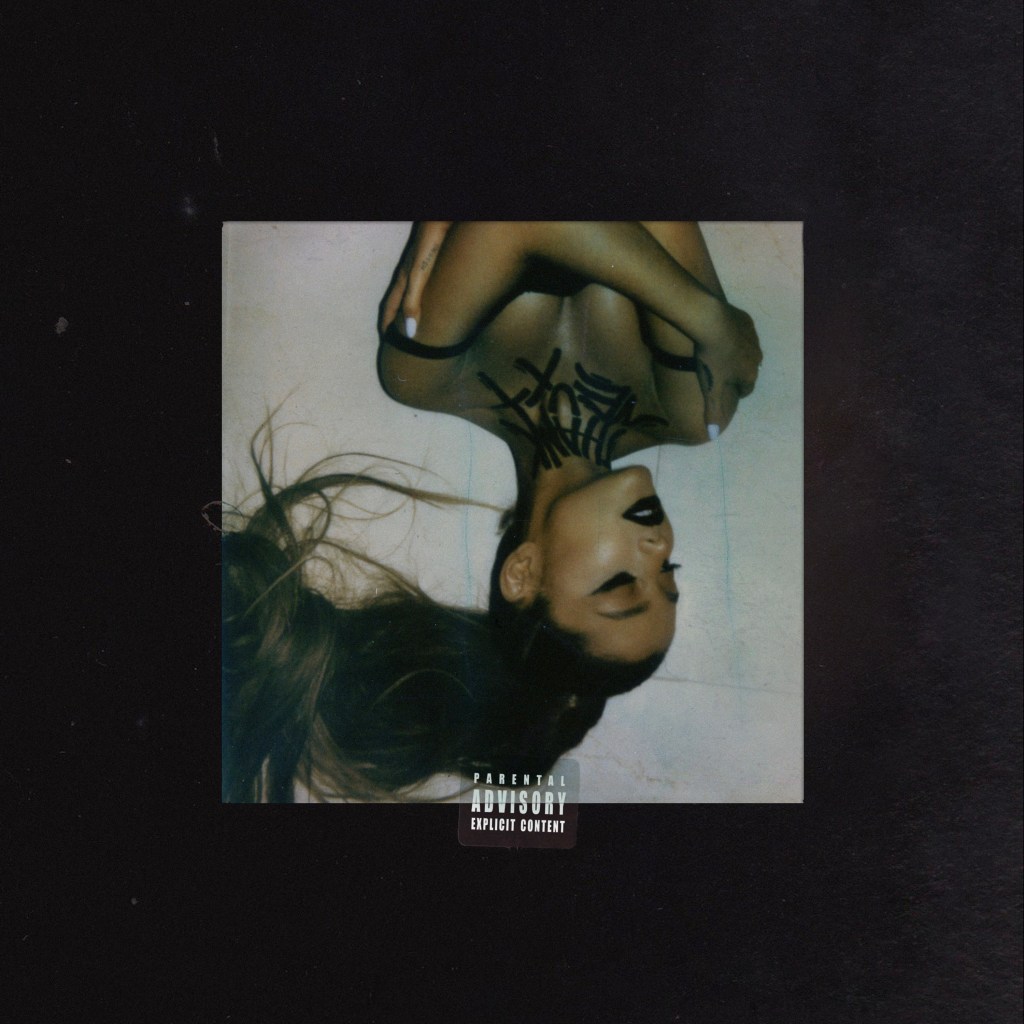 Ariana Grande – thank u, next (Republic, Feb 8)
After that lengthy appeal to the importance of self-based evaluation, what better release to mention first than thank u, next? Ariana Grande’s most recent endeavor is also her most personal, an admirably vulnerable confession of pain, confusion, vice, and love to an unimaginably large audience. From the infectiously catchy and defiantly danceable to the tenderly intimate and crushingly sad, Grande runs the gamut of the complex emotional battlefield she’s struggled to traverse for the past few years. No other release has allowed her to be so unapologetically her, and that directness makes thank u, next something more than just a pop album, something truly special. There’s no other record this year I’ve played as many times; no other record has provided endless drunk dance parties with friends, early morning solitary singalongs on the way to work, cathartic crying sessions in the enveloping darkness. We all owe a big thank you to the biggest star in the world and her amazing ability to make all of us feel like we really know her.
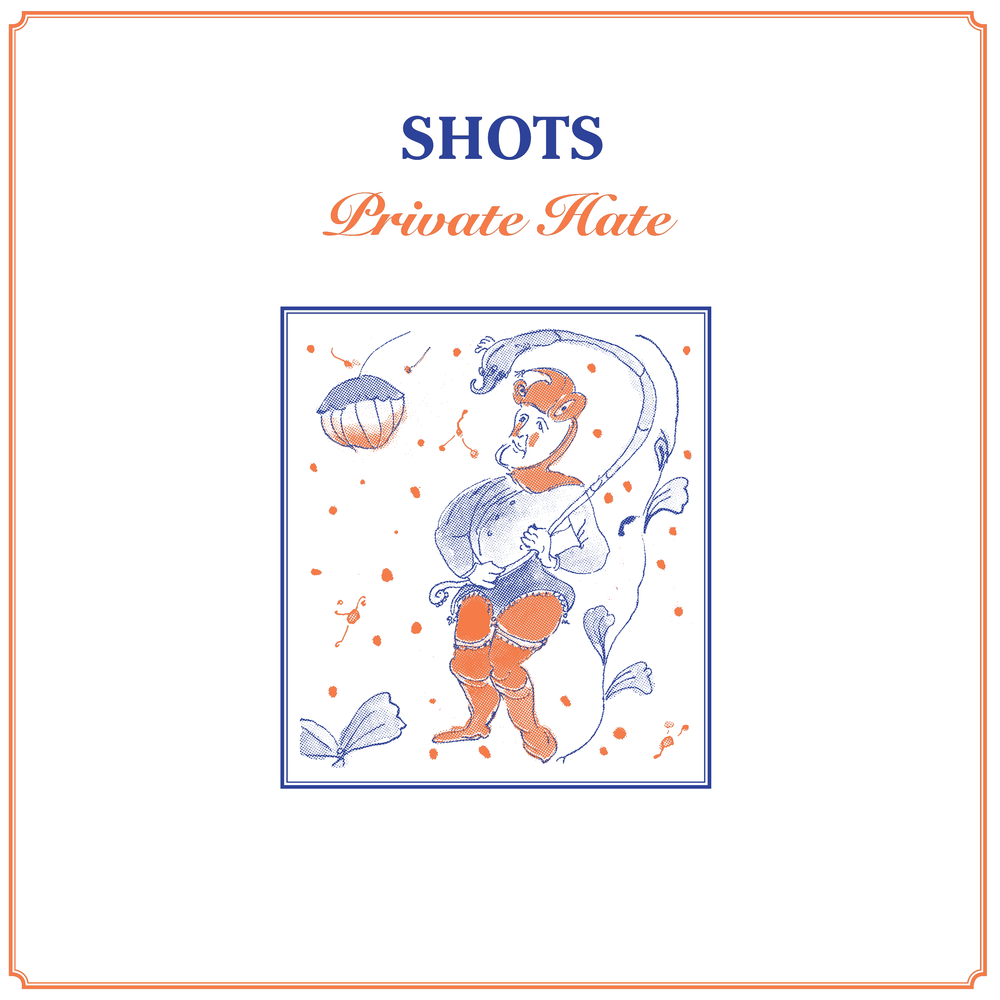 Shots – Private Hate (Careful Catalog, Aug 16)
Sometimes our love for an album is bolstered by the album being a culmination of the artist’s previous work, allowing us to see the cumulative result of the efforts that came before. Private Hate is more than just a culmination of Shots’ unique brand of abstracted sound; it is a statement about sound and how we process it, a simultaneously ambiguous and defiant assertion of how sonic presence functions. Locations are portrayed with obstinate obscurity, paradoxical mixtures of claustro- and agoraphobia jam our spacial senses with irreconcilable impossibility, humanity becomes a confusingly alien intrusion. The listener is never certain which sounds are being produced and which ones are being recorded, but the singular language of Private Hate makes that distinction irrelevant; the elements are simply there, and this remarkable record leads us to recognize, and doubt, the ways in which we cast our own perceptions onto the music we hear. And even absent of the dismaying questions that Private Hate forces us to ask, it’s a stunningly sublime journey through an uncanny auditory landscape. Original review
 Yellow Eyes – Rare Field Ceiling (Gilead Media, Jun 28)
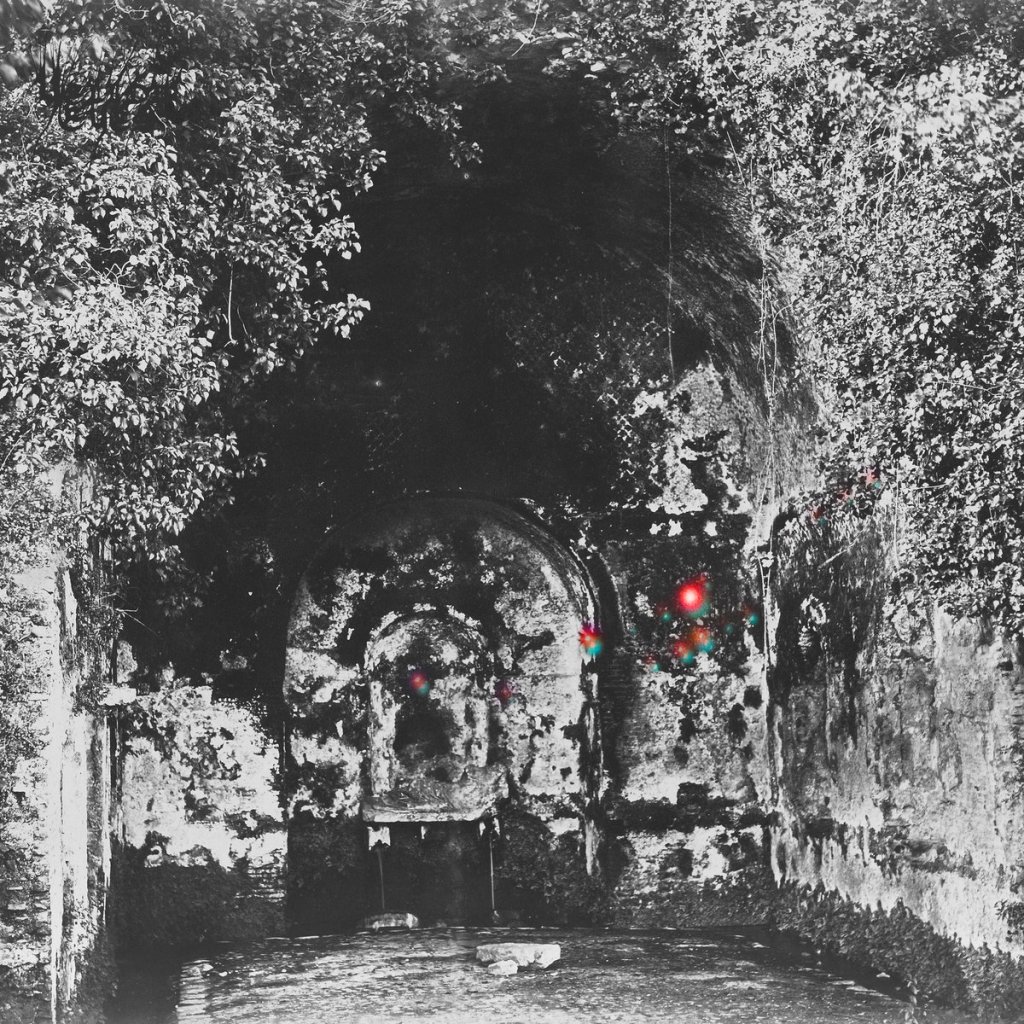
I discovered a veritable graveyard of amazing new black metal this year, but my clear favorite comes from a band I’ve been listening to for many years. I fell in love with USBM legends Yellow Eyes the first time I heard their dusky, dendrophilic masterpiece Sick With Bloom, but after not being very into their next record (2017’s Immersion Trench Reverie) I admittedly wasn’t hotly anticipating their 2019 release. But from the first moments of Rare Field Ceiling it’s immediately clear that you’re listening to something exceptional. Punchy drum onslaughts barrel from the darkness like woodland armies; angular, dissonant riffs curl and meld until they explode in bursts of warm beauty; nocturnal nature recordings and ritualistic samples sew the six tracks together to form an immersive, uninterrupted odyssey. The songwriting is succinct yet sprawling and organic, the cryptic and evocative lyrics are delivered with heart-wrenching passion, and it’s so well paced that by the time its 45 minutes are over you’ll wonder where all the time went. Original review
 Pom Poko – Birthday (Bella Union, Feb 22)
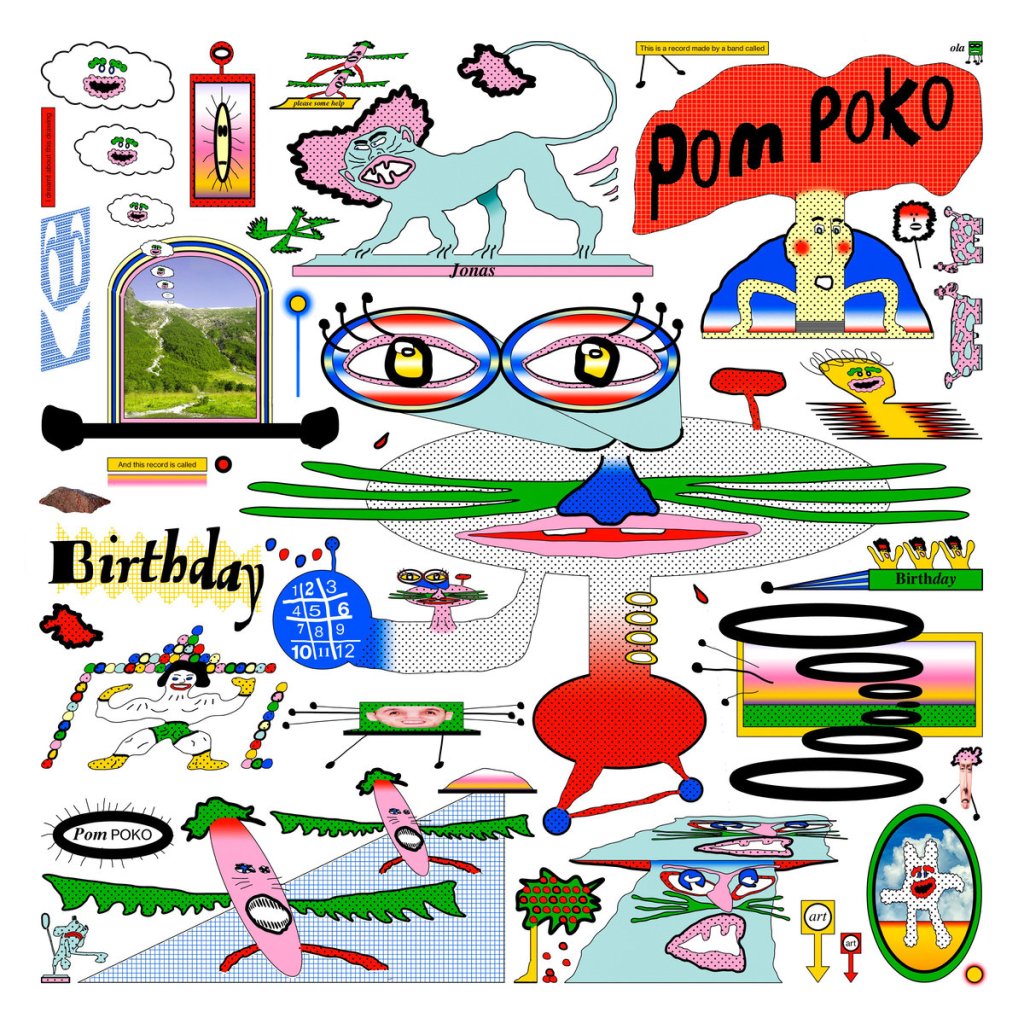
What’s fun music worth if you can’t jam to it with the people you love? Ever since I discovered Oslo indie quartet Pom Poko’s debut LP, it’s been a constant favorite of mine and all my friends’; the “If U Want Me 2 Stay” groove sessions never get old. This promising new band channels a great deal of auspicious influences, from Battles and Deerhoof to Ponytail and Kero Kero Bonito, but their candy-coated chimeric style is consistent and undeniably their own. The album traipses through anthemic choruses, hypnotic rhythmic meditations, achingly beautiful melodic resolutions, and affecting moments of tenderness with a hyperactive approach that’s at once fluid and jarring. Listening to Birthday requires a cessation of seriousness, a willingness to have fun no matter the consequences. As the band themselves instruct, “reduce the testosterone, increase the sugar rush, and get ready for this K-PUNK explosion.”
 Andrea Borghi – VHS (Misanthropic Agenda, May 8)
I’ve now written about Andrea Borghi’s VHS LP three times, and still I feel as though my words do not do it justice. The Italian sound artist had an astonishingly prolific year (see my MVPs of 2019 feature) but VHS was his crowning achievement, a marvelous record that both demonstrates Borghi’s scavenger proclivities and puts his trademark tactility on visceral display. The eight pieces on the LP buzz and hum with crackling electricity, the result of manual experimentation and manipulation of the circuits in several modified open-back VHS recorders, and conjured in the eye of the listener is a sparking, sizzling mass of mad-scientist coils and transistors. But it’s not all mechanical, shifting synthetics; Borghi tempers his jittery voltage collages with dusty samples snatched from actual VHS tapes, brushing hiss-caked swaths of muffled humanity across the lush fields of sputtering electronics. Original review
 Triple Negative – Precious Waste in Our Wake (Penultimate Press, May 16)
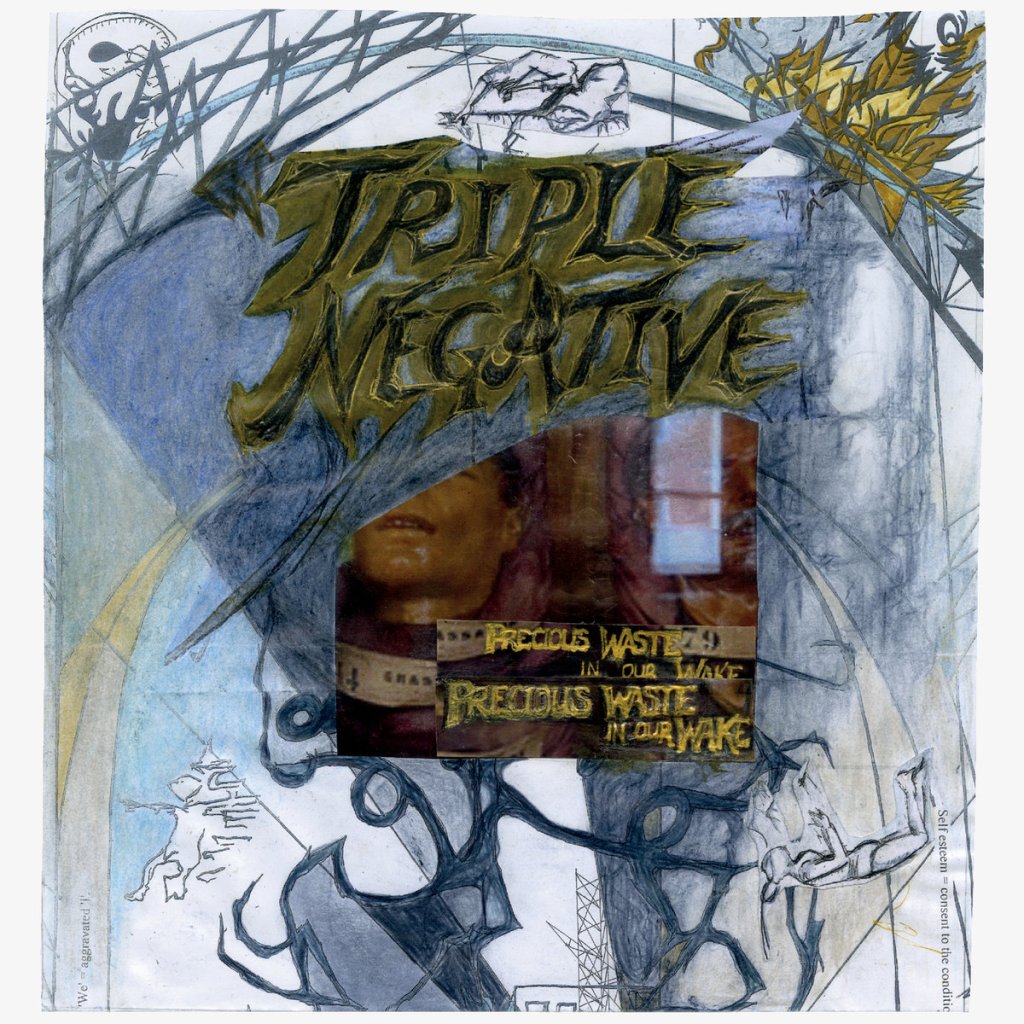
Multinational London trio Triple Negative first announced their existence with the TOWERS, OPEN, FIRE / Looking for Business 7″, but the true power of their enrapturing approach to rock music is realized on Precious Waste in Our Wake. The six rambling pieces sculpt themselves from a seething primordial stew of post-punk, hypnotic tribal headspace, and delirious drugged-out studio experimentation in the vein of Twin Infinitives, ambling along at an unhurried pace with impossibly loose rhythmic structure. At face value, revolutionary excursions like “Destroyer / Under the Void” and “Living Dirt Living / Silverplated Waste” are completely befuddling, prickly slabs of abstract sound grounded by the smallest amount of convention, but Triple Negative crafts such an immersive and inviting atmosphere that it’s not at all difficult to lose yourself completely in their skittering dins. Precious Waste in Our Wake is an exciting and gleefully subversive deconstruction of rock music for the modern age.
 Duncan Harrison – Nothing’s Good (Index Clean, Feb 16)
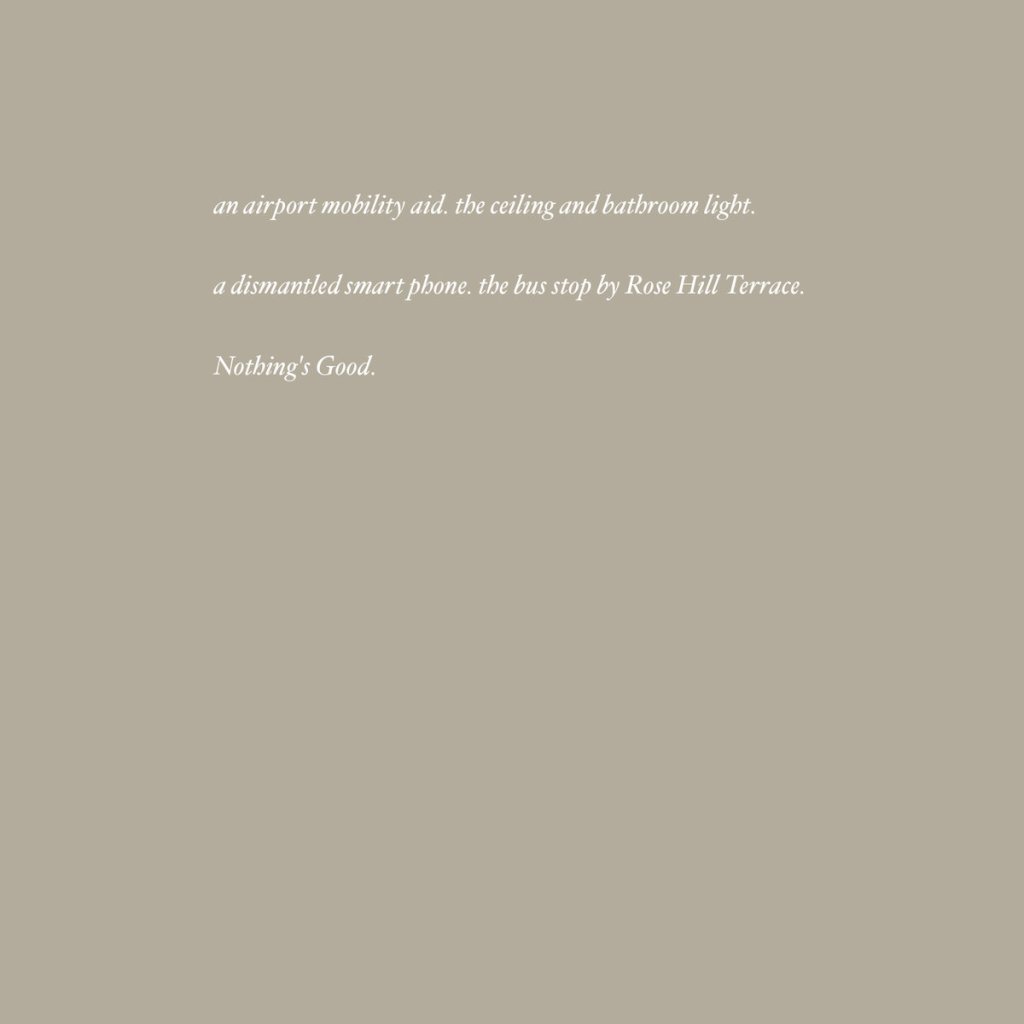
Poetry is not always just about words. For some, poems are less of a defined literary genre and more of a form of expression that transcends a specific medium. Unlike some of Duncan Harrison’s previous works, much of Nothing’s Good makes use of the Brighton artist’s voice only sparingly, either in brief, bizarre snatches or as heavily manipulated textural elements, but the short CD is most effectively appreciable as poetry, an intimate, earthy tapestry of evocative sound woven from disparate elements. Harrison melds ghostly tape recordings, stuttering loops, fragmented junk cacophony, mysterious spoken mantras, and other oddities into fascinating, rough-edged collages whose message is not always known but never not felt. To listen to Nothing’s Good is to step into a startling and surreal world where nothing is permanent or predictable; the unassuming clatter that begins “Are You Angry?” cannot prepare you for the cut-up madness of “A Good Night,” whose aggressively heterogeneous form collapses in an assaulting squall of dying electronics, and that in turn gives no indication of the pregnant negative space that lurks between the lines of “Its Blinking Torture.”
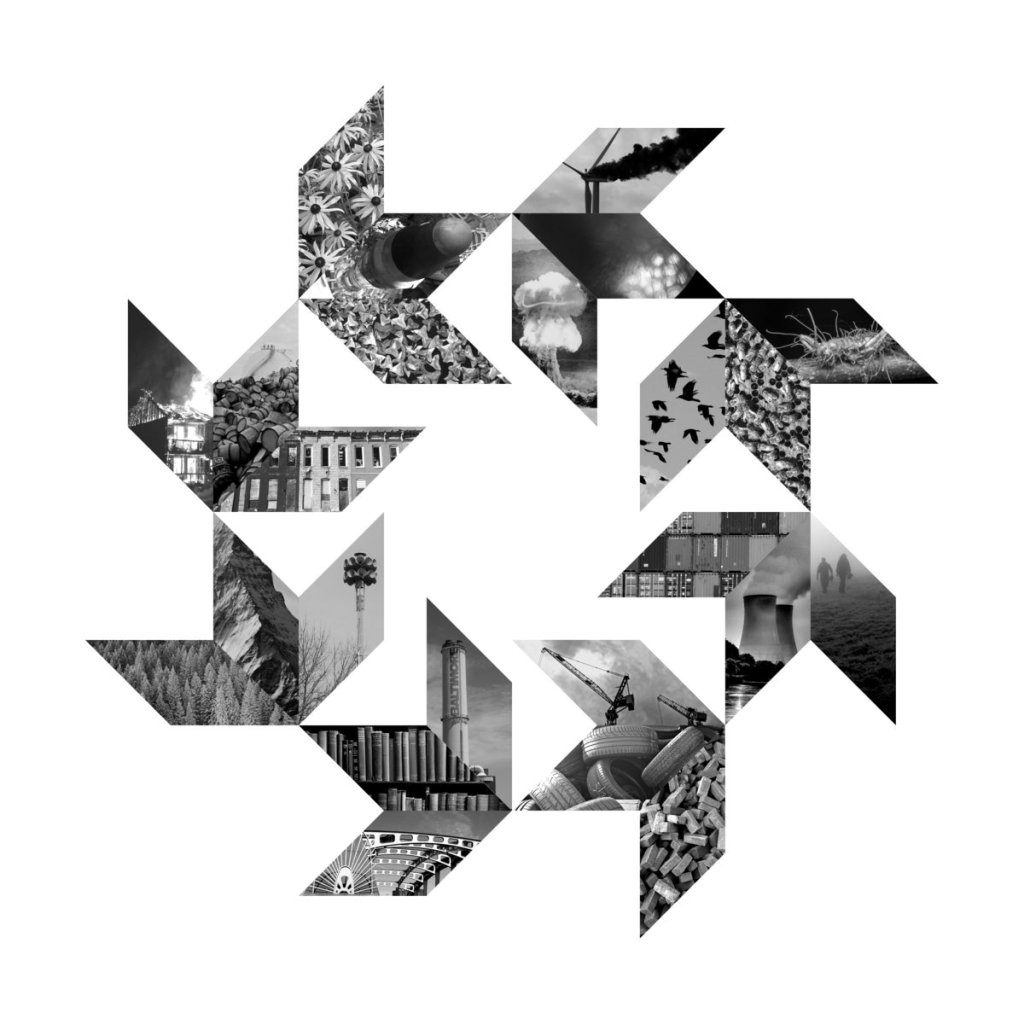 The Wind in the Trees – A Gift of Bricks from the Sky (self-released, Feb 19)
Rising from the ashes of several portentously adventurous hardcore bands, the new Baltimore-based band The Wind in the Trees takes no prisoners with their sharp-edged, eviscerating mathgrind intricacies. A Gift of Bricks from the Sky is no noisecore-indebted blast of dizzying, bite-sized impenetrable chaos; stretching out the dense masses of technical riffs and imbuing the punkier sections with a fist-pumping energy is a palpable emotional hardcore influence that makes the album even more addicting. There are no official instrumental credits for the release, but every participant lends an essential facet to the maelstrom, and the plentiful supply of crushing unison hits and forceful rhythmic repetition makes A Gift of Bricks one of the tightest metallic hardcore endeavors I’ve heard in a long time. The superb lyrics add another important dimension to the proceedings; conveyed with both jagged, high-pitched shrieks and low guttural growls are nightmarish, violent images and cryptically communicated feelings of agony and despair that couldn’t be a better fit for the intense music they accompany. Due to “Blinding Miscalculations” alone, one of the year’s most superb closing tracks, A Gift of Bricks is sure to become a modern classic. Original review
 Mosquitoes – Vortex Veering Back to Venus (Feeding Tube, Sep 27)
I, as well as many others, can confidently call Mosquitoes one of the most exciting bands active today. Since their first 7″ in 2016 the UK trio has reverently refined their dark, moody masses of no wave skronk and meticulously crafted atmosphere into something truly amazing. Drip Water Hollow Out Stone was an easy choice for my top ten in 2018, but this year’s miraculous Vortex Veering Back to Venus documents Mosquitoes at their most ambitious and singular. Spectral yet weighty bass tumbles form dark clouds of steam that fog up the glass; shivering, shattered drum work casts an illusion of structure as its sporadic throbs and rattles plant miniature anchors amidst the current; piercing guitar scrapes and nonsensical, partially formed speech trade space in the unclaimed territory of the higher register. Tracks like “VR” and the almost tear-jerkingly sublime “VS” are some of the band’s furthest steps into the abstract, resulting in claustrophobic chunks of languid nocturnal clamor whose blanketing forms are both oppressive and comforting. Original review
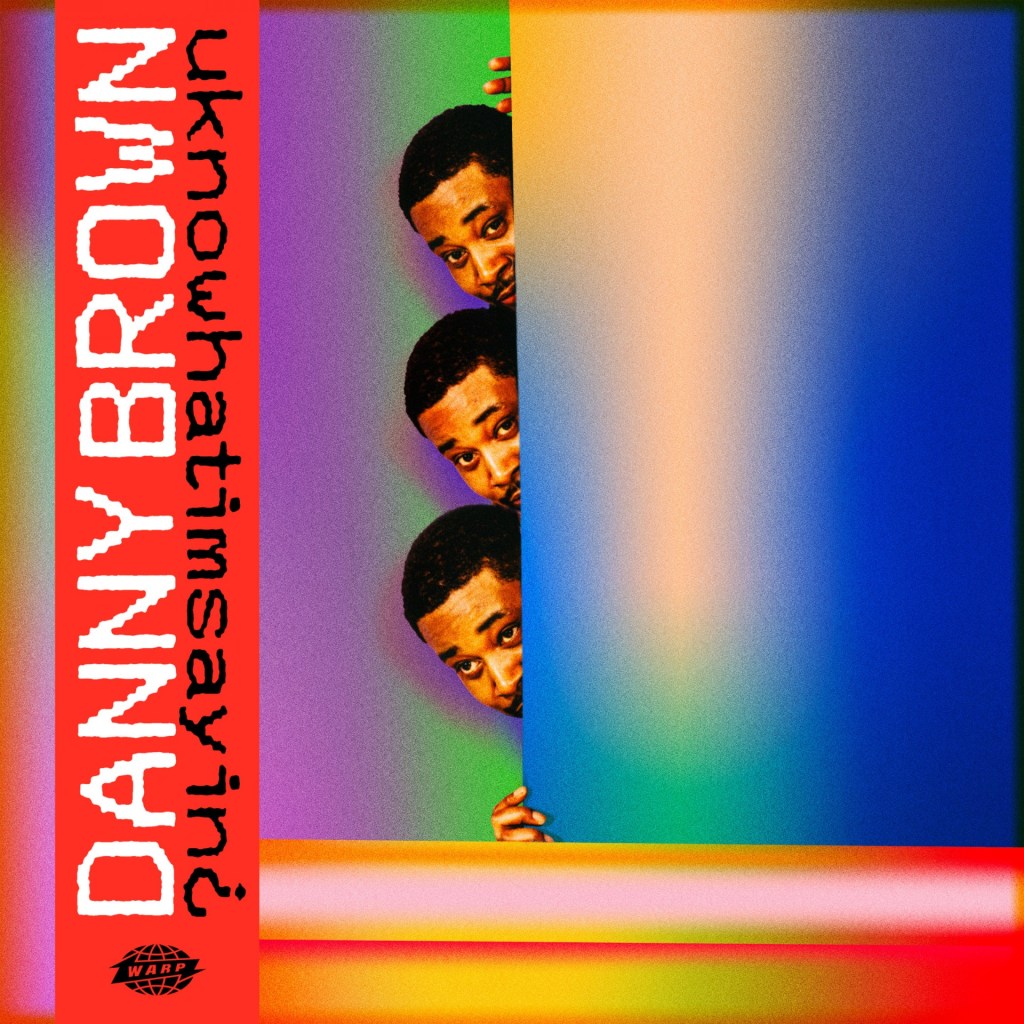 Danny Brown – uknowhatimsayin¿ (Warp, Oct 4)
Lots of people have a fervent appreciation for brevity (try to complain to Jon Chang about how a Gridlink album shouldn’t cost the same as an “actual LP” and he’ll be sure to convey his), but it takes skill to pull it off, especially when it’s not something you’ve attempted before. We’ve been waiting for new music from Detroit artist Danny Brown since his 2016 opus Atrocity Exhibition, the ambitious record that won him acclaim and appreciation from a wide range of music listeners, and 2019 was finally the year with the early October release of uknowhatimsayin¿. Running only 33 minutes and finding its footing with (cautious) optimism, bright colors, and earwormy boom bap beats, it’s quite an interesting response to the fractured delirium of its predecessor. Though his past albums have all been of sizeable length, Brown thrives within the shorter format, delivering his interlocking rhyme schemes and unending love for cunnilingus over production that’s both cozy and pleasingly abstract. As always, features are utilized with masterful insight; Run the Jewels’ loudmouthed bluster makes the dissonant horn stomp of “3 Tearz” even more percussive, Obangjayar makes “Belly of the Beast” the album’s most beautiful song with his arresting croons, JPEGMAFIA delivers a hilariously out of tune yet impossibly catchy hook to accompany his production on “Negro Spiritual,” and Dev Hynes (Blood Orange) adds some soul with his dreamy contributions to “Shine.” And if that’s not already enough, uknowhatimsayin¿ ends with one of Brown’s best songs yet, “Combat,” which combines an addicting instrumental with some of the finest punchline rap I’ve heard in a good while.
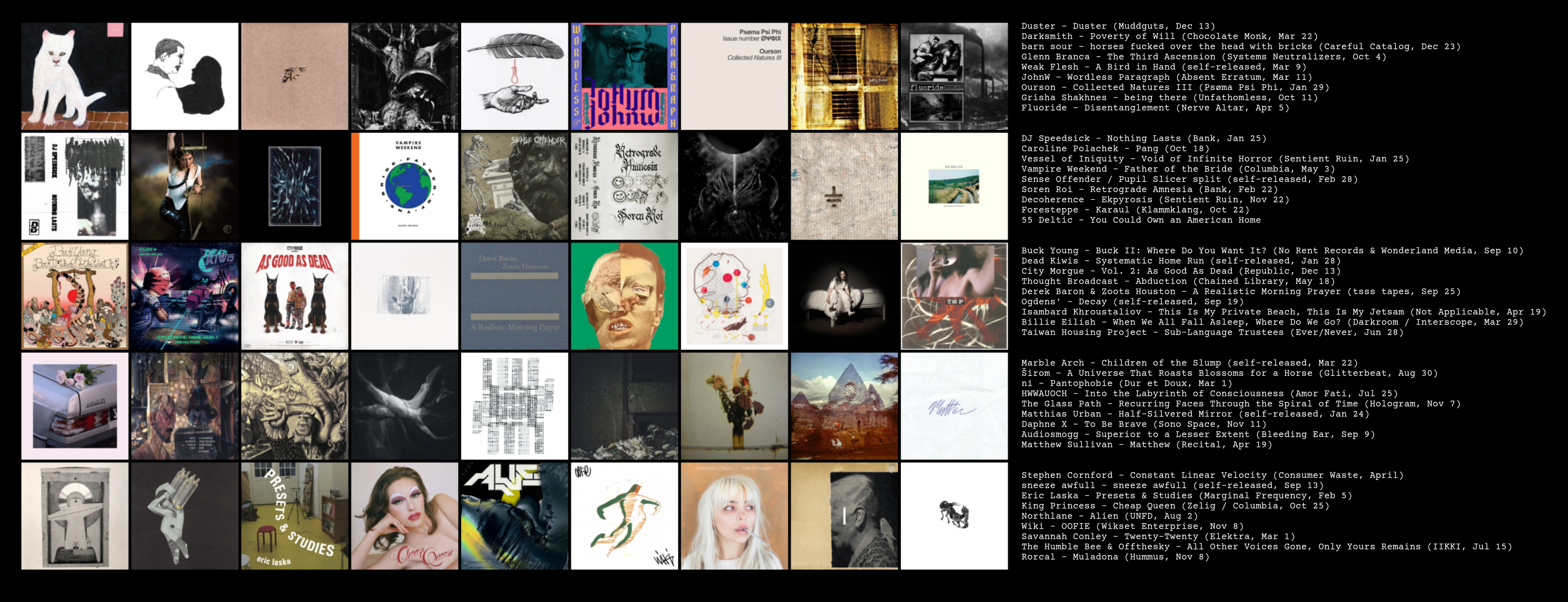
Honorable Mentions Chart
 Noise Not Music