Happy New Year. Thanks so much to anyone who reads, follows, likes, comments, submits, chats, et cetera et cetera. I love you all and wish you the best of the best. I am so much busier now than I once was, but I always make as much time for Noise Not Music as I can because it brings me, and hopefully you, some modicum of happiness, which is so crucial these days. Please keep listening, reading, and learning with me in 2024.
Note: No honorable mentions this time, sorry. Trying to get those formatted correctly has disastrous consequences for my mental health. If you want to see what else I dug this year, check out my Rate Your Music.
Olivia Rodrigo – GUTS (Geffen, Sep 8)

To many of you this will come as no surprise. But at first, much like SOUR before it, GUTS didn’t make the most significant impression on me the first few times through. The best part about Rodrigo’s music is that the more you listen to it, the better it gets. Now, deep in the winter months, every single song on this impeccably crafted LP hits like a truck as new layers are revealed, new emotions are piqued. There’s a much better flow to the tracklist than its predecessor had, the slow numbers timed just right amidst the generally high energy level, and in fact the best moments of all are when Rodrigo combines her predilections for aughts-indebted electric teen rock and delicate balladry: “Making the Bed”, “Pretty Isn’t Pretty.” Lyrically it’s messy and melodramatic but in a way that pop is sorely missing these days; Rodrigo continues to dig deep into her insecurities and, for better or worse, sings from what she feels rather than what she knows to be true (which makes “Ballad of a Homeschooled Girl” one of the most unforgettable songs).
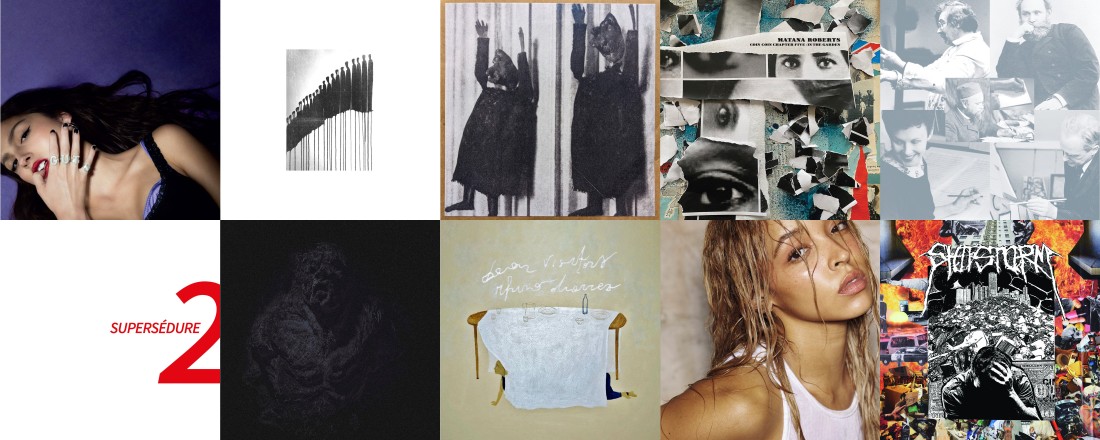
It topped my mid-year list and my opinion has not changed since then. The Gray in Between is hands down my favorite thing Jeromes Dream has done in all 25+ years of existence and one of the most compulsively replayable albums of the year. It has a distinct, committed sound that it’s impossible to get enough of: “Conversations: In Time, on Mute” and the razor-edge catharsis of its powerful bridge section begs to be looped; the crushing, faintly major-key 3/4 drive of “The Future of Memory” works its way into your bones; the creeping hints of resolution that tantalize throughout “The Last Water Pearl” taper off into an uncertain end. The tone and production choices are deliberate (and good) enough that the stylistic homogeneity never wears; I have little doubt I’ll still be playing this five years on.
Gemengung – Ruins of Convenience (Mechanical Presence, Aug 20)
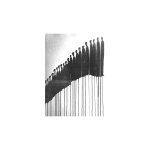
I wrote in the previous list about the misconception that good noise, especially good harsh noise, is easy to make. I’ll admit that, at least for a while, it was an I-know-it-when-I-hear-it thing, and that’s why I’m grateful for examples like Ruins of Convenience: of such high quality that when blasted at max volume any ears can appreciate the creativity and talent at work (even if those ears are being covered as their owner begs for mercy). Gemengung has consistently captivated with excellent tapes such as The Indifference of Nature and Forced Collapse, but this cardboard-sleeved CD-R released by Jersey’s Mechanical Presence Records is arguably his first album, a perfectly paced set of nine tracks that are both more active and more focused than anything before, fusing scrap-metal agility with a burning undercurrent of heavy electronics. “Trill” is one of the best things I’ve ever heard; one particular moment is a borderline religious experience.

The Coin Coin series has already proven to be an incredible work of art, even though it hasn’t even reached the halfway point of its promised twelve installments. Each entry expands upon that which came before, bringing in new elements and delving into different histories, spreading new ink across Roberts’ sprawling sonic map. Their virtuosic storytelling anchors In the Garden…, the emotional heights and depths channeled into transcendent free sections unified by some of their most evocative sax playing yet (incendiary in “Predestined Confessions”, pensive in “A Caged Dance”) while insight into the central character is set against backdrops as diverse as propulsive jazz-rock, uneasy electronics, and choral hymns. As usual, Roberts executes effortlessly their dual role as bandleader and worldbuilder.
Guido Gamboa – Left-Handed Club (XYZ Editions, Dec 10)

Originating from a broadcast commissioned by the Viennese radio program KUNSTRADIO (which comprises the first of the CD’s two tracks), veteran sound artist Guido Gamboa’s Left-Handed Club is an ambitious and enthralling suite that blurs compendium and collage, interview and interpretation into “a new collective voice.” Featuring the words—transformed by varying levels of digital interference/deconstruction—of left-handed artists across all genres, media, and time periods, both “Left-Handed Club” and its “Addendum” capitalize on the processing methodology Gamboa has been honing over the years in both research-based explorations (Music for Tape and Spectral/Granular Processes) and more thematic assimilations (2018, A Droll). It doesn’t take long for the abstraction to start making sense, for connections to form, ideas to recur…
Éric La Casa & Seijiro Murayama – Supersédure 2 (Swarming, Nov 21)
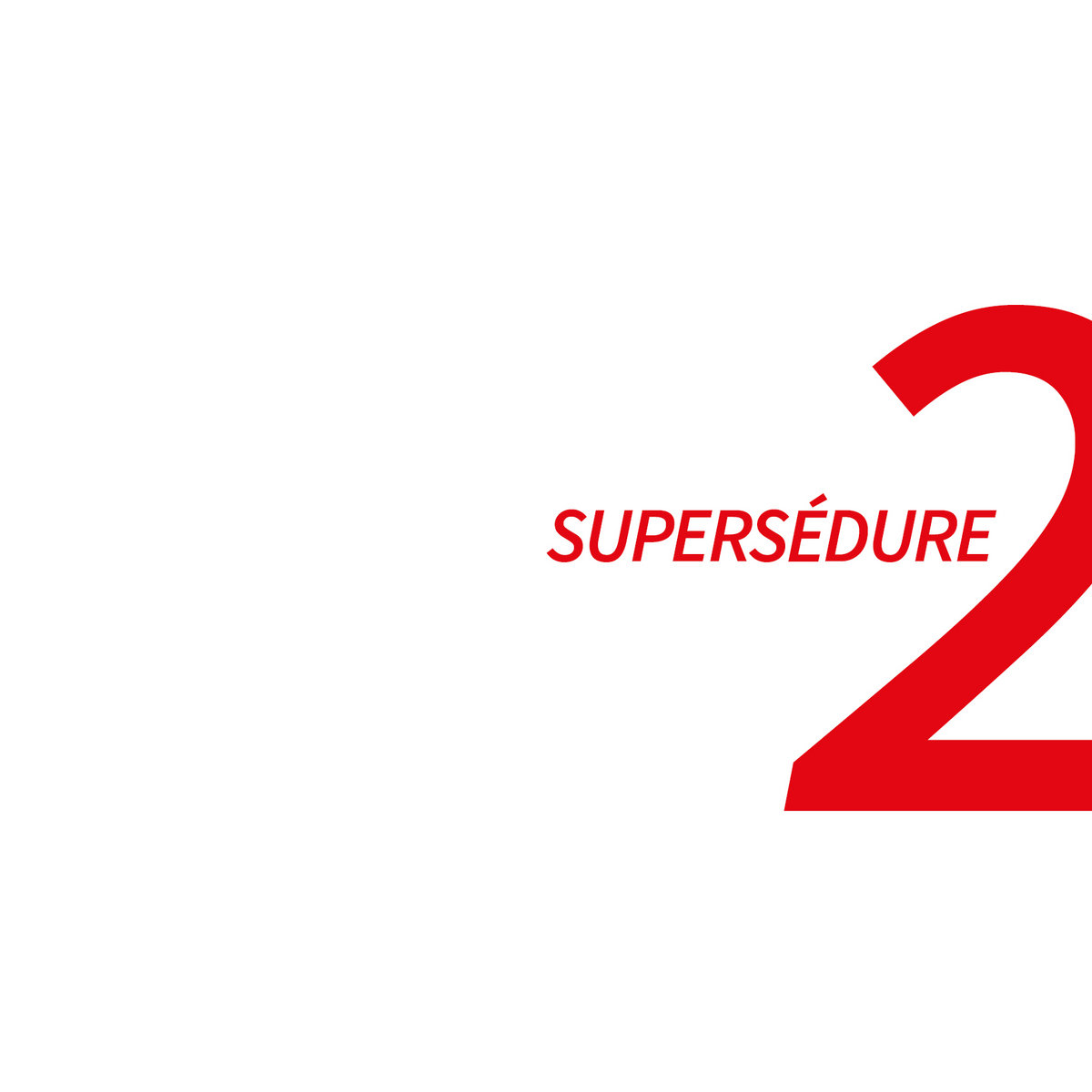
I’ve been happy to see many others finding the same joy in Supersédure 2 that I do (and also because it definitely deserves the acclaim). It’s one of those rare albums that reminds you why you fell in love with this stuff in the first place, that difficult, inauspicious beauty is often the best kind. La Casa and Marayama each have extensive and impressive discographies, but this specific duo with its compelling symbiotic approach is easily my favorite project of either artist. Supersédure 2 is such a good sequel to the original release because it doesn’t actually concern itself much with being a sequel, instead simply charting new territory in this mostly familiar, occasionally uncanny dimension where observation, improvisation, and composition meet. Original review
What a silly thought—that a lighter, more gentle production approach would make a HWWAUOCH record any less terrifying. In “Thou Shalt Not Exist,” the first track on the enigmatic entity’s fourth full-length Under the Gaze of Dissolution, warmer guitar work and clearer drums evoke a kind of sickly ecstasy as the vocals wail what could either be nonsense or the primordial truth of the dark, meaningless cosmos in typically disturbing fashion. This current of deranged joy runs through all 38 harrowing minutes, anchored by agile, Lake-esque bass runs (which are also more audible than ever) and a relentless plodding pace. Highlights include double-tracked tritone leads dueling with tortured shrieks on “Anthrophobia”, corrupted opera moans dissolving into ravaged yelps atop furious blasting on “Echoes from a Thousand Dying Worlds”, etc.
Rhino Diaries – Dear Visitors (Ghost City Collective, Jul 3)
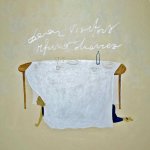
I haven’t been able to find much information about Rhino Diaries beyond the basics: Pordenone-based, duo project of Accotica and Zinaida James. But when the music is this good I can weather a little mystery, especially when the songs seem to belong to the shadows of ambiguity anyway. Dear Visitors draws its infectious atmosphere from both heavy, well-mastered instrumentals (full of crushing post-industrial downbeats and halting, dissonant earworms) and the effects-laden vocals, which range from soft croons to dying robot gasps, never breaking out of a deadened apathy that makes this short sophomore release sound utterly apocalyptic, even in its tenderest moments.
Tinashe – BB/ANG3L (Nice Life, Sep 8)

Even though “Treason” is probably the best opener I’ve heard this year, it took a while for BB/ANG3L to grow on me as much as it has, which I think is my fault; for how light and breezy these songs are, their full essences demand a lot more attention than a few cursory listens provide. The production drives the momentum while Tinashe’s voice lulls it, either tempering busy garage trills and trembles (“Talk to Me Nice”, “Tightrope”) or clinging to the very back of the beat to give a more straightforward instrumental double the snap (“Needs”, “Uh Huh”). Though thoroughly nocturnal, the twenty-minute album is good at any time of day, with tunes like “Gravity” opening up a portal to neon-bathed night.
Shitstorm – Only in Dade (ALT MIA / Malokul, Jun 1)
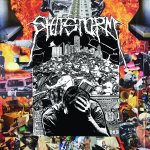 From what I understand they’ve been around since 2006, and yet Miami-based four-piece Shitstorm are just now releasing their debut studio album in 2023. Was it worth the wait? Absolutely—Only in Dade delivers a much-needed adrenaline shot to contemporary grind, ripping through 27 tracks in less than ten minutes in a bass-heavy register that makes each one feel like a jackhammer held flush against your skull. These are no improvised shitcore cuts either; each is tautly composed and carefully sequenced in the track order for maximum punishment. Not even clearing twenty seconds, “Slumlord” and “Bloodclot” are more rewarding and memorable than many songs I’ve heard that are three times that length. The album cover is great, but an alternate choice could’ve been a photo of the drummer’s snare after the recording session—would be just as violent and chaotic.

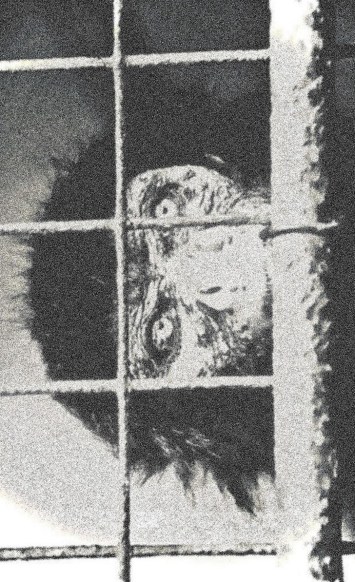 The jailer flinches when the prisoner slams against the steel, reaches through the gaps in the bars, howls and harangues. But the true terror sets in when they hear the cell’s occupant begins to move quietly, methodically: “They walked in a space even smaller than the confines of the cages made necessary, moving in an area just barely the length of their bodies. A few steps up and turn. A few steps down and turn.” A plan is in motion—one antithetical to the jailer’s wellbeing. Pacing Animal captures that steady seethe of pooling resentment and righteousness on their self-titled debut tape, wrangling heavily distorted textures that writhe and rattle with the patient fury that only a cage can create. There is no fancy digital hardware within these unforgiving confines, only a latrine that’s always overflowing and a filthy food bowl that’s never full; the new Hudson Valley project restricts their palette to the warm-blooded roar of a ragtag analog chain, riding dense torrents of rumbling heavy electronics intermittently gouged by pained yelps of feedback. At time the sound resembles a disintegrating diesel engine, at others an foundation-shaking quake—always brazen and brutal. Slow-burn harsh noise that does not hesitate, but rather bides it time, waiting for the perfect moment to strike.













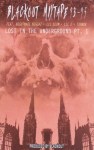
 It’s only through retrospection that certain individuals stand out amidst the bustling improvised music renaissance that was the early 2000s, and by now there’s no doubt that Joel Stern is one of these. From his sublime duo collaborations with Anthony Guerra to the eternal impact of Sunshine Has Blown, few artists juggled technical innovation and emotional resonance with the same ease or intensity. Glasgow 2001 captures a rare solo performance with an approach drawn from Stern’s interest in both field recordings as a compositional ingredient and gestural tabletop improvisation, humbly facilitated using minidiscs and binaural microphones.
 Seeing


 Noise Not Music