
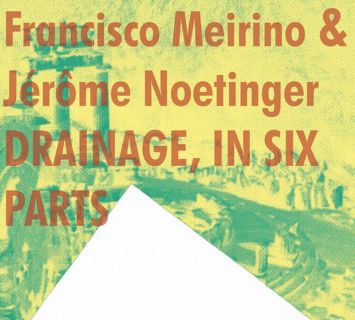
 Neither of these decorated artists need any introduction, and neither does Drainage, as it turns out; part one immediately kicks things off with a web of supercharged concrète that consistently highlights both Meirino’s trademark intensity and Noetinger’s virtuosic tape technique. This isn’t the first time they’ve worked together—back in 2012, Noetinger commissioned “Techniques of Self-Destruction” for that year’s l’Audible Festival in Paris, and then much more recently the two contributed remixes to the Lingua Corrente Reworks tape compilation and released a 2020 trio live recording with Antoine Chessex as Maiandros—but it is their first duo meeting, and thus the stamp of quality ensured by each is doubled up. Those same stamps guarantee that this won’t sound quite like anything either artist has done so far, because from Additive Manufacturing and The Blind Match to Genève / Paris and La Cave des Etendards, both allow for their approaches and ideas to be shaped by their collaborator in order to generate the most singular results possible. This is absolutely the case here; Drainage operates via a musical language built from scratch, one that mobilizes processed glitches, emf interference, and other razor-sharp microsounds in a sonic sandstorm beset by lengthier samples and field recordings. Though the overall sound is a futuristic one, made possible by the more than sixty years concrete music has existed, plenty of homage is paid to the deepest roots of the tradition: fleeting theatrical audiodramas in part three, the barrage of Henry-esque creaking wood at the end of part five. The level of detail and totality of vision at work here are a wonder to behold.
Review: Farrah Faucet – Pain Body (Cleaner Tapes, Jul 7)
 The Cleaner Tapes roster continues to expand with the best of both old and new names in queer noise and industrial music. Pain Body is only the Pittsburgh-based Rain Matheke’s second tape as Farrah Faucet, the first one being Depression Body on Summer Interlude earlier this year, but the artist already displays a mastery of the power electronics fundamentals that is head and shoulders above most stuff out there, as well as plenty of singular twists that make the material fresh, exciting, and as brutal as possible. Embracing a harsh-indebted palette for the instrumentals along with a wide-ranging assortment of samples and live vocal attack, Matheke also very much takes cues from genre titans like Straight Panic in structure (that full-frontal blast after the muffled, muttered speech intro in “Lungless” is flawlessly executed) and Interracial Sex in texture, how the sounds are immensely heavy and yet seem to always be decomposing (the run of “Venom” through “Receding” makes this tape essential listening for fellow fans). But I can also confidently I’ve never heard a PE album quite like this, nor one that tackles these same topics of bodily pain, discomfort, and trauma with such depth and panache. From its uncanny, saliva-soaked lyrical delirium to the cathartic noise crescendo that swells like irritated gum tissue throughout, “Flinching” encapsulates it all in a succinct nine minutes, slathering an atmosphere that is as enthralling as it is revolting. “…I’m thinking about rot on a microscopic level.”
Mix: US Walled Harsh Heavylution
A humble historical inquiry.
00:00. Dog as Master – B side [excerpt] of Trompeur et Sournois (Cause and Effect, 1985)
01:07. PBK – first untitled track from ¡Asesino! (PBK Recordings, 1988)
07:26. Hands To – “Mastic” from Scrine (Harsh Reality, 1988)
11:48. El Angel Exterminador – “Provenance in Pencil” [excerpt] from Sic Transit Gloria Suez Tuesday (Industrial Therapy Unit, 1988)
19:02. Unit M – B side [excerpt] from Unit-M (Mother Savage, 1994)
25:01. David Gilden – first untitled track [excerpt] from Depress-Regress (Slaughter Productions, 1996)
29:42. Nurse Unit – “The Only Child” [excerpt] from The Only Child (self-released, 1996)
31:51. 666 Volt Battery Noise – “Blunt Objects vs. Sharp Things” [excerpt] from Blunt Objects vs. Sharp Things (Mother Savage, 1996)
39:30. Stimbox – “Cerebral Vortex” [excerpt] from Meltdown (Spite, 1997)
41:45. T.E.F. – B side [excerpt] of Tokyo Eternal Folly (self-released, 1998)
48:43. Lefthandeddecision – “Continual Inescapable” from Instinct & Emotion (Crionic Mind, 2000)
53:33. Black Sand Desert & Clew of Theseus – “Through Chains” [excerpt] from Obelisk (Cathartic Process, 2002)
57:45. Roman Torment – “Shades of Pain” [excerpt] from Masculine Failure (Hospital Productions, 2006)
61:52. Ascites – “Fluid Thrill” [excerpt] from Fluid Excess (Fonofobi, 2009)
66:05. Extreme Chafing – “Erythema Gyratum Repens” from Erythema (Blistered Mind, 2012)
73:05. Stalagmite Repression – “Carlisle Indian Industrial School” [excerpt] from Cave Drawings (Submersive, 2015)
77:43. Heat Signature – “If It’s Warm, Shoot” from Disguised Human Presence (self-released, 2016)
84:23. Unexamine – second untitled track from Deserts Dog Our Heels (Oxen, 2017)
88:37. Gemengung – “Forget About Your Wings” [excerpt] from Forced Collapse (AAD, 2022)
93:59. Total Sweetheart – “Early to Bed” [excerpt] from Early to Bed (Dada Drumming, 2022)
Review: Bryan Day & Dereck Higgins – Woven Territories (Public Eyesore, Jul 7)
 It is not up for debate that Bryan Day is very good at what he does—nor that he is the only one who even can. Not only does he scratch-build novel sound sculptures that function as both musical and visual artwork, but many of them are also fully usable instruments as well, harnessed by the same hands that cobbled them together in amazing displays of improvisational dexterity (check out this video of him playing with Jay Kreimer as Seeded Plain a few years ago). That dexterity also allows for transposition to a variety of contexts, something explored on other collaborative efforts on eh?, Eyesore, and elsewhere over the years, a recent gem being 2021’s Crooked Doppler with Seymour Glass on Tanzprocesz. Like that tape, Woven Territories dissolves any boundaries between performance, observation, and processing, making it difficult—irrelevant—to tell who’s doing what. Is this a field recording of the same space in which these machines are trundling, or is it cut-and-paste? Is that the sound of a contact mic’d vibrating surface or the growl of an old tractor engine? Any answers I spitball tend toward the imagistic because of how vivid these surreal vignettes are, painstakingly painted in all the right colors. I am a big fan of the unwieldy motifs that show up in the lengthy sketches like accidental inkblots: short synth ditties like train station announcement tones; sweeping, gauzy swirls of loosely spooled tape blur.
Review: Bulk Carrier – Derbyshire (Turgid Vermin, Jun 30)
 As Bulk Carrier tapes pile up on my shelf like shipping containers on a brine-streaked deck, one has to wonder if such an aesthetically laser-focused project dedicated (recently at least) to decommissioned vessels will itself ever run aground. And then you actually turn on the deck and listen to the latest slabs—in this case, the two sides of Derbyshire—and remember what a load of bilge those doubts are. There is not and has not ever been anyone else whose walls sound like this, slow and hulking with a hard-to-define lifelessness to it all, the dirge of a dead ship slogging. This last quality dominates both Derbyshire and May’s Ojibway, each playing like even more of a eulogy than usual. While the latter carrier was only just taken out of service in 2022, the MV Derbyshire was lost to the maw of the northern Pacific more than four decades ago in 1980, and accordingly the two tracks that comprise the tape seem to yawn from the very depths of the ocean itself, the highs minced to shreds by ruthless pressure and the lows groaning at a register that sounds more tectonic than human-made. Stagnance is the clear structural backbone, but there are always very intentional cracks in the hull that keep things interesting and unpredictable. A watery grave has never been more appealing.
List: Favorites from the First Half of 2023
I didn’t do one of these last year because at the time I was trying to navigate how to continue NNM under the new submission policy. That’s still true—I’m sure you’ve noticed I don’t post nearly as often as I once did—but everyone has been really great about supporting me and the site with some truly amazing submissions. Though still in early stages, digital hosting alternatives like Artcore and Formaviva are promising next steps.
Anyway, here’s everything I’ve loved from the past six months. Love y’all.
Jeromes Dream – The Gray in Between (Iodine Recordings, May 5)
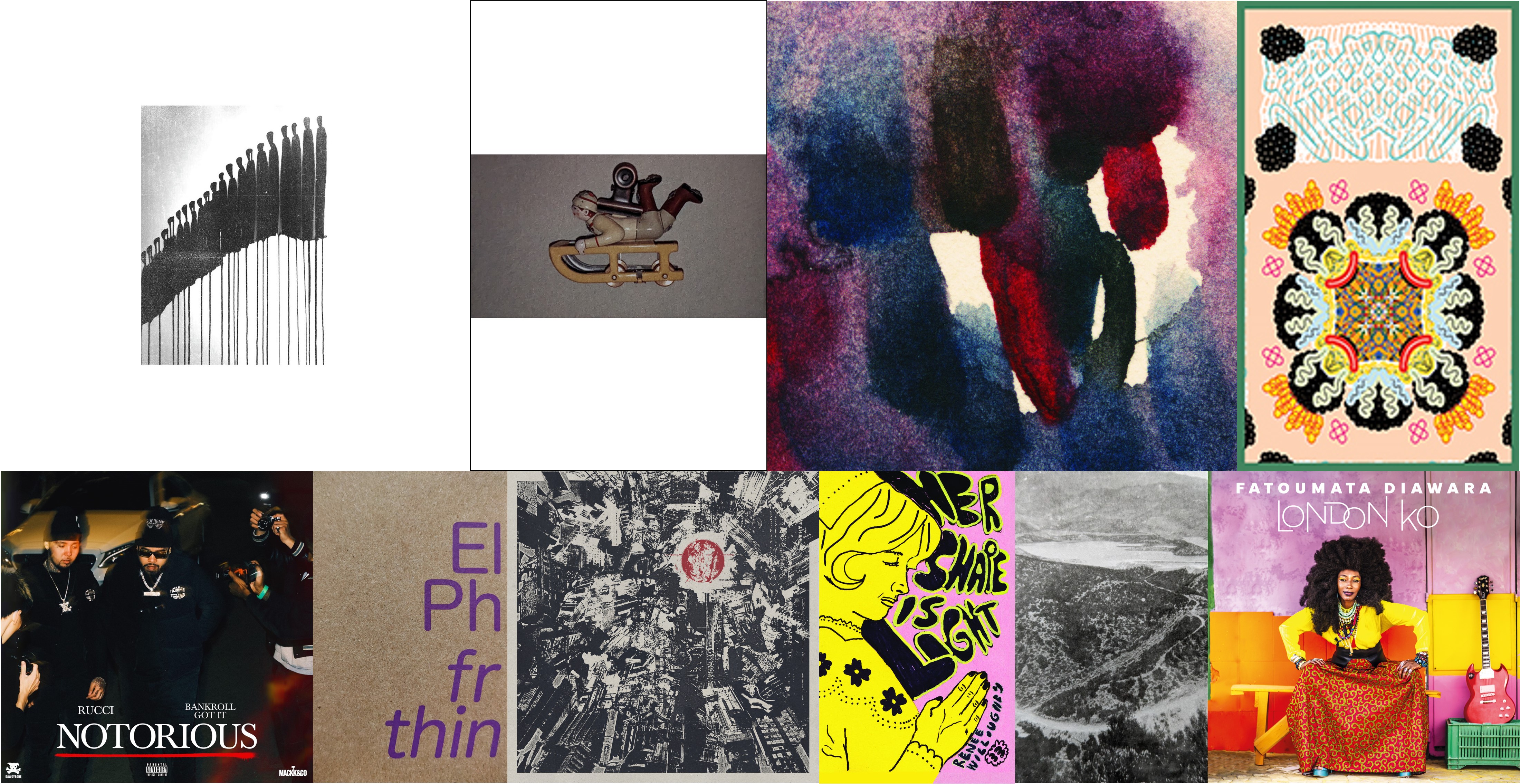
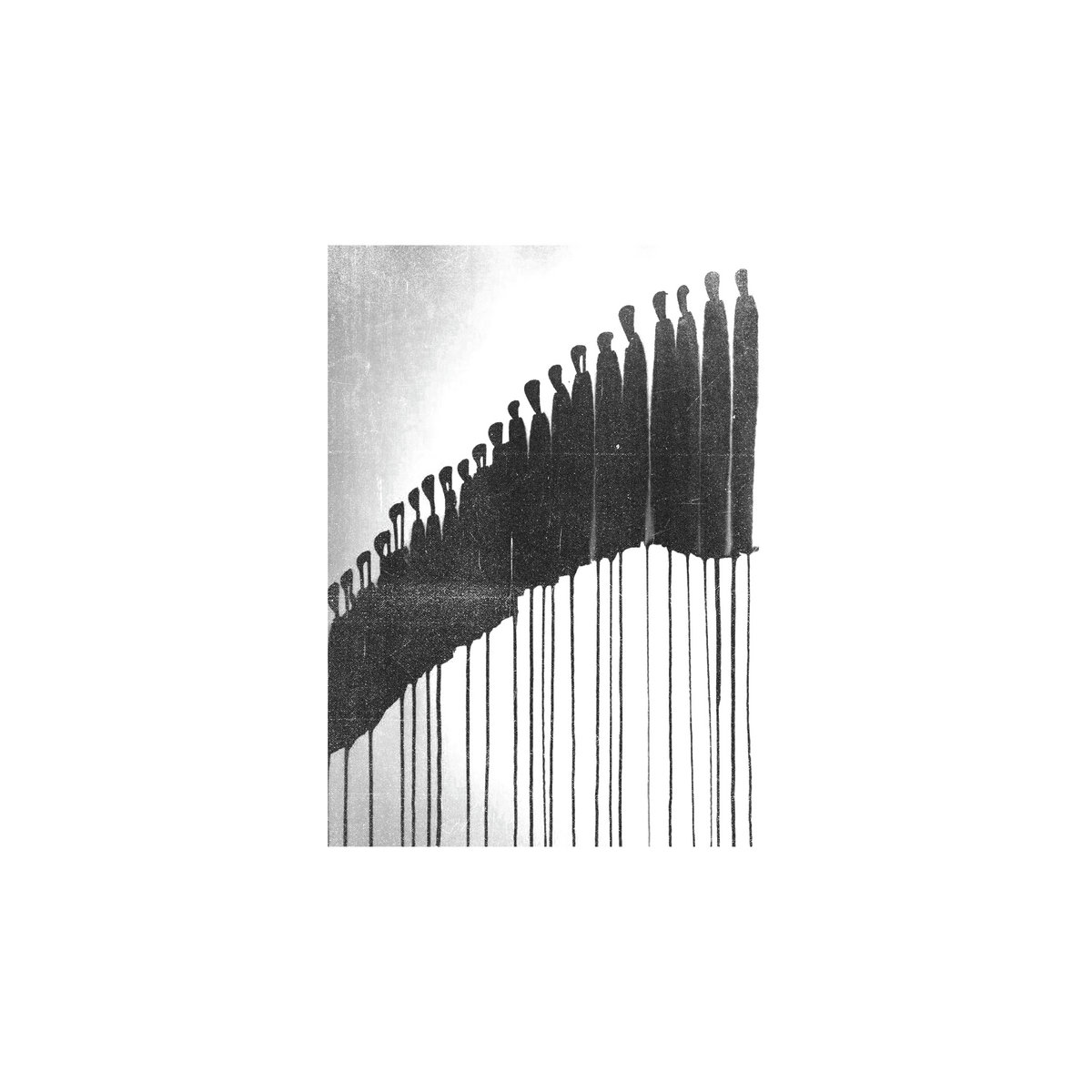 It hardly ever happens that I have a somewhat definitive pick for my album of the year so far, but it also hardly ever happens that an album like The Gray in Between drops. “Conversations in Time, on Mute” is such a ridiculously good opener (seriously, words are not sufficient to describe how amazing this song is) that every other track could be mediocre and I’d probably still listen to it the same amount as I have been, but that’s obviously not the case. This record is a masterclass in embracing a specific sound and exploring it to its fullest extent, and proves that “comeback” is becoming more and more of an irrelevant label.
Ezio Piermattei – Rosume (Joy de Vivre, Mar 29)
 At this point it’s a given that I’ll at least really like anything Bologna’s Ezio Piermattei puts out, both because he has been exploring a consistently fascinating aesthetic since his 2018 masterpiece Gran trotto and because he seems determined to make his music better—and stranger—with each successive release. Rosume at once expands the surreal audio-travelogue factor and returns to some of the crevice-dwelling darkness of Turismo dentale, the human voice acting as an agent of familiarity, confusion, and uncanniness in turn.
Aya Metwalli & Calamita – Al Saher (Zehra, May 19)
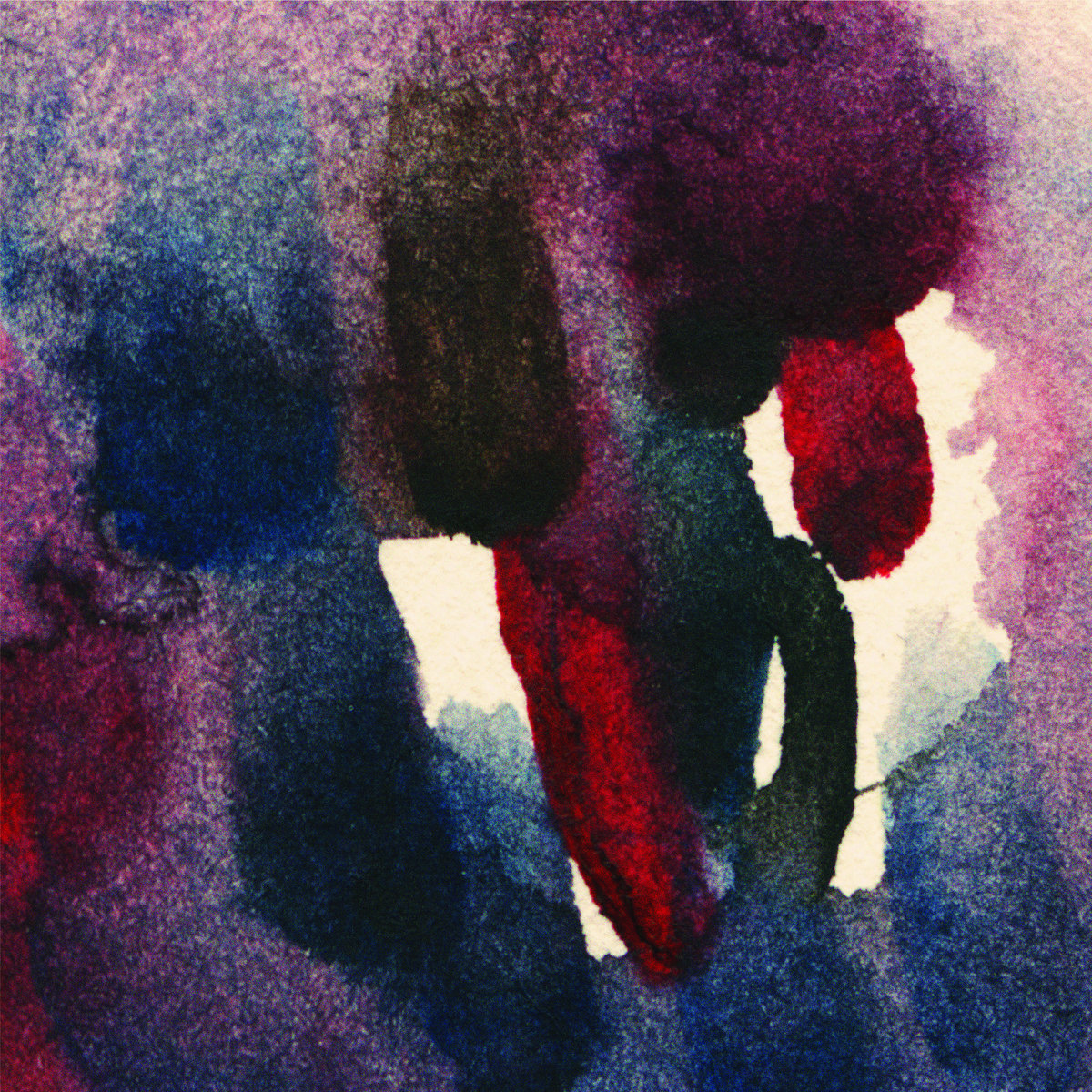 Al Saher is one of those rare but memorable occasions in which a collaboration between two artists benefits from their similarities and their disparities. Metwalli’s tense, tremulous intonation and volatile vocal processing is both the missing link and a mischievous wrench in the works for Calamita’s stripped-down duo jam format, all three performers constantly pushing each other to new heights and lengths. The fact that these shadowy, labyrinthine improvisations stemmed from the songs of Oum Kalthoum is a testament to the versatility of both the musicians and Arabic music as a whole. Original review
John Collins McCormick – Healthy Alternative to Thinking (Eh?, May 9)
 Close to six years ago now, I met venerable multimedia guru John Collins McCormick at a show in Columbus, OH, and he recommended I check out another artist named Rie Nakajima. Needless to say, one of the best tips I’ve ever received, and it is also relevant when discussing Healthy Alternative to Thinking (McCormick’s fifth tape this year! Check out the others on Garbage Strike) which is very much in line with Nakajima’s motor-based object soundscapes, but in a richly colorful, ragtag way that no one else could pull off. This is the kind of raw sound that is both intense and beautiful in its simplicity.
Rucci – Notorious (self-released, Mar 24)
 One of the (admittedly many) ways to my heart is good adlibs, and those, among other things, are in endless supply on this Bank Roll Got It–produced full-length from Rucci: mean ones on summer bangers “On a Mission” and “Shoulder Lock”; funny ones on “We Like Pussy”; poignant(??) ones on “Ryder,” a beautiful and tender tribute to the Inglewood MC’s son. Both breezy and heavy-hitting—and compulsively replayable—Notorious proves why Rucci is one of the best in the LA County scene at the moment. So “shut the fuck up and listen to his album.”
Ellen Phan – Free Thinker (Nada, Jun 16)
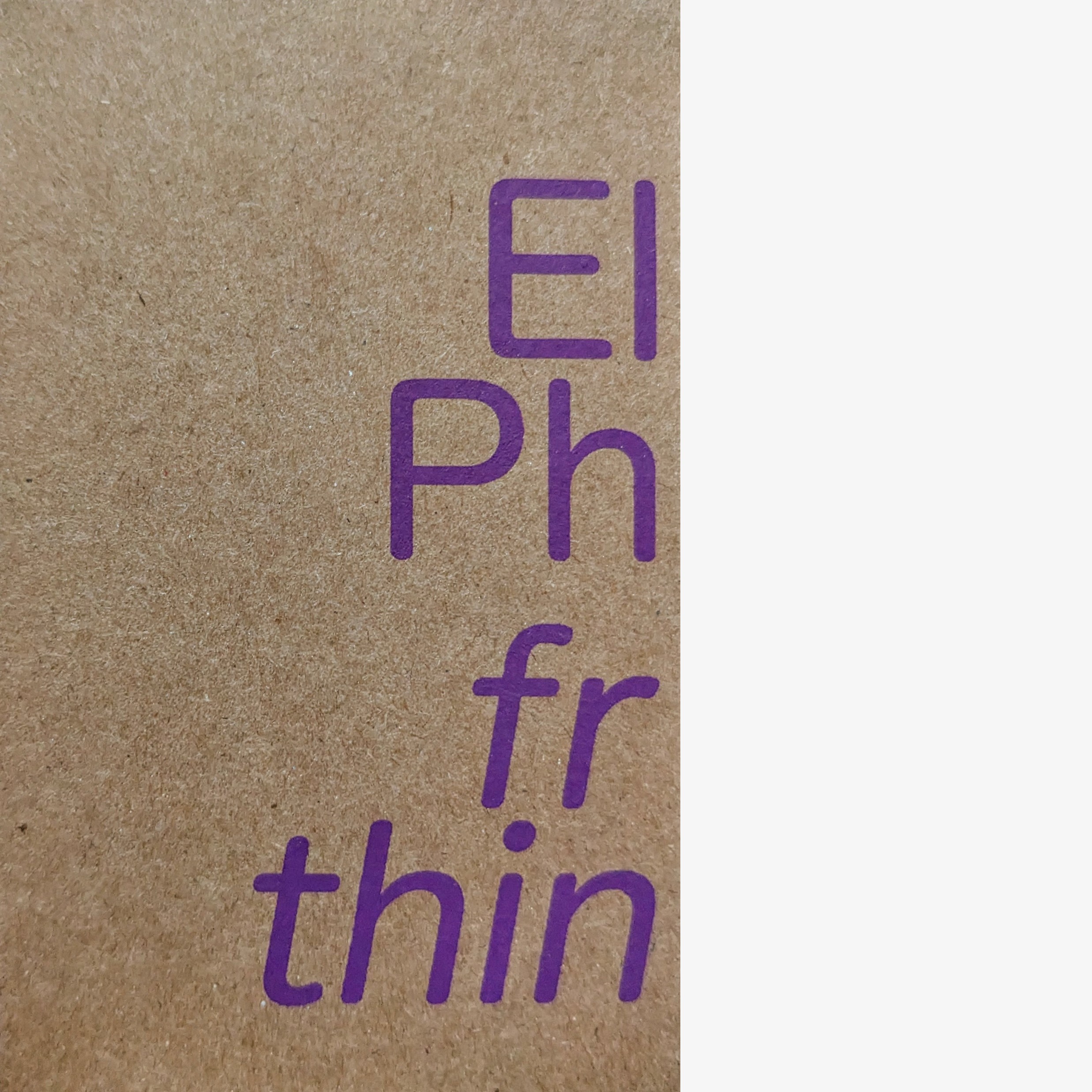 Sound artist and therapist Ellen Phan (though the work she does makes that “and” too much of a division) always outdoes herself with new releases, each time delivering a musical object that asks, and answers, questions that others don’t. The “object” part is even more relevant in the case of Free Thinker, the physical edition of which is a handsome cardboard box set containing a cassette, a small pouch of Jin Xuan oolong, and a “clearing spray” custom-made from lavender and sage oils. As with Visual Squash, Phan’s deeply abstract digital contortions are not a diagnostic dissection of the mind and body, but a deconstructed way to heal them.
Telos – Delude (Nothing to Harvest, Mar 18)
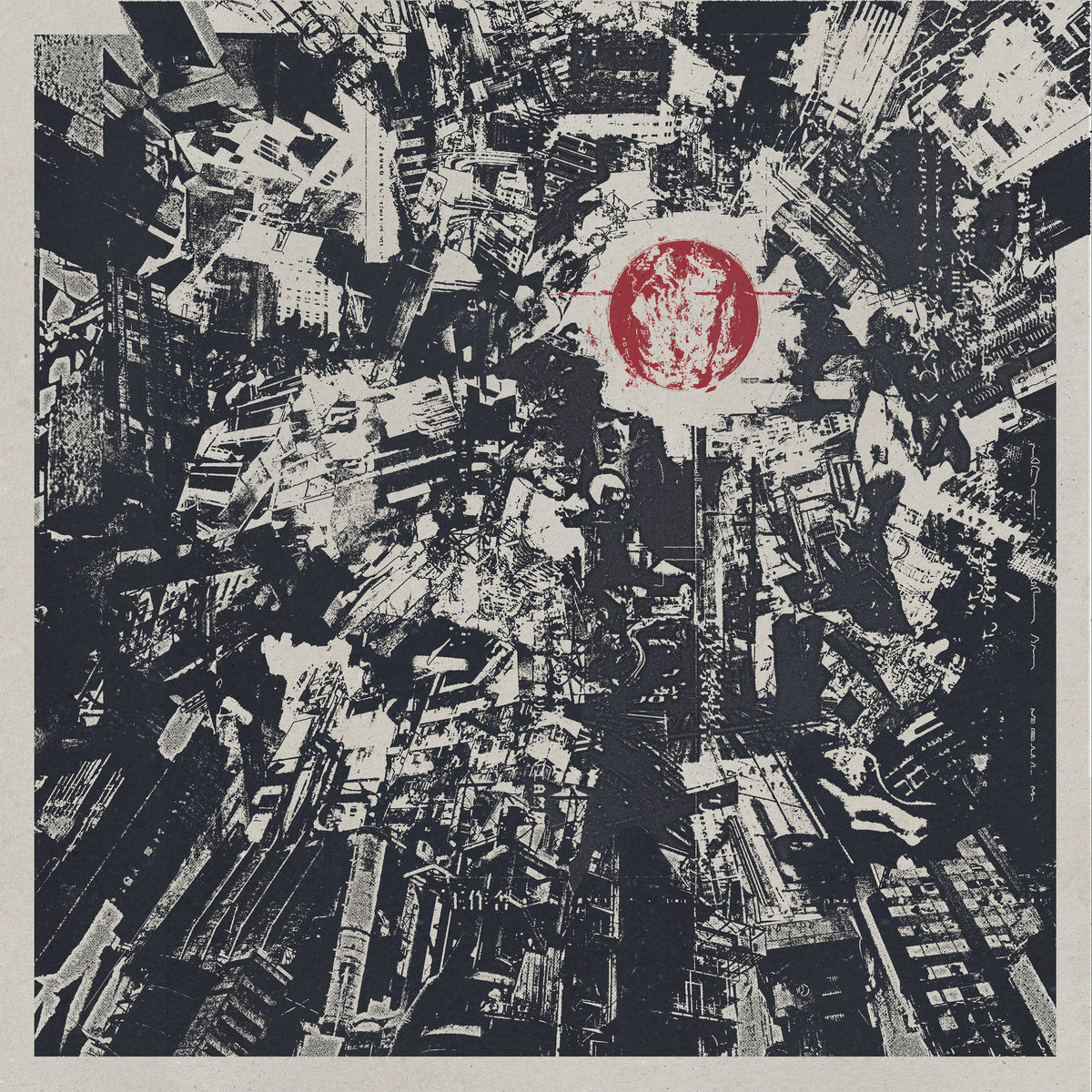 As pitch-dark, menacing, and soul-crushing as all great sludge should be (considering the band is an offshoot of Hexis, that should come as no surprise), the debut full-length from Copenhagen’s Telos is an obsidian gem in the rough of so much forgettable metallic hardcore, evoking the meaty heft of Swarm of the Lotus, the bloodsoaked teeth of Gaza, and the blackened atmosphere of Noise Trail Immersion with a single, addictive sound. Each of the eight tracks earns its place on the filler-less list, but the heaviest has to be “Throne”—those riffs, christ.
Renee Willoughby – 33 (Irrational Tentent, Feb 10)
 Death is unthinkable, and only more so when it claims a loved one. “Her shape is light” is the spiritual rallying cry behind Renee Willoughby’s spellbinding 33, a one-of-a-kind tape that celebrates the beauty and color of the paranormal even as it delves deep into the raw void of loss. Willoughby’s musical approach is manifold, her spectral electronics and impassioned vocal performance invoking a cosmic energy that spreads far beyond the stage, the communal fire of life dancing with the singular vacuum of death. Original review
R. Pierre – Extractions (Black Artifact, Jun 30)
 Both R. Pierre (Jungle Gym co-founder Caleb Dravier) and Black Artifact make strong cases against the equation of prolificacy with a lack of quality. Even with such consistency, every once in a while something remarkable happens, and in this case it happens at the intersection of two new but already extensive oeuvres. Extractions is a mesmerizing study of the earth’s shifting crust. These pieces have a calm, scientific detachment, a wall-like pace, and the faintest traces of ambient warmth… magic.
Fatoumata Diawara – London Ko (Montuno, May 12)
 One of modern wassoulou’s brightest and farthest-reaching voices, Fatoumata Diawara already brought the enduring Mali musical tradition to new ears with last year’s Maliba, but London Ko ups the ante with globetrotting guest contributions from Damon Albarn, M.anifest, Angie Stone, Roberto Fonseca, and more. Overall it’s Diawara’s most straightforward pop record so far, and yet one only need hear songs like “Mossayua” and “Tolon” to be reassured that the influence of legends like Nahawa and Oumou is alive and well.
Review: Trombe – Déluge (STNT, Jun 21)
 Trombe’s 2019 self-titled debut LP kicked off the Nantes unit’s ongoing two-piece experiment with a short and sweet exercise in minimal brut-jazz, with percussionist Erwan Cornic rattling chains and trinkets just as often as he plays full drum set and Thomas Beaudelin yanking the sax valves like root vegetables. But even though the duo has garnered praise from devout skronk stalwarts like Mats Gustafsson, their particular style has always had a distinct, almost delicate melodicism at its heart, and that’s only become more apparent with this brand new CD Déluge. Take “Flopée” for example, a lengthy track that opens with some of Trombe’s most straightforward free music tumble yet and ends with a serenade so sublime one has to do a double take, with the road between the two points being a relentlessly abstract and unpredictable one. “Foultitude” might be even better, and in spirit approaches the sound of Ayler/Corsano duo I’ve only heard in my dreams. This is the project’s most diverse and best release yet, and I hope its both inspired and singular approach is an indicator of a new direction in improvised music. I disagree with Takeo Suetomi’s statement that Trombe and others have “become more sophisticated and less jazz-like in their energy”; on one hand it just sounds a lot like AMMrogance (aRowegance?), and on the other, to my ears this stuff is jazzy as all hell.
Review: Quintron / NYZ – Weather Music (Important, Jun 13)
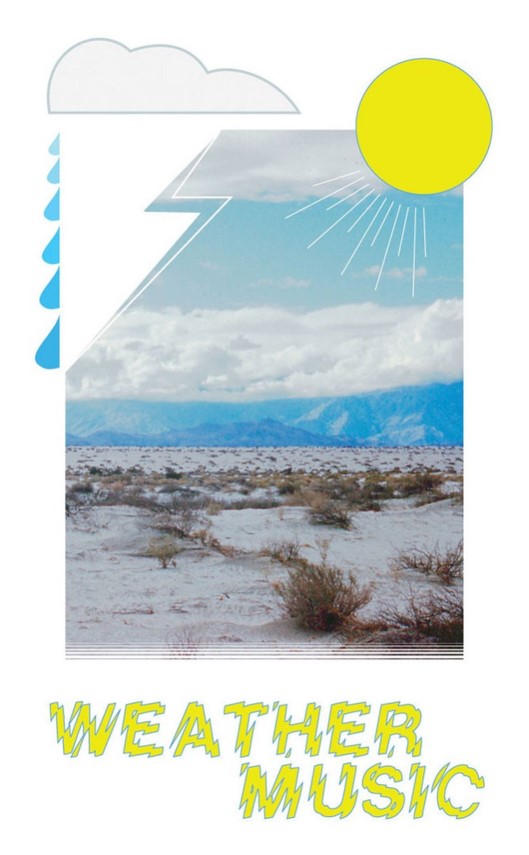 Like a more subdued but no less enthralling companion to other precipitation-based NNM favorites like Prepared Rain and Changing Weather, this inspired split tape by instrument architects Quintron (Robert Rolston) and NYZ (David Burraston) can either cozy things up on a grey rainy day or open the sky when the earth is so parched that the ground is gasping. Side A features and is titled for Rolston’s custom-built Weather Warlock synthesizer, “which uses moisture, temperature, barometric pressure, wind speed and UV radiation to massage a major chordal drone” throughout its languid nineteen minutes. The artist’s goal of performing just enough preparation to simulate a natural process uninfluenced by human hands—”like a fire, or a lake reflecting moonlight. Constantly vibrating with change but also very still”—is a success; the track has the same comforts as a soft trickle on the roof of a tent or a bubbling brook, eternal yet unbottleable. Burraston’s “rain wire” weaves an equally soft but more active tapestry of damp static and the muffled raygun blasts as the drops hit the amplified metal string, its small sliver of the valley it stretches across somehow capturing the essence of the entire expanse. Two sides of the same puddle.
Review: Conal Blake, Regan Bowering & Li Song – Music for Snare Drums and Portable Speakers (Infant Tree, May 30)
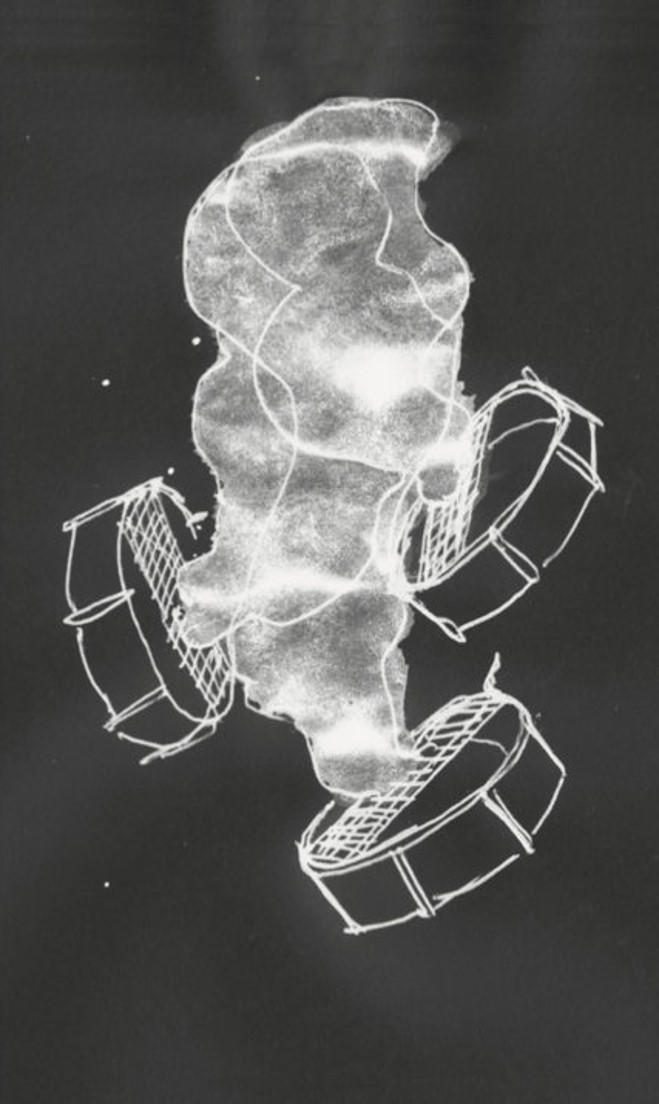 At the moment, I can’t think of a familiar sound that I both hate and love with equal measure besides the hum of an rattling snare drum. As soon as I notice it in pretty much any context it’s all I can hear, especially if the performance or recording is a sparser one, and sometimes it’s more grating than a squeaky kick pedal or an out-of-tune tom. But then I hear something like Music for Snare Drums and Portable Speakers and remember to appreciate this strain of resonance, which, when it’s the center of attention, has a lot to offer sonically. “Resonance” means multiple things in the case of this pair of live sets from the ongoing trio project; the tense, tactile interactions between the speaker playback (and feedback) and the snared surfaces as they’re both held and struck is in focus, but so is a distinct emotional essence that reaches far beyond just experimentation. The constrained eddies of “Hackney Marshes” especially get downright gorgeous at times, helped along by the respiring ecosystem beneath them, and the hiss and rush of the agitated wires sounds too organic not to be breath too as it sinks into the swamp. It’s a very exciting tape, even aside from the fact that the credits are a miniature who’s who of fellow radical minimalists, and it’s proof that austerity is not inherent to such a stripped-back, formal approach. So no more excuses from anyone else.
Review: S27E152 – A.D.T.F. (Minimal Impact, May 21)
 The description of A.D.T.F. as “mid-fi” is a bit of an oversell (or an undersell, if you’re me); even though all of Brisbane noise purveyor Minimal Impact’s digital editions are simply rips of whatever master was sent in by the artist, S27E152’s first release since 2016 sounds like it’s been buried in the earth longer than it’s been above ground, and perhaps even unlawfully exhumed for the sake of this edition (we’re very grateful). Roughly cocooned in the fusty thrall of dirt-encrusted tape, the roiling analog core of both side-long cuts—which would probably sound a lot like harsh were they blasted rather than trickled—takes on a meditative but haunting cadence, like the echoes of roars from deep within a cave, too far away to retain the raw desperation of whatever’s throat they came from. For me, this sort of thing is so easy to love but so hard to say why… I guess it goes back to what I wrote about in yesterday’s review, how even the slightest novelties in approach or aesthetic can keep an enduring sound both timeless and dynamic. How can something feel so cozy and yet so totally “hopeless”? “Fulfilled Desires” indeed; I want to wrap myself in the moldy grey blankets of the latter half of that track and sleep until I turn to dust. If you’ve read this far, chances are you probably feel the same.
 Noise Not Music