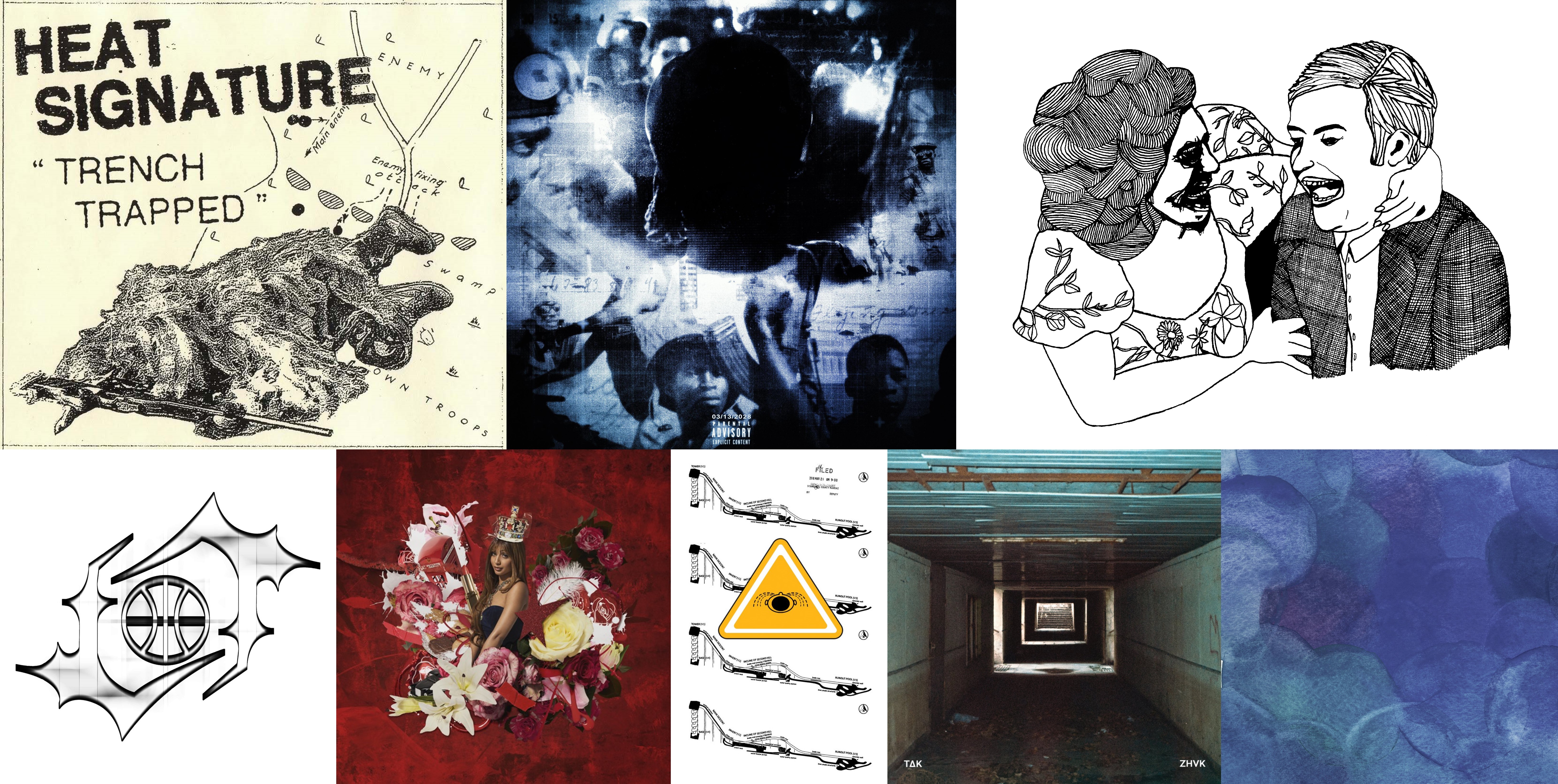
Heat Signature – Trench Trapped (Input Error, Apr 18)
 Heat Signature’s set at this year’s Ende Tymes was the best one I’ve seen them play, and one of the best I’ve seen anyone play. Trench Trapped, released both on CD and as a mud-caked, bamboo-staked special edition cassette, captures the ferocious energy of the duo’s live attack through the cracked, dirty scope of hand-stitched tape assemblage. This approach continues the loose-strung structural inclinations of their last tape, Wired for Intrusion, once again plundering scrap metal sources from Ahlzagailzehguh as well as gunfire by infamous Texas noise fixture Keith Brewer and a collaboration with Diaphragmatic.
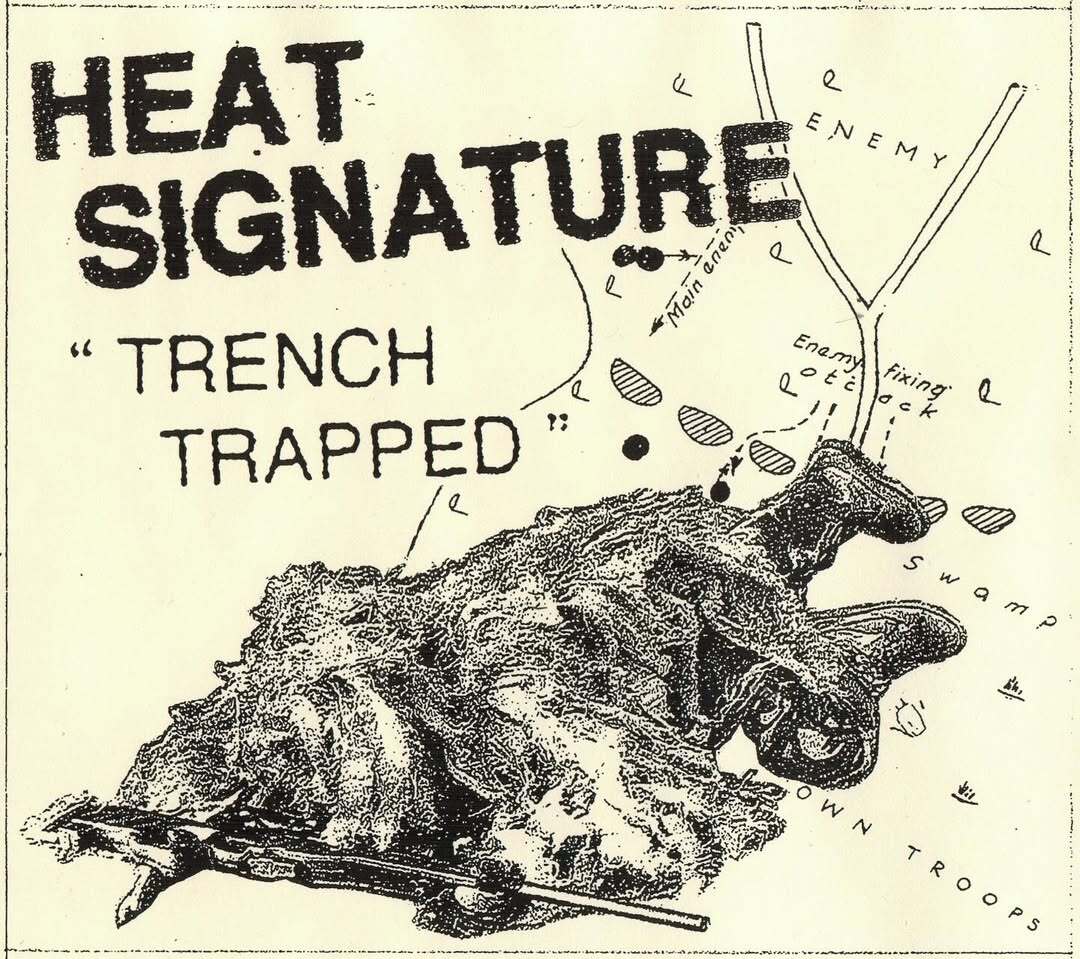
Xang – Watch Over My Body (self-released, Mar 6)
 Abbreviated on Soundcloud as WOMB, Maryland-based MC Xang’s first proper solo full-length deals in nocturnal atmosphere so thick and dark that it can feel claustrophobic at times. But at others it’s as open and limitless as the night sky itself, unfurling into the shadows like a blooming violet. The rapper’s dense low-register flows twist and tumble over a diverse set of beats, from the layered bliss of opener and clear highlight “Turkey” to the obtuse minimalism of “Paid.” Though quite brief, Watch Over My Body integrates the best of Xang’s scattered singles and collabs into an exciting mission statement for his career to come.
Darksmith – Everybody Thinks This Is a Joke (Useful Artists, May)
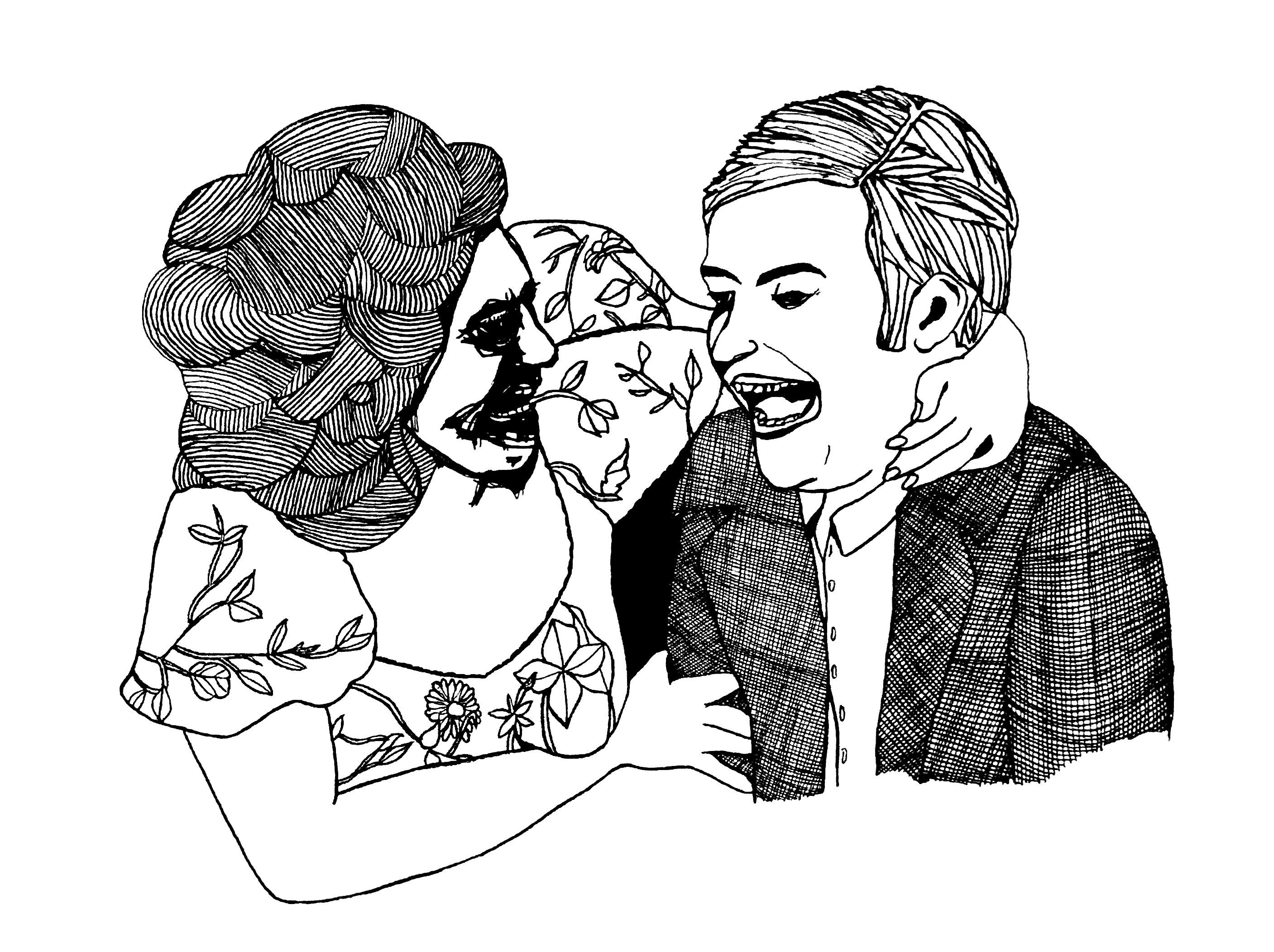 One of my personal highlights of 2025 so far was hosting the NYC date of the Great Men & Grateful Pawnbrokers tour, which was the first time Bay Area underground legend Darksmith played in the city. The Everybody Thinks This Is a Joke 2×7” was distributed via mail-order postcard at the merch table, which also became the release cover when the record set came in the mail a few weeks later. The four side-long pieces are, appropriately, some of Darksmith’s most heavily turntable-based work yet, graverobbing both beauty and horror from empty grooves and stretched-out samples.
Lucy Bedroque – Unmusique (deadAir, May 16)
 The convergence of many different stylistic strands in trap music is what makes Unmusique unforgettable: rage, digicore, bop revival, etc. Every song is stuffed with countless bells and whistles, pulsing polychromatic club synths and triumphant autotune and glitches and melodies and joy. Even though it has more mass appeal than Lucy Bedroque’s previous releases, it’s definitely still weird, which is always a winning combo. Anyone who questions the creativity or artistry of so-called “mumble rap” need look no further for proof that this new generation of rappers and producers are pioneering an invigorating, life-affirming, decidedly new music.
PinkPantheress – Fancy That (Warner, May 9)
 PinkPantheress is an artist I’ve always wanted to like but never quite gotten there with—until Fancy That. Starting strong with “Illegal” and the memorable line “My name is Pink and I’m really glad to meet you,” the short mixtape bounces along a rainbow of UK electronic flavors. The whole twenty-minute run time is nonstop hits, but favorites include the infectious reverb-washed bob of TikTok-dance hit “Tonight” and the propulsive, charmingly naïve love anthem “Romeo.” Easily the most replayable thing of the year so far.
Mouths Agape – Verrückt (Bent Window, May 2)
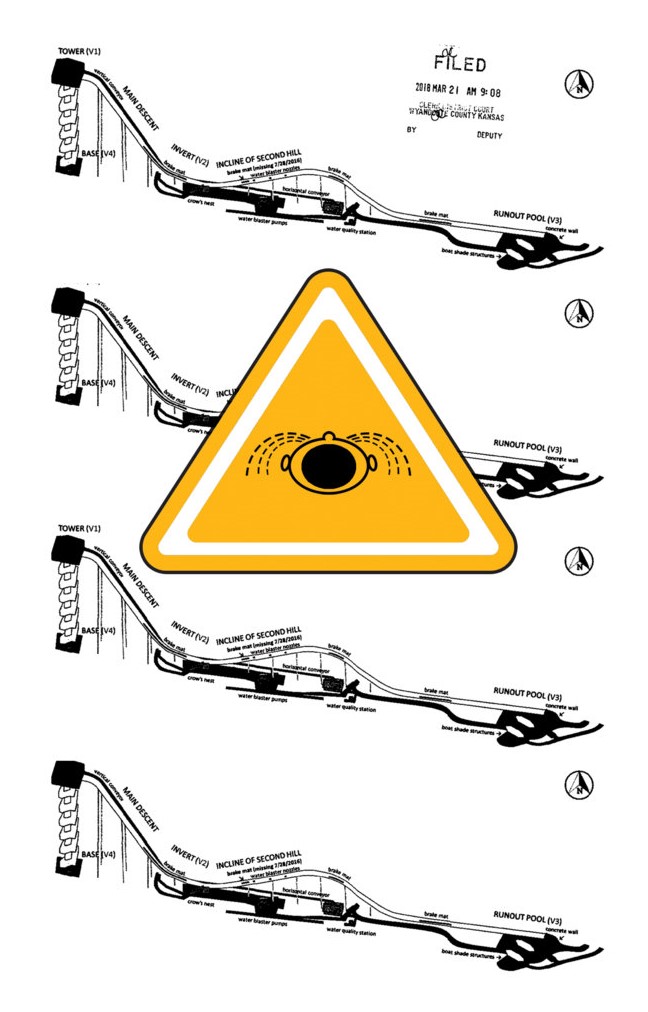 Power electronics has always been a tradition interested in extreme, uncomfortable subject matter, but with that comes the tendency to exploit rather than actually examine. Mouths Agape gets it right with this single-sided C20, digging into the unsayable horror surrounding the titular waterslide and its decapitation of a ten-year-old rider in 2016. On the surface, Verrückt seems like a departure from the project’s deeply personal previous work like The Twitching Clot, but the piece is strangely just as introspective as it is voyeuristic, wrestling with the visceral humanity of a so-called “senseless tragedy.” There’s actually a whole lot of sense to it, but no one wants to—or should—stare long enough to see it.
TDK – ZHVK (self-released, Mar 7)
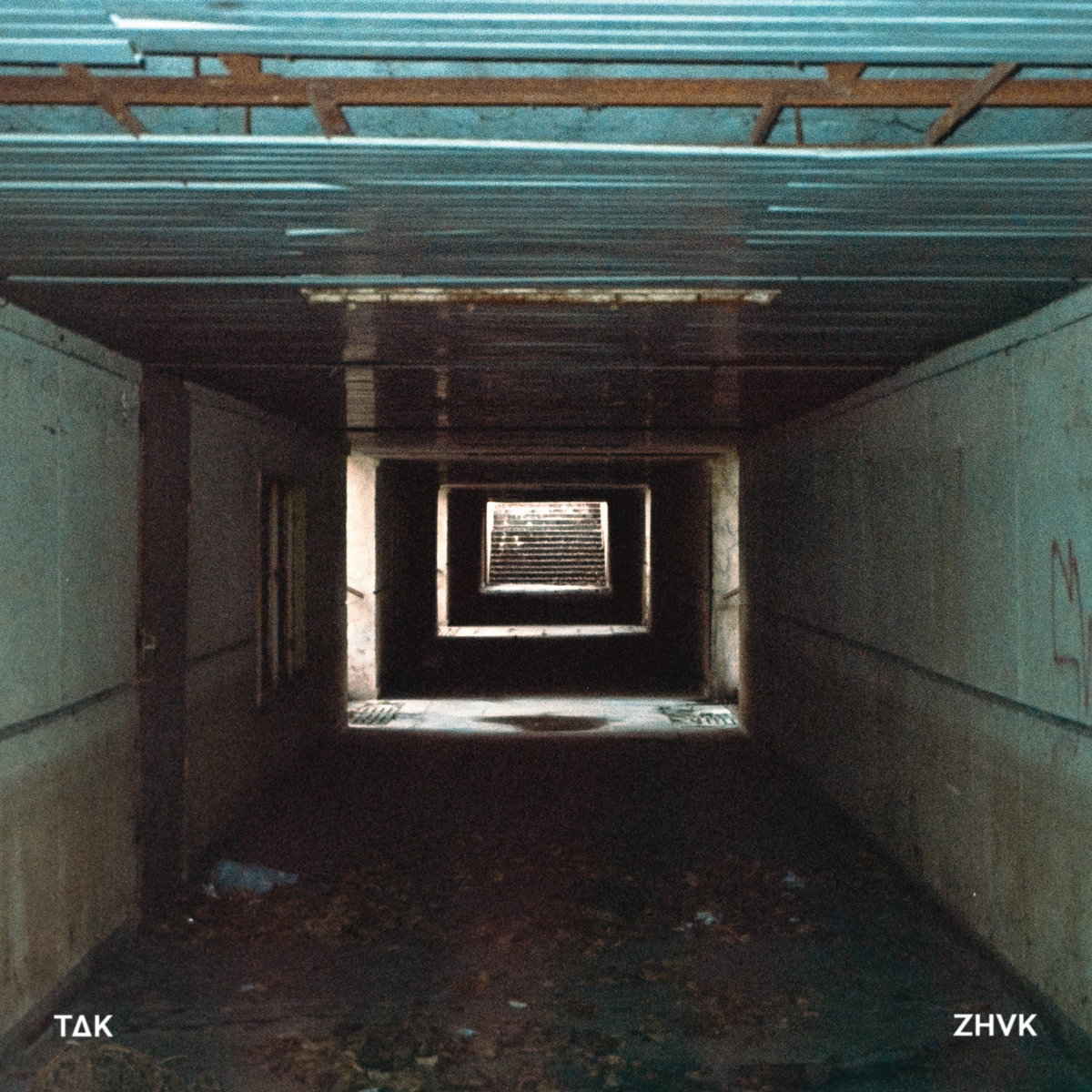 Everyone to whom I’ve recommended ZHVK has responded with some variation of “that’s fucked up” (complimentary). I first encountered TDK’s cursed, angular prog when I heard the track “Avtomontyora” off their 2023 LP Nemesta. This new EP takes things in a similar direction while adding some hints of hardcore; “Zhiveya v Kanalizatsiyata” (“I Live in the Sewers”) kicks off with what might have been a slamming breakdown before it fell off its hinges and turned inside out. Vocalist Nikola Nikolov is as terrifying as ever, ranting and raving sweat-soaked horror stories over the dizzying instrumentals. The end of “Burkana s Heroin” is one of the quintet’s highest highs yet, the lyrics and the music both ascending (or descending?) to horrific catharsis.
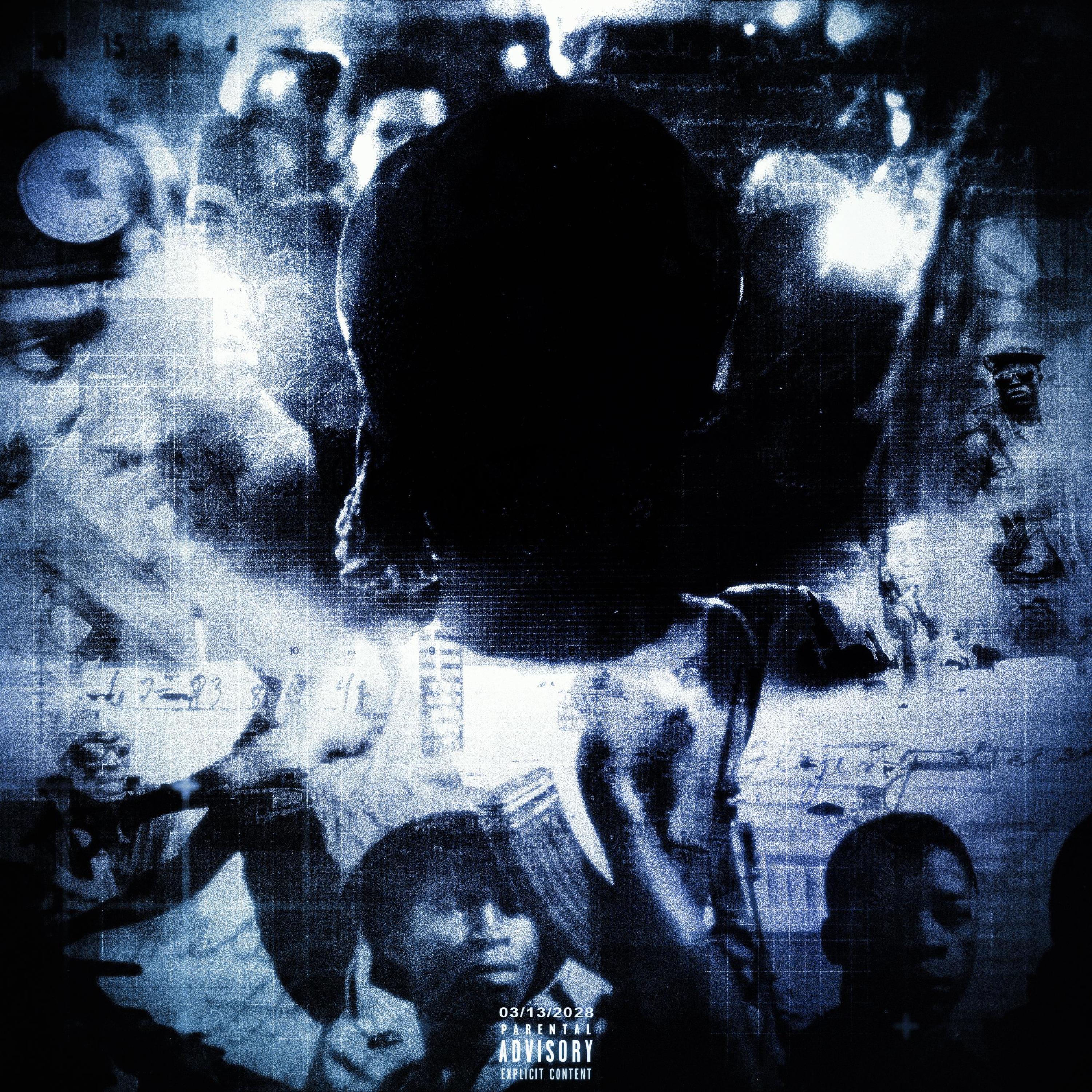
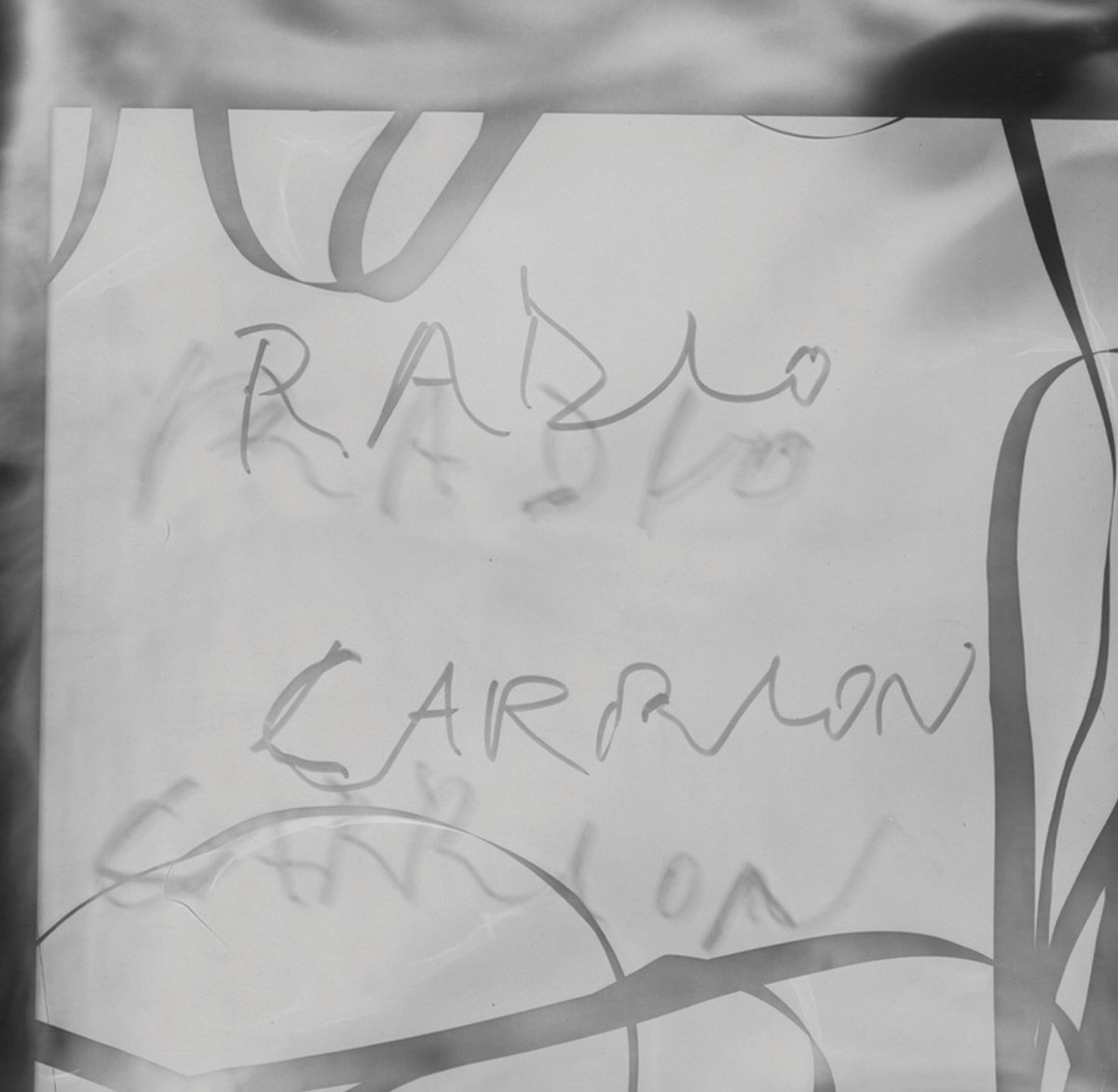
 Chandelier, released under the alias Miko back in 2010, is one of my favorite singer-songwriter records ever. Other than a tape Rie Mitsutake did as Soft Candy in 2014, Across the Water Mirror is the first material she’s released since, and it was worth the wait. As befits an eponymous debut, the record feels much more direct and personal, each song based on intimate voice-and-piano performances with minimal effects and post-production. When new layers emerge they are always well-earned; the droning strings in “Rendezvous” will bring you to tears. As diaphanous and sun-dappled as the surface of a garden pool, Mitsutake’s meditations ripple far beyond her own heart and right into ours.

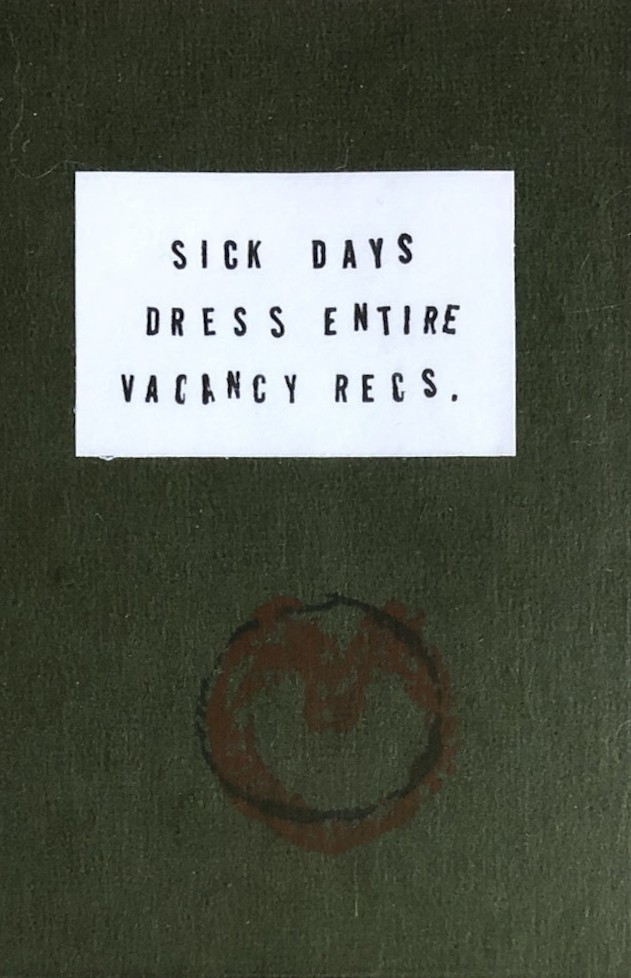
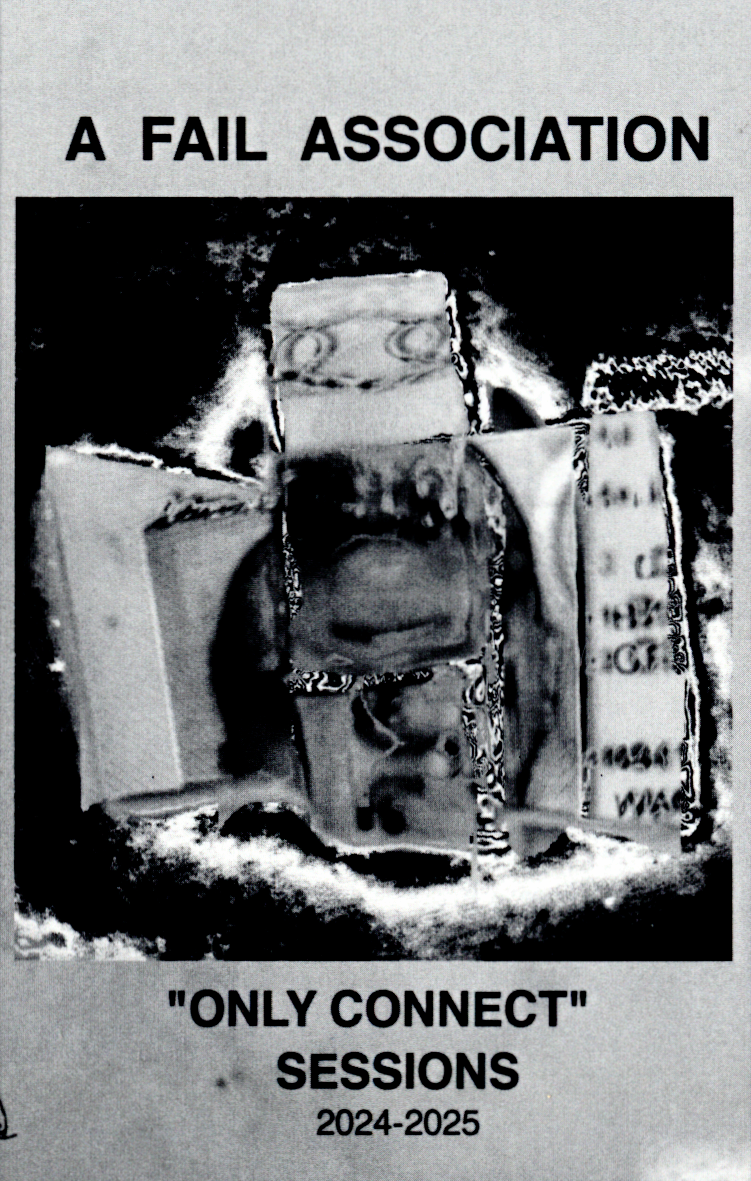 In addition to putting out the best in extreme sound on his long-running label Dada Drumming, Greg Babbitt contributes to it himself as A Fail Association. Alongside Kevin Novak of T.E.F. his early work in the mid aughts carved key contours in the exploding harsh noise tradition in the Lone Star State and beyond, honing the strain of muscular, virtuosic cut-up that we’re still hearing rip two decades later. After a ten-year break Babbitt doesn’t seem to have lost any steam, releasing material at least yearly since 2018. The slung-together “Only Connect” Sessions C30 doesn’t concern itself with the crystal-clear production of East V. or This Will Hurt You More Than It Will Hurt Me; the first track was recorded with a mobile phone, the second with a handheld Tascam, all live and uncut. But as Texas friends have told me, that’s where AFA shines, which I finally got to see for myself at Red Light District last weekend. Both of these recordings are fair and accurate representations of the ear-shredding assault he hurls through the speakers. His style feels less surgical, more of a free-associative brute force surge—even if he rehearses it doesn’t sound like he does, and that’s a huge compliment. The blasts hit in all the right places, the rapid-fire loops capture and amplify the momentum like lightning in a bottle. Side B wrestles with piercing feedback squeals that probably would have euthanized the dying PA used for the flip. The honest “postscript” Babbitt leaves in between is the cherry on top. The stakes are low, the reward (clearly) is high as can be.

 Noise Not Music