Been wondering why I haven’t posted a mix (or anything, really) in a while? It’s because I was working on this. In the unlikely event I’m ever hired for a DJ gig this is a good approximation of what I would play. I’m no virtuoso by any means—no seamless beatmatching or spot mashups here—but each and every one of these tracks does the work for me by being irresistibly danceable. To me, that is; I hope you agree.
Note: I use “trance” to reference a vibe or atmosphere rather than the actual genre. No Shpongle or Hallucinogen, don’t worry.
00:00. The Lift Boys – “Kazoo of Zero” from Tide Y Edit(self-released, 2012)
02:20. Food Pyramid – “I Know What I Saw” from Mango Sunrise (Moon Glyph, 2012)
07:32. Aqatuki – “Pop” from Aqatuki II (IQAS / 5bit, 2019)
11:07. Dachambo – “Picadelia” from Aphrodelic Ngoma (Pleasure-Crux, 2004)
20:08. Soft – “Singing Mirror Ball” from Sun Box (Comma, 1999)
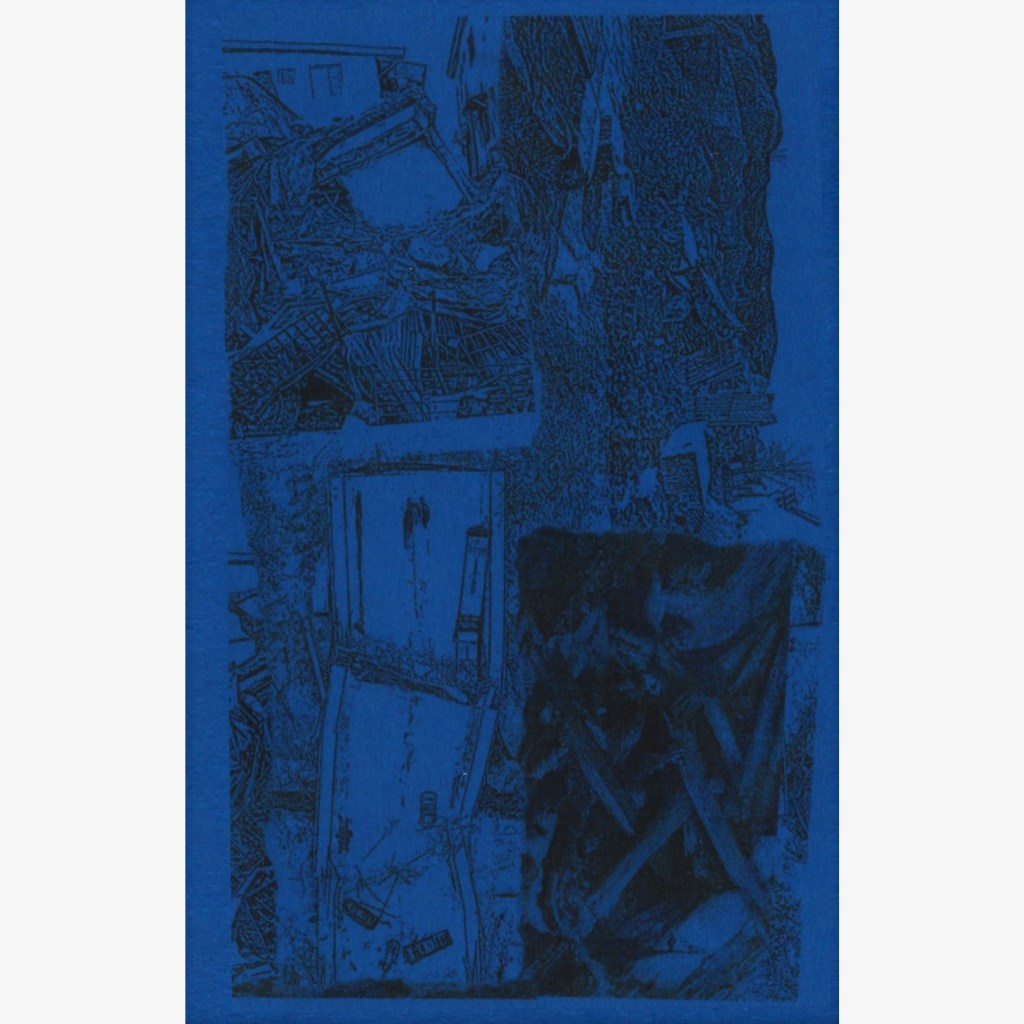
With still-memorable past releases such as SiAland Half-Silvered Mirror, Austria’s Matthias Urban has established himself as a maestro of immersive, meticulously detailed sound of all sorts, from the more direct phonographic approach of the former to the lush concrète assemblage of the latter. The artist’s most recent tape was just released at the end of last month by Ultraviolet Light, and though the new material unsurprisingly clears the high bars set by its predecessors, it is also very fittingly UVL (i.e., ambitious, posthuman, utterly unlike anything you’ve heard before). With a straightforward enough mission statement—“Collages of algorithmic compositions, saxophone / voice / prepared piano improvisations and AI human-machine interactions. Realized and processed with MaxMSP, various other DSP, ASC tape recorders and chemical tape treatment”—Intermissionis indeed once again concerned with space and scale, an almost gleeful dismantling of the boundaries between the smallness of individual objects/instruments and the staggering size of the dissonant Katamaris they’re rolled into. Even when the more conventional harmonics of the sax and key fragments come into focus, Urban’s ear is always for the tactile, sending percussive textures askitter whether he’s performing or processing.
Had to get that out of my system first. But there is something thematically relevant about a phrase or sound invoked ad nauseam to the point that its once-intact meaning starts to slough away. The anonymous Polish newcomers’ approach isn’t strictly repetitive or nonconversational a la early AMM, though they do generate austere rackets as intense and insurmountable as the Gare-heavy bonus tracks on the 1966 CD release; nor do they seem to concern themselves with conventional improvisation tropes, rejecting tried and true structural stencils for obtuse, uncooperative cacophony. In this debut set the unknown number of participants (sax? electric guitar? ritual sacrifice???) seem to at once extricate and embrace beauty in their individual contributions, in all appearances actively trying not to build toward anything yet also not shying away if it happens on its own. Ravaged by constant artifacting and distortion, the lo-bit recording is unruly in a truly essential way, filled with countless contradictions of which I’ve only acknowledged a few. This is the music we were always warned about.
Vast Mass, perhaps even more so than its equally catchily named and colorfully covered predecessor Cashmere Spheres, is consistent with a wider trend in post-Bailey “total guitar” improvisation of engaging not only with the full extent of the instrument’s physical soundmaking potential, but also with external sounds and textures that align with the central action—Ash Cooke/Chow Mwng dubbed his own particular approach “Gwrth-gitâr,” drawing in chunks of inspiration and serendipity from outdoor environments and nonmusical objects. Chicago’s Chad M. Clark shapes even more complexity through the use of multitracking, overlaying, and collaging, stuffing each track full of countless layers that nonetheless seem to have sprung from the same place. Even when brief flurries of sax skronk or frantic arco surface in the stew, even when the spiderleg bridge taps and rattling plectrum scrapes feel so alien they couldn’t possibly have been produced with a guitar, every audible sound embodies and emphasizes the central, irresistible tension that keeps ear after ear returning to records like Aida more than forty years later (and who knows, probably this one forty years on): the strain and wrack of strings stretched taut, the aching gasp of a half-formed harmonic, the creaking breath of the wood itself.
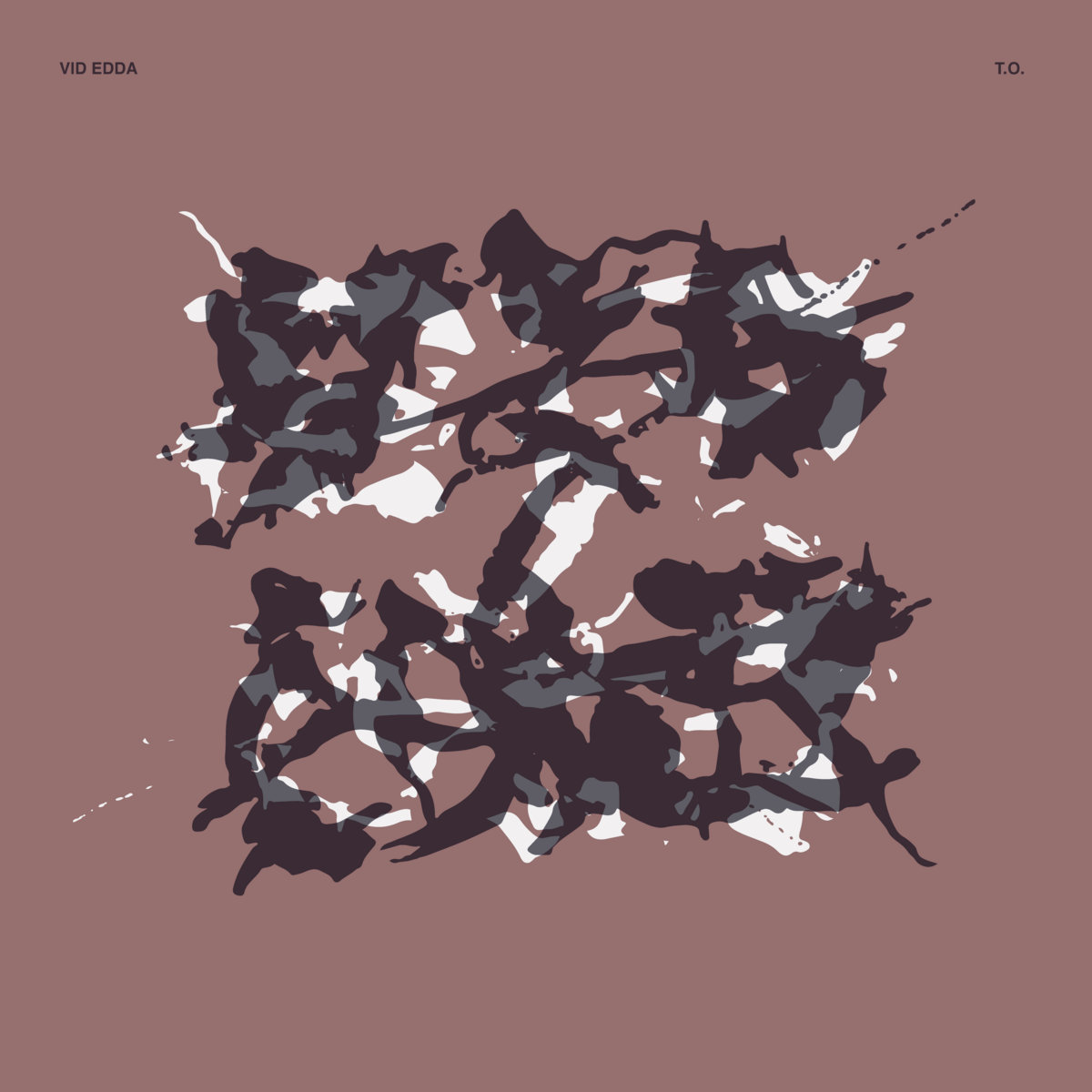
Vid Edda’s tenure has largely unfolded alongside the operation of small-batch specialty imprint Sensorisk Verden, run by Alexander Holm, one half of the Copenhagen duo with Chris Shields (Ro). Fittingly, the restrained eclecticism of their approach to electroacoustic music is almost a comprehensive synthesis of everything SV is concerned with, represented more specifically by other artists and projects: vocal abstraction and text-sound (Claus Haxholm/Soft Items), acoustic drone (Tabloid), spectral soundscaping (Vincent Yuen Ruiz), etc. It’s been more than four years since the sleeper hit Geneves Mi Sansion Anathema Archive, and T.O.is accordingly novel and fresh-sounding, without the sketchbook scatter of its predecessor; the immersive texture collages, still always toeing the line between analog and digital concrète, reveal a new interest in sound design and spatiality, to the point where I could see many of these pieces (especially “Skygge Flakser”) being just as mesmerizing as multichannel acousmatic installations as they are through regular speakers or headphones. I suppose that’s always sort of been the appeal of Vid Edda, the unique double dose of warm-blooded human input and austere computer-based processing, but T.O. climbs to new levels of singularity. What is voice, and what is just sound? Is that even a meaningful distinction to make?
The spirit of Quemada Records lives on in Japan-based duo Greymouth and their consistently inventive output of squirrely anti-rock and tape-tracked outsider dross since 2015’s self-titled debut LP. That being said, Can Run might be their least rockin’ material yet, and certainly features the most uninterrupted improvisational stretches they’ve released. With the stuffy backroom tabletop feel and the use of both conventional instruments and objects/electronics, much of this tape feels more like a toy-chest Teletopa than the previous echoings of Armpit or Witcyst, and that, unsurprisingly, is A-OK with me. The majority of the two twentyish-minute sides, though not exactly filled with high-fidelity stereo width, plays as if one were sitting in the center of a shed while Anderson and Sadgrove make their slow, deliberate rounds along the rows of plastic synths and tape machines and tchotchkes, setting a loop to unspool here, fiddling with a dial there. It all seems to lead somewhere and nowhere at once, an aspect that is perhaps clearest on the B side, which sounds like a whole lot of (albeit beautiful) water-treading, until guest vocalist Motoko Kikkawa—who has previously recorded with excellent but unsung collaborators (and house favorites) Lee Noyes and Radio Cegeste—enters the fold and you realize how much everything has progressed. Yes, this is probably the project’s most abstract work, but no matter how many remnants of recognizable “music” are or aren’t present, Greymouth always fully draw me into their ramshackle little world.
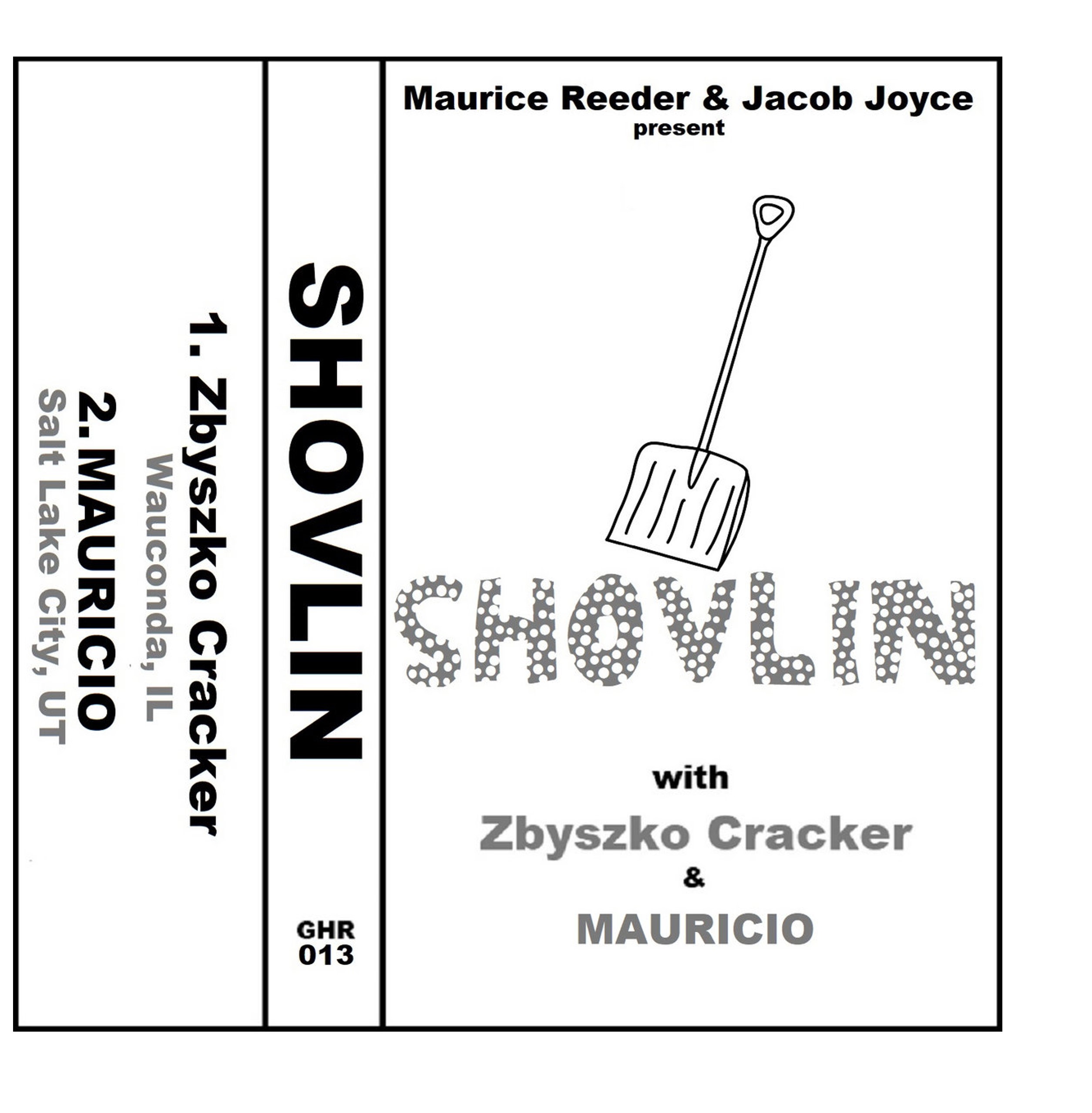
Despite the not-quite-welcome reminder of the alarming fact that New York hasn’t seen snow this entire month, the sequel to 2021’s Mowin’ I didn’t know I wanted—no, that’s not right; the sequel I wanted but didn’t think I would ever have—is a wonderful way to start the year. Just as literal and straightforward as the first installment, Shovlin’, this time on slim-cased CD-Rs (with a j-card as the cover, which is never my favorite choice, but it works better here than it does in most other contexts), documents each of the same two toilers reverently performing their seasonal housework, this time amidst the crisp crunch of wintertime. Wauconda, IL’s Zbyszko Cracker’s scooping session is ten minutes longer than the entire Mowin’ tape, and even though that one wasn’t in a hurry either by any means, it feels more spacious and mobile, yet also closer to the cold tactility of the ground rather than the heat-hazed, clipping-flecked summer air, even as heavy winds max out the mic from time to time. Presumably having to cover less ground in Salt Lake City, MAURICIO (credited as MO on the last go-round) works up quite a cacophony, the forceful stabs and scrapes of the shovel edge locking into brief but deep rhythms, lending some—but not all—of the satisfaction that comes with clearing a whole section of besnowed concrete to the listener as one hears patch after patch of the stuff being peeled away.
It’s been a while since I was last a devoted field recordist, both because I now mostly prefer to just appreciate sounds in the moment and because there are just so many other people much better at it than me. Outside Inside (Inside Outside) is a beautiful reminder of that, a slipshod but nonetheless fluid audio journey that somehow manages to mean just as much to its listeners as it seemingly did to its capturer. I believe this is the first proper full-length from Shadow Pattern, one of the more abstract projects of Nathan Ivanco’s that has surfaced on various Hamilton Tapes releases, Various soundwalks, actions, improvisations, and some less intentional-sounding bits recorded over the course of two years are spliced together into a muffled mélange that’s both captivatingly narrative and comfortingly trivial, birds and voice and bells and violin and all of the ephemera in the space between. The artfully careless blend of observance and performance call to mind other favorite artists doing similar work—Max Nordile Hair Clinic, Ruda Vera, Staubitz and Waterhouse—but the organic scrapbook synthesis sets Shadow Pattern apart, cellotaping otherwise disparate clippings to the level playing field of magnetic tape. It’s only January, but it’s hard to say if the rest of the year will offer up anything as gorgeous as the middle section of the B side of this LP. Pure magic.
Much like last year, I don’t have much to say as far as profound introductions or reflections go. I guess I just want to thank everyone for bearing with me the last twelve—well, mainly the last nine—months as I figure out how to maintain the site post-Bandcamp. My posting frequency dropped dramatically (even the writeups below are shorter than usual, which is why I’ve classified this as a list rather than a feature), and yet the views and clicks did not follow suit, a testament to all of your wonderfulness. The schedule will likely continue to fluctuate as I navigate life changes and other hurdles, but as I reminded everyone in the open letter back in March, I fully intend to still be reviewing as I disintegrate on my deathbed. The time between now and then will be a long, slow, limping stumble. And I can’t wait to take you all down with me every time I fall.
(Note: the honorable mentions will probably look weird on mobile. I’ve given up on trying to fix that.)
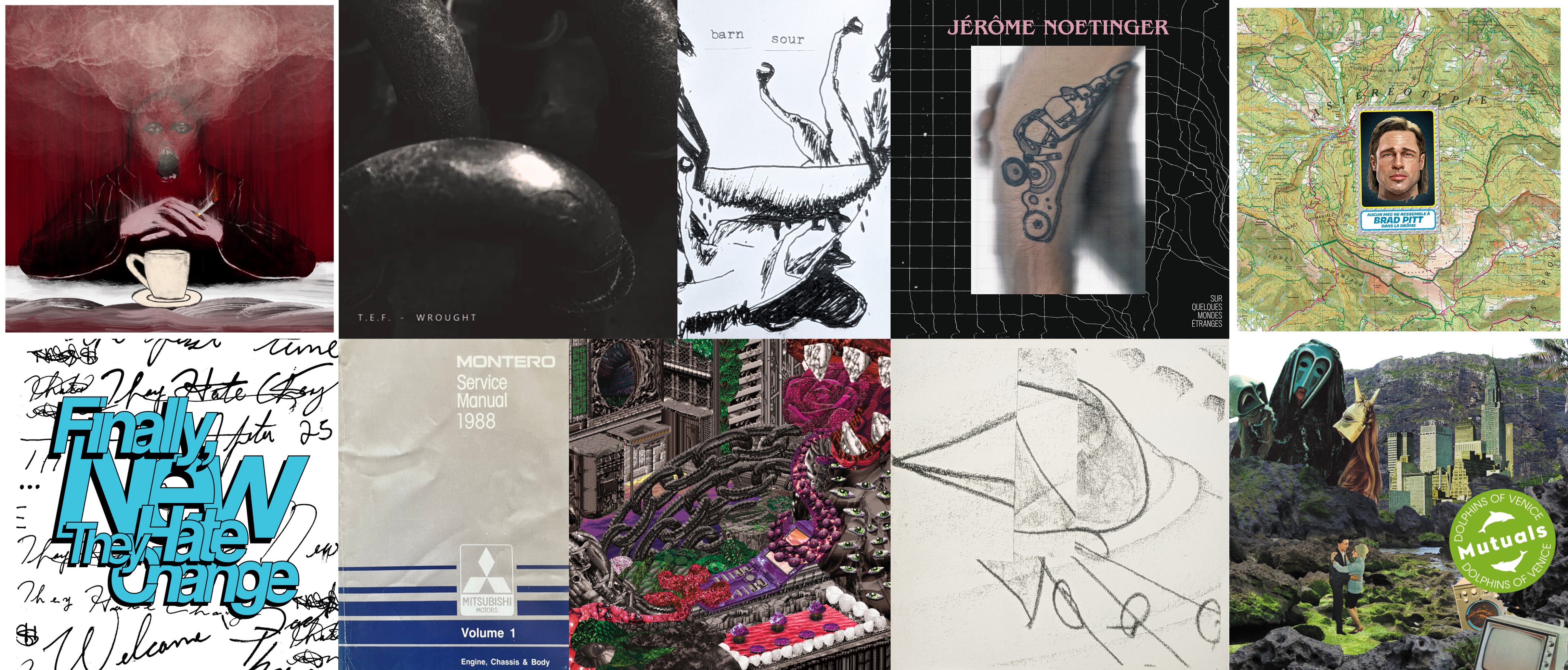
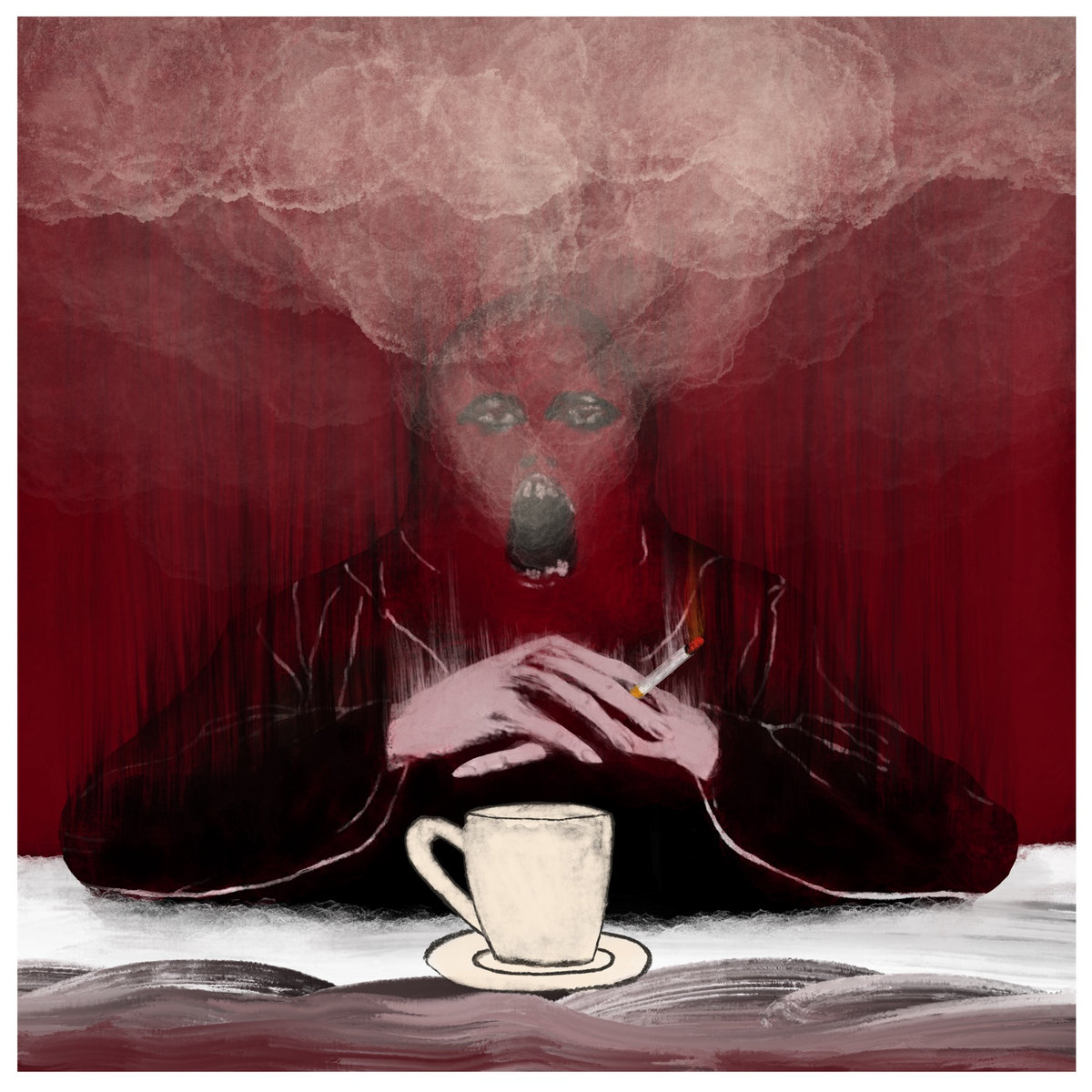
Everything Mamaleek have ever recorded has been leading up to this. Diner Coffeeis a sublime culmination of the enigmatic project-turned-collective’s singular genrefuck, plucking the best elements from previous releases and seamlessly integrating them into a dark, surreal amalgam of jazz-rock, avant-sludge, and brooding, sinister ambience. The atmospheres are enthralling, the lyrics are captivatingly cryptic, and the vibes are immaculate. Never fails to make me crave a cup of coffee.
Every time T.E.F. puts out a new full length, it’s a big deal. That’s nothing new. But it’s been quite a long time since he, or anyone, has created something this masterful. Wroughtis both a love letter to harsh noise as a genre and a new, unmatched standard that I have no doubt will serve as a beacon for other artists to strive toward. Novak renders every basic technique—loops, feedback, cutup, etc.—as a fully composite musical language, one that produces the loudest and most intense noise I’ve ever heard. Seriously. The first time it kicks in on “77” is nothing less than a spiritual experience. As Tim Riggins said, “Texas [noise] forever.”
2023 will see the final performances and general end of Barn Sour, a project headed by Winnipeg’s inimitable Pat Klassen. It’s a testament to how incredible the music was (and is) that such a radically bizarre, subversive effort reached so many appreciative ears across all sectors of the underground. One Trick Ponyis the last release comprising entirely new material (One Trick Pony, a supercut suite featuring both self-sampling and previously unheard additions, is set to release on CD later this month) and I couldn’t imagine a better manifestation. Nine months later “Peace, Be Still (Mane Mix)” still scares the shit out of me, and it probably always will. Original review
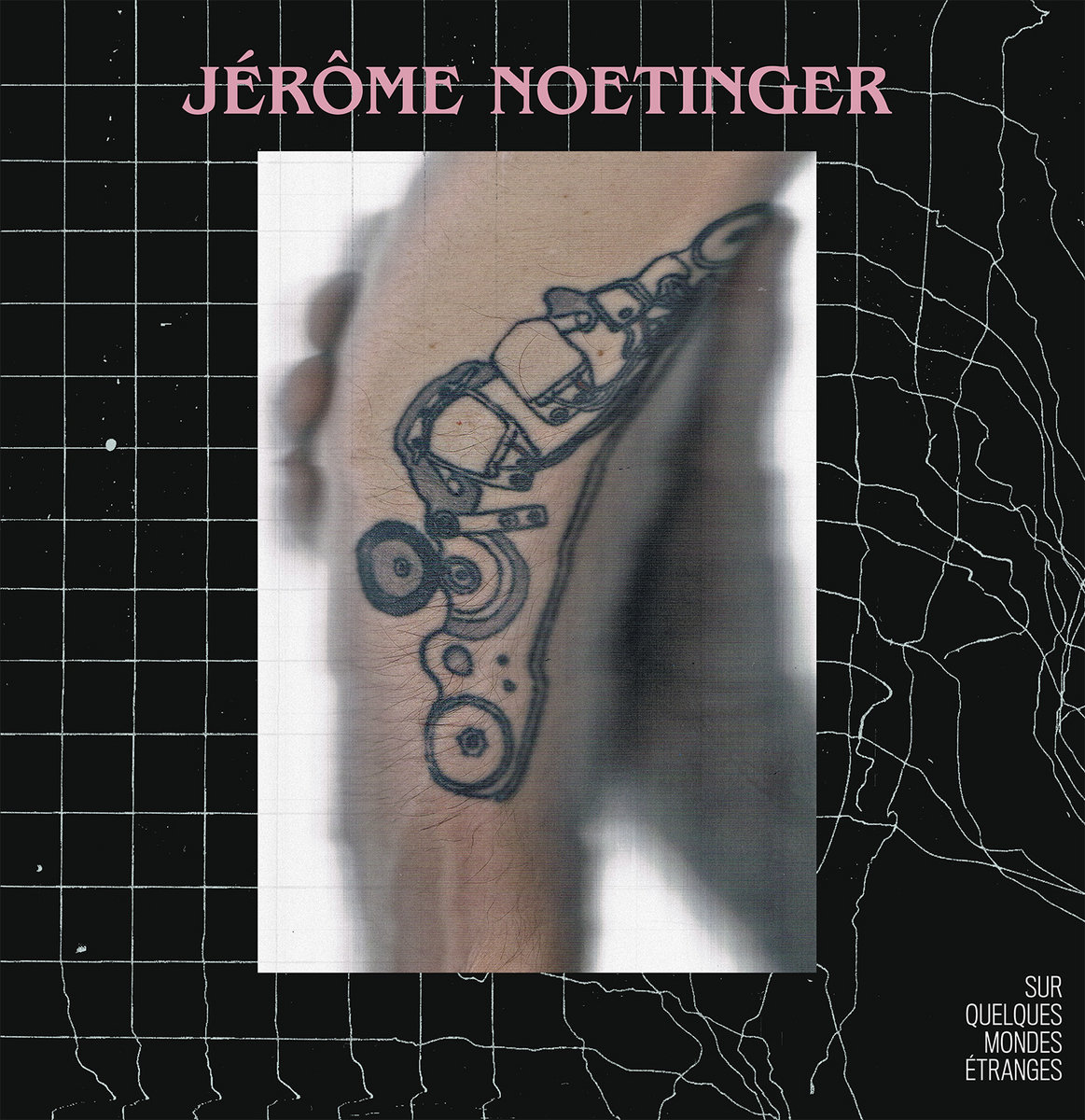
Jérôme Noetinger has been one of the most interesting and consistent voices in contemporary improvisation since the turn of the century (and before that too), and yet he’s only released two full-length solo albums during that time—2018’s dRCD on PiedNu and now Sur quelques mondes étranges. After decades of finetuning his craft, Noetinger “plays” the Revox with more skill and panache than I or most other musicians play conventional instruments. I don’t think it’s an exaggeration to call this his best work, a masterclass in EAI-via-concrète that I’ll still be listening to years on.
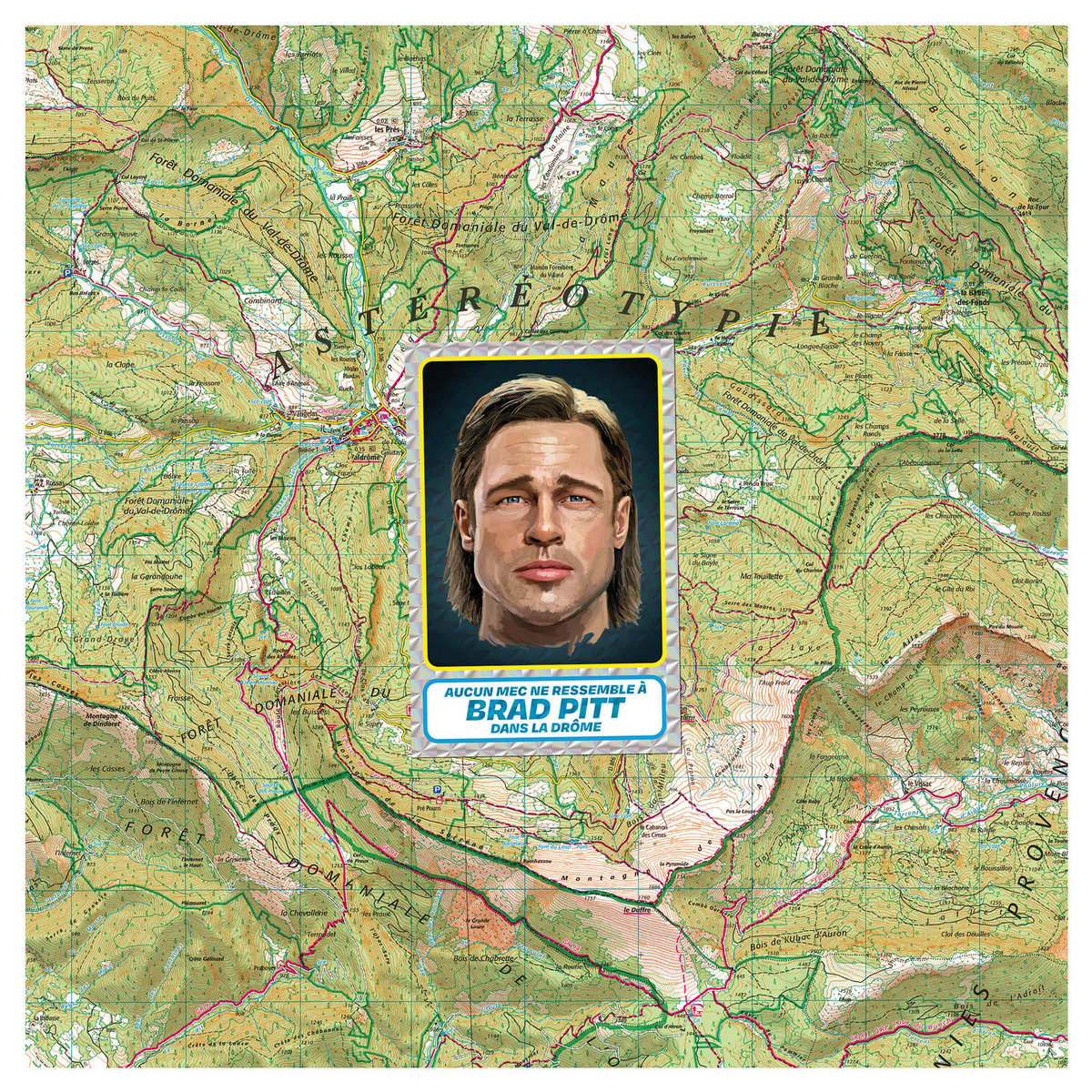
Besides having what is likely the best album title of the year, Aucun mec ne ressemble à Brad Pitt dans la Drômeis a step up for multifarious French collaboration Astéréotypie in virtually every way. While first-wave post-rock flavors were apparent on the past two records, the influence is full-throttle here, with blazing krautrock stampedes and searing, textural guitar work providing the backing for the band’s most verbose lyrical rants yet. With an opener like “Le Pacha” the rest of the tracks could be mediocre and I’d barely notice, but every single cut on here earns its place and then some (yes, even the iPhone skit).
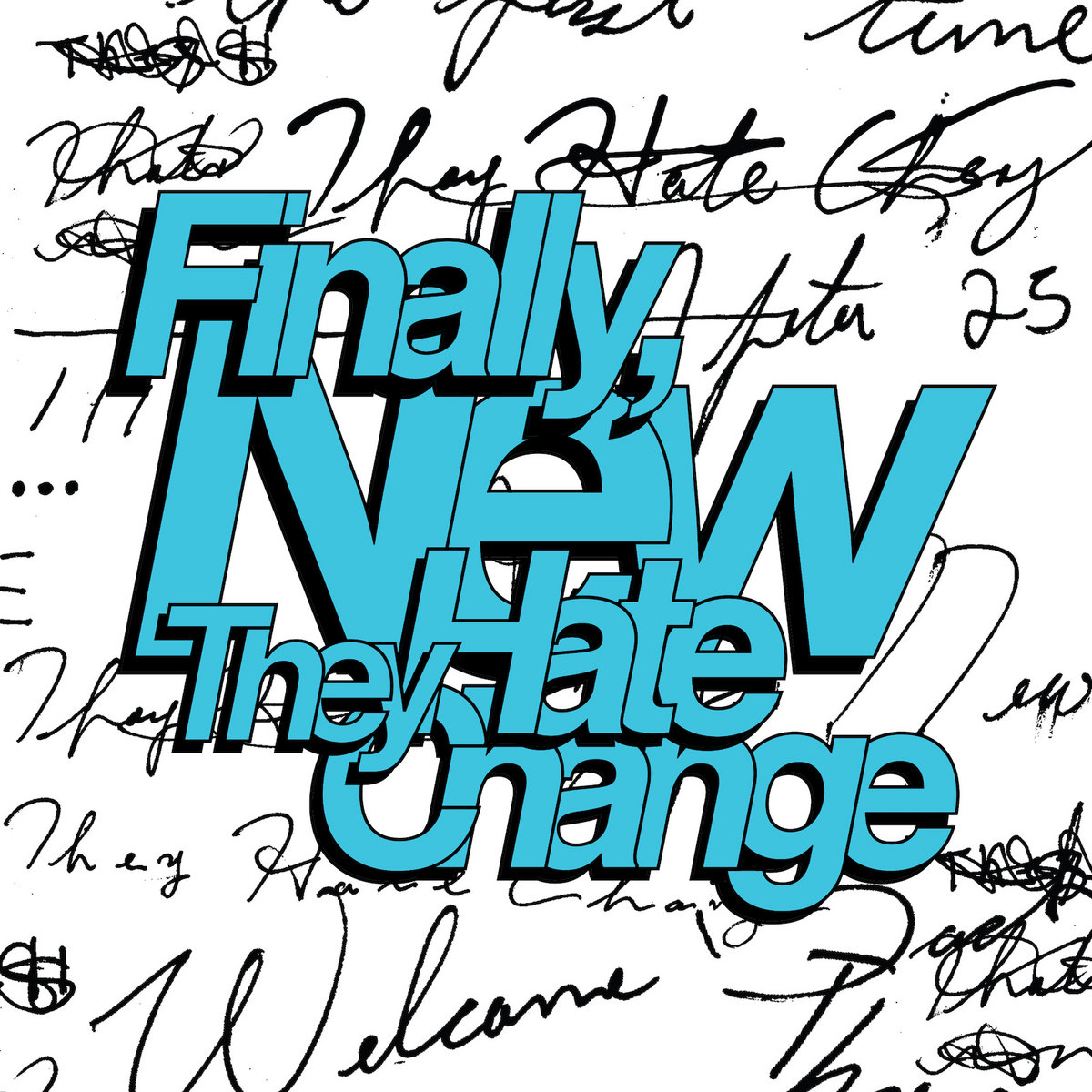
They Hate Change – Finally, New(Jagjaguwar, May 13)
Finally, New is aptly named, at least for me; I’ve been waiting for a new They Hate Change full-length since the very first time I heard their ManeuversEP. The Florida duo’s sound is always changing, and yet it’s also always unmistakable—who else but the Bedroom Rap All-Stars would make a hip-hop LP almost entirely driven by drum and bass instrumentals? “Stuntro” showcases both MCs’ chops for the uninitiated, and the bar only continues to rise, the deceptively complex bars and breathless pace storming through destined classics like “Blatant Localism” and “X-Ray Spex.”
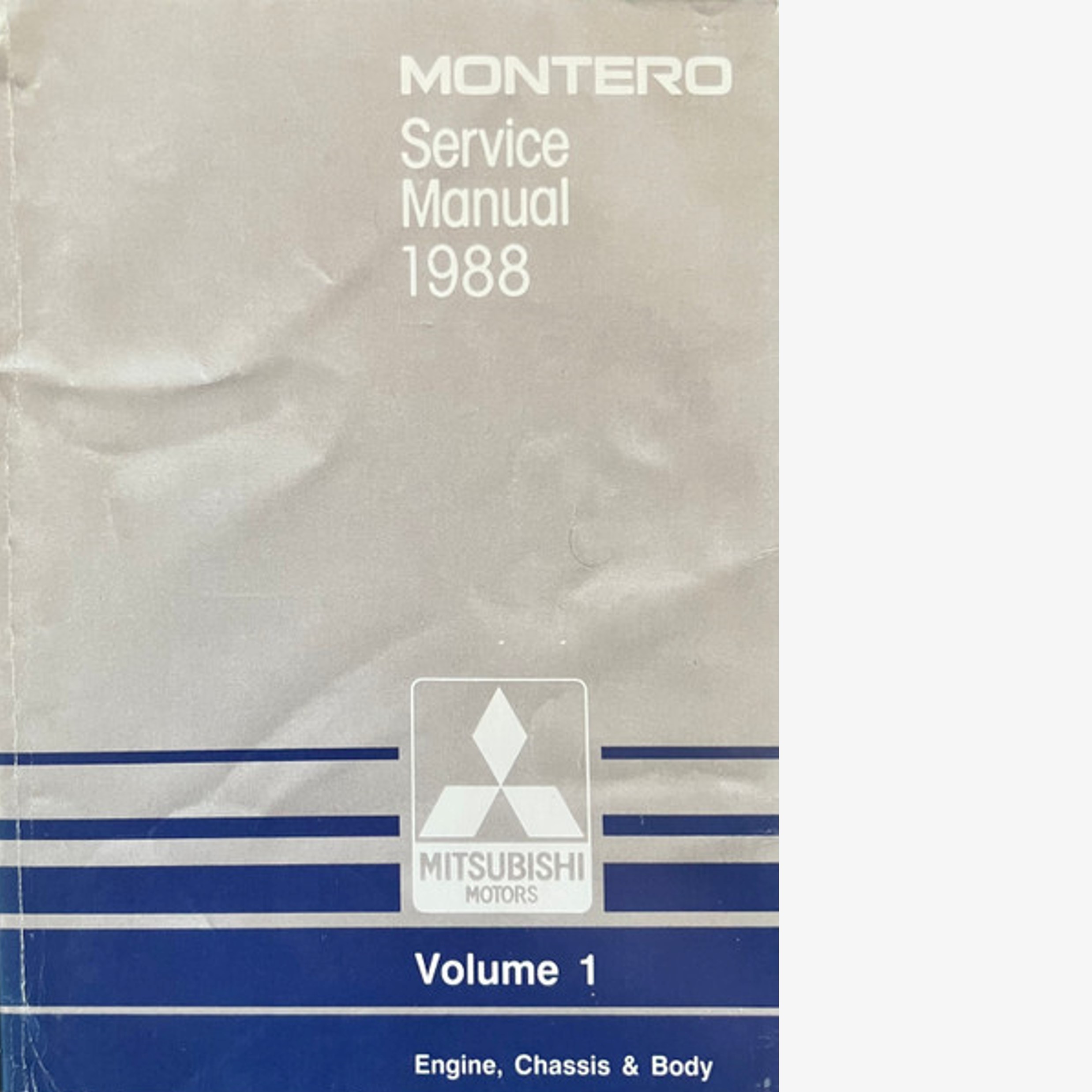
New York’s most technical cutup surgeon has once again concisely outdone himself with 1988 Mitsubishi Montero Sport, a two-track CD-R “dedicated to one specific and inoperable vehicle.” It’s hard to describe Negation’s approach to the unenlightened, besides the indisputable fact that nothing else sounds like it, but rest assured you will find yourself eviscerated by the high-octane title track and hypnotized by the sutured web of “Switchstop.” It’s gone just as quickly as it started—better listen again.
RXM Reality – Sick for You(Hausu Mountain, Mar 25)
I don’t keep up with the Chicago-based Hausu Moutain as actively as I should, but based on what I have heard I’m not sure there’s a better or more comprehensive illustration of the label’s aesthetic than RXM Reality’s newest. Sick for Youboth expands upon and streamlines the dizzying flashcore spasms and intricate deconstructed club anti-rhythms while adding new tinctures of digital hardcore that crank the already overwhelming style formula up to eleven. I usually don’t make comparisons like this, but… if you’ve ever wondered what being inside a washing machine with acid as detergent and adrenaline as softener is like, look no further.
Outsider music has slowly but steadily evolved from an ascribed descriptor into a genre in itself. You’d think that might dull the intrigue that made it something worth pointing out in the first place, but most of the time that isn’t the case. Take the work of Josh Hogan for example, the most recent of which comes in the form of this sprawling two-disc debut by Defeat. Focused and purposeful even as it loosely stitches together everything under the sun, field recordings and folk ditties and barn-attic electronics, the nearly two hours of Teared Upnever fail to provide a musical journey of both epic and humble proportions.
Taking cues from such monumental statements as Since I Left You and Person Pitch, the Dolphins of Venice make their biggest splash yet with Mutuals. All fifty minutes of the album are saturated with verdant steam and swampy wetness, shrouding simple yet infectious bass lines and overlapping samples in a glorious organic glow. My favorite moment of the whole thing might be the “FT Rogman” remix, a dreamy repurposing of the instantly recognizable piano chords of Swell Maps’ “A Raincoat’s Room,” but as a whole it’s one of the most replayable records I’ve heard in a long time.
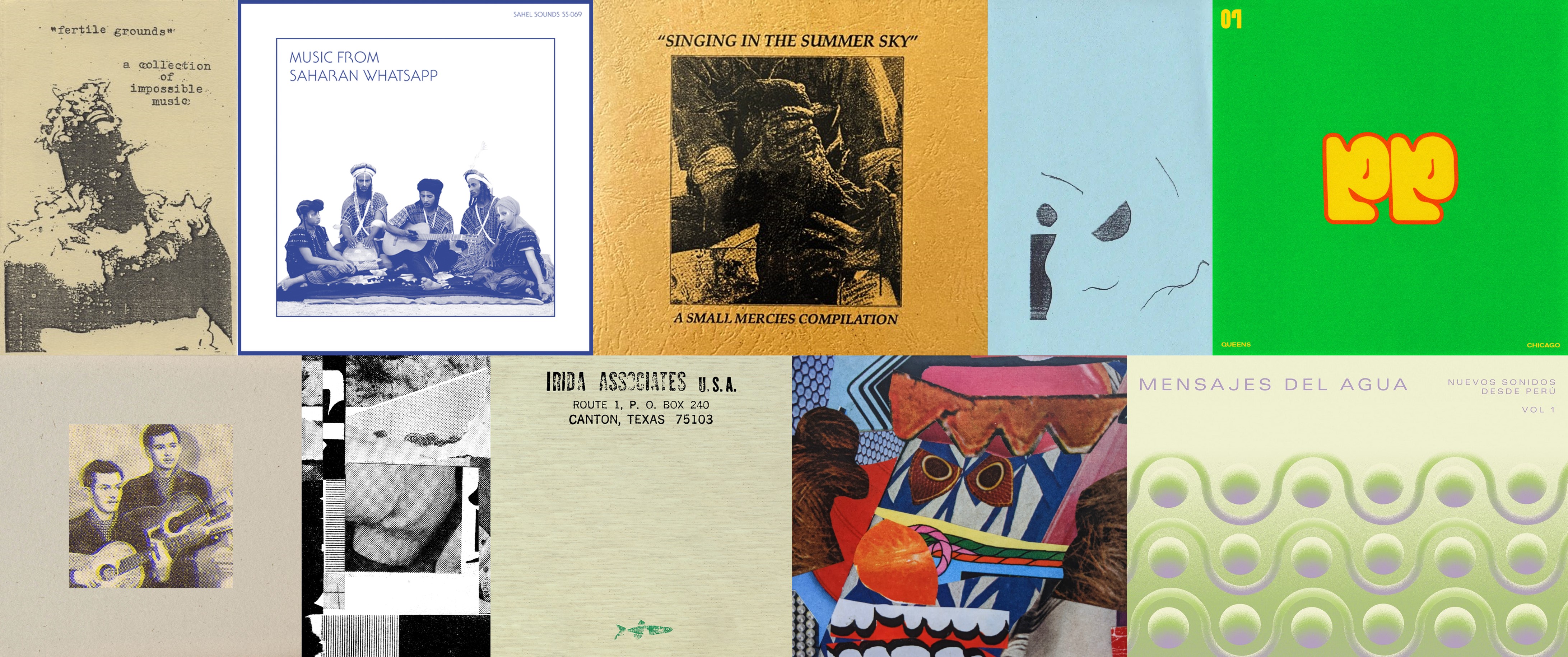
Released alongside the self-titled Humectant Interruption tape mentioned in the last list, Fertile Grounds rounds out a hearty 2022 for the soon-to-be-Miami-based ODMOWA imprint—call 917-456-9133 for catalog. Scattered self-help audio extracts escort ears through a packed tracklist featuring newly established label staples HI and Smell & Quim (whose Spermathlon got the reissue treatment earlier this year) alongside names both familiar and unfamiliar: John Duncan, Knurl, Anal Character, Kapotte Muziek. Ridiculously eclectic and thoroughly bizarre at every turn.
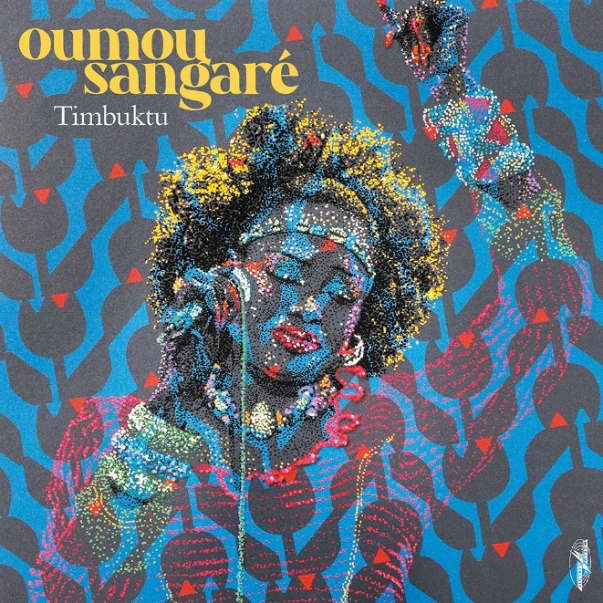
Already renowned for curating digital-age approaches to African traditional and pop music with releases from the Wau Wau Collectif and Tidiane Thiame, Sahel Sounds has put out what might be their best material yet with Music from Saharan WhatsApp, a sublime compilation cobbled together from cellphone-recorded jams and performances initially exchanged via the titular network and released in individual volumes. Every track is fantastic, but few pieces of music have affected me as deeply as Andal Sukabe’s intimate “Hay Malale.”
Much like last year’s Year of the Rat, Small Mercies’ most recent compilation gathers the lion’s share of the label’s usual suspects for a diverse yet consistent collection of abstract sound pieces. The project I know the least about, Movers, kicks things off with a well-chosen sample leading into a seething slab of analog harsh. From there the extremity ranges from Plague Mother’s trademark incendiary blasts to subdued, droning dark ambience from Scant and No Dreams. Though I haven’t been able to get into their work in the past, it’s Mistletoe that contributes what is probably my favorite track.
Nathan Ivanco’s aptly named Hamilton Tapes has an established aesthetic that pretty much every release embodies, but I don’t think I’ve heard one that does it as comprehensively as Morning Sketches Vol. II. 16 artists, projects, and aliases of nebulous identity fill both sides of a C80 with dust-smothered tape music that tends toward the humbly sublime. The names I do know represent a patchy who’s who of Canadian DIY lo-fi sound art, so needless to say, Korean Undok Group fans will find lots to love here.
We may have lost the great Peter Rehberg last year, but radical computer music is nonetheless alive and well, evidenced by exciting new collectives and labels like Party Perfect!!!. Their first release presents four albums in a single connected unit, but despite the lengthy runtime each volume tends to lead in to the next, and before you know it you’ve listened to the whole thing. Stefan Maier’s 2018 performance work The Arranger, powered by a machine learning algorithm, is some of the best glitch music I’ve heard in a long time, but everything here has plenty to offer. Original review
An initiative that has quickly established itself as a leading source for quality archival material, Death Is Not the End is notable not just for the quality of the curation itself but also for the wide variety of styles and traditions they highlight. River of Revenge documents the earliest origins of Brazil’s sertaneja genre, a counterpoint of sorts to American country music, and anyone interested in the former will find plenty to love here too. At first swathed in dust and marred by crackle, the recordings progress chronologically toward more contemporary formations, making the full experience—as with many DINtE releases—not just a musical experience, but an educational one as well.
Loosely guided by the spectro-visceral aesthetics of sound artists Alice Kemp and Rudolf Eb.er (who both contribute a solo track as well as a collaboration), the more diverse of the two new V/A releases from Italy’s Second Sleep offers a skeletal potpourri of drone, collage, field recording, conceptual art, and more. Renato Grieco hangs a bit of a left turn with “The Most Intense Light Experience This Voice Has Ever Had,” an unusual spoken word tract that reminds me of Hardworking Families’ “Hindered Soul”; Charmaine Lee pitches in with her virtuosic vocal improvisation technique for “小心肉,” perhaps the noisiest cut of the bunch; and Canti Magnetici alum Aniello wraps up with a ponderous pool of tape ambient.
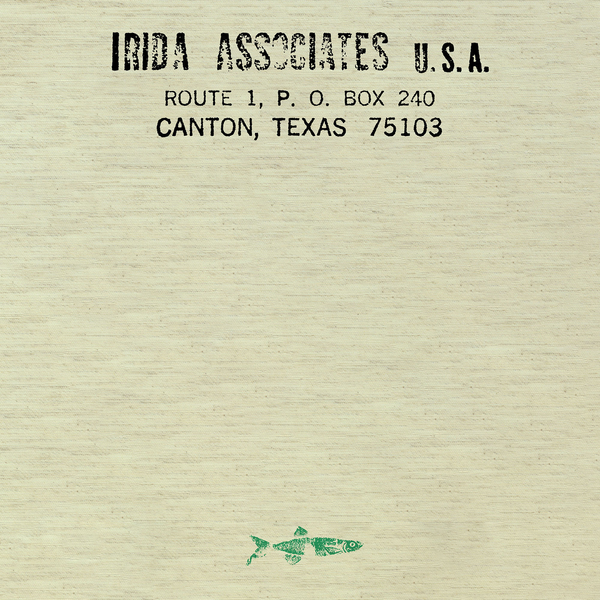
Another collection whose premise and purview are concerned with the history of the music in addition to the music itself, Blank Forms’ massive seven-volume anthology of forgotten material from the fleeting Canton-based imprint Irida covers a staggering amount of ground. The work of owner-operator Jerry Hunt features prominently, joining several other composers for an array of avant-garde classical and electronic music that feels just as exciting now as it must have been four decades ago. For fans of Dockstader, Stockhausen, Oliveros, etc.
Few vestiges of the early American avant-garde have survived and thrived more than the Los Angeles Free Music Society, a once location-based collective that has expanded both geographically and stylistically over the past few decades. Across two discs, eminent founding figure Ace Farren Ford and new-generation voice John Wiese stand shoulder to shoulder with a vast quantity of names old and new, known and unknown (to me at least): {An EeL}, Million Brazilians, Control Unit, etc. The sprawling set is the first issuing in the Gazette series since 2013, and it hopefully won’t be the last.
Compiled by Buh Records honcho Luis Alvarado, Mensajes del aguais accompanied by a lived-in account of the state of the contemporary experimental music scene in Peru, the vibrancy of which Alvarado states is “most apparent in the emergence of collectives to promote new music made by young people, such as Dehumanización or Retama, as well as in the development of a new strand of electroacoustic composition connected with circuits of the musical underground.” Unsurprisingly, the tracks run the gamut of subversive approaches, from field recording assemblage to formal modern classical arrangements.














 Noise Not Music