 Sometimes the best walls are not the ones that immediately and loudly assert their full presence, but rather the ones that sort of creep up on you, and Reaching Needles’ first externally produced material on the promising new Death to Dynamics imprint is certainly the latter. At first blush the noise palette of Illwisher is muffled, limp, dead, swirling thickly but lazily like the dust from a dried-out bird corpse (the Ottawa-based artist has an aesthetic predilection for things in trees; see the terrifying profile image of their Bandcamp page for another example), dark and dense but lacking the force of life. It helps that the sole half-hour track is mastered rather low, stripping the sonic mudslide of any unearned abrasion and relegating it to the background. But, as I’ve already implied, there is more to this release than meets the eye, or ear (or nose, I suppose—think mothball-filled attics, sunbaked flesh, the unspeakable liquid concoction that collects at the bottom of trash bags). As the central drone burrows through the middle channel like an eager maggot, subtle details in its periphery begin to reveal themselves: chunky microtectonics deep within the core of the distortion cocoon, fleeting bits of buried hum that are often almost tonal, tremors and trembles where before there seemed to be only stasis. Perhaps death is not the end after all, and we get the privilege of remaining conscious as the earth reclaims our bodies. Illwisher is what the final stages of that would sound like. And it only takes 30 minutes! Efficient.
Author: Jack Davidson
I like to listen to, read and write about, and play music.
Review: Augurio Drama – The Noise Box (Audible Violence Tapes, Jan 7)
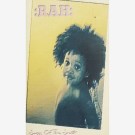
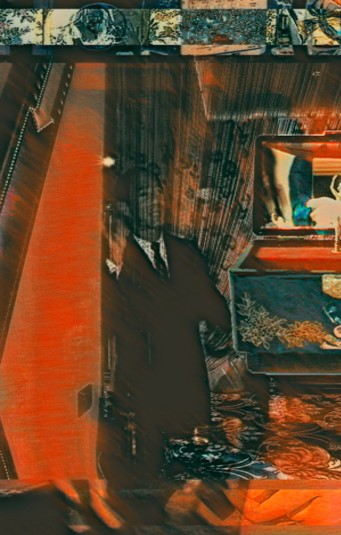 I’ve become quite fond of a specific subset of noise music that is, like so many of the other Pepe Silvia connections and conclusions I’ve mentioned here over the years, easy to identify but difficult to define. Examples are easy—Discrete Vacaction’s Dreaming Through Chlorine, :RAH:’s Songs of the South, Odd Pike and ЖЕРТВА’s recent split tape, and, just in the past week or two, great releases by Vampire Girlfriend and Peasant Farm—but when it comes down to specifying what it is that makes them similar, it gets murkier. And yet here, with The Noise Box, relatively new project Augurio Drama has created such a colorful, ostentatious prime example of precisely what I’m trying to describe that it can just do the work for me. This eight-track full length offers up plenty of noise, there’s no doubt about that, but where others sculpt theirs into mesmerizing currents, chop it into fragments, blast it with inhuman force, Augurio Drama allows it to sputter, screech, slough; more “squeezed” out than “slammed down.” The sluggish, almost careless wrangling of mono-favoring feedback torrents and distortion-smeared rumble; the snatches and shells of jarring atmospheric electronica that feel like fractured afterthoughts; the kinesis that feels just as much gestural as it does passive; the thoroughly comprehensive weirdness of it all—these things are not only the essential features of The Noise Box, but are also key elements of the sort of deconstructed, hollowed-out, ephemeral pseudo-PE that I can’t get enough of.
Review: Roller – Offed (Radical Documents, Jan 5)
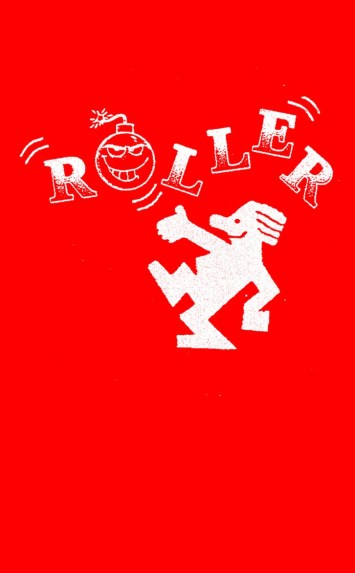 Formed in Ohio and now based in LA, Roller, the duo of Ross Caliendo and Jordan DiDomenico, has operated as a live unit with no recorded material for 15 years—until now, that is. Offed, a C38’s worth of formidably consistent material “[c]ulled from hours of live improvisation,” seems (albeit to a brand new fan) very much worth the wait. With roots in the “frigid warehouses of the mid-western noise scene” and a distinctly freeform and instantaneous approach to collaboration, Caliendo and DiDomenico’s music embodies the furthest remove I’ve encountered from the sacred, reliable rhythms of EDM that still remains firmly in danceable territory. Much of its strength lies in its seamless assimilation of electronic music tricks and tropes—countless samples of all sorts bent and buffeted, pounding patches with beats that bust open as soon as they hit, sawtooth synth transmissions—to the point that it might cast the illusion of careful composition and post-production, and yet its volatility is, after everything, what makes it so spectacular. It’s difficult to put together coherent thoughts about tracks like “Habit Man Zero” or “Homonculus” or “Endo” that check every box I didn’t know I needed, mangled Arca-style cuts over grooving bass slices and wet, stumbling mid-tempo techno and brutal four-on-the-floor broken and bitcrushed just the right amount. Can’t you tell? I’m in love. LISTEN TO THIS!
Mix: Free Country
With both the immediate and the feels-like-distant-but-is-probably-also-immediate future looking bleaker than ever, I think we all need not just a break, but a break soundtrack as well. This mix began with a stylistic basis (the title comes from Davenport’s Free Country), focusing on tracks that repurpose country or Americana conventions/instruments for something much looser and, well, freer, but it evolved into what I hope is an auditory distillation of feelings many of us have all but forgotten: the gift, not the curse, of solitude; the strange comforts of the shadows and darkness that lurk just out of your reach; the alluring, unchecked expanse of the horizon; the unspoken promise that there will be something even more beautiful beyond it.

Patrick Adams, ‘Meadow Stream’ (2015)
00:00. Old Saw – “Dirtbikes of Heaven, Grains of the Field” from Country Tropics (Lobby Art, 2021)
06:41. Rameses III – “No Water, No Moon” from I Could Not Love You More (Type, 2009)
12:57. Jacob Sunderlin – A side [excerpt] of Hymnal (Null Zone, 2017)
16:11. Jackie-O Motherfucker – “Falling Light” [excerpt] from Candyland (self-released, 2006)
19:58. Davenport – “The Light Ahead, the Dead Fields Behind” from Free Country reissue (Gutter Prog, 2014)
24:35. Mémoire vide – A side [excerpt] of Mémoire vide (Affenstunde, 2020)
30:32. Lake Mary & Oxherding – “Slow Grass” from With the Windows Open (Distant Bloom, 2021)
35:47. Lowercase Noises – “Roaring Forties” from Passage (self-released, 2012)
Review: Wind Tide – Sound from Focused and Found Routines (self-released, Jan 4)
 By this point I’ve witnessed a number of (but never enough) sound installations of all shapes, sizes, and substances, plenty of good and plenty of bad and a select amount of great just like any realm of art, but one thing they all have in common with one another is the creation of a new ambience. No matter how simple or quiet or minuscule its contribution is to its surroundings, no matter how much this “new ambience” mostly just comprises the old one, the soundscape is necessarily altered and—often beautifully—remade. And this is certainly the case for Focused and Found Routines, a performance-based piece by Littlefield, TX duo Wind Tide using various sound materials “moved around the gallery space over the course of the evening.” This release presents a 45-minute audio recording of the opening performance for the piece, a languid slice of abstract, hypnotic tedium that returns to the sublime discreet clatter of Journal 2020 after a few releases I wasn’t much into. Throughout the ambling drift, the raw synths squeal incessant smoke-swirls of piercing frequencies into empty space, the space that isn’t occupied by whatever is the sound of rushing water, and what sounds like at least a few radios (with some of the best grabs I’ve heard to boot) and old doorbells and small motors, and—a whole sink, that someone’s doing dishes in? And a blender? A microwave? I have no idea what the specific objects are, or if they were even actually in the room or just previously recorded, but nonetheless their cumulative semiotic aura is easily identifiable: this is domesticity displaced, the intimacies of home rendered in disassembled yet sensible form for . . . what? Examination? Appreciation? Both? Not all sound installations offer a just-as-compelling audio-only experience, but even then there’s always the alluring, unsolvable mystery of the gap in perception, the not-welcome question of “what did I miss?” to keep you occupied. And then this one. Wow. Have I mentioned that I love this band? I love this band.
Review: Nehalennia – Galeophobia (ONN, Jan 3)
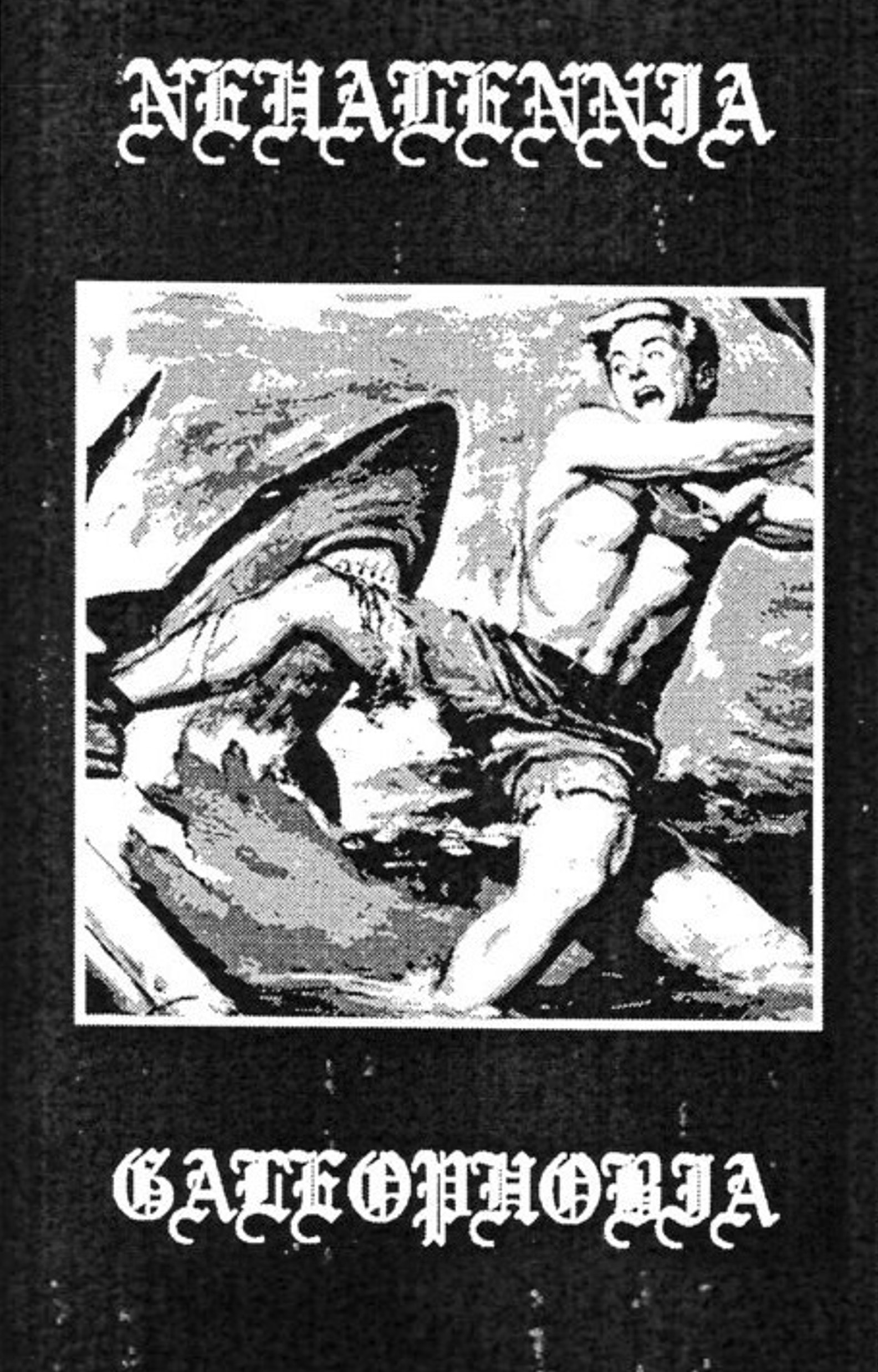 Before even listening to the music, most could probably discern using context clues that galeophobia refers to an irrational fear of sharks. The cultural phenomenon of these unfortunately scary-looking animals being perceived as merciless killers is an interesting one, because the “evidence” can really only be found at two distant points: rare actual shark attacks, and then masterpieces of cinema like Jaws, Open Water, and The Shallows, of which the latter holds considerably more weight in general consciousness. But Galeophobia has little concern with sensationalizing shark attacks in such a way, instead leaning toward the dormant terror submerged beneath the small but persistent twinges of “but what if?” when you find yourself much farther from shore than you thought you were (yes, “you”—no swimming at beaches or open ocean for me, no thank you!). Captured live during a small private performance just after the new year hit, the more recent of Nehalennia’s two new single-track offerings mashes and slices “shark encounter footage” via various effects and faulty tape equipment, working up an ear-splitting racket of horrific harsh that cuts its fin right through whatever’s between the violent immediacy of a really good tabletop set and the queasy environmental psychedelia of laughs and screams heard from across a cavernous aquatic center. Shark-related source material is far from a novel concept in noise, to be sure, but Galeophobia (along with Acolyte of Narcissist Tendency, which preceded it) is a fresh and much more enjoyable take on the approach.
Review: F. Leote – Colagens (Panama Papers, Jan 2)
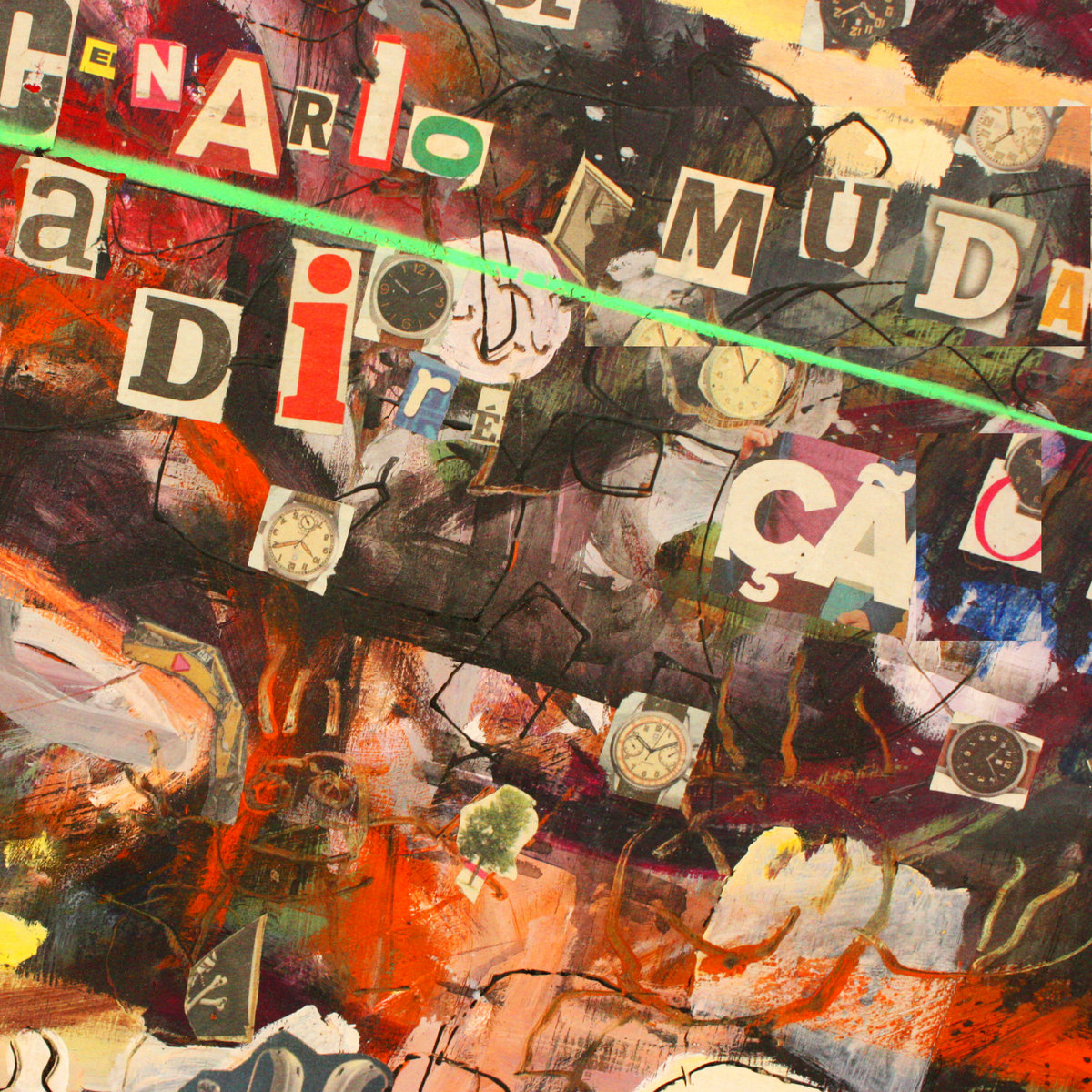 A particularly unruly gaggle of radios set up for a performance of a Cage piece acquire group-sentience and produce a “composition” of their own in Colagens, a rare new entry in the solo catalog of Portuguese artist and curator Filipe Leote. The music is pristinely rendered in full digital clarity, and yet this still very much feels like something contemporary-in-spirit with the most eclectic of the mail-art titans (indeed, other adventures in the same vein can be found in Gen Ken Montgomery’s recent Unknown Destination). After the brief opening fanfare of “Jingle,” Leote draws us into an enrapturing, narrative collage of everything from detailed car-horn symphonies and dense pseudo-concrète melanges to disaster alarm systems layered alongside irreverent synth-punk and speeches. At the risk of making too many comparisons—though the rich, indiscriminate approach taken here seems to engender such things—“Revolução Industrial” is very Negativland in its deliberate yet abstract pace and blurring of contrast and homogeneity. But, thankfully, that’s not limited to just that track; “Meddley” features even more unholy juxtapositions and a stretch of porno moan speed-switching that would make even Joseph Hammer blush, while “XTC” unfolds like a radio play of a carnivalesque apocalypse, all ominous rushing winds and helicopter blades and maniacal delirium and other assorted bits of chaos. By the end you’ll feel like you’ve walked a thousand miles, but perhaps (probably) only in a circle. Colagens is what we’ll hear when we finally spiral as far down as we can go.
Review: Faces of Death – 1977 (Sour Tapes, Dec 31)
 December of what is now last year ended up being a formidable month music-wise, but I think my highlights were reasonably well-represented in the end-of-year coverage (thanks to everyone who read or shared, by the way), but my 2022, for better or worse, begins with one last decrepit relic from the rotten past. I’ve been a fan of Sour Tapes ever since I picked up Slacking’s Tape Cramp and Mallard Theory’s Duck Soundtracks, both entries in the label’s excellent ongoing Pittsburgh Noise series, in a random Discogs spree, but two new pairs of blasts from fresh-out-the-oven project Faces of Death, specifically 1977, have me more excited than anything else they’ve put out. Extreme stereo-field fuckery is something I’ve come across a lot of recently, and it’s something that’s so easy to mess up (and so often is), but both sides of this tiny tape totally make it work: the first sends percussive industrial blasts screaming from the left-confined void to counter the piercing squall of the right, while the second decays from a mesmeric sheet of full, high-pitched harsh and what sounds like distant vocal sources into a bifurcated, left-favoring nightmare. It feels so much longer than the less than eight minutes it is, and yet it’s so endlessly replayable, somehow always offering up new undiscovered quirks. $10 is a bit much for a tape in my opinion, but it is only a run of eleven, so if either or both of your connection to this music and your wallet are larger than mine, I say go for it. Satisfaction guaranteed.
Feature: Favorite Albums of 2021
Not only have I run out of thought-provoking intro material, I’ve also used up all of my “clever” bits of subversion that I use when I’m too lazy to write actual copy. So have this obnoxiously self-aware and meaning-null series of words instead. Happy new year.
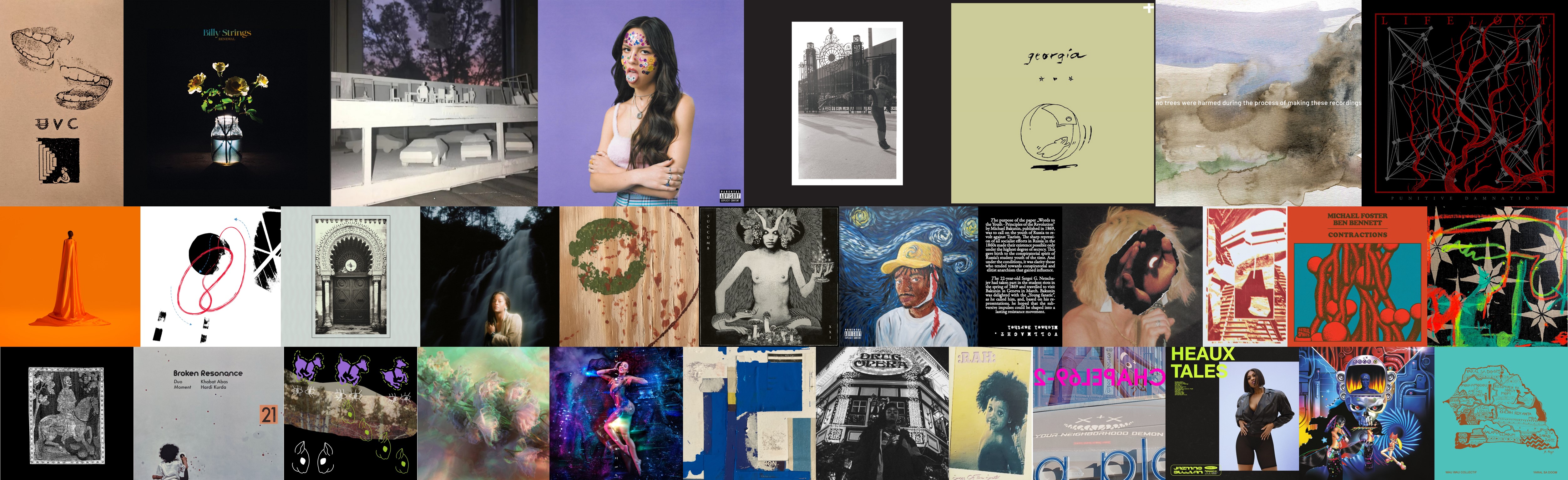
I’m sorry for the formatting for the honorable mentions is a bit weird on both desktop and mobile. I really have no idea how to fix it but I’ll keep trying.
Also, sorry about the links. All fixed now—I think. Ugh.
UVC – Broken Phonemes of the Unconscious(ness) Grid (Regional Bears, Oct 10)
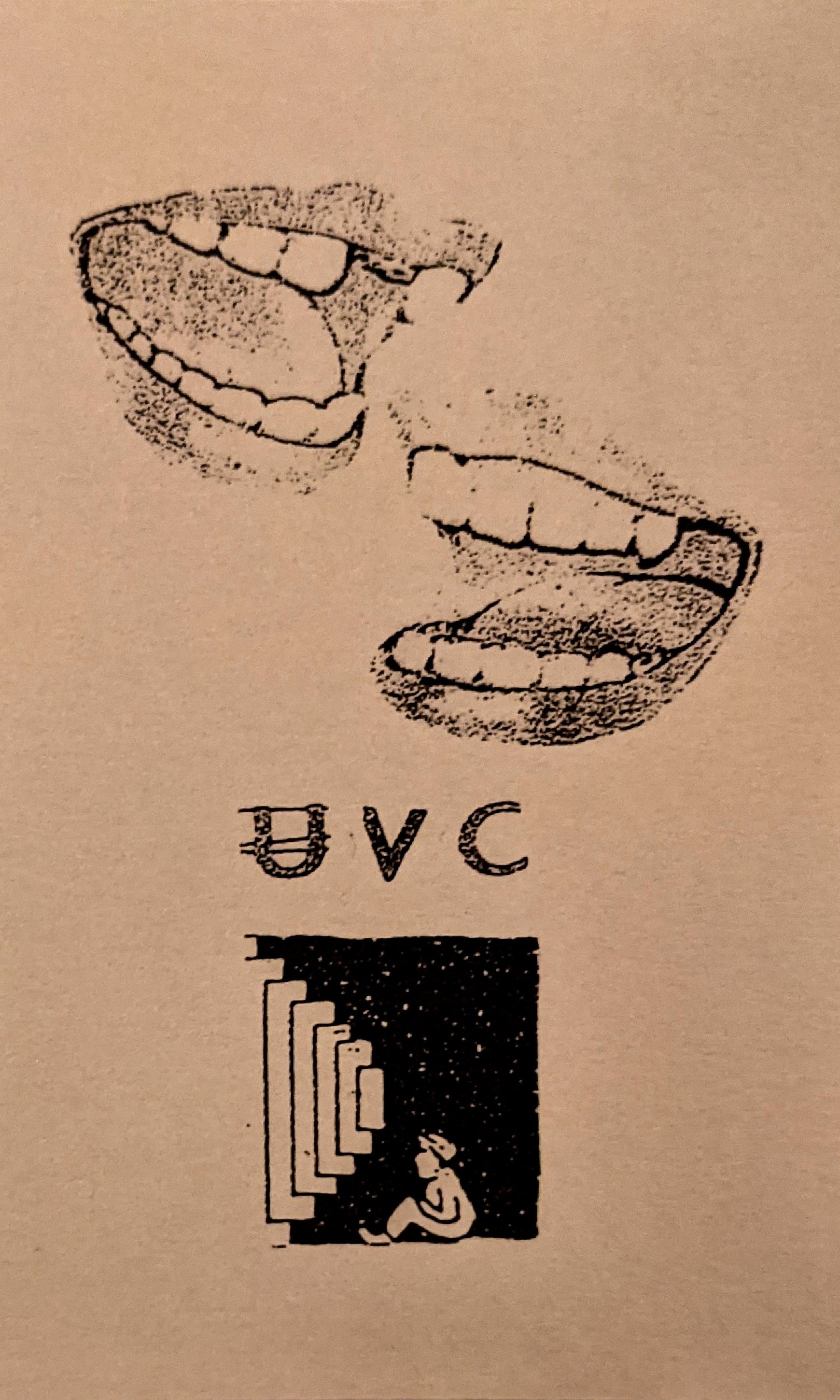
UVC has always been an artist to whom I attribute brevity as one of his main strengths, so I’ll admit I was the tiniest bit skeptical when I saw that this Regional Bears tape was a C46 (less “will this be bad?”, more “how in the hell will this work?”). But as soon as the A side–spanning first track on Broken Phonemes of the Unconscious(ness) Grid settled into its “groove”—an innocuous yet wholly singular sound-universe of tape whir, noisy blankness, and trivial mundanity that defines not even the loudest of UVC tapes, but other memorable one-off BPF projects like Winston 1 and Bill Lewis Medicine Cabinet as well—it was like coming home. There’s something so intensely fascinating about the null-zone between instantaneity and retrospectivity that this “music” occupies, a place where sounds are both “here” and “there.” Throughout the humble opus, closely recorded scrabble/shuffle and analog-grimed tedium drones inexplicably harmonize and congeal into unperceivable, impossible currents that activate stuttering loop churns and other structural destabilizers; plucky junk-electronics pinch and ping into the dusty void; distant domestic clatter both coexists with and contradicts claustrophobic DI noise. I swear, it’s like he made this specifically for me.
Billy Strings – Renewal (Rounder, Sep 23)
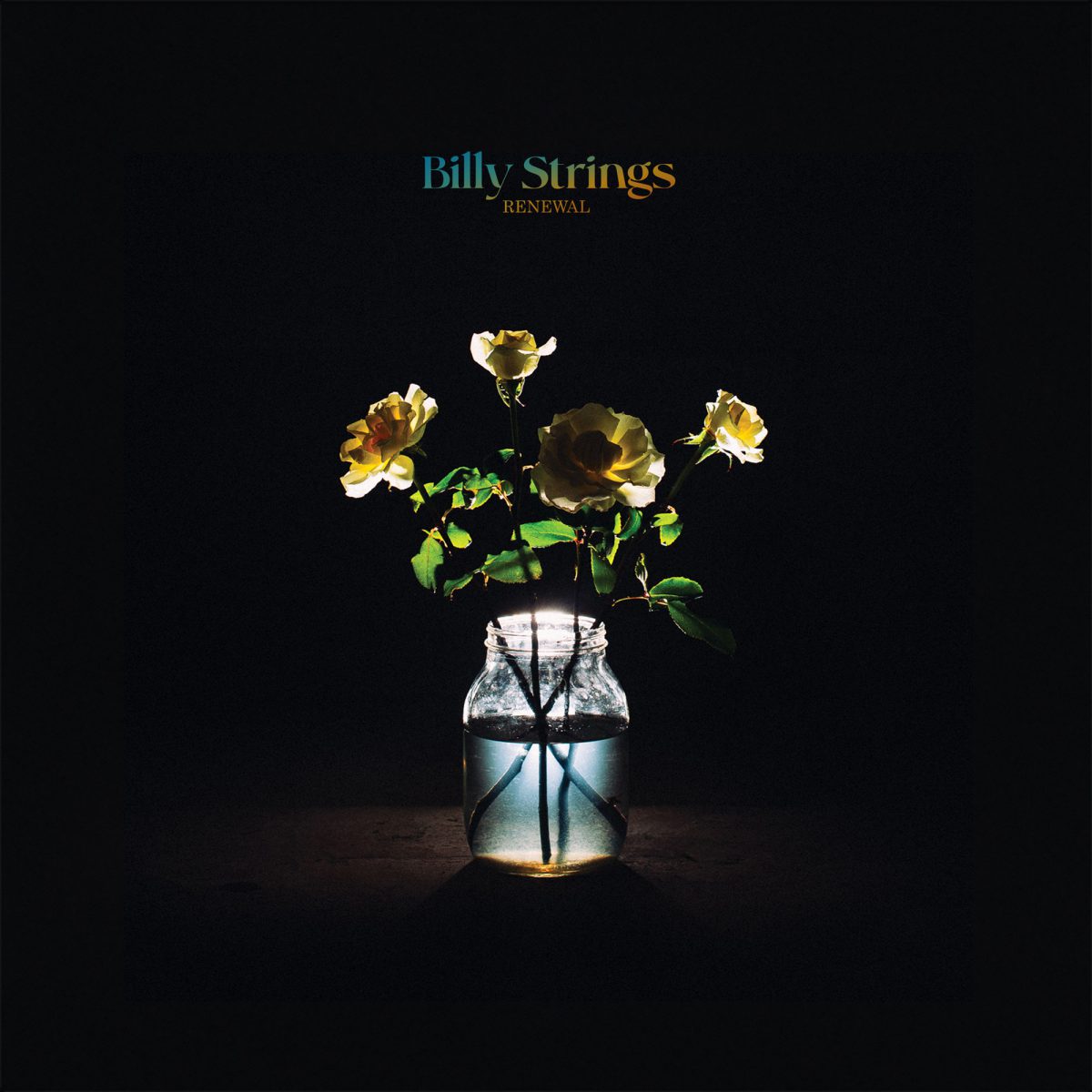
Michigan-born, Nashville-based songwriter Billy Strings (a.k.a. William Apostol) is a name that’s unfortunately unfamiliar to many, but ubiquitous to few (both this record and the one prior to it easily hit #1 on the Billboard bluegrass charts), but if anything can change that it’s his sprawling, ambitious third solo effort Renewal. Fans who discovered his music via 2019’s Home, such as myself, may have expected him to delve even further into jam-heavy electric psychedelia on subsequent releases, but the 70-minute, 16-track double LP is a thoroughly acoustic outing, with the classic lineup of banjo, mandolin, double bass, and violin (performed by Billy Failing, Jarrod Walker, Royal Masat, and John Mailander, respectively) rendered in sublime, spacious clarity alongside Apostol’s trusty six-string and additional contributions. Every single song is a self-contained, mesmerizing masterpiece: beautifully ragged group harmonies and infectious solo exchanges power straightforward foot-stompers like “Secrets” and “The Fire on My Tongue”; expertly applied tension-and-release bolsters longer jams on “Heartbeat of America” and the spellbinding “Hide and Seek”; and it’s all rounded out by flawless nods to the deepest roots of this music in the form of the Walker/Ward-penned “Red Daisy” and “Running the Route.” It gets better every single time you listen, I’m not joking. Thanks Billy.
___ Duo – Music (music. dot. com!!!, Jan 16)
 When I first heard Music it was called ., an even more evasive and inconvenient title that nonetheless represents well what the musicians behind the various ___ collective projects are going for. Completely formal or serious (or even worse, “academic”) electroacoustic improvisation has become utterly boring in this new age, and thus I’m finding myself drawn to subversive music created using even more unlikely sources and combinations thereof. Music certainly fits the bill with its credits of synth, sequencer, turntable, cello, sampler, and guitar to one unnamed performer and tapes, flute, voice, and live processing to the other, but ___ Duo doesn’t just obstinately oppose any sort of conventional instrument selection—they also refuse to make anything remotely conventional with them either, an approach that paradoxically leads to crude, asymmetrical lumps of misplaced convention amidst dense abstraction. I once again feel obligated to bring up the short-lived but legendary Sunshine Has Blown ensemble, whose once-untouched uniqueness I see reflected in the sluggish, sun-cracked swathing of “hr9%$KtQP#jedpVW” and the shabby loops of “fSvvbsg_6M97zj@A.” This is the future, unfortunately.
Olivia Rodrigo – SOUR (Geffen, May 21)

It’s not often that I appreciate an album so deeply for being not just a pop-culture juggernaut, but also essentially a voice of an entire generation, so when it does happen, I make sure to value it. At just 18, Olivia Rodrigo has handily met that tall order with her first full-length album, and thus, beyond the strength of the music itself, SOUR feels nothing less than important. It’s as much a love letter to the artists that made Rodrigo the artist and songwriter she is today as it is an incendiary teen-pop reset: “brutal” feels very much in the vein of early- to mid-00s bad girl pop rock, but with a decidedly Gen-Z supply of frankness and impatience; “1 step forward, 3 steps back” incorporates a piano melody from a Taylor Swift song; and, of course, “good 4 u” is a not-so-subtle tribute to you-know-what by you-know-who. But unsurprisingly it’s the sleek, deftly produced, newfangled cuts that I’m personally most partial to: the unruly percussion, soaring melodies, and gloriously cringeworthy youthfulness of “deja vu”; the endless replayable and sing-alongable “drivers license”; the unapologetic and stiltedly propulsive “jealousy, jealousy.” I have no doubt that SOUR won’t take long to be seen/heard as a product of its time, and I also have no doubt that I will love it even more for it.
Irreversible Entanglements – Open the Gates (International Anthem, Nov 12)
 I wasn’t exactly coy about my love for east coast super-quintet Irreversible Entanglement’s last record Who Sent You?, so their first double LP being featured here shouldn’t be too much of a surprise, but I’m also sure I speak for both myself and many others when I say that Open the Gates is even more spectacular than I ever could have anticipated. Though much of the album’s appeal comes from its lengthy instrumental sections and the way they steadily progress while both intertwining with and springboarding off of Moor Mother/Camae Ayewa’s reverberant spoken mantras, the brief opening title track is one of the band’s best yet, featuring a quite-distinctly Luke Stewart bass groove and an invigorating rhythmic energy that carries over even into the patient, slow-building haze of “Keys to Creation.” As a whole the record feels at once like a smooth-seamed suite of continuous collective imagination (it was recorded in a single day back in January) and like a jewel-studded “best of” compilation due to each cut’s heaping helping of memorable moments—Aquiles Navarro’s vivid trumpet that lays the groundwork for centerpiece “Water Meditation,” for example, or Tcheser Holmes’s fluid groove-trades with both Ayewa and Stewart on “Storm Came Twice.” Consistently awe-inspiring, mind-warming, and life-affirming.
Georgia (Rodent Tapes, Oct 6)
One of the first albums I discovered when I was just beginning to learn all the things music could be was Bugskull’s Phantasies and Senseitions, a scuzzy outsider lo-fi classic that puts on display both the uncanniness and the comfort that “poor” recording quality can frame so fittingly. Nothing, and I mean nothing, has ever come so close to evoking the same unsayable things as Georgia does. The Toronto duo’s eponymous debut, despite being digital-only as far as I can tell, is pretty damn close to the same sort of obscurity that invariably complements this type of music; no one (not even me—yet—I’m ashamed to admit) has bought it on Bandcamp, the band itself is nigh-unGoogleable, and the label that put it out doesn’t seem to have much information to offer either. But the loose collection of thirteen tunes speaks for itself. “Ottawa” sets the stage with its ramshackle collage of bright, naïve guitar noodling and textural soup like the song of a small army of malfunctioning radios; “Souvenir” is a breathtaking bit of simple singer/songwriter drift complete with soothing dual-vocal coziness; and “Condensation” is a noisy, Pumice-esque mass of overblown beauty that’s nothing less than magic. It’s like being slowly wrapped in an impossibly soft, warm blanket with just enough scratchiness to remind you how soft and warm you are.
SZSZRZ – No Trees Were Harmed During the Process of Making These Recordings (self-released, Sep 3)
Few other musical works in 2021 are as profoundly calming as this first album from the Polish method-trio of Tomasz Pizio, Jędrzej Siwek, and Łukasz Suchy, an exercise in sonic subtlety that can serve as both reminder and soundtrack to stop, sit, and take more than just a few deep breaths every now and then. Comprising seven tracks of both raw and processed/arranged recordings of creaking branches, No Trees Were Harmed During the Process of Making These Recordings focuses on the familiar yet captivating ambience of the serene outdoors, and it seems to me that the roles of at least the just-creakers (Pizio for numbers one, two, and three; Suchy for four and five) being essentially equivalent to breeze-assisting acolytes is no accident; this music is about simultaneously inserting and removing ourselves, appreciating the natural rhythm, sway, and stasis that surround us while acknowledging and fulfilling our limited place within it all. In this way, Siwek’s “Reworks” are simply another level or plane of reserved interaction, an auditory realization of the invisible but beautiful connections we frequently take for granted.
Lifelost – Punitive Damnation (Onism Productions, Dec 10)
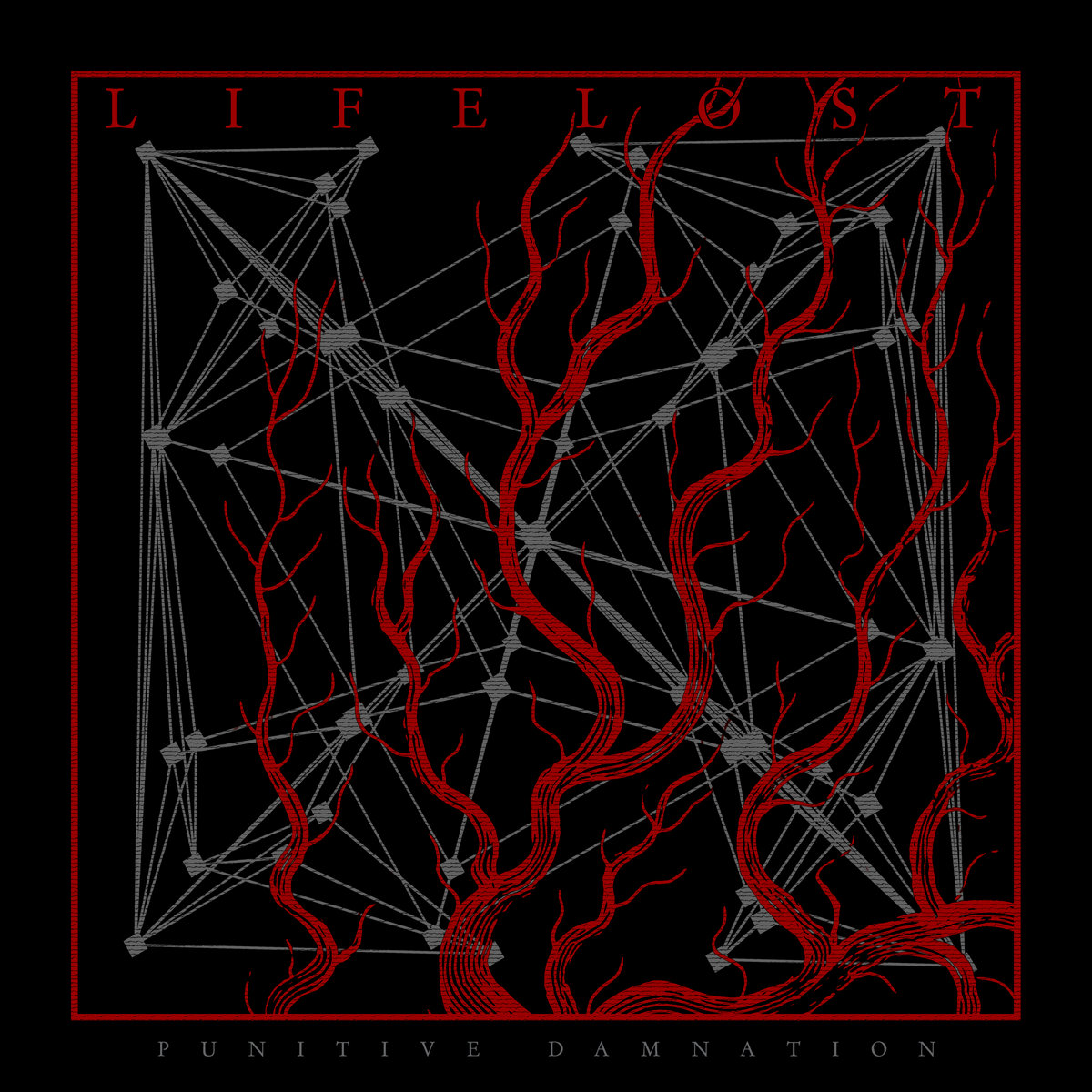
The year’s best black metal release took its sweet time revealing itself, but we were finally given the gruesome gift of Lifelost’s second record Punitive Damnation earlier this month, and it was worth every second of the wait. I hadn’t heard the first declaration from this solo project by Spanish multi-instrumentalist Phlegeton, 2018’s Dialogues from Beyond, before I discovered this one, but either is certainly a sufficiently harrowing introduction to the bleak, twisted world conjured up by the astral auteur’s equally bleak, twisted mind, a world “where time, words and human hierarchies lack meaning, where a supernatural pain underlies as punishment.” Pain (more like agony), despair (more like desolation), fear (more like terror), and god knows what else are all innate to these oppressive, labyrinthine assaults; breakneck blasts burst into supercharged sludge-doom like rotting-planet supernovas, plodding gallops wrapped in pitch-black noise both hypnotize and pummel, the barest hints of some semblance of triumph emerge at the farthest edges of anguish. Actually wait, no, that was just your brain finally granting you the small mercy of shutting itself down.
The Rest

(Roche Musique, Sep 24)
Oct 1)
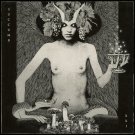
Sep 24)
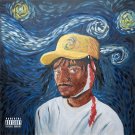
Jul 8)
Jan 13)
Feb 19)
Dec 22)
Aug 16)

Aug 20)
Feb 26)
List: Favorite Short Releases of 2021
I’m out of words. What do I even say at this point? Happy holidays? Be safe? Fuck you? I love you? I wasn’t paying attention, so I’ll just go with the last thing I heard, however inaccurate it may be. I love you.

Note: This list is to be considered in conjunction with both the previous and the next posts.
 CBN – Crimes Against White America (Phage Tapes, Nov 5)
I don’t know if there was a single musical work released this year as compulsively replayable, unapologetically brutal, and punishingly relevant as CBN’s Crimes Against White America 12″. Many of you probably saw my Anti–Power Electronics mix and the terrifying backlash it received, so music that directly confronts whiteness, by both those who uphold it and those subjected to it, in such a violent and merciless manner is more necessary now than ever. When in doubt, “SHUT YOUR FUCKING MOUTH” and spin Crimes yet again.
 Ashcircle – Level Up Everywhere (verz, Dec 10)
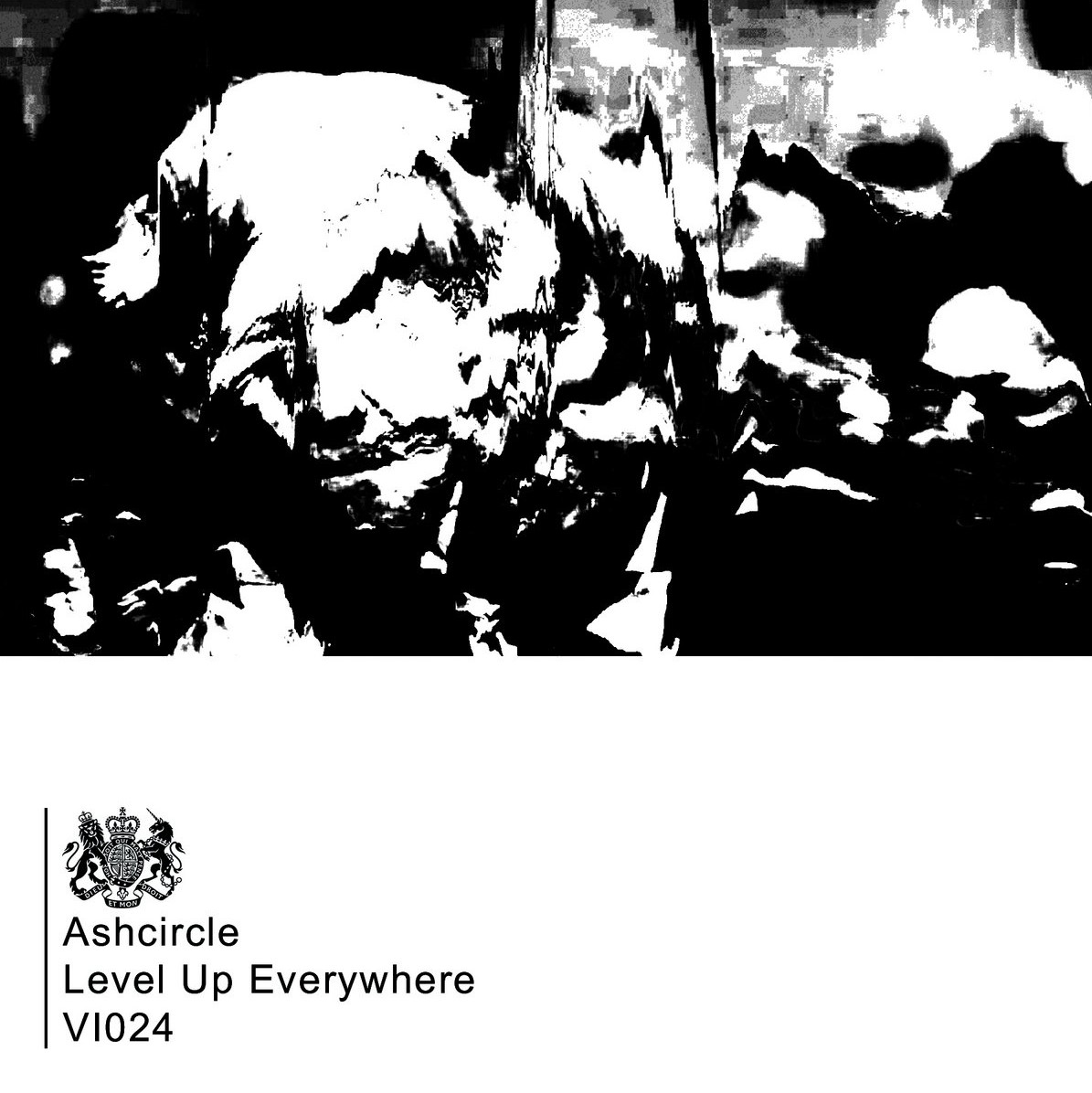
To call Ashcircle’s music political is both accurate and inaccurate. Yes, the improvisational electricity and strangled aggression that undergirds the nuanced sampler-spamming and high-velocity electroacoustic exchanges originate in resolute opposition to Tory rule, but the duo’s singular formula also deliberately subverts not just standard political discourse but also the very conventions upon which it is based, completely discarding any semblance of “civility” or “respect”—which, it seems, is really the only way to go these days. What’s more, Level Up Everywhere is easily their best work yet.
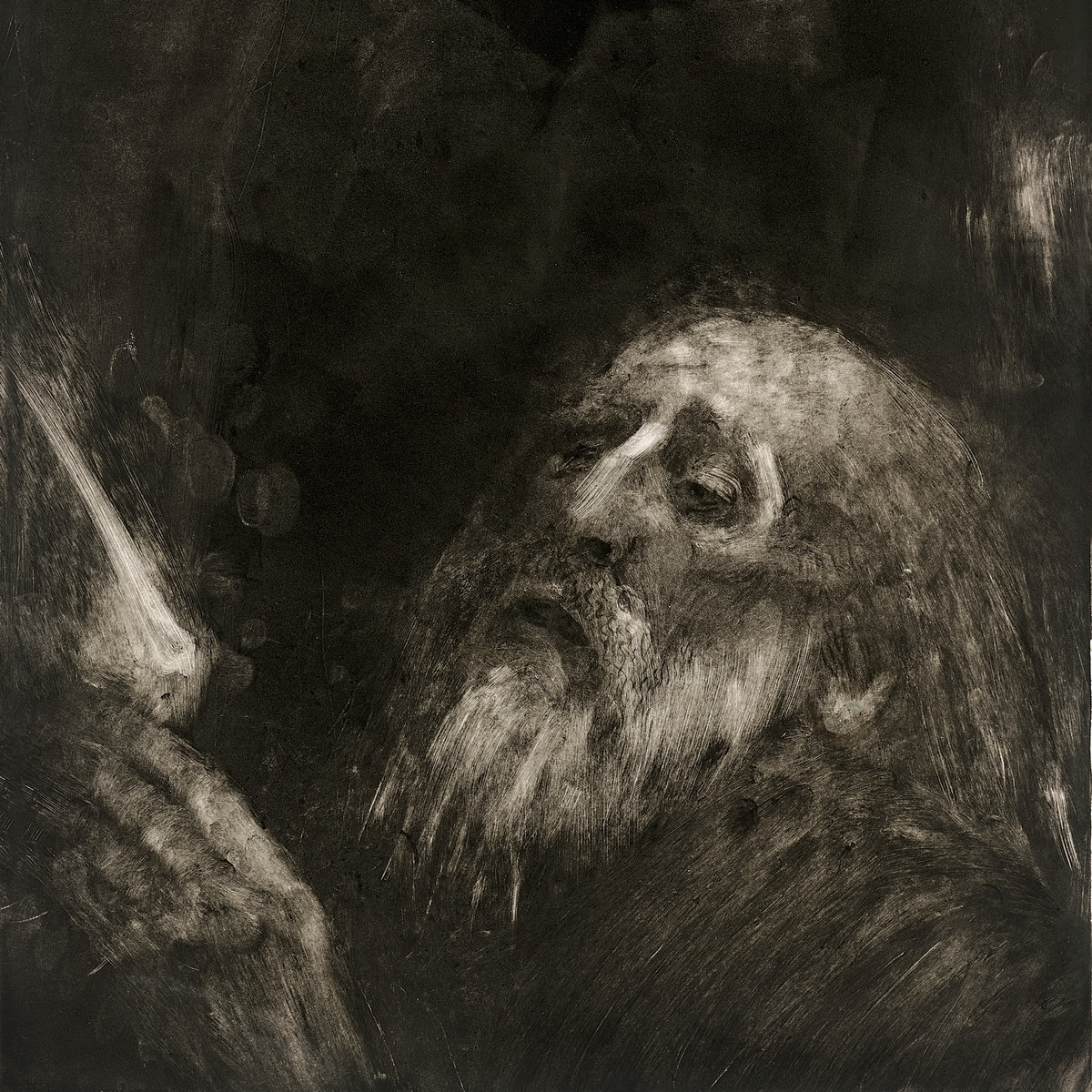 Serpent Column – Katartisis (Dissociative Visions, Aug 27)
The mysterious duo of extreme music heavyweights James Hamzey (a.k.a. Theophilos) and Maya Chun have consistently impressed with every single release, but Katartisis, with its overblown, largely unmastered production style and much more agile compositions, feels like even more of an exciting next step. The bright, dexterous guitar riffs lend an almost screamo-esque energy to the still crushingly metallic proceedings, and Chun’s drum work is as awe-inspiring and complementary as always, especially on “Edelweiss,” a track so heavy that maniacal laughter is really the only possible response.
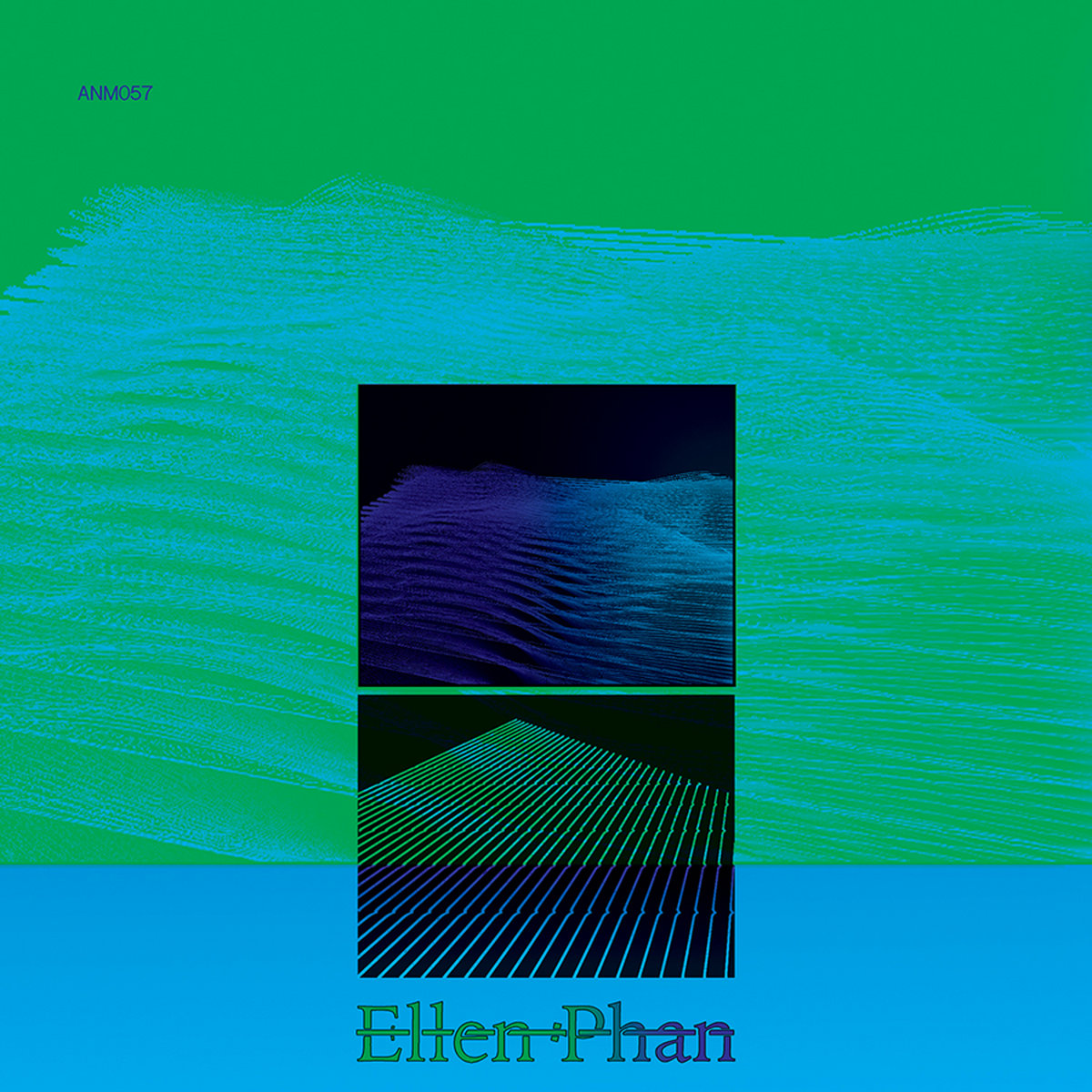 Ellen Phan – Visual Squash (anòmia, Dec 24)
I’m sure that all you MOTHERFUCKERS publishing your end-of-year lists before December even hits are just sad, sad people deep down, but you should be even sadder knowing that such a pointlessly incomplete critical net misses gems like Visual Squash, sound artist and therapist Ellen Phan’s first musical release since 2018’s Ideomotor Response tape. This gorgeously packaged CD is even shorter than that C16 at just 11 minutes, but it’s still Phan’s most fully realized work yet, an impossibly organic array of fluid glitch that somehow synonymizes the electrical and the existential.
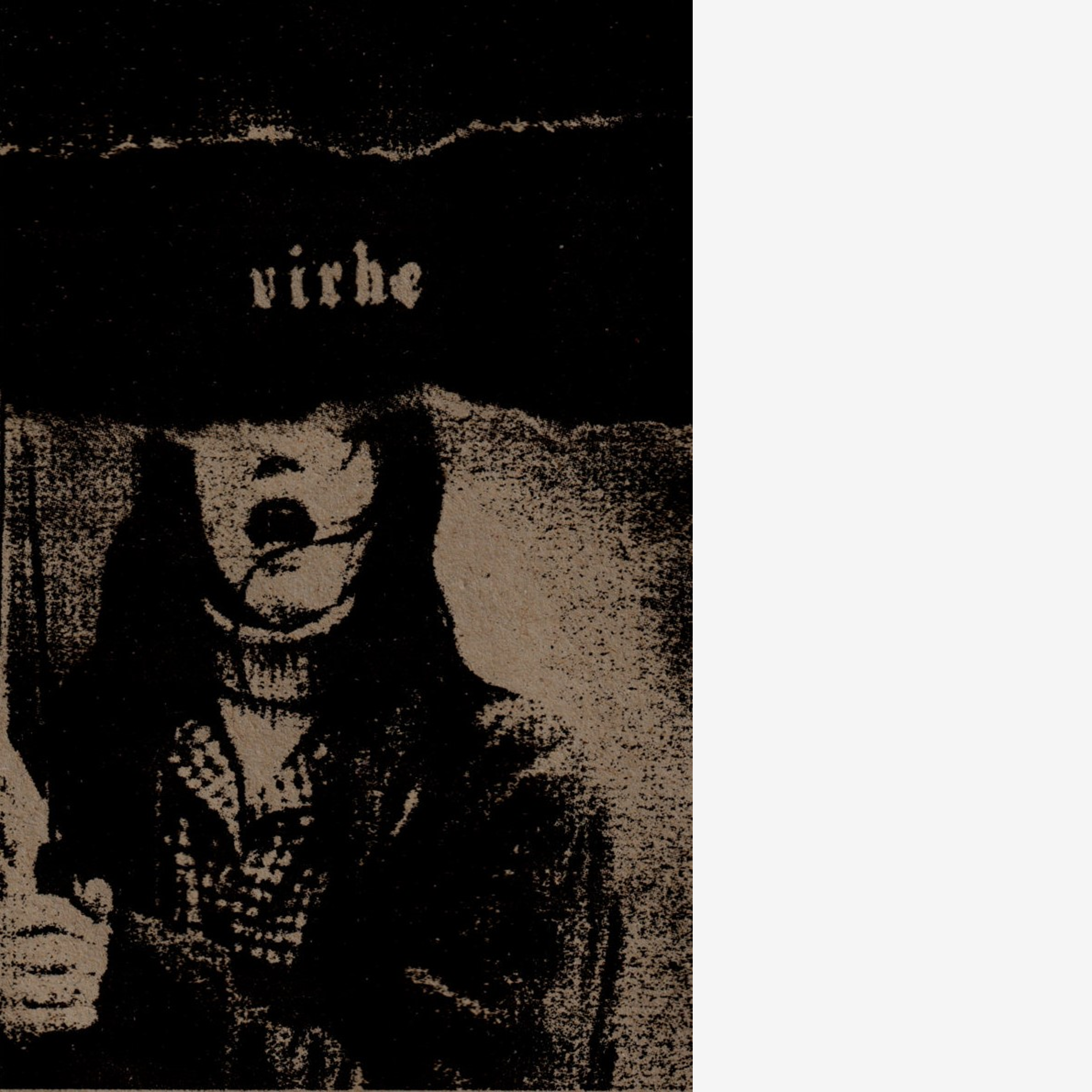 Virhe (Starving Light Collective, Nov 1)
Most hardcore fans are well aware that the Finnish scene has always been on another level, producing legends from Vox Populi in the early 80s to Death Basket in just the past few years, but I don’t know if there’s ever been a band from the country—or anywhere, really—as exciting and/or eviscerating as Virhe. Last year’s demo did plenty to hint at the quartet’s significant potential, and yet this vicious self-titled tape makes even those tracks look tame; fans of fluoride, Svffer, and other bright points of the elusive “false grind” style that are looking for a bit more grit need search no further.
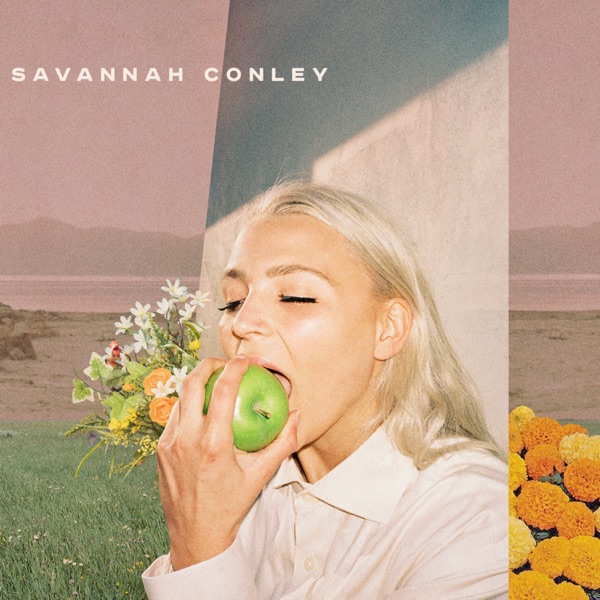 Savannah Conley – Surprise, Surprise (EMPIRE, Apr 30)
Nashville’s Savannah Conley took up permanent residence in my brain with her Twenty-Twenty 7″ back in 2018, and it’s hard to believe there were three years between that and the release of Surprise, Surprise, which I may love even more. Few opening tracks this year are as earworming and addictive as the tantalizingly short “Being Around You” with its invigorating electric coda, and Conley’s effortless mixture of easygoing country ramble and supercharged dream pop is at its best on “Dream Boy” and “Never Want to Be in Love.”
 Ghost Dance – Indian Babies: How to Keep Them Well (self-released, Mar 5)
Along with Maraud, anonymous project Ghost Dance is one of the formidable figures at the forefront of a quickly growing Indigenous power electronics scene, and Indian Babies: How to Keep Them Well, a perfect encapsulation of the artist’s scathingly sardonic approach to deconstructing jargon-dressed anti-Native rhetoric new and old, is a spectacular debut. Just as much harsh noise as PE, the sample-heavy set of two tracks are both disturbing and cathartic exercises in pain, anger, and resistance. “IN SOLIDARITY / IN WAR.”
 Dominic Coles – Everyone Thinks Their Dreams Are Interesting (Wandelweiser, Dec 20)
I first discovered Queens sound artist Dominic Coles’ work via the irreverent cracked-electronics improv of Other Plastics, his duo with Hunter Brown, but this brief, ephemeral, and yet deeply affecting work produced by Edition Wandelweiser (an important label whose material I nonetheless hardly ever find interesting, let alone good) is something else entirely. It’s a detailed, silence-filled exploration into the microscopic innards of sound-producing devices loosely based on dream journal entries, and is thus difficult to describe in any way that does it true justice—other than one word: sublime.
 Daniel Iván Bruno – Brazo (TVL, Mar 5)
I’ve already written about Buenos Aires improviser and devout experimentalist Daniel Iván Bruno’s dose of abrasive brevity in a review and for my first-half top ten earlier this year, but Brazo deserves every bit of attention and acclaim it gets. It takes a tremendous amount of skill to strip noise down to such an uncompromisingly scientific level and still retain the powerful, life-affirming impact that more immediate approaches often make simpler, but somehow Bruno does just that. A modern classic.
 Ghost Food – Night in My Mind (Sweet Wreath, Oct 22)
This debut CD by Ghost Food, the supernaturally inclined collaboration between multidisciplinary artist/musicians Joel Nelson and Paul Wilm, was the perfect soundtrack to this year’s particularly haunted Halloween season. Born out of a shared “ghostly experience,” the four tracks combine spectral ambience, obtuse spoken word, and memorable songwriting to wondrous effect, and each moment is just as enigmatic and beguiling as the next, whether Wilm is muttering surreal observations about biscuits (“Hello Ghost”) or Nelson is conjuring unforgettable beauty from his arcane arsenal of instruments (“Ghost’s Come Home”).
 Rebecca Black – Rebecca Black Was Here (self-released, Jun 16)
Falling in love with “Girlfriend,” the whimsical and utterly infectious closer of Rebecca Black Was Here, was the easy part. My appreciation for the other five songs took a bit longer to materialize, but once I realized that the first few times I listened I just wasn’t paying enough attention, the revelation that this is truly excellent electropop (with exactly the right amount of the obnoxious excess of “hyperpop”) came soon after. And even more exciting than the music itself, perhaps, is the promising future for which it builds the basis.
 George Rayner-Law – The Tryal of Old Christmas (Brachliegen Tapes, Dec 10)
The small but fecund subset of experimental music dedicated to evoking some sort of holiday spirit was especially fruitful this year. Idiosyncratic tape wrangler George Rayner-Law’s newest tape The Tryal of Old Christmas is easily one of the highlights, especially the pensive title track on the B side, which stitches together soft organ drones and sliced-up dictaphone mutterings in an ambiguously calming Poem (for Voice & Tape) / I’m Some Songs–esque soundscape.
 xfeverfewx – Trans Body Music (Enforced Existence, Oct 12)
Lansing, MI artist xfeverfewx has built an eclectic body of work since January of last year, with material ranging from the painterly voice-and-guitar eccentricities of Huge Black Wings to the longform, droning lo-fi noise of the One Hundred and Twenty-Seven Angels Gathered collaboration with Empty Banks. Trans Body Music, however, is an easy favorite, a compact CDr release that traces the physicality of the artist’s body with unmanipulated contact mic recordings throughout two ten-minute “Bodypoem”s.
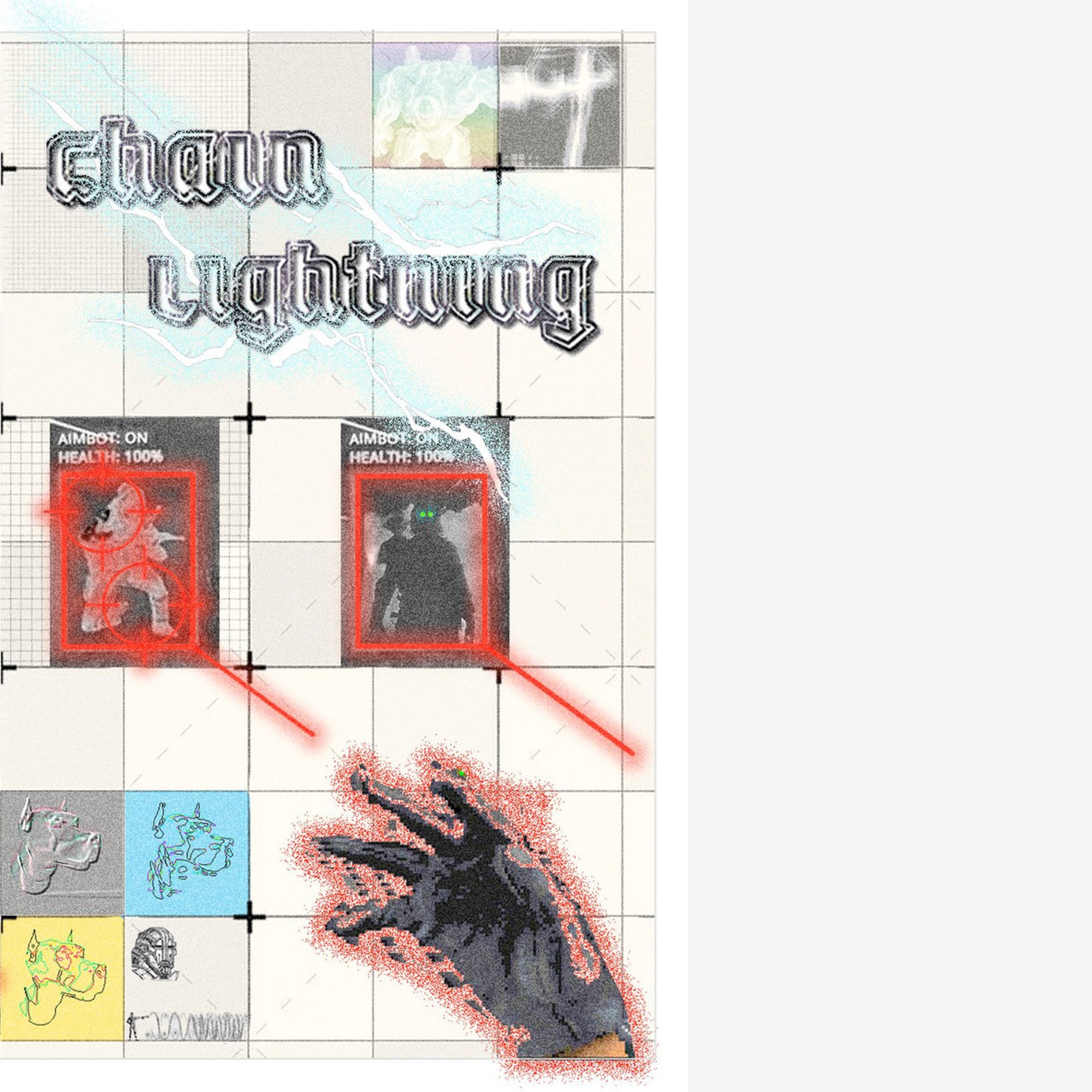 Chain Lightning – Aimbot (Amateur Electronics, Sep 17)
Aimbot is synth-punk done right. I could write more but nothing I would come up with would be a better description than the following, quoted directly from the Bandcamp page: “Chain Lightning is like watching TV at grandma’s. Every single show is starring Jim Carrey Jr. The man of every hour. Quantum bio-feedback is nutrition feedback. Mr. Chain Lightning finds a home in your living room PC and sits in a chair. But there’s one thing that’s for sure… Money can’t buy you happiness, but damn, this Tesla’s close.”
 The Gabys (ALL Gone, Feb 18)
The label is spot on with their comparisons of The Gabys to golden-age New Zealand scuzz and Black Tambourine, but primary appeal of the English duo is that they reside in a small but nonetheless defined place in which they are entirely alone. A place filled with paradoxes: light and shadow, sweetness and sorrow, song and silence. All of the tracks are excellent, but “Peter Bell” especially sounds like a no-fi classic unearthed from thirty-year-old sun-stained tapes, a sound I’ll never not be a sucker for.
 Various Artists – You Have Three Seconds (Welcome to Clydebank, Feb 26)
Beyond just the fact that the roster/tracklist reads like a who’s who of contemporary experimental music (Hair Clinic, Howard Stelzer, Hardworking Families, Territorial Gobbing, Posset, Daniel J. Gregory), You Have Three Seconds is a fascinating and thoroughly enjoyable compilation that simultaneously feels like a rich collection of diverse contributions and a single, very impatient sound collage. Plus, new material from Klaysstar, no matter how small an amount, is always a treat.
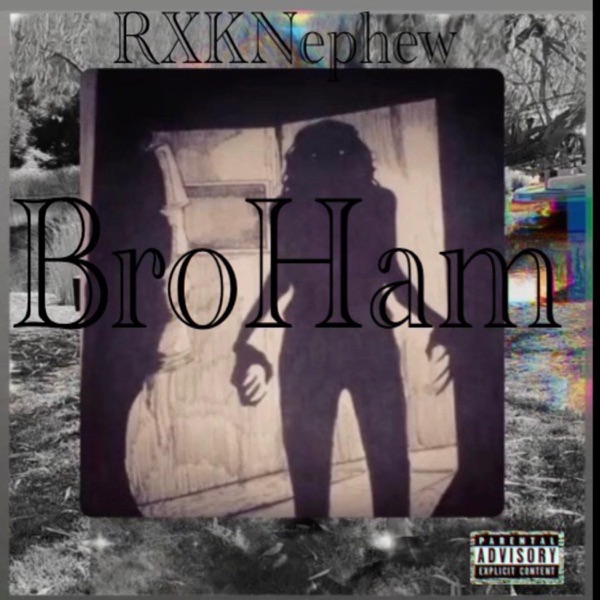 RXKNephew – Bro Ham (New Breed Trapper, May 7)
I, like many, first heard RXK Nephew—he operates, alternately, under several alias variations—on ZelooperZ’s “Paranormal Snaptivity” (which is featured on this tape as well, in slightly different form, as “Paranormal Shelter”). But I’ve grown to enjoy the Rochester MC nearly as much as my beloved Bruiser baron, especially Bro Ham, which dissolves trap, east coast, and the sparest hints of horrorcore into a murky but distinctive sound that never fully leaves my head. It also gets points for eventually making me aware of another RXK project, Make Drunk Driving Cool Again, that remains one of the best cursory listens I’ve ever had.

