
 The first of Night Concert for Two Restless’s “notes” begins with the soothing noises of unadulterated nature, but before even the midpoint of the track it’s clear that the familiar sounds of the outdoors will play an adjunct role rather than its usual superior one, for the first appearance of added electronics tears apart the very fabric of the piece up to that point. Yet the following segment proves it’s not quite that simple either; in fact, throughout the entirety of this digital debut from newly minted Belgorod project Bardo Fields, bird calls, rustling leaves, and the unmistakable limitlessness of open air act as both workable sound material and a strong physical setting, entirely distorting the tired dichotomy of in/out. The “musical” intrusions take many forms, and are certainly much more eclectic than the modest description of “guitar snatches and pedal drone” would imply: seismic low-end feedback rumble, tactile thump-loops like stumbling footsteps, meandering solo guitar primitivism, sounds of wood cracking and popping that could either be the result of manual breakage or a tactically placed bonfire. Rough-hewn, homegrown, earthy… these are all adjectives that come to mind when listening to Night Concert, because for all of its odd, volatile abstractions there’s a central element of personality, an undeniable amount of soul that shines through just as brightly during the textural mishmashes and spatial subversions as the conventional guitar playing.
Author: Jack Davidson
I like to listen to, read and write about, and play music.
Review: L&M – Recordings 11.1.2020 – 2.1.2021 (self-released, Jun 29)
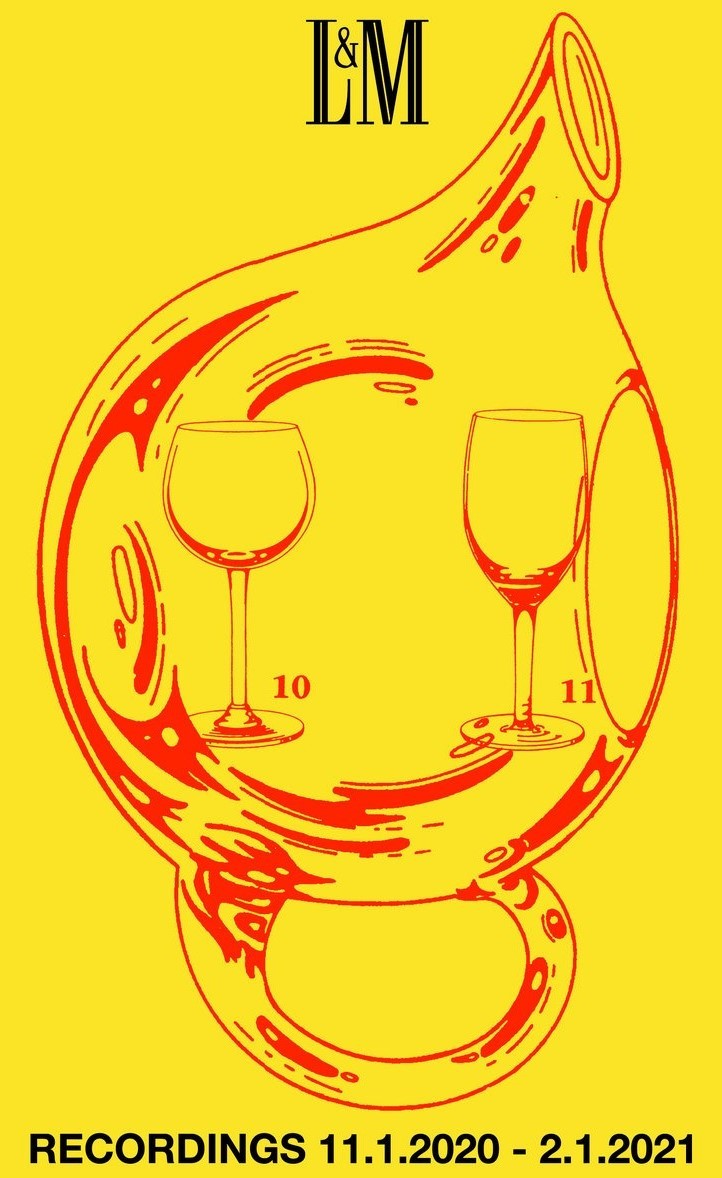 Though—unless I’m just way behind on the times, which is far from unheard of—Liam Herb and Milo Moyer-Battick may be unfamiliar names to many readers, their ambitious debut release as L&M has the density and surety of something that would be produced by musicians decades into their careers or seasoned collaborators already perfectly in tune with one another. I don’t know how long the Berkeley dwellers have been working together (presumably at least as far back as November), but Recordings 11.1.2020 – 2.1.2021, a self-described “two-part musical revue exploring themes of youth, the passage of time, everyday sounds, and play [not the Derrida kind—the fun kind],” is somehow at once wide-eyed, charismatically clumsy premiere and skillful, meticulous opus… the various freeform jams that seep throughout the two sides, performed with various items from the “selected list of instruments” and beyond, are often quite aimless-sounding in their polymorphic meditations, and yet they still always seem to be going somewhere, bolstered along by both external forces—a burp, a whispered instruction, a munched apple, the swelling wash of waves on the beach—and some mysterious, innate kinetic energy. Also peppered atop and between the improvised excursions are some vivid sonic nodes of humanity, which range from a cautionary “hey, watch that beer” to rambunctious children singing and reciting obscure jokes and fixations ad nauseam. They are often fleeting, transitory, or even artificial elements within the music, stuffed where they don’t really fit and subject to warping, mutation, etc., as when the aforementioned warning repeats or the unnamed young person’s rendition of “God Bless America” becomes a time-dilated monstrosity. Even more vibrant and colorful than its packaging, Recordings is a phenomenal first effort from this exciting new duo. It feels fitting to post this on the exact anniversary of the date noted by the final track, “7.5.2020”—although I wish the fireworks last night could have been similarly muffled.
Mix: Ecstatic Electronics
For the third and perhaps final installment in my series of electronic music mixes (preceded by Unruly Electronics and Lifeless Electronics), I’ve focused on tracks with such boundless, infectious energy that one feels as though they’re about to burst if they don’t start moving to the music. There’s plenty of peace and joy here, but there’s also intensity, surreality, intoxication, hedonism—everything that seems to blur into a single, seamless mass of life when many become one on a sweat-soaked dance floor.

still from music video for Arca’s “Mequetrefe”
00:00. Faxada – “Month” from Paraa (Darling, 2018)
01:57. Nonturn – “Evidence” from Territory (Audiobulb, 2018)
06:15. Fuck Buttons – “Phantom Limb” from Tarot Sport (ATP, 2009)
11:04. RXM Reality – “Climateric” from Advent (Orange Milk, 2021)
15:07. Paszka – “Terakota” from Gluon (Noumenal Loom, 2020)
18:11. Arca – “Mequetrefe” from KiCk i (XL, 2020)
20:33. Black Dice – “Glazin” from Repo (Paw Tracks, 2009)
24:24. Stab Something – “French Love” from Stab Something (self-released, 2012)
27:02. John Object – “RPG” [excerpt] from Pre-Heat (Bio Future Laboratory, 2018)
29:42. Exploited Body – “Threnody” [feat. APEAK] from Threnody (self-released, 2019)
33:17. Herbarium – “Herbalife (Gem Tree Recycle)” from Свежесть (Eco Futurism Corporation, 2018)
35:18. Dan Deacon – “Never Do That (Mars)” from Meetle Mice (Standard Oil, 2004)
Review: Human Empathy Machine – Eating Out of the Trough (self-released, Jun 26)
 You’d think the debut release from a solo hardcore project wouldn’t have this much oomph, but London multi-instrumentalist Gabe Jones comes through with the manic, thousand-horsepower energy of a full band. Part of what makes that possible on Eating Out of the Trough is how concise each and every track is, the intricate riff changes and miniaturized structures streamlined to maximum-efficiency savagery. Songs like “Coward” and “Meat” are great examples, blasting past even the possibility of a dull moment with breakneck speed, riding the climactic breakdown codas for just enough time to resolve them in the most satisfying way (5–6 listens deep and I still lose my shit at the shifting drum meter at the end of the latter). And as if the music itself wasn’t good enough on its own, Jones also selectively incorporates some of the best sample interludes I’ve encountered in a very long time; in between incessant, abrasive onslaughts of ruthlessly technical aggression we get doses of bleak hilarity in the form of a motivational appeal to aborted “children,” a rather strict and quite morbid requirement for potential friends, and an incensed request that whoever is listening “shut your fuck up.” Coupled with the dissonant, unrelenting angularity of it all (some tracks, like “Dumb Guy Zen,” have just as many spider-fingered arpeggio gymnastics and noodle-chugs as they do thick, downtuned chords), the auxiliary bits are a perfect counterpoint—contrastive texturally but consistent thematically. Would love to see a full-length LP from this guy, but if he just keeps making sub-10-minute blast buffets, I’m fine with that too.
Review: Giovanni Lami / Hannibal Chew III / Bardo Todol – Stories from the Dotted Indian Whale (Discrepant, Jun 25)
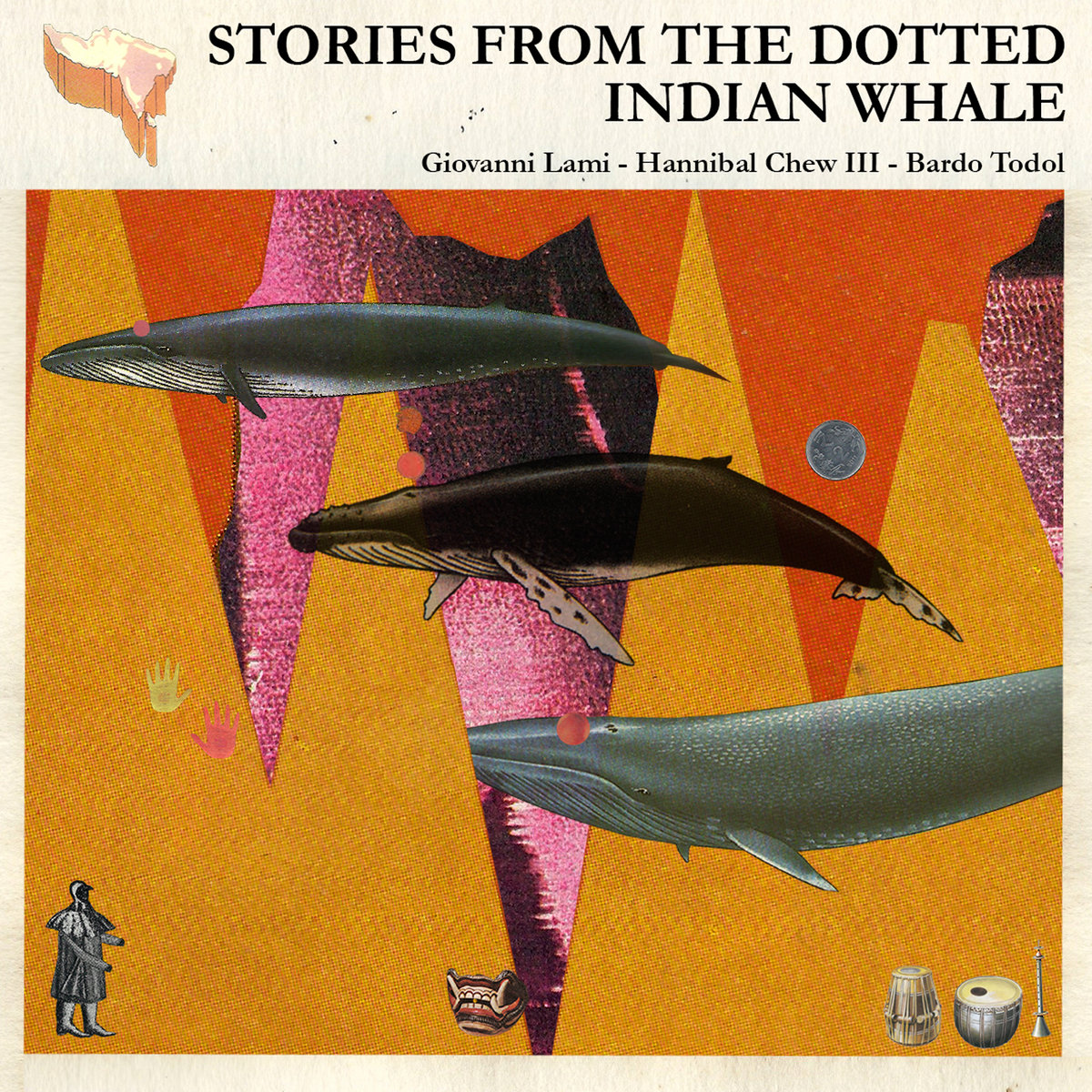 A three-part hallucinatory storybook journey through lush, colorful locales that simultaneously do and do not exist, Stories from the Dotted Indian Whale is a sprawling, ambitious release that fully delivers on its lofty promises. The description of magnetic tape maestro Giovanni Lami’s composition (“Soap Wolf”) as “a collection of ghost recordings” is a good overarching description for all three artists’ material, for each vignette-square in the sequence of sonic tapestries is its own audio-painting of a place or environment with its roots in reality but its leaves and branches extend to the boundless skies of fiction that recontextualization makes possible. That’s not to say that the contributors don’t take their own distinct approaches to their respective sections, because that is certainly not the case: Lami goes a “distorted realism” sort of route, applying his trademark tactile manipulations and analog glitches to extended outdoor deep-listening excursions with a more sparing sensibility than usual; Hannibal Chew III (a.k.a. Gonçalo F Cardoso) operates as more of a large-scale quilter and layerer, injecting threads of musicality via synth, vocals, and strings throughout languid collages of fleeting yet vivid scenes; and Bardo Todol (Pablo Picco), the aptly introduced “noise prankster,” delivers a stilted, jarringly fragmented stumble across murky swamplands of decaying tape gurgle and voyeuristic sound documentations. Despite the stylistic diversity found across all three parts—and even within the individual parts themselves—Stories from the Dotted Indian Whale as a whole is cohesive in the most elusive way, a multifarious masterpiece of abstract narrative and aural evocation.
List: Top Ten for the First Half of 2021
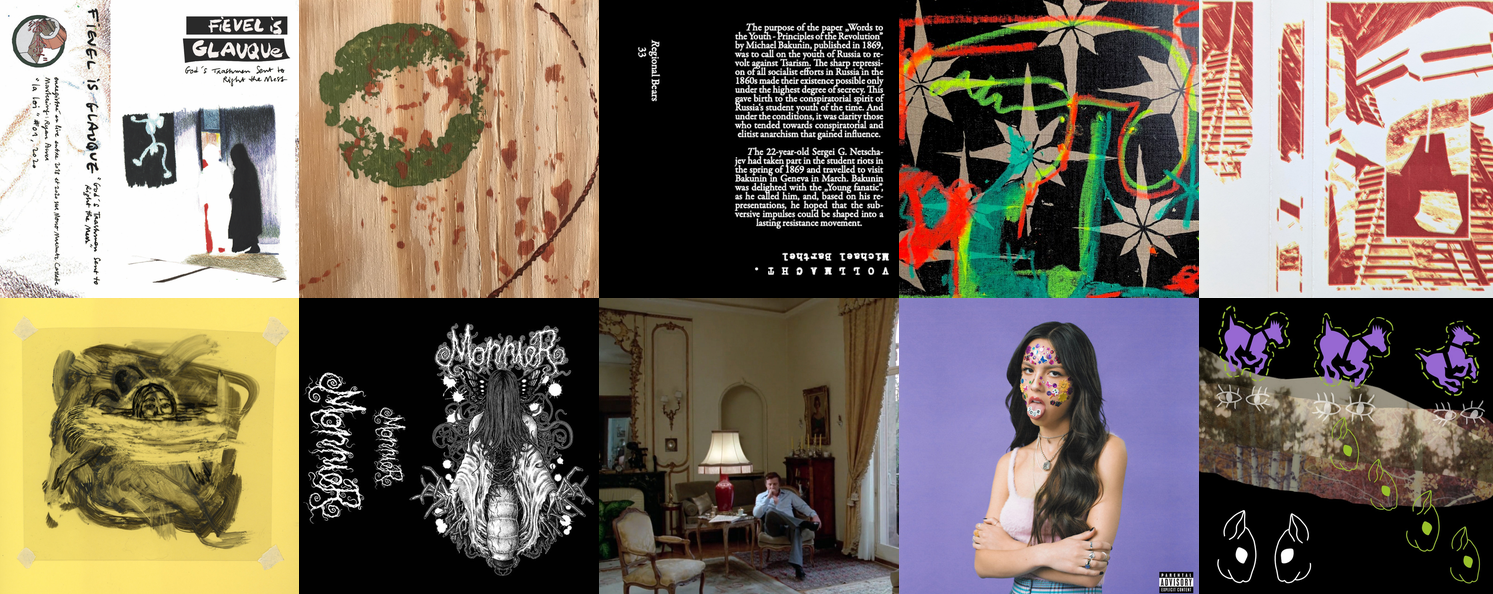
In a format identical to previous lists (2020, 2019, 2018), here are my ten favorite albums that have been released during the first half of 2021. As always, the order is of little importance.
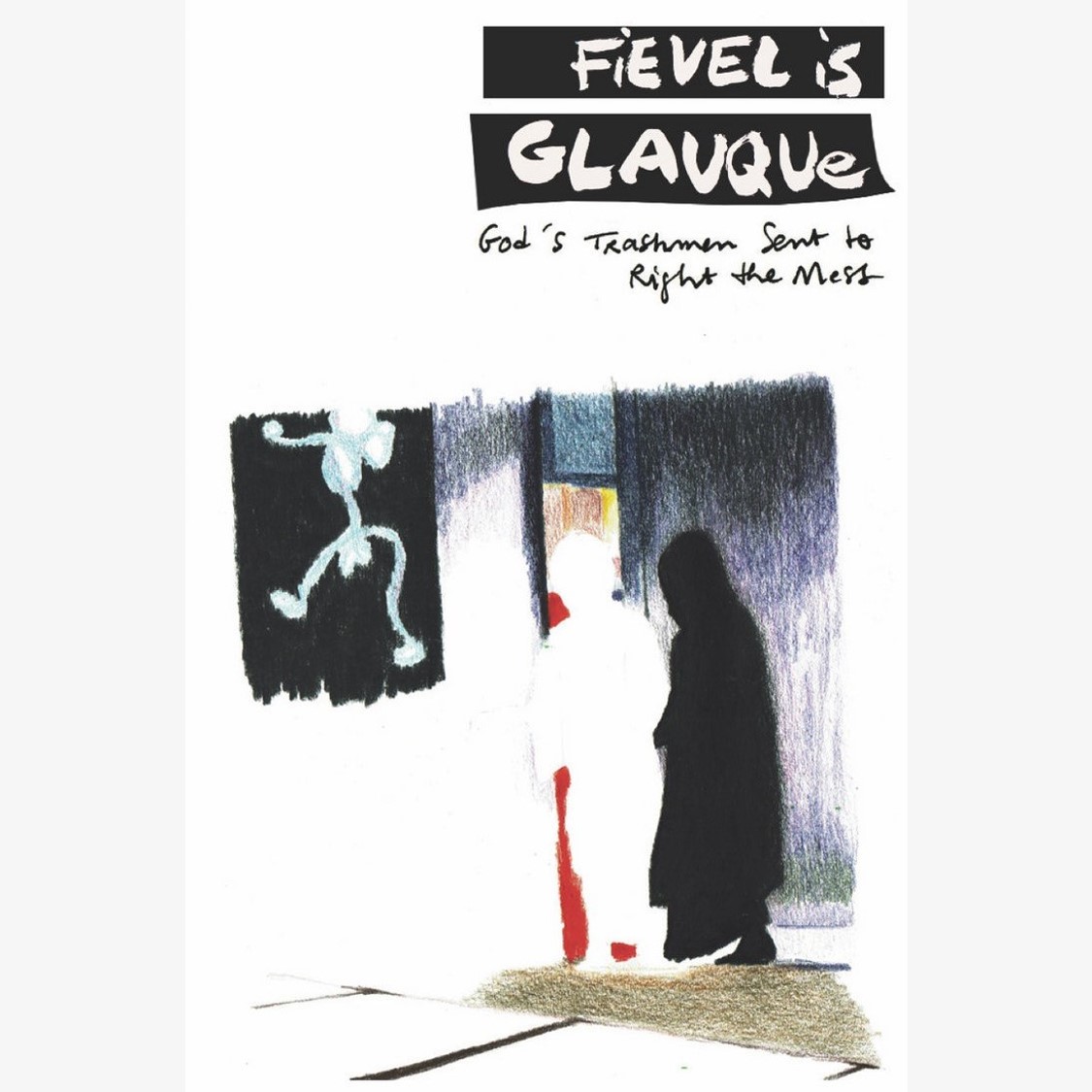 Fievel Is Glauque – God’s Trashmen Sent to Right the Mess (la Loi, Jan 1)
This irresistibly charismatic little tape came out literally right at the beginning of the year, so I don’t blame anyone who missed it, but luckily it seems to have been getting the attention it deserves. The newest and best work from eccentric songwriter Zach Phillips, the various ensembles of talented musicians bring to life some of the purest and most earnest pop music you’ll ever hear.
 Wind Tide – Journal 2020 (self-released, Mar 14)
It’s always a great feeling when less than a minute into an album you already know it’s just what you need. Journal 2020 has been my go-to outdoor reading and walking music this year; its subtle yet always ragged and rough-hewn augmentations of nature are in turn a perfect over-layer for any other environment. Ever wonder what it sounds like inside a tree? Original review

Michael Barthel – Vollmacht (Regional Bears, Jan 13)
Every single one of Michael Barthel’s audio works defy verbal description in some way, but that is especially the case for Vollmacht. Described as “an acoustic and poetic inquiry into authority and power in human relationships,” the ten-part suite is a harrowing, abstractly narrative experience bolstered by the poet’s trademark ferocity in both vocal delivery and musical performance.
Bryan Day & Seymour Glass – Crooked Doppler (tanzprocesz, May 27)
Two well-established virtuosos of collage, cobblecore, and clutter-clobber come together for this delightful tape full of tactile toybox sound-worlds, warbling electronic transmissions, and surreal environmental invasions. The combination of Day’s audio-mechanical sensibilities and invented instrument arsenal with Glass’s idiosyncratic ear and insatiable bent for the bizarre is one for the ages.
 Cities Aviv – The Crashing Sound of How It Goes (Total Works, Apr 16)
Words like “sprawling” and “ambitious” aren’t unique to The Crashing Sound of How It Goes when discussing Cities Aviv’s discography, but this newest album does feel like a sort of culmination of the Memphis visionary’s distinct sound. It’s not perfect, but that imperfection is a large part of what makes it beautiful… and perhaps it’s off set, because whatever “Higher Up There” is, it might be something more than perfect.
 Daniel Iván Bruno – Brazo (TVL, Mar 5)
In the process of fully deconstructing the sonic profile of the harmonica, Daniel Iván Bruno also discovers some of the most piercing, strident sonic frequencies ever recorded. Sounding like a passive AI-generated grotesquery, a strikingly adept pedal-chain assault, and a shrieking mass of dying circuit boards all at once, Brazo is an unmissable ordeal. Original review
 Monnier – Monnier (Hardcore Detonation, Jun 6)
For those of us who fell in love with extreme music via the heavyweight technicality of Chang, Marton, Witte, and co., Japanese–Belgian project Monnier may be the second coming. Featuring the vocal talents of Makiko (of Flagitious Idiosyncrasy fame) and multi-instrumentalist Jasper Swerts covering everything else, this collection of two stellar EPs presents what is by far the best grind to come out in the last five years.
 All Ords – Sources and Methods (Index Clean, Feb 14)
With an impressive list of research citations and an ambitious conceptual basis, the first recording by Mark Groves and Joanna Nilson’s All Ords duo is a multifarious indictment of humanity’s current trajectory. Sources and Methods steps carefully through a shadowy garden of societal contexts, imposing its critical voyeurism on manifestations of patriarchy, public surveillance, decaying domesticity, and other salient signs of our distant but no less inevitable doom. “I spent years learning to speak with my mouth closed.”
 Olivia Rodrigo – SOUR (Geffen, May 21)
A delicate balance between escapism and relatability is often the name of the game in pop songwriting, and what makes SOUR so amazing is that it offers both without even seeming to try. Formidable newcomer Olivia Rodrigo discards subtlety so markedly that it’s not even a factor anymore, and invites listeners along for her rollercoaster ride of disillusionment and heartbreak over some truly stellar production.
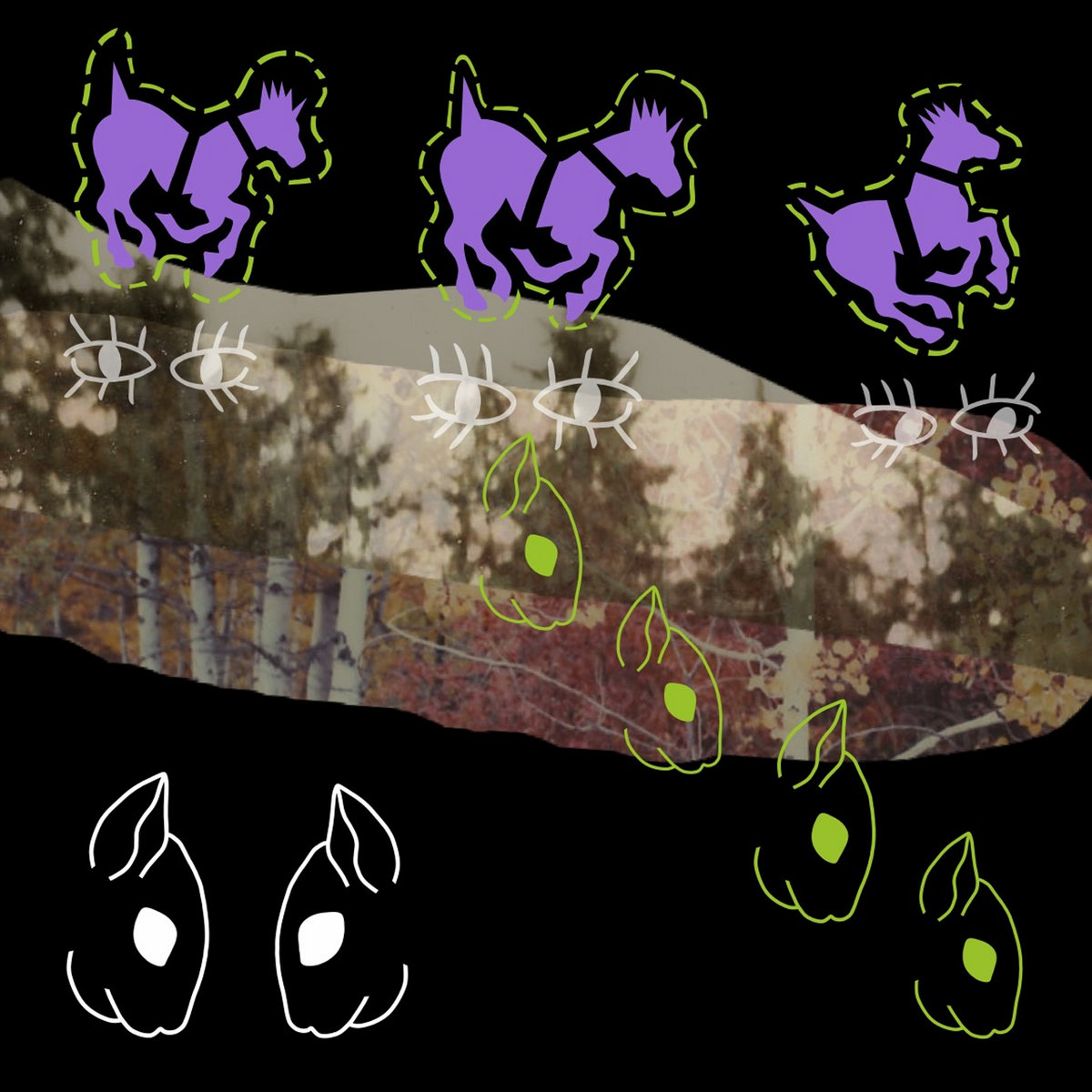 IT IT – Two Squirrels Fighting Each Other at the End of the World (self-released, Feb 19)
Even some of the most primitive experimental music remains timeless because of the palpable, wide-eyed curiosity with which it was approached. With their eclectic sample-scapes and intricate instrumental arrangements, enigmatic Pittsburgh ensemble IT IT exude that aura more profoundly than the overwhelming majority of their contemporaries. Two Squirrels… is a fitting new entry in their quickly expanding canon of creativity. Original review
Review: Federico Durand – Herbario (laaps, Jun 17)
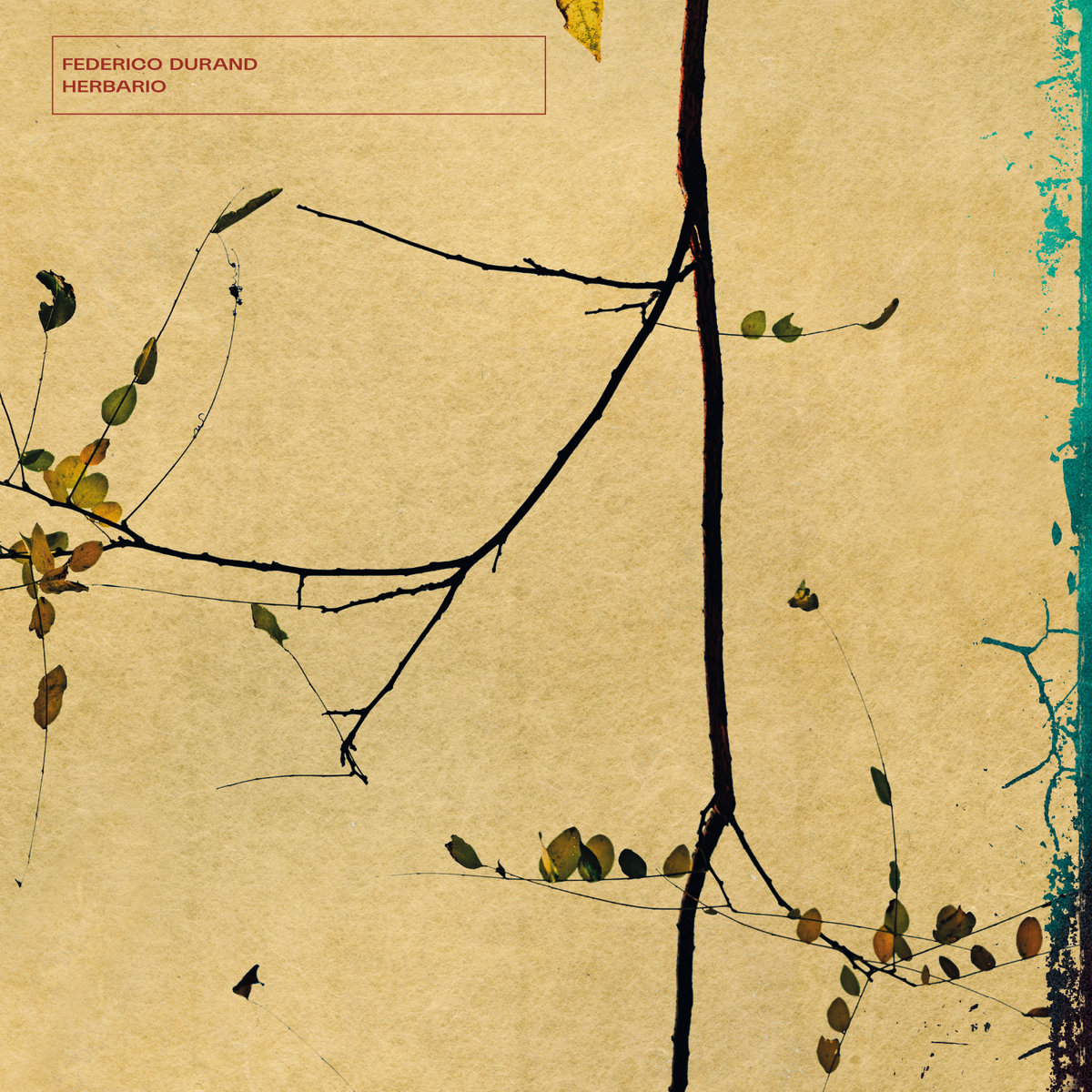 Federico Durand may be my favorite ambient musician active today. His music mines all of the life-affirming escapism of the genre without any of the all-too-frequent drawbacks: it’s beautiful, but not saccharine; tranquil, but not boring; delicate, but not naïve. 2018’s Pequeñas Melodías remains a clear standout, its fairy-tale world of sunlit dust and music box twinkles putting me to sleep on many a restless night; however, I can already see the recent Herbario surpassing it. “Through a year of uncertainty, from March 2020 to March 2021,” Durand “composed this album in the same way a botanist would have proceeded: collecting and preserving simple, broken and hypnotic melodies.” This humbly herbaceous approach, coupled with the longer, looser structures of many of the tracks, lets the music lilt with gossamer weightlessness like a cloud of seed-pods fluttering slowly to the ground. Throughout the various pieces, each named for one of Durand’s favorite plant species, a floral elegy neither joyful nor melancholy take shape, and at its core lies the potent yet ultimately neutral and apathetic sublimity of nature, a plane of existence infrangibly parallel to our own that can be admired and give inspiration but never be truly understood. Gorgeous closer “Laurel” is the purest illustration of that, somehow approximating the transcendence one can only achieve while sitting next to a rushing stream in the sun.
Review: INDEXESS – INDEXESS (Blue Static, Jun 16)
 I often describe particularly unmusical music using physical-action metaphors like “scraped off,” “discarded,” “sloughed,” “scavenged,” etc. Many of these motions don’t necessarily change the materials they’re affecting in any fundamental or chemical way; they simply involve creating new uses and formations. With INDEXESS, I’m not sure any of the aforementioned descriptive tools apply better than something more like “molder,” “ferment,” “decompose.” This inaugural release from Columbus, OH–based netlabel Blue Static Records is to music as rancid black putrefaction liquid is to living organic beings. Both “CREEP” and “STYG” are barely there, just gusts of distant, frail distortion susurrating like a sickly summer garbage-day breeze slithering through a tattered windsock, yet even with such a paltry presence one cannot escape a feeling of invasive, cloying filthiness. I’m reminded a bit of Strange Mammal of Doom’s Are Strange 2, an album I wrote about in April, in that both works gain quite a bit from their own obstinate lack of structure and convention. INDEXESS, though, feels more antagonistic, even misanthropic, which sounds hyperbolic until you hear the final two tracks—especially “BRICKD,” an impenetrable wall of squall that would make even the most overzealous dental hygienist with wax-clogged ears lose their mind. All together, a cavernous abandoned station in the middle of nowhere filled with shrieking industrial ghosts: one of our last stops on the train ride to the end of music.
Review: Anna Lerchbaumer – Falling Objects (smallforms, Jun 16)
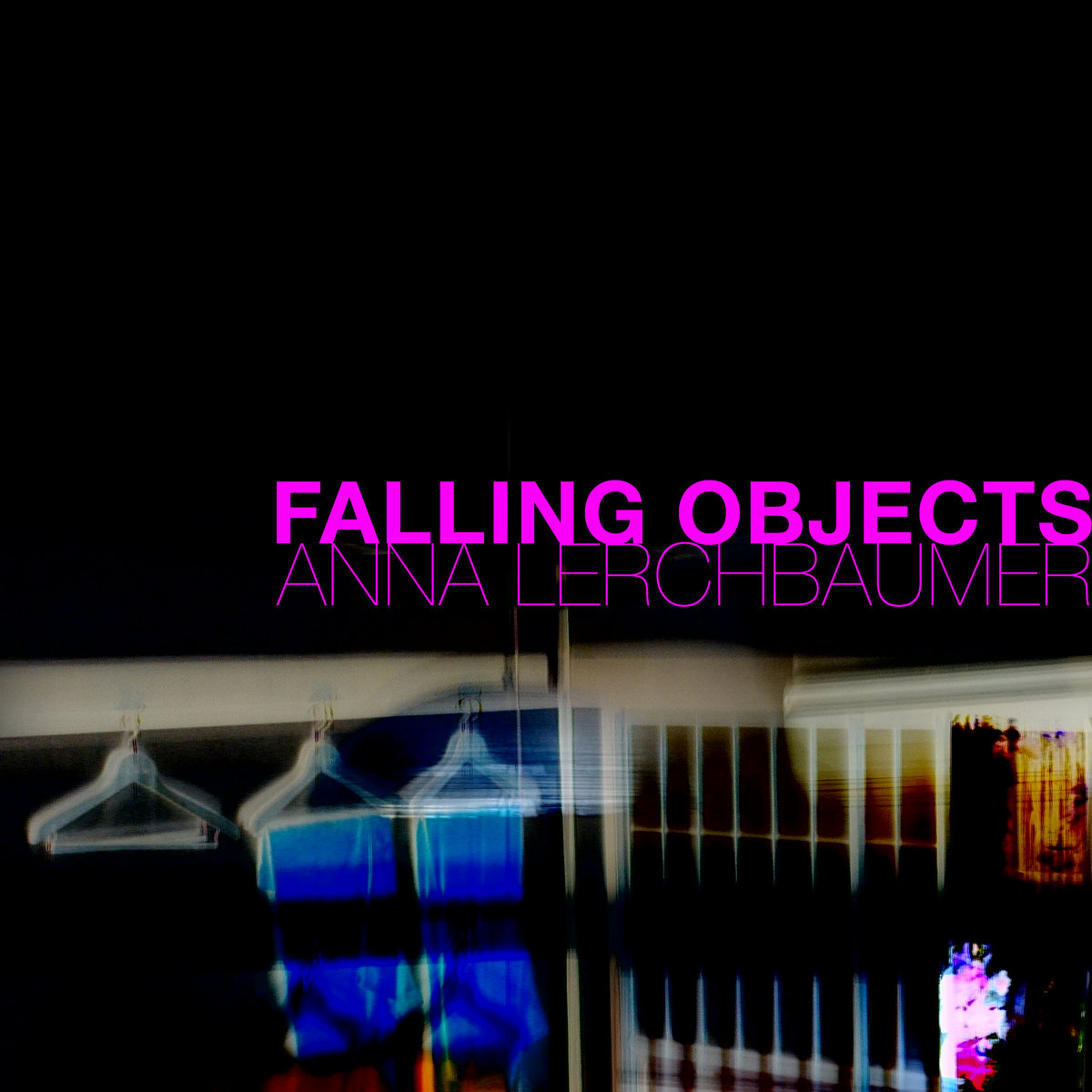 Unsurprisingly, there are more than a few falling objects on this new release from sound artist Anna Lerchbaumer (among other things, the creator and proponent of the acclaimed “mayonoise” technique), but Earth’s gravitation is far from the only force at work. A great deal of attention was paid to placement and spatiality during the original recordings, so there would be a lot of compelling density to explore even if they were left unprocessed, but Lerchbaumer puts her materials through the proverbial wringer, or perhaps a series of multiple proverbial wringers. On Falling Objects, the natural kinesis of the dropped, agitated, and otherwise affected items is extrapolated into complex, artificial concrète arrays, not exactly upending the presence of conventional space but certainly building upon, gouging, and even distorting it. Interspersed throughout the suite of three short tracks are speech samples presumably lifted from some sort of physics education program, and the basic, familiar explanations given by the voice form a delightful contrast with the gleeful deconstructions and reorientations that take place in between. Lerchbaumer’s methodology allows for the occasional unexpected noise intrusion or frenetic glitch spasm, but the piecemeal object layouts most often coalesce into lush gardens of resonating tactility that echo the work of contemporaries Rie Nakajima and Stephanie Cheng Smith. The relationship between the diminutive duration of Falling Objects and its artistic fecundity is quite analogous to that of the dissonance between a presumed lack of musical value in everyday objects and their actual musical value: one might make an initial prediction of inauspiciousness, but after experiencing them no one can deny the strength of the results.
Review: Abby Lee Tee – At the Beaver Lodge I (self-released, Jun 12)
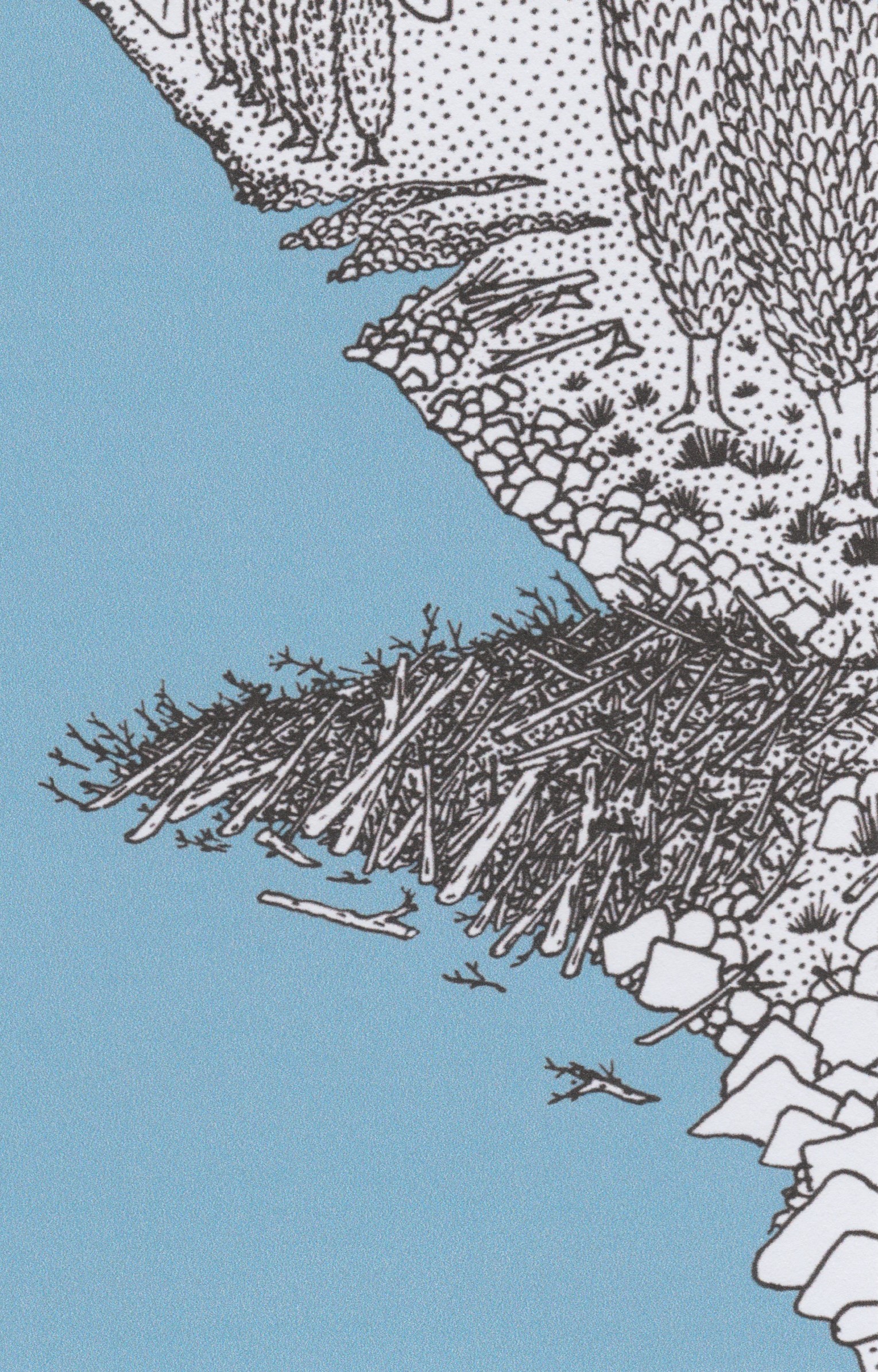 Ever since departing from a stylistic focus on conventional electronica and hip-hop with 2017’s Riverside Burrows, Austrian artist Fabian Holzinger (as Abby Lee Tee) has been honing the delicate art of concise phonography, using various nature recordings and animal sounds to sculpt soundscapes that seethe with minute detail. Of all the tapes in this new vein that he’s put out in the past five years or so, the Imaginary Friends series on Czaszka is probably most illustrative of what I’d personally place at the core of Holzinger’s sound: complex, disarming bricolages of often quite familiar sounds framed with a clarity and intentionality that distorts the boundary between organics and artifice. At the Beaver Lodge I has less of that element of “intelligent design,” if you will, but “complex” and “disarming” still apply to these two five-minute cuts of noises made by beavers residing in a lodge on the Danube. Like some of the other fauna that have appeared in various Abby Lee Tee works, the beavers’ nasal vocalizations are both pleasing and grating; not in any abrasive or confrontational sense, but more due to a mild uncanny valley effect—these sounds are sometimes just too human. But they aren’t, of course, and something else this first installment in a planned series reminds us of is that beavers have their own lives and livelihoods: gnaw-whittling the perfect stick into the perfect shape for the dam, caterwauling in the early morning rain, crooning together in collective chorus. At the Beaver Lodge I, despite its conspicuous succinctness, perhaps marks yet another new direction for Holzinger, one in which intricacies of capture and composition don’t aim to create new worlds, but instead to reveal existing ones.

