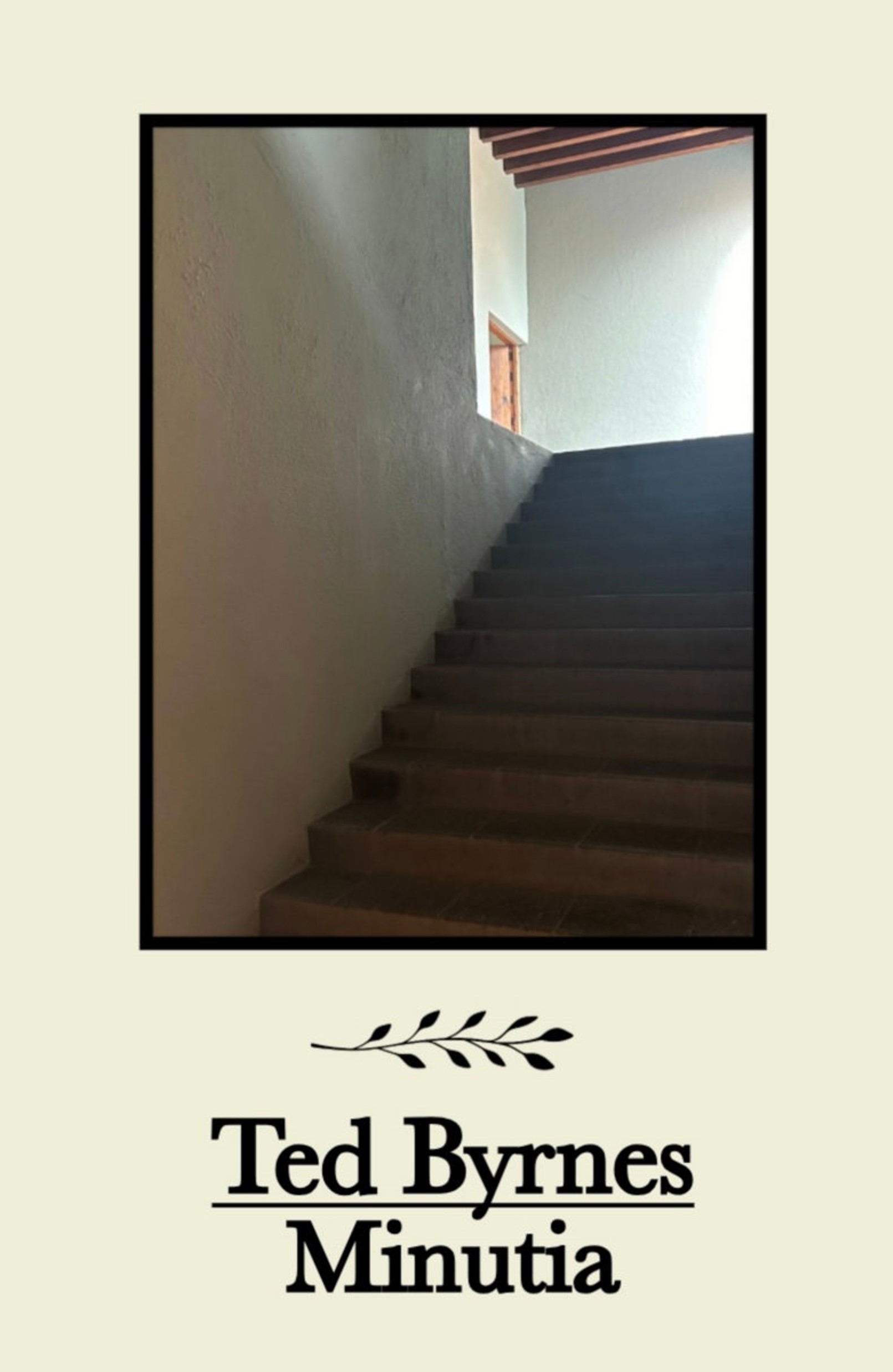
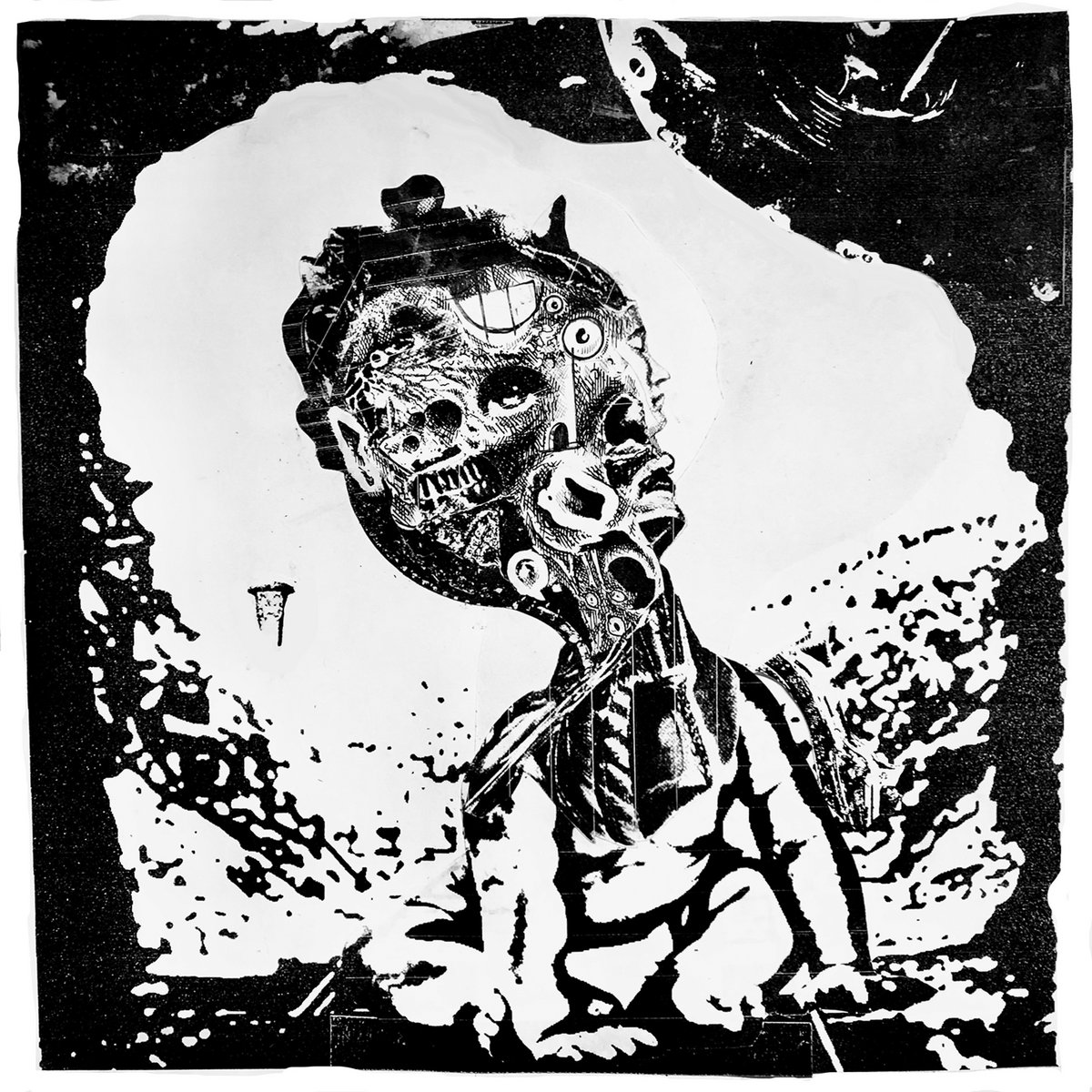
The word “minutia” almost always appears in its plural form, “minutiae,” a collective designation for any number of things so small or trivial that they evade a first or even a second glance, or are intentionally ignored. In opposition, Ted Byrnes’s new tape goes beyond mere “attention to detail” and celebrates the specifics. If you follow him on social media, you’ll have seen numerous examples of the prolific abstract percussionist’s humbly research-based approach to his craft: countless clips of work with new objects, setups, and constraints, including one from the recording sessions that became Minutia. Here, the focused explorations have a domestic feel, warm and close by. The first track is a new favorite and a great example of how he can whip up a racket with a snare and a modest handful of noisemaking knickknacks (in this case, a wooden paddle ball toy and a couple of pinecones). The textural surprise near the end is cathartic in a raw, simple sort of way, revealing a reverent ear for progression even in such stripped-down contexts. Some of the meditations are more restrained, such as the fifth and final, which sees agile hand strikes and rolls sparring with the natural reverberations of a metallic vessel—a great example of what Byrnes describes as “my love for the incidental sounds that the objects I use create, and how to try to control those sounds while giving them their space.”
Copies are sold out from the label, but will soon be available from Byrnes himself, Scream & Writhe, and others.
Captures the transitional phase between classic funk and disco among bands hailing from the New York metropolitan area: in the mid-70s, tempos began to climb and kicks started to hit on every downbeat, but the silky smoothness and sheeny string melodies hadn’t yet stifled the earthy grit. A memorable and eternal sound.
Brass Construction
00:00. Brass Construction – “Movin'” from Brass Construction (United Artists, 1975)
04:29. Cameo – “Good Times” from Cardiac Arrest (Chocolate City, 1977)
09:27. Aquarian Dream – “You’re a Star” from Fantasy (Elektra, 1978)
14:42. Mandrill – “Funky Monkey” from We Are One (Arista, 1977)
20:44. Crown Heights Affair – “Dancin'” from Do It Your Way (De-Lite, 1976)
With how unassuming their setup is (one alto saxophone, one sampler), no one could be faulted for expecting Breathing Heavy’s music to be similarly reserved. But that’s just their cover, a strategic misdirect to throw off rivals in the running for the Most Likely to Give Your Grandmother a Heart Attack superlative. I’m spearheading a retrospective reevaluation of the word “skronk”… did it really mean anything until this shit came around? Perhaps even more incessant and uncompromising than anything the two subversive improvisers have done previously—whether Ciaran Mackle’s work as Ola Nathair (solo) and NNM favorite Ashcircle (with Tom Macarte) or Sam Andreae’s raucous collaborations with David Birchall and others (check out the Steep Gloss tape with Yan Jun)—not badstreamlines and then supercharges the approach they debuted with Heavy Breathing on Infant Tree last year. While the duo’s looping exchanges of shiver and squawk are definitely not reserved, they are restrained in a noticeable way. The tight interplay never takes off into full-fledged jamming, instead sticking to a precise frequency of agitation, like an overloaded circuit that slowly but steadily burns itself out. Mackle’s pre-loaded woodwind bites and Andreae’s controlled live spasms always seem to anticipate each other, feeding into the demented circularity of it all. The title cut has to be my favorite of the four; who among us hasn’t been in an aviary and thought, yeah but what if this sounded way more fucked up?
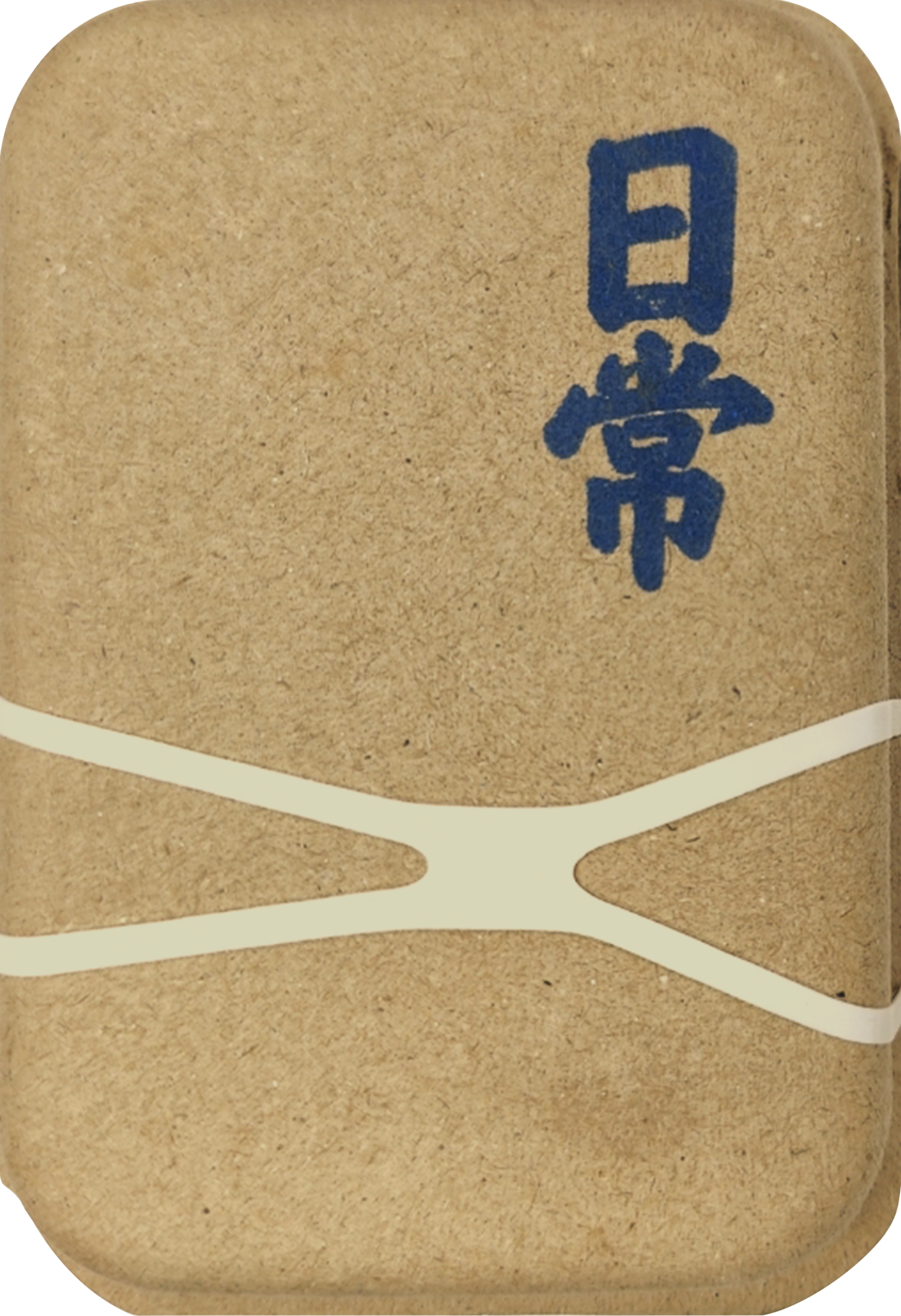
No artist’s oeuvre exemplifies the variety and radical creativity of Beijing experimental music culture than Yan Jun, so it follows naturally that his humble label Sub Jam has become a crucial platform for both established figures and newcomers. The new batch presents material by cross-genre veteran 李维思 (Li Weisi), young but already well-accomplished 孙一舟 (Sun Yizhou), uncompromising neo-Fluxus performer 阿科 (Ake), as well as a gorgeous archival field recording by the late 刘惠润 (Li Huirun). All of the cardboard-housed documents deserve their own appreciation and analysis, but I chose the debut cassette by 日常 (Nichijou) to focus on because of how it captures the diverse sonic and aesthetic interests that make this ever-burgeoning scene so exciting. The newly formed duo of 羊库库 (Yang Kuku) and 赵子毅 (Zhao Ziyi)—the latter of whom also just released his first solo album, 恨你—was almost a noisegrind project, but the musicians quickly pivoted to a very different, stripped-down approach that celebrates the “noise from everyday life.” This two-tape set runs the gamut of all possible definitions of that “noise.” 一 comprises direct recordings of trivial actions, first “扔被子” (“throwing carpets”) and then “拆台” (“dismantling”). Each minimal performance is percussive in its own incidental way: the former draws its momentum from both the muted thumps of the heavy fabrics making impact and the empty space in between; the former from the accidental rhythms of clatter, clicks, and yanks as devices are disconnected and taken apart. There’s a sense of good humor to these mundane proceedings that’s even further realized in the irony of “拆台” directly preceding 二, both sides of which are filled with dense, surging currents of electricity. Fittingly, C-side track “演奏” is a rendition of a composition of Yan’s; its presence here honors his career-long incorporation of electronic feedback systems into the organic, humdrum acoustics of the quotidian.
All of the new Sub Jam releases include thoughtful interviews with the artists (in both Chinese and English). I recommend reading every single one!
Looking ahead to 2025, I’d love to finally follow through on making this site more collaborative. If you want to write a review or feature or scene/show report, make a mix, do an interview, whatever, hit me up.
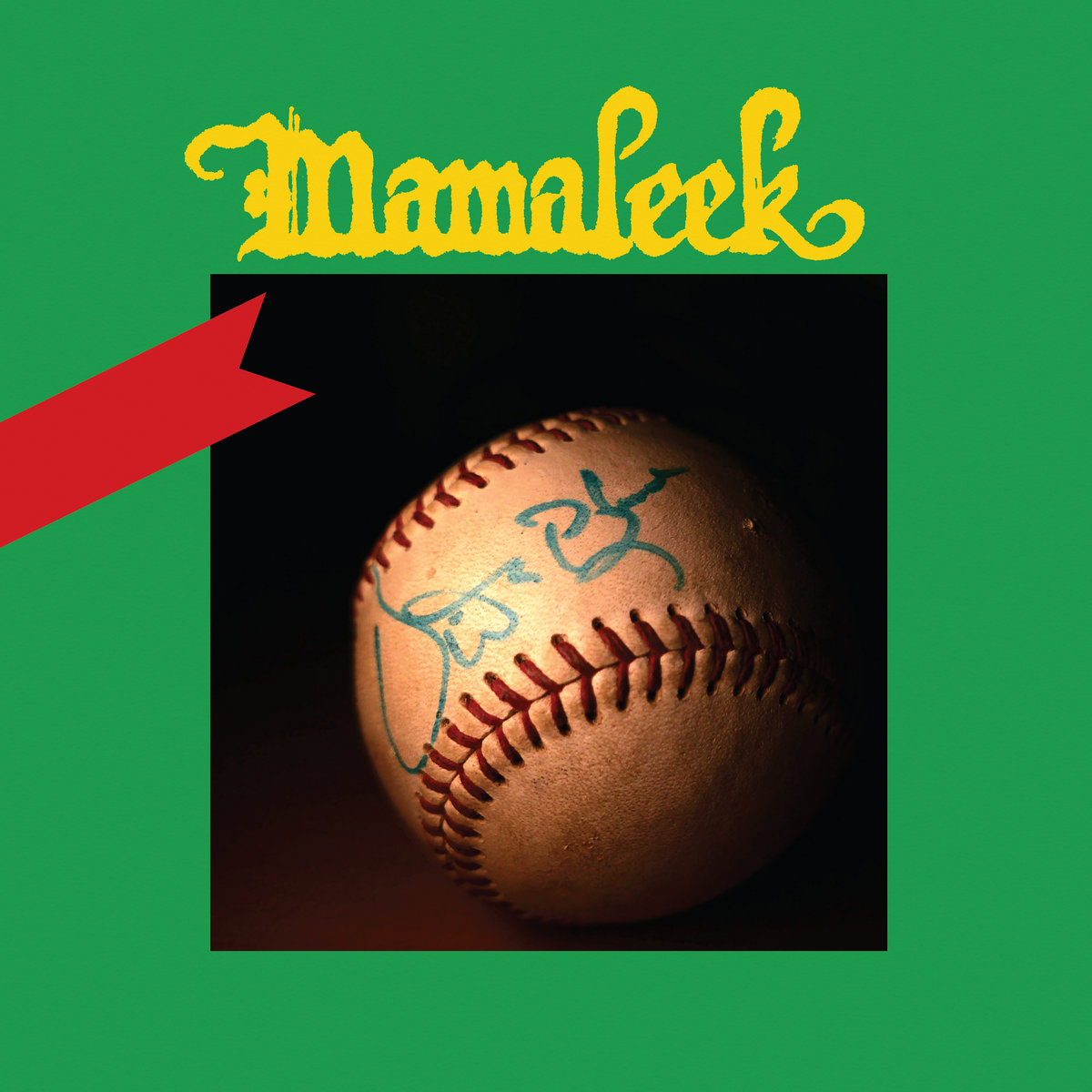
Shocking, I know. It’s hard to conceive of Mamaleek putting out a bad album at this point, but it’s still surprising that they manage to knock it out of the park every time. That phrase has specific relevance to Vida Blue, named for the legendary pitcher of the Oakland A’s who died in May of last year. It’s an album haunted by loss: of Blue, of the team, and of band member Eric Alan Livingston. In characteristically cryptic fashion, Mamaleek explores these voids via lurching grooves, dissonant jazz-rock noodling, and wounded moans drenched with pain. It’s pitch-dark and achingly sad, loose and meandering and unsure in a way the previous two records weren’t—which makes the brief flashes of hope, like in the sublime diptych of “Hatful of Rain” and “Legion of Bottom Deck Dwellers,” all the more affecting. Every single time I listen to this album it gets better.
A holdover from my mid-year list; in a year of darkness, confusion, and violence, Something About Shirley continued to be terrifyingly felicitous. Everything that Jersey MC Fatboi Sharif released this year was great, but none remained in rotation as long as this ten-minute suite, which ended up being one of my most-played tracks of the year. Sharif and producer Roper Williams reach heights only hinted at by their previous collaboration Gandhi Loves Children, weaving a hallucinatory web of horror both concrete and abstract. A landmark achievement in contemporary experimental hip-hop.
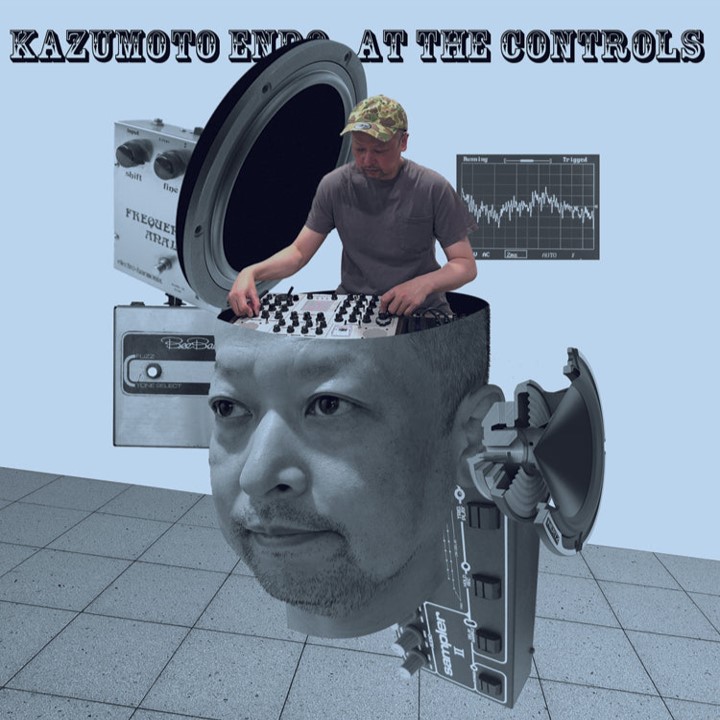
Since it dropped in June, At the Controls has remained the CD I reach for when I need to drown something out. Endo’s genre-defining technique reaches a new pinnacle here, thriving off the freedom afforded by 15-minute track lengths. Self-imposed constraints ensure that each of the three cuts is uniquely eviscerating: “Into” twists and lurches, “At” punctures and pummels, “Out of” loops, loops, and loops some more. This is pretty much as dynamic and exciting as noise can get, and a breathtaking return to form for one of the greatest to ever do it.
Drive Your Plow Over the Bones of the Dead – Tragedy as Catharsis (No Funeral, Nov 5)
Classic emoviolence is undergoing somewhat of a revival recently. For many bands, though, simply retreading the glory days of canon skramz is not the goal; instead it’s to build upon them, incorporating outside influences and novel creativity to go beyond just paying homage. Vancouver’s Drive Your Plow Over the Bones of the Dead pulls off this tall order on their first LP with more success than most could hope to on their third; the metalcore leanings imbue the anxious songwriting and spiraling riffs with a crushing heaviness that culminates in pit favorite “Ritual Symmetry.”
Action/Discipline – Out of Stasis (self-released, Oct 11)
I was originally going to include this one on the f, but it both presents previously unheard material and—despite being a thrown-together special event release—stands on its own as a cohesive tape. Separated by roughly 700 miles of coast, Stefan Aune and Brad Griggs convene only sparingly to record or perform as Action/Discipline, yet every single time they do something magical happens. Studio tracks “Power-Driven Stimuli” and “Prefrontal Injectors” are packed so dense they burst at the seams, screeching high frequencies piercing through roiling masses of in-the-red harsh; the live cuts are hard-panned duo attack bliss.
Sachiko M – Sine Wave Solo at Ftarri 2022 (Hitorri, Oct 27)
Listening to Sachiko M is always a deeply personal experience. It somehow becomes even more so on this live recording from a concert series a few years ago at Ftarri. Now there’s intimacy not just in the crystalline beauty of the basic sounds she makes her own, but also in the air between the speakers and the audience. It helps that this set, beyond being the first extended solo material she’s released since 2009, is also some of Matsubara’s most whimsical and personal improvising ever. Her radically minimal toolkit has never been merely a concept to explore—it’s also an instrument, one she plays to achieve a familiar goal: making beautiful music.
Cynthia Erivo’s spoken introduction to ACCESS ALL AREAS is not coy about the group’s influences. The London trio of Jorja Douglas, Renée Downer, and Stella Quaresma openly celebrate their girl group lineage and provide a crucial dose of “bad bitch replenishment” with their wonderful debut LP. Everything about it is a step up from their EPs, from the clever songwriting to the overall level of confidence. But what makes this record an instant classic is that these three talented women are clearly having so much fun, an infectious energy that elevates already excellent pop songs like “Walk Like This” and “Nocturnal” to new heights. And if you aren’t watching the music videos and live performances, get on it. The choreography will take you right back to 2001.
The self-titled C92 from this new “collaborative sound project” is a sublime example of assemblage as artistic expression. Compiler Jaci Peterson presents two side-long programs consisting of scavenged snippets, YouTube clips, field recordings, and tape experiments that never fail to captivate. Peterson’s unpredictable yet deliberate arrangements sit somewhere between Sensitivity Training and Cody Brant’s Found Cassettes series with regard to how much unifying meaning one is inclined to find; various thematic threads emerge, but the most universal concern is with the joy of making our presence known, whether through music or storytelling or simply making noise, any possibility of failure be damned.
Seeing Melt-Banana live was one of the highlights of my year. Being there with so many fellow fans also reminded me of the immense impact their three decades of innovation has made in the underground community. 3+5 isn’t their best record, but it might be their prettiest, and that’s what I needed this year. Fusing the disparate punk and pop dispositions that made Zero a thrilling but rocky ride, sugar-dusted anthems like opener “Code” and “Scar” are adrenaline shots straight into the vein. And it’s hard to imagine a more fitting closer than the glitched-out fairy ring that is “Seeds.”
There are a modest handful of reasons why I’m proud to be from southwest Ohio, and one of the biggest is its noise history. These two projects both originated in the Cincinnati/Dayton area and represent some of the best that contemporary US harsh noise has to offer. Heat Signature need no introduction; their half of this summer tour cassette captures the gestural, white-hot speed of their live sets, a chain-fed onslaught of (un)controlled combustion. The real surprise here is Outdoor Horse Shrine, whose churning transmission surges forth with minimal effects but maximal intensity (a high standard continued on the spectacular Water Course). Listen here
Wolf Creek / Casa di Caccia C38 (Second Sleep, May 9)
At this point I will buy absolutely anything that contains new Wolf Creek material. The Tokyo duo consists of two young musicians who synthesize what we all love most about four glorious decades of eardrum-splitting Japanoise. “Glock Burst Cock” is easily my favorite thing they’ve recorded, and its screeching feedback abuse and vocal mangling sounds like magic on this well-produced tape. It’s one of two Second Sleep splits this year that feature Casa di Caccia (label honcho Matteo Castro’s project with Gianluca Herbertson), and their contribution is a worthy comedown from the violence of the A side, almost pensive in its improvisational agility.
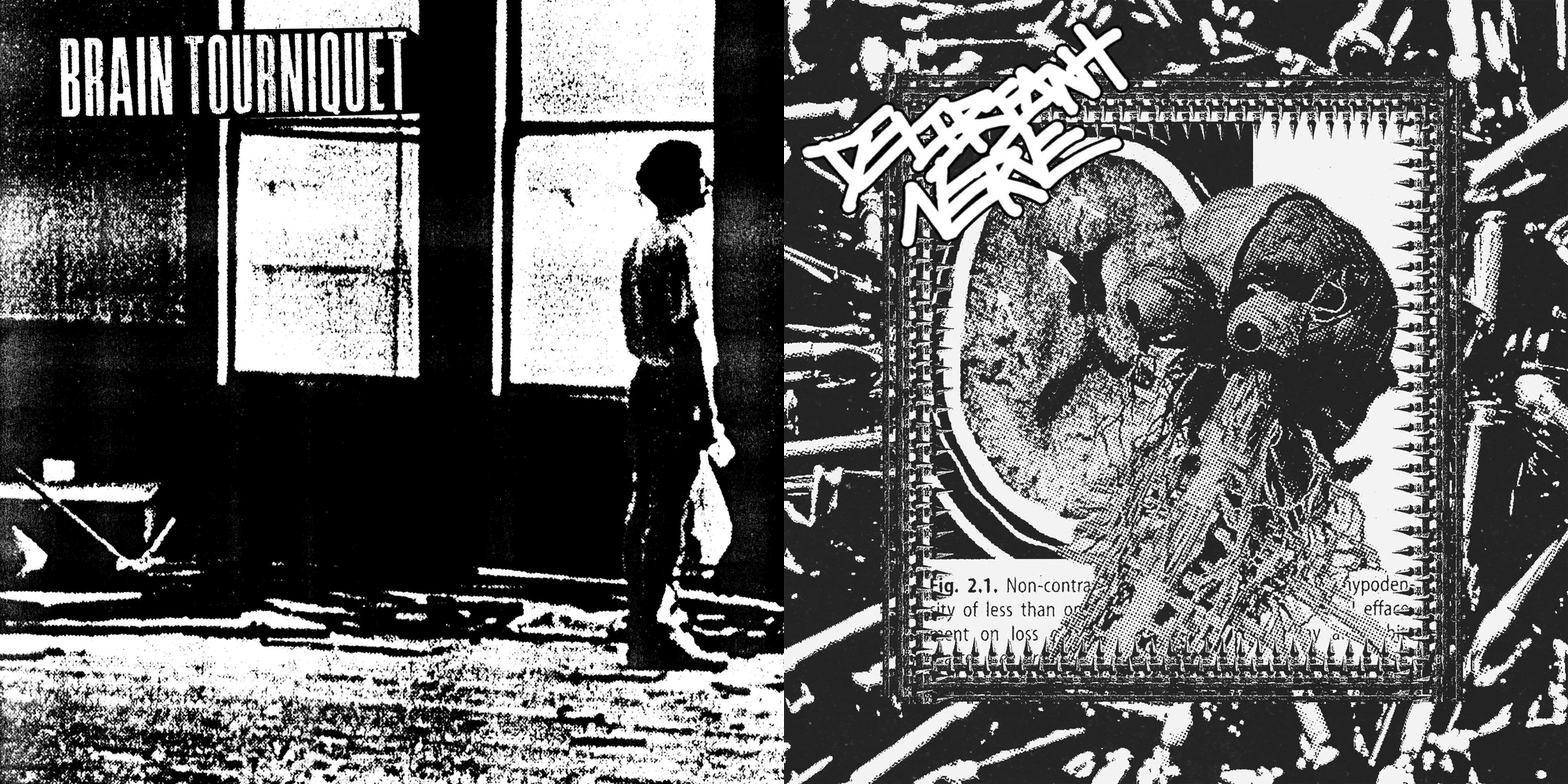
Brain Tourniquet / Deliriant Nerve 7″ (Iron Lung, Jun 28)
Two titans of the D.C. hardcore scene (both anchored by the breakneck drumming of Aidan Angelo) face off on this skull-denting 7″, which sees each band even further embracing their no-frills, classic sound. This is definitely the best Brain Tourniquet has ever sounded; they kick both the speed and heaviness into higher gear, ripping through ten miniatures of brutal knuckle-dragging powerviolence. It’s tough to follow, but Deliriant Nerve brings their A-game as well, delivering their tightest and most satisfying songs yet. Sometimes it’s better to smash the wheel than to reinvent it.
Dressing / Standard Grey C50 (Buried in slag and debris., Dec 20)
A lot of the material on Buried in slag and debris. lives up to the label’s name in some way, but perhaps none so much as this transcontinental split from kindred reel-wranglers Dressing (Dublin) and Standard Grey (Nara). Both artists’ sides deal in sublime detritus of all kinds and could easily be standalone releases in their own right. Dressing balances swirling shard-storms of tape noise with haunted, uneasy harmony, while Grey glides through a focused suite of carefully reworked field recordings. The mud piled up to the doorjamb, the loam under your fingernails that you can’t bring yourself to wash out.
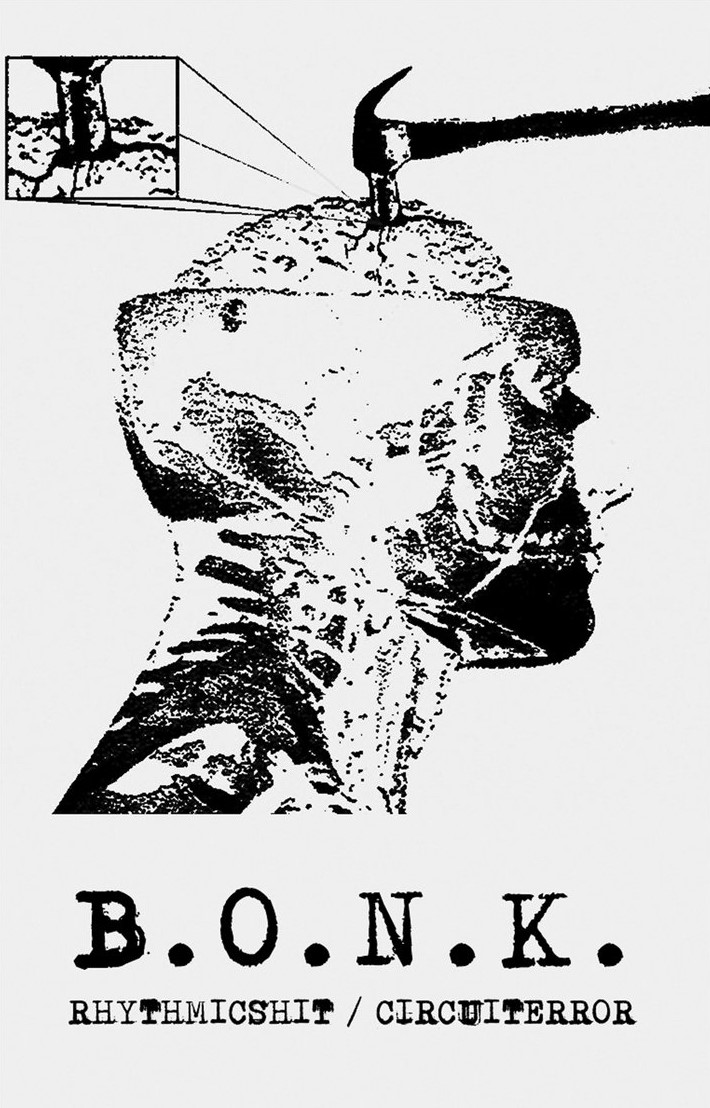
RHYTHMICSHIT / CIRCUITERROR – B.O.N.K. (Karma Detonation, Oct 14)
A C10 is always refreshing, especially a split, which gives each artist an imperative to compress their best ideas and execution into five minutes (or fewer). RHYTHMICSHIT, the Shanghai duo of Junky (Torturing Nurse) and Huang Lei, does this by default; the live set they contribute is just over four minutes and I honestly can’t imagine it being any longer. Another newer project, CIRCUITERROR, ditches the drums but not the aggression with a clusterfuck of crunchy cracked electronics. I love a good contrast between sides, and that plus the brevity makes this one compulsively replayable.
Gemengung has always flirted with static structures since the project began, with releases like Forced Collapse and Root Bound favoring thick, layered distortion and subtle development over fast-paced dynamics. But “Devoured by the Understory” is arguably his first straight-up wall track, and it’s glorious. Listen through speakers if you can. Meanwhile, Barrera delivers a characteristically subversive half-hour of no-input stutter. It’s overshadowed a bit by the monster of an A side, but it holds its own well enough. My favorite of the three lovely Gemengung splits we were treated to this year.
Red Boiling Springs / Snail Male C22 (Crooked Branch, Mar 22)
Crooked Branch Collections never disappoints, and their modest two releases this year are no exception. This cassette marks Snail Male’s second split appearance on the label and the first recordings by Red Boiling Springs, a project that was on my radar before I even started publishing reviews, in almost four years. The two artists bring very different but strangely complementary ideas to the table. RBS offers up some interesting “noise by other means,” none of the individual elements overtly abrasive but kicking up quite a racket in combined form. Snail Male’s tracks aim to capture the vulnerable horror of alien abductions, hallucinatory bump and thump that reminds me of Free Magic Show.
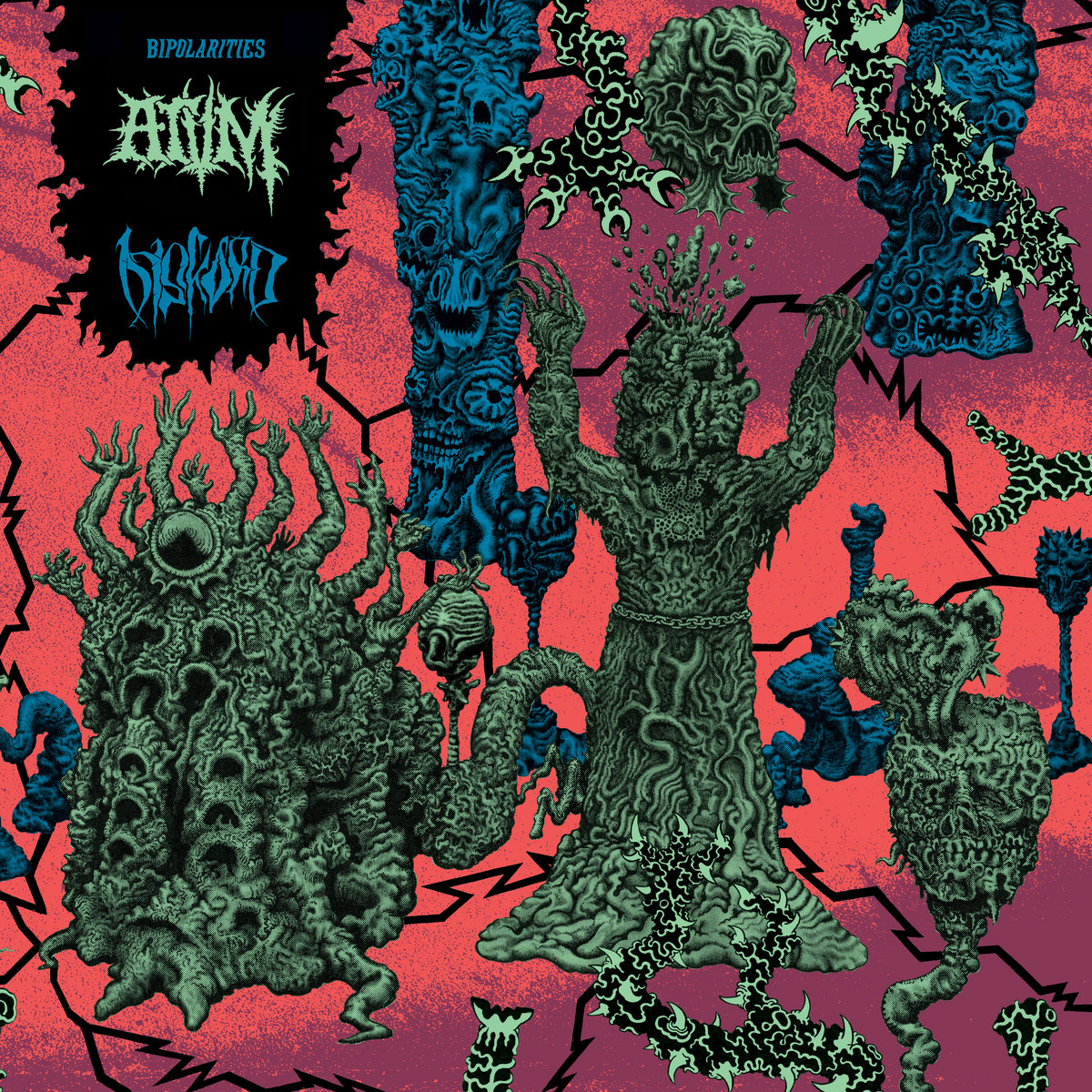
This was a last-minute addition recommended by a friend, and as a chronic DM skeptic I honestly expected to hate it… but something about the general absurdity of Bipolarities just works for me. Diskord is a band that’s been doing this art-damaged tech death sound for more than two decades, and that longevity comes through in how fluid their tracks sound. I enjoy how it almost sounds closer to improvisation than careful composition. Atvm have only been around for a few years, but they’re already evolving; they really embrace the silliness here, from the deranged cowbell groove that kicks off “Cancer” to the dance-circle jam midway through “Morphine.” It’s depressing to be confronted with the state of extreme metal consumerism—in case you were wondering, you can purchase gym shorts, a tote bag, or a coffee mug branded with the album artwork—but at least I have this ridiculous music to distract me.
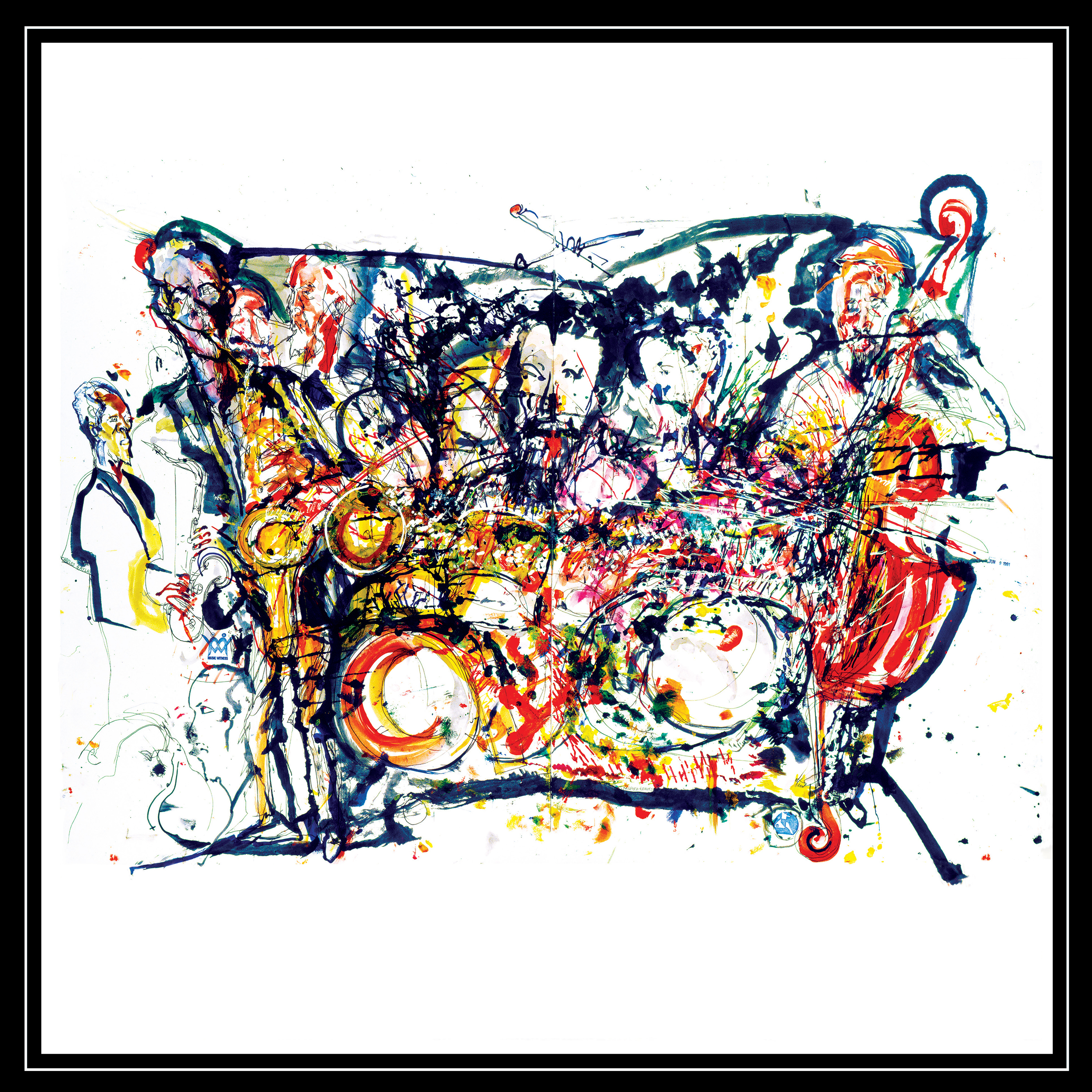
Charles Gayle, Milford Graves & William Parker – WEBO(Black Editions, Jun 21)
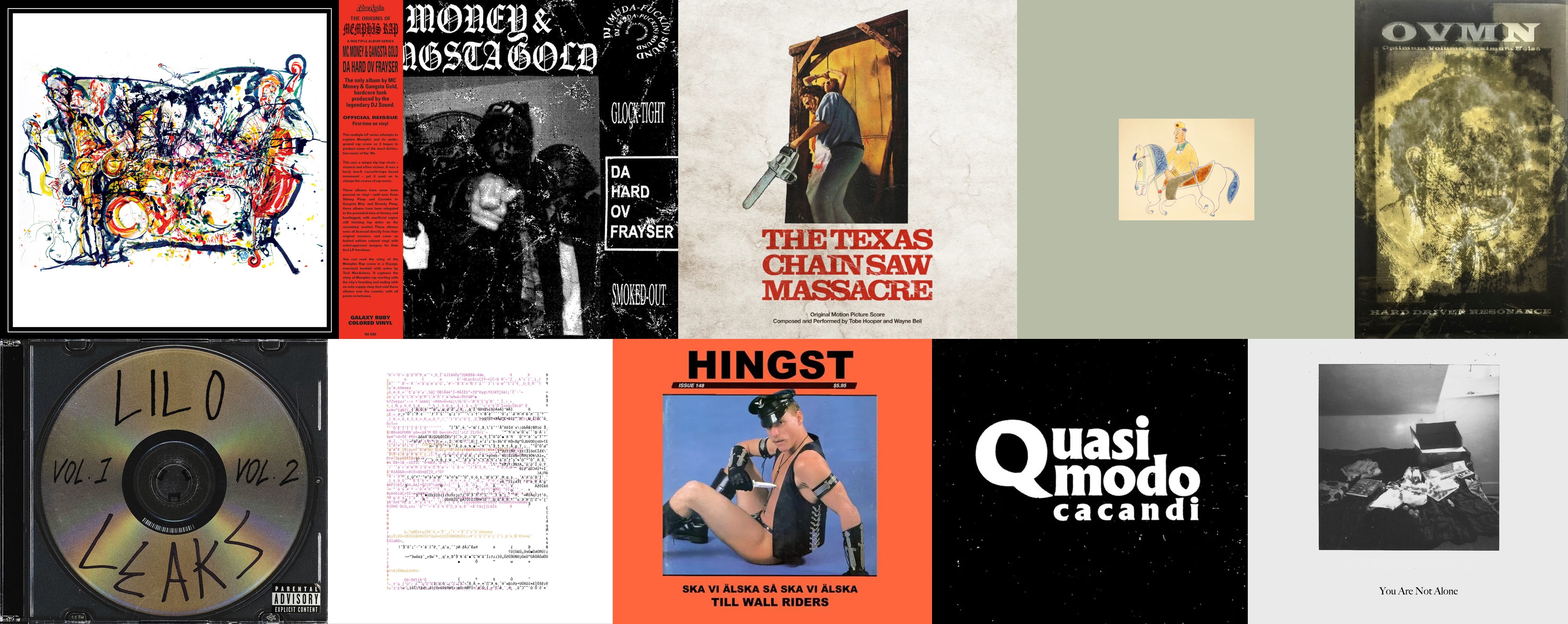
The last installment in Black Editions’ Milford Graves archival series, Children of the Forest with Arthur Doyle and Hugh Glover, was a shoo-in for inclusion on this list last year. But WEBO is truly on another level, a three-LP box that immortalizes some of the best free music ever performed (and accompanied by an interpretive live-painted cover by Jeff Schlanger). Echoing the incendiary brilliance of Gayle’s titanic Knitting Factory quartet material and the psychic interplay of Parker’s legendary In Order to Survive band, these recordings capture the three wizards at the height of their powers, complete with wholesome stage banter and an appropriately enthusiastic crowd. One of my most-played albums this year.
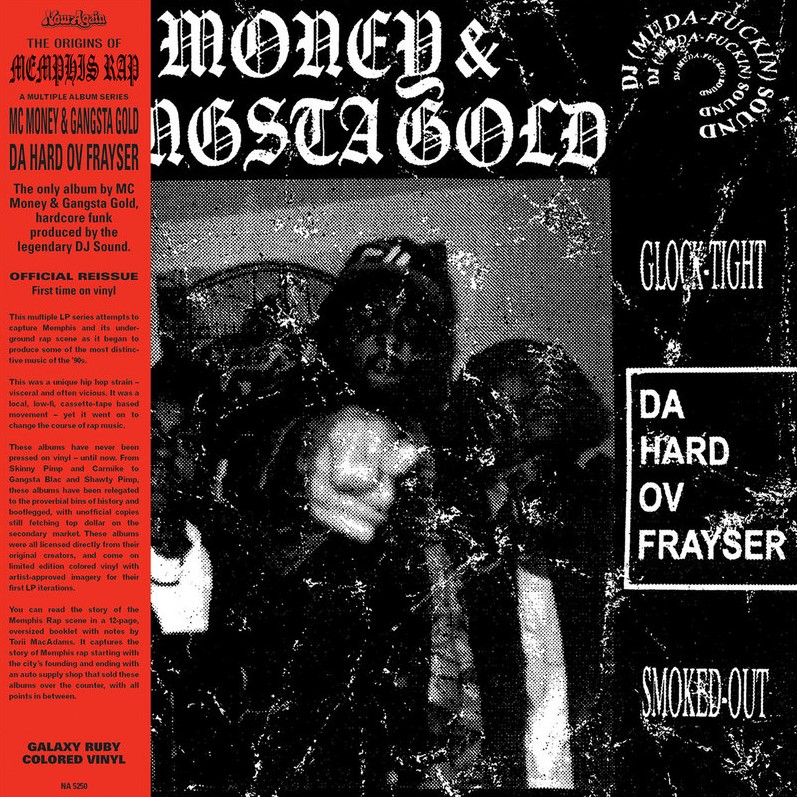
With all of the nostalgic Memphis reissues and unearthings in recent years from Snubnoze, Trill Hill, L.A. Club Resource, and others, it was probably only a matter of time before my favorite tape got the modern recognition it deserves. But that didn’t make it any less of a surprise when I saw the news that MC Money and Gangsta Gold’s eternal Da “Hard” on Frayser, produced and now licensed by the one and only DJ Sound, was getting a remastered vinyl treatment. Though it doesn’t include the fantastic bonus tracks from the 2006 CD-R release, this LP pressing comes with a booklet and photos that honor some of the most formidable artists of this legendary scene (RIP).
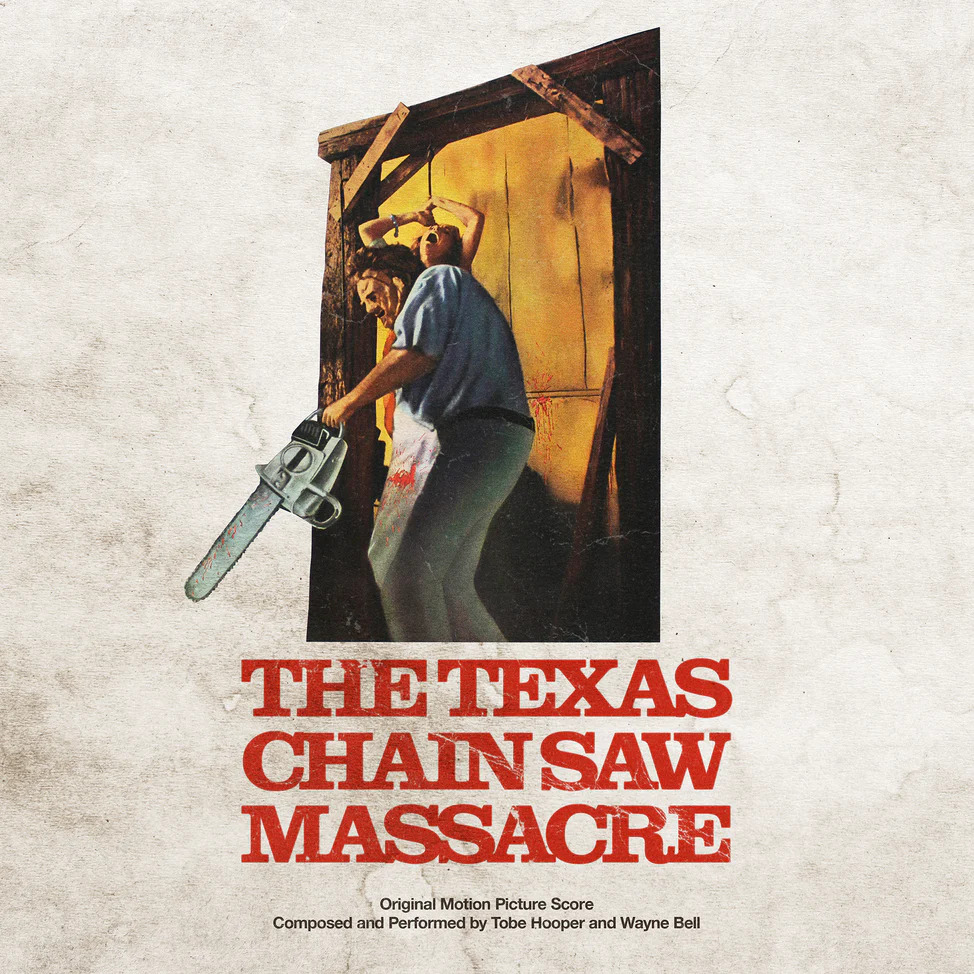
The Texas Chain Saw Massacre is an important movie to me for many reasons, but perhaps in largest part because the iconic score was what led me to discover the existence of a curious little thing called noise music. After decades of bootlegs being circulated, the original master tapes finally emerged last year, then lovingly transferred, remixed, and remastered by Wayne Bell himself, just in time for the classic Southern slasher’s fiftieth birthday. It’s almost surreal to hear the creeping industrial soundscapes without dialogue still enmeshed in the recordings. What a time to be alive a walking pile of meat.
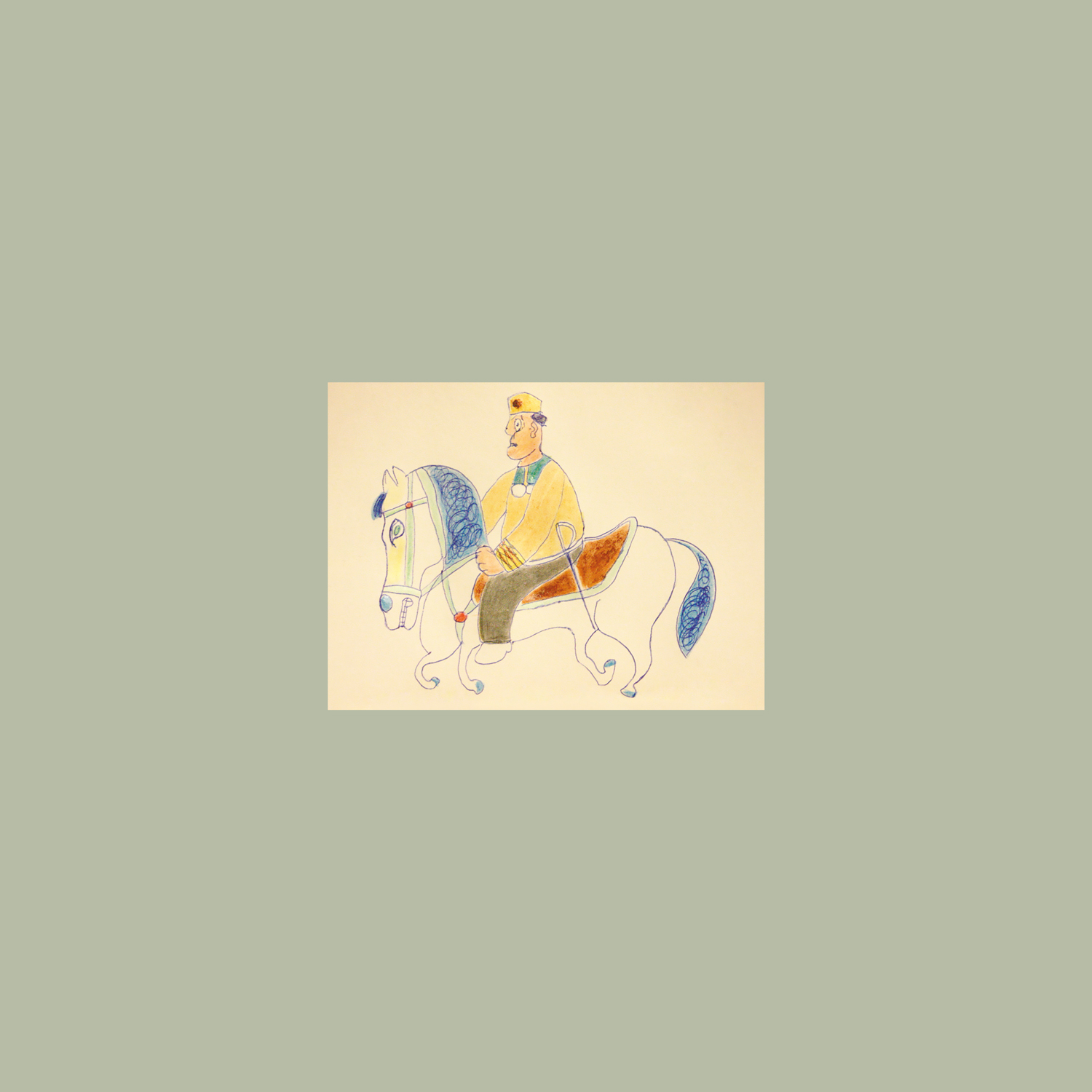
I love everything Piermattei puts out, but Gran trotto surpassed his already high standard and steadily settled into masterpiece status. First released as a humble limited CD-R on Chocolate Monk, these naturalistic audio-diary entries and their easygoing openness were perhaps always meant to find their fullest life on wax. The sounds and the way they amble through spaces both defined and surreal are timeless (even beyond, as Ed Pinsent notes, the fact that no “modern” noises are present); a reissue three decades on would feel just as welcome.
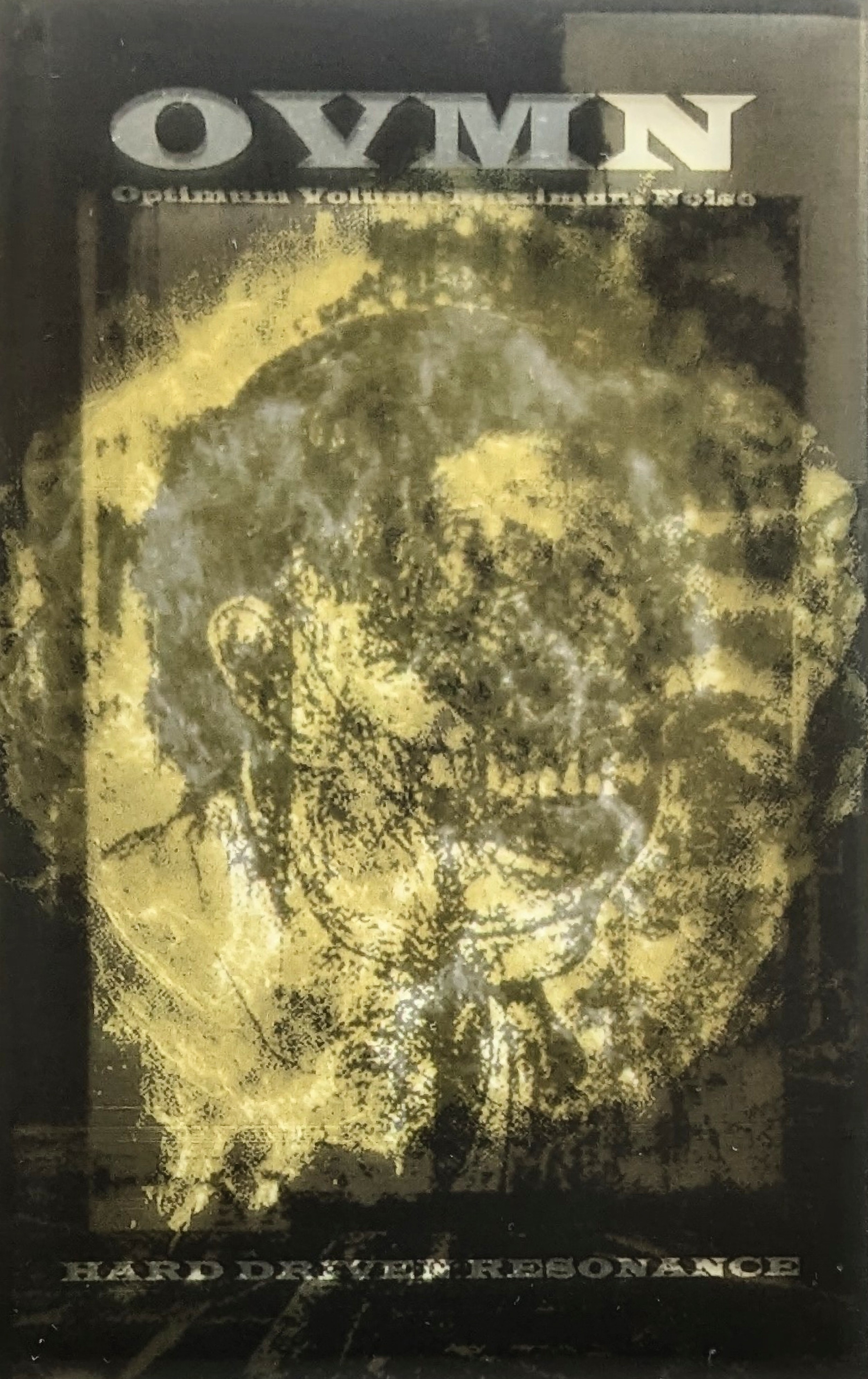
No one can understate the importance of mainline Macro to the noise genre, but for me personally it’s always been the various auxiliary mutations that have gotten the most play time. OVMN (Optimum Volume Maximum Noise) was/is the side project that blurs the lines the most; the personnel for Hard Driven Resonance—first released in an aluminum-wrapped, extremely limited promo edition in 1996—simply consists of core members Roemer and Stella, but for whatever reason this bloated, loose-strung, sweat-soaked, fiercely unserious slab of harsh scratches an itch that Crack or Grind don’t. Kudos to Advaita for some great work recently.
Part of the double-edged sword of musical success is the risk of losing control, whether legal or creative, of your own art. Even with seemingly nonstop leaks and label fuckery (as well as a brutal dox), OsamaSon always manages to come out on top. Despite the rollout of his highly anticipated upcoming record Jumpout being delayed as a result of these dramas, 2024 was a great year for the young MC, culminating with the surprise drop of these two leaked track roundups. The first volume is better than most official full-length albums by other rappers (“My Bad” and “Hope” are standouts), and the second features the entirety of the fantastic Christian Boultan EP he released under an alias back in May.
I know of the late Sawako Kato thanks to both her beloved album Hum (also on 12k) and her spellbinding 2012 live improvisations with hofli, Kazuya Matsumoto, and Yui Onodera. As friend and collaborator Kenneth Kirschner highlights in the poignant eulogy that comprises the release notes for Sounds, a collection of recordings she sent to him in 2003, Kato was enamored with the small, delicate, near-silent whispers that glimmer at the jagged edges of the noise of life. These colorful miniatures express appreciation for both the former and the latter, as well as the elusive connections between them. A fitting swan song for a force gone too soon.
Hingst, the Swedish super-duo of Johan Strömvall Hammarstedt and Edvin Norling, have become one of the most reliable sources of satisfying analog crunch-harsh in the mere handful of years they’ve existed. This handsome catchall digipak collects their first three self-released tapes—a self-titled C20, Hingst På Dude Ranch, and Årets Album— for a wider audience. Though their debut CD that also dropped this year was great (see my review), Ska vi älska så ska vi älska till Wall Riders was really what cemented this project as a clear new favorite.
The latest in a string of excellent re-releases from these reclusive “exotic audio purveyors,” this collaboration first saw life as a cassette from Stinky Horse Fuck in 1996 and is now available as a six-panel digipak. Originally performed by infamous perverts Smell & Quim, the source recordings underwent merciless “split-stereo abuse” by Expose Your Eyes, who also assisted ODMOWA operator M. Wrzosek in the remastering process. Satisfyingly sleazy and encrusted with grime, it retains its diseased rawness even when imprisoned within the most sterile format.
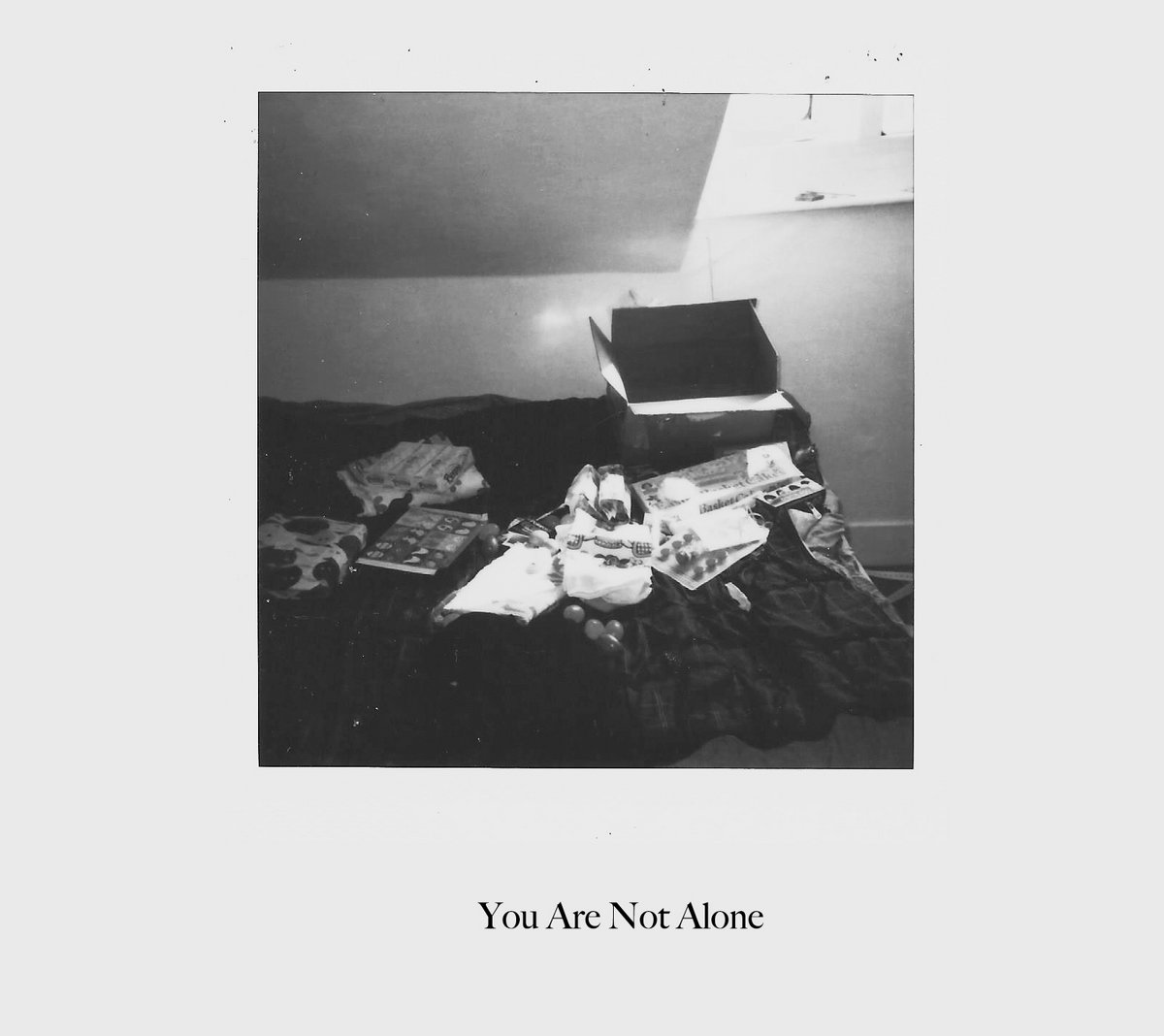
I loved this back in the spring when it came out, but the moody paranormal atmosphere only became more fitting as the days shortened and darkness fell. Another meta factor that works in You Are Not Alone’s favor is its archival origin; acts of exhumation occur on multiple levels, from the snaring of errant frequencies from the great beyond to the disinterment of the 25-year-old material itself. Only listen if you have a free shoulder to look over. Original review
Melbourne’s Arek Gulbenkoglu has been honing an elusive but distinct approach for the past two decades, a trajectory that began with his earliest guitar-based material in the mid-aughts and telescoped with the release of cult classic The Reoccurrence in 2014. The past few years alone, however, have seen the sound artist’s most refined and purposeful work yet. Much of what I wrote about fissure, fissure, fissure applies to Swan in the Past, the third entry in Eamon Sprod’s inspired KINDLING series. Here again are the episodic vignettes of unassuming materiality, percussive punctures that have weight but no mass, blocks and smears of self-contained stasis. But KINDLING’s print element provides a new dimension for understanding Gulbenkoglu’s work, even if it introduces just as many questions as answers. The cover of the booklet (Sprod conspicuously calls it a “newspaper”) features the word “paradise” in green text, rendered in both English and various classical languages. The ten inner pages contain a series of images: individual curiosities in a seemingly random arrangement, a baffling clean-cut montage sequence somehow both more and less than the sum of its parts… sound familiar? It’s like a visual representation of what Gulbenkoglu is getting at with his music, an invitation to make connections between the unconnected, to draw conclusions from the inconclusive. It helps that the sonic aspect of Swan in the Past is more eclectic and unpredictable than ever. The first five-or-so minutes are radically minimal yet proceed with purpose, at least for a while. Digital obstacles—stalled process loops, computer concrète, clinical hum and whir—complicate things. Even when a piano creeps into the mix and hints at some shred of organic tonality, it soon reveals itself to be coldly synthesized. Later, unseen hands fumble with a tape deck before kicking off a lengthy drone that feels like a drill straight through the skull. The burbling coda is a relief, a cliffhanger, an epilogue: What was that? What now? Plan, not to scale, of the rooms in the social sciences building, Duke University?
Also check out The Greek Tape from earlier this year as well as the equally excellent first two KINDLING releases by Éric La Casa & Taku Unami and Seth Cooke.
I’ve written extensively about Everyday Samething on the site, so there’s little I could say here that I haven’t already said… other than that 2024 is almost over and they’re still killing it. In love with this new batch.
Have you seen the new James Blunt documentary? Yes, it’s a documentary about English singer-songwriter James Blunt. Yes, the guy who did “You’re Beautiful.” Yes, I could think of a few things your hour and a half might be better spent on. For example, you could play this single-sided cassette called James Blunt Documentary four times (with room for rewinds). No, it’s not just remixes of “You’re Beautiful” (as far as I know). Yes, it’s an ambiguous glitch-strewn nightmare, structured around warped digital noise that twists and shivers with all the anxiety of a 21st-century pop culture enthusiast. Yes, the man himself makes an appearance in the form of a muffled, awkward interview, likely an excerpt from the documentary itself—if you weren’t aware, Blunt is classically trained in the obscure ancient tradition known as “self-deprecating humor.” Yes, it is yet another superb anonymous entry in the Everyday Samething catalog that blends analog obscurity with internet-era despair. No, you won’t regret listening to it. Yes, you will regret being born.
Going off precedent, the title of this new work from Belisimo could very well be an actual fact, but what’s more subversive than subverting subversion? Ironically, an unhearable anti-music object version (à la Seth Cooke’s Selected Works concrete cube, perhaps) would be less of an affront than whatever this is. Buried somewhere at the center of this loathsome web of half-formed textures is the human voice, but that knowledge alone isn’t enough to affirm it as reality. Beneath communication breakdown lies communication death. “The sensation of suddenly realising you have wet hair in a public place.” Singing is no more artful, no less useless than sighing. The synth-soaked kitsch of Tears for Fears’ “Mad World” lands somewhere between embarrassing faux pas and repulsive taboo in the context of abject nonsense. Scrabble and scrape, mutter and melt… it feels both too long and too short. The Release Is Printed on an Edition of One Custom Thimble.
Though I’m definitely a fan of his solo work, Liam Kramer-White excels in improvised duo contexts, whether with Stella Silbert as Beige, with Arkm Foam as LMFAO, or most recently with Dean Fazzino as Winter’s Treasures. (It also shouldn’t be overlooked that there’s something about Massachusetts that continues to draw like-minded oddballs to set up their tables across from one another… for more subversive jams try on Lean, Variant State, or Foom & Foam for size.) Packaged in a gorgeous screenprinted clear case, Out of Reach and Useless feels like a breath of fresh air. Fazzino is up to his usual tricks—the scattershot circuit wrack will be immediately familiar to fans of the lovely Robert Fuchs roster or the first few Spate releases—but here they’re controlled and thoughtful. The two artists play a good-natured game of tug-of-war with the intensity of their collective conjurings: in “Born Yesterday,” feedback and sine tones temper a white-hot electrical fire, which subsequently engulfs everything to kick off the raucous “Law School.” It’s an excellent tape front to back, but the real standout is the surging closer “Loss of Member Support.” Kramer-White and Fazzino strike a perfect balance between responding to each other and simply working up a racket. I can’t stop replaying this one.

 The word “minutia” almost always appears in its plural form, “minutiae,” a collective designation for any number of things so small or trivial that they evade a first or even a second glance, or are intentionally ignored. In opposition, Ted Byrnes’s new tape goes beyond mere “attention to detail” and celebrates the specifics. If you follow him on social media, you’ll have seen numerous examples of the prolific abstract percussionist’s humbly research-based approach to his craft: countless clips of work with new objects, setups, and constraints, including one from the recording sessions that became Minutia. Here, the focused explorations have a domestic feel, warm and close by. The first track is a new favorite and a great example of how he can whip up a racket with a snare and a modest handful of noisemaking knickknacks (in this case, a wooden paddle ball toy and a couple of pinecones). The textural surprise near the end is cathartic in a raw, simple sort of way, revealing a reverent ear for progression even in such stripped-down contexts. Some of the meditations are more restrained, such as the fifth and final, which sees agile hand strikes and rolls sparring with the natural reverberations of a metallic vessel—a great example of what Byrnes describes as “my love for the incidental sounds that the objects I use create, and how to try to control those sounds while giving them their space.”

 I was originally going to include this one on the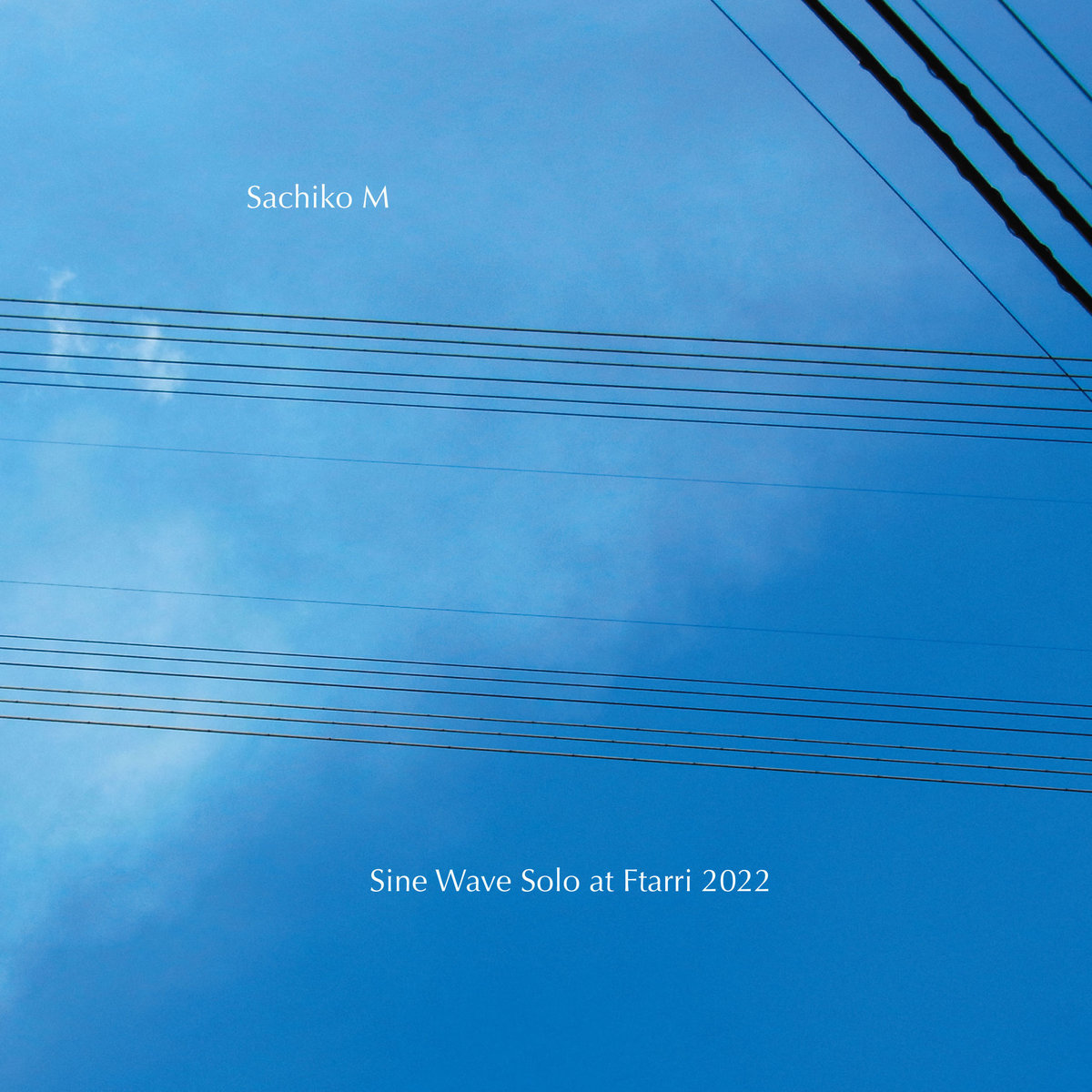

 The self-titled C92 from this new “collaborative sound project” is a sublime example of assemblage as artistic expression. Compiler Jaci Peterson presents two side-long programs consisting of scavenged snippets, YouTube clips, field recordings, and tape experiments that never fail to captivate. Peterson’s unpredictable yet deliberate arrangements sit somewhere between Sensitivity Training and Cody Brant’s Found Cassettes series with regard to how much unifying meaning one is inclined to find; various thematic threads emerge, but the most universal concern is with the joy of making our presence known, whether through music or storytelling or simply making noise, any possibility of failure be damned.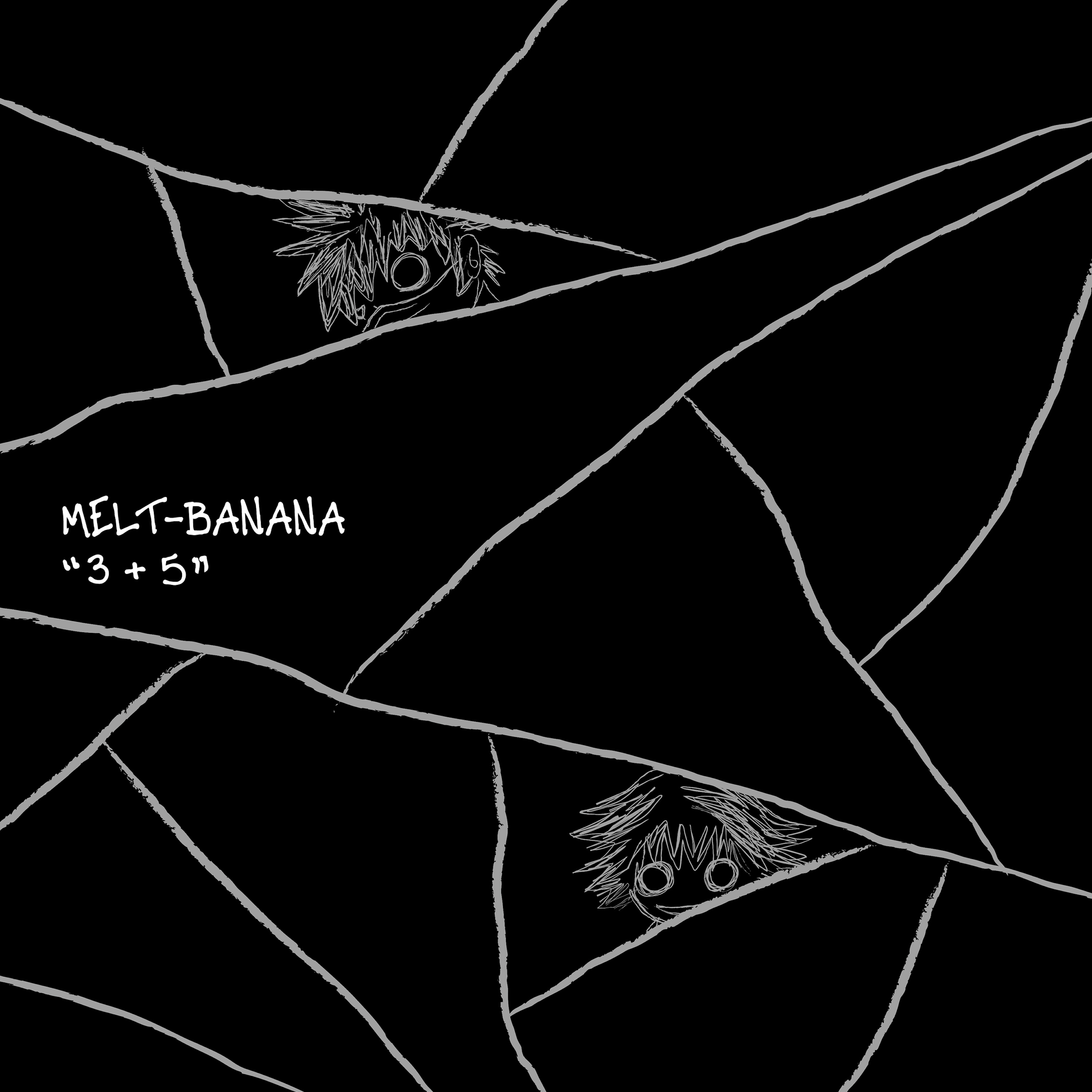









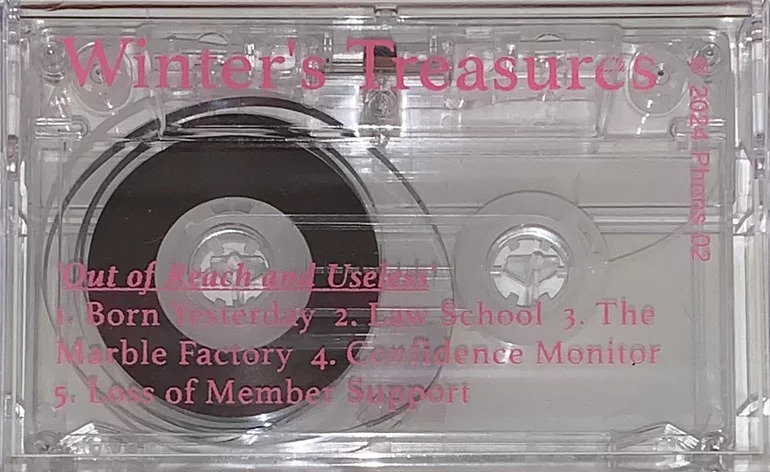
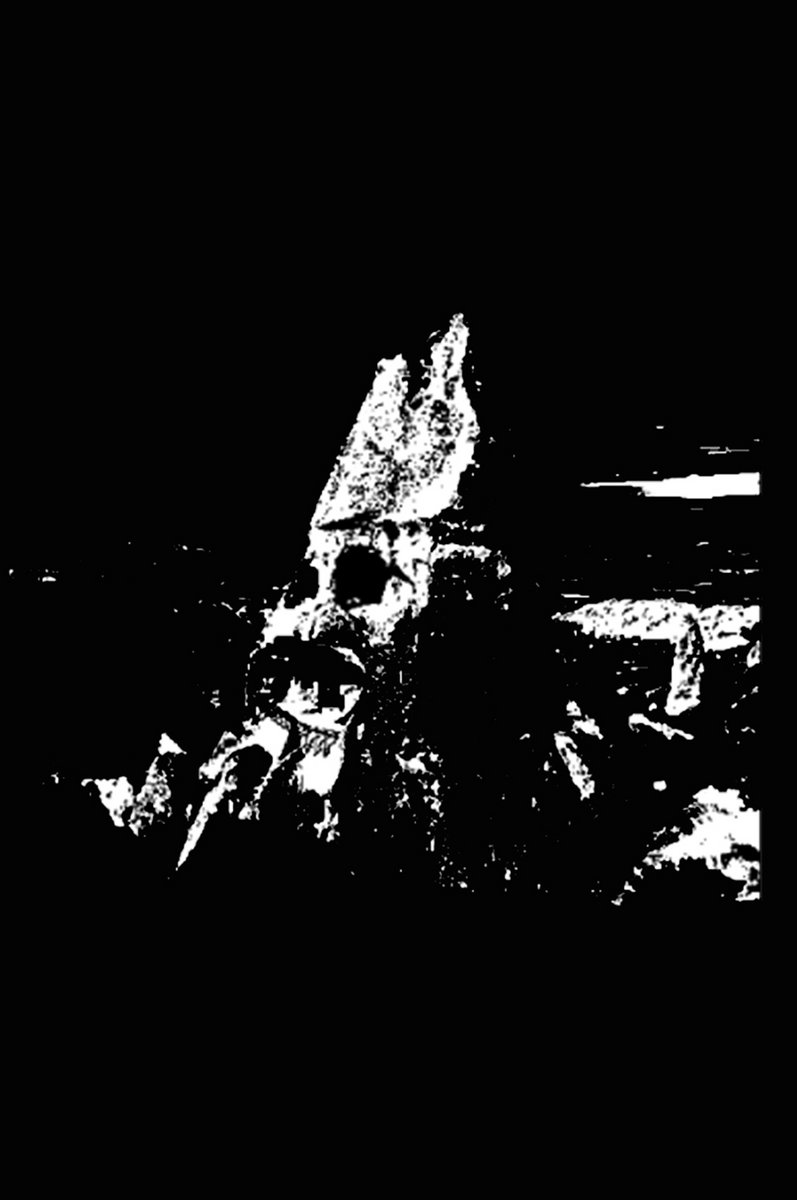
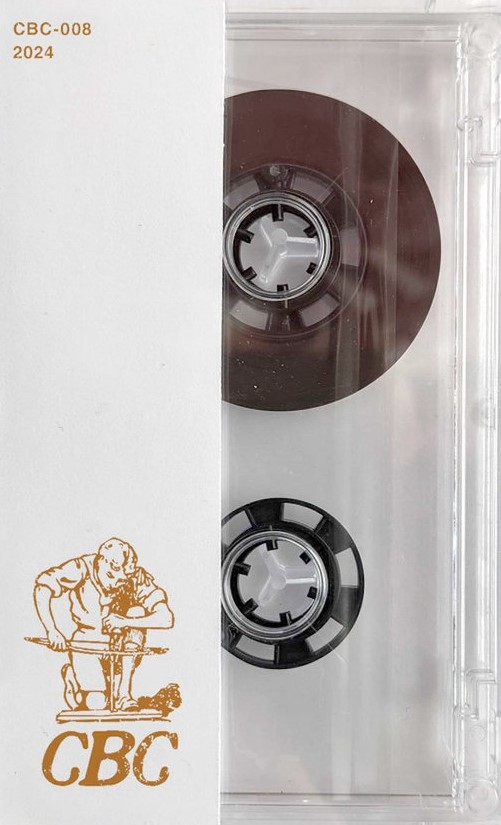






 Though I’m definitely a fan of his solo work, Liam Kramer-White excels in improvised duo contexts, whether with Stella Silbert as Beige, with Arkm Foam as LMFAO, or most recently with Dean Fazzino as Winter’s Treasures. (It also shouldn’t be overlooked that there’s something about Massachusetts that continues to draw like-minded oddballs to set up their tables across from one another… for more subversive jams try on Lean, Variant State, or Foom & Foam for size.) Packaged in a gorgeous screenprinted clear case, Out of Reach and Useless feels like a breath of fresh air. Fazzino is up to his usual tricks—the scattershot circuit wrack will be immediately familiar to fans of the lovely Robert Fuchs roster or the first few Spate releases—but here they’re controlled and thoughtful. The two artists play a good-natured game of tug-of-war with the intensity of their collective conjurings: in “Born Yesterday,” feedback and sine tones temper a white-hot electrical fire, which subsequently engulfs everything to kick off the raucous “Law School.” It’s an excellent tape front to back, but the real standout is the surging closer “Loss of Member Support.” Kramer-White and Fazzino strike a perfect balance between responding to each other and simply working up a racket. I can’t stop replaying this one.
 Noise Not Music