
 As many of you know, I do my best to stick to writing about brand-new stuff. Gotta keep things fresh, after all. But as with Velo Misere’s Retrospectiva de la Fatalidad (which, serendipitously, dropped six years to the day before the release at hand) these kinds of lovely catchalls help lunks such as myself stay abreast of new adventures in kvlt-fi. Here we have Þríleikur, a handsome triple-CS box assembled by label/distro Malevolent Relics that collects the first and perhaps only demos by solitary Philly sorcerer Skafrenningur (a.k.a. Extispex). With the abundance of projects out there, any raw black metal purveyor runs the risk of sounding a lot like everyone else, so it takes a certain special something to rise above the horde. In this case it’s the formidable combination of painterly atmospherics and tight songwriting. Only a few tracks across the three tapes run for longer than four minutes, and yet each of the total twenty-one is its own treasure chest of dense murk and invigorating consonance. “Dauðleikr,” which kicks off both Allsköruligr Jökull and the entire trilogy, yawns open like a cavern so wide you can’t see the edges. As the lengthiest and most ambitious cut, it’s a perfect overture, casting everything that ensues in its hulking shadow. The riffs themselves are never complex; most are based on repetition and straightforward chromatic shifts, with the thrill often coming from the hypnotic drudge itself—and the anguished howls that rip through it. Ska also always knows when to brighten things up with a cathartic major-key resolution… when those harmonies in “Sigrblómi” hit it’s like a new spring sun melting the frost. Though the individual demos hold their own as self-contained installments, the whole set works quite well as a single experience, due in large part to the anchor points provided by the openers. Last but not least of these is “Drephríð,” a short and sweet Paysage-esque intro gust that blows into the darkest and heaviest tape, Himneskr Tárabrunnr. Almost makes you miss winter. Almost.
Author: Jack Davidson
I like to listen to, read and write about, and play music.
Review: Scathing – Venomous Blossoms / Carnivorous Blooms (self-released, Feb 28)
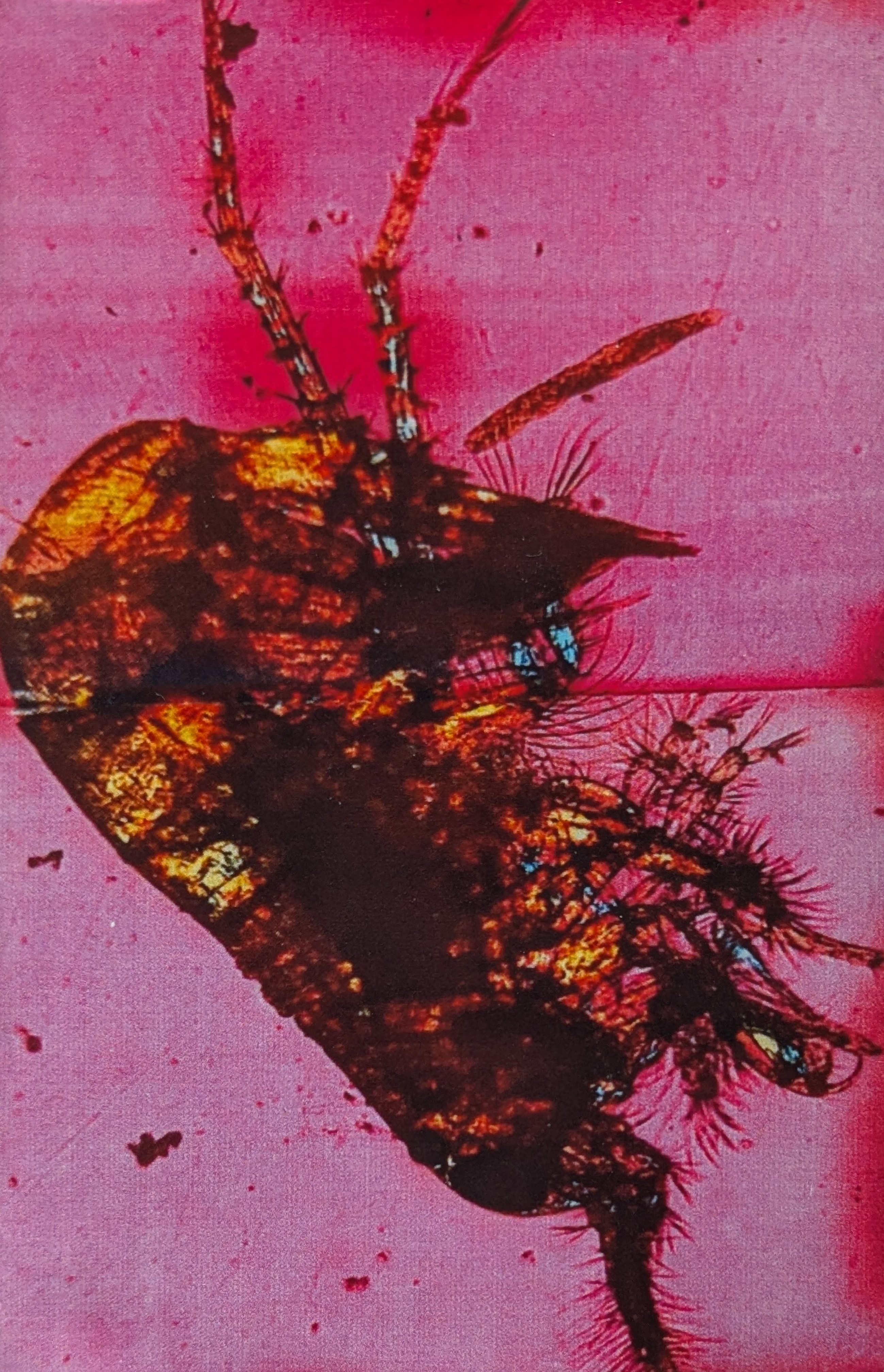 Ah, the C10. A format/length that’s incredibly easy to fill up but incredibly difficult to actually pull off. When it’s done right you get the perfect mix of densely packed quality noise with the inevitable desire for more… but there isn’t any more, so you just have to flip it over and play it again, and again, and again. As Scathing, Kenny Brieger is no stranger to well-executed brevity (his various C20s over the years on New Forces, Narcolepsia, and Cruel Symphonies, as well as a previous C10 on Oxen, attest to that) but the quietly self-released Venomous Blossoms / Carnivorous Blooms is a different kind of beast, born from a hefty chunk of raw material that he hacked, sculpted, and faceted into a razor-sharp jewel. Needless to say, there’s not a single second of wasted time. Brieger has always thrived off both an abundance of ideas and an agility in moving between them, and even with the extensive editing, the explosive momentum of his live sets also comes through. I often associate Scathing with an interest in screeching, upper-register frequencies that other artists would use merely to contrast the low end; he, on the other hand, jumps into those treble-storms headfirst, anchoring the noise high and then diving down. But all that said, neither of these two tracks are anywhere near that simple. There are always three or more things going on, layers gnashing against and twisting into each other, squeals and wails answered by skull-shaking crunch. Any time there’s even a hint of a lull, a new wrench gets thrown in. “Venomous Blossoms” is already ridiculous before it crashes to earth with one of the most life-affirming loops I’ve ever heard. At first, “Carnivorous Blooms” almost seems tame in comparison before it reveals itself to be more of a slow burn, until… well, I won’t spoil it. This is truly top-shelf harsh, the kind that leaves only ash in its path, and all you can do is yell “FUCK!” and—you guessed it—play it again, and again, and again.
Copies will soon be available from Scream & Writhe, or direct from Brieger.
Review: Clearance – Life Hack (self-released, Feb 13)
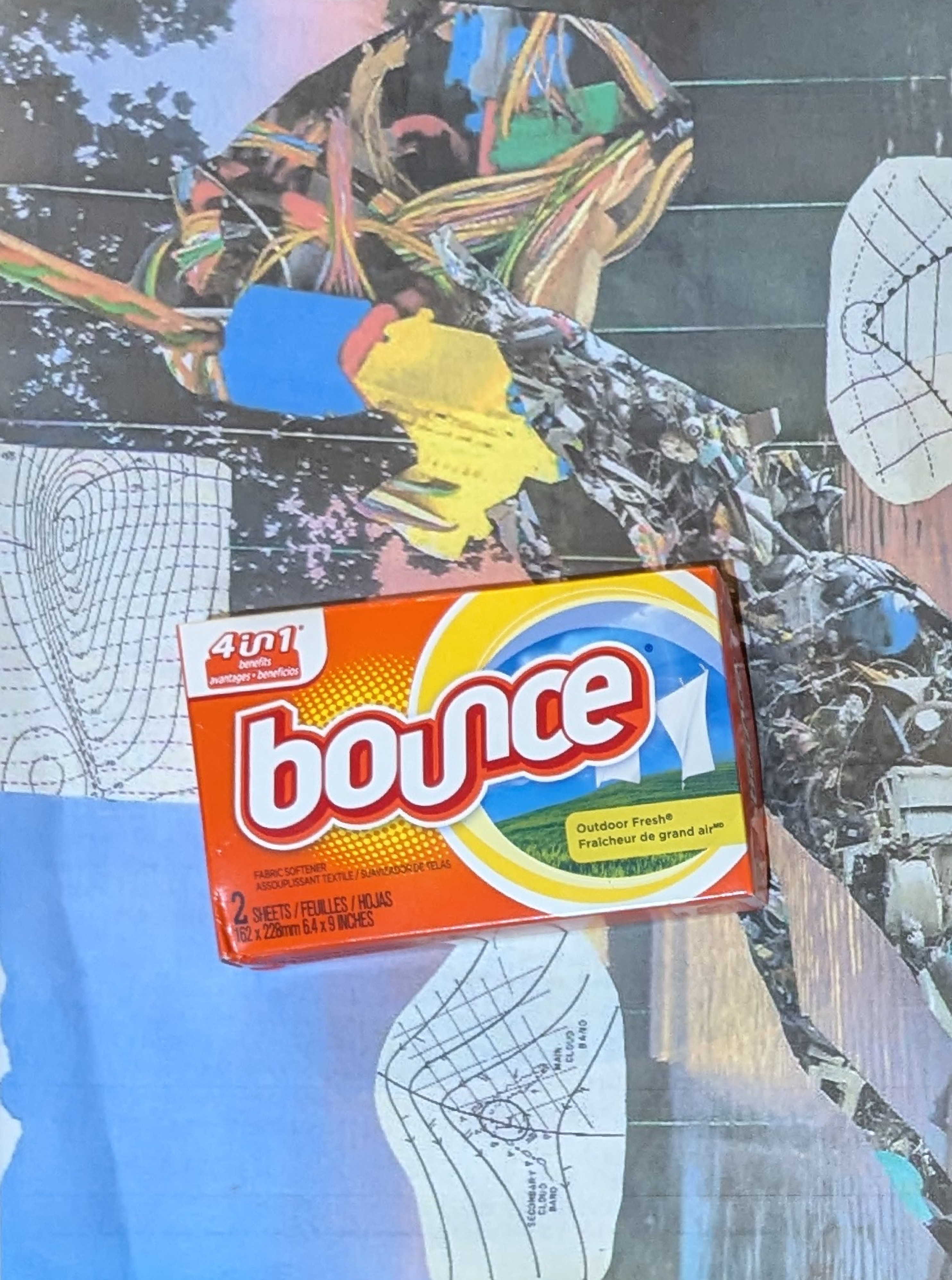 To open up a new Clearance release is to assail oneself with stimuli. Colors, textures, contrasts; images, narratives, mysteries; relevance, irrelevance, everything in between. Old hat, maybe, to those of us trained by gas station screens and FYPs… but it’s also different to be confronted by the physicality of the information, the evidence that the items and ideas were assembled by actual hands rather than the algorithm, the possibility of there being some puzzle to solve, some answer to know. This futile human hope that we can figure it all out is what Zac Davis’s project is all about—in his own words, “when rhetoric is all we are force-fed, in the absence of proper logic we create new grammars which sort of act as a map for the nonexistent logic, which can’t be illustrated.” The “logic” of Life Hack is more intimate than The Seeds That Were Silent and less apocalyptic than Information Warfare, summed up from the get-go by the juxtaposition of a bright orange box of fabric softener sheets on a washed-out inkjet collage insert. Reach inside the bag to find some title pages, a sheet of handwritten prose, and a comprehensive list of favorite Dead shows. What a spread! As easy to get lost in it all as in the music itself, which you have to crack open the Bounce box to get at. Davis deploys his usual arsenal of crisscrossing frequencies and tape feedback at full tilt: layers constantly phase in and out, transmissions scramble for a place to land, garbled propaganda fights to convince. Much like his live sets, the material feels more like jams than compositions. We can hear knobs being turned, patches being activated, and the dial of a handheld radio—always a welcome presence, and here harnessed to great effect—being tuned. The electric clouds are agile enough to bend around much more obtuse elements, like the Dead song in the final track, which actually ends up seeping into the soundscape both sonically and conceptually. The airtight ziplock and secondary cardboard protective shell is crucial for preserving the fidelity of the most fried sounds in existence, so ask yourself before you open this can of worms… Do I really want to know?
Copies available via email (doublebindhotline@gmail.com), Discogs, and various record stores.
Review: Posset – SCUM (Index Clean, Jan 27)
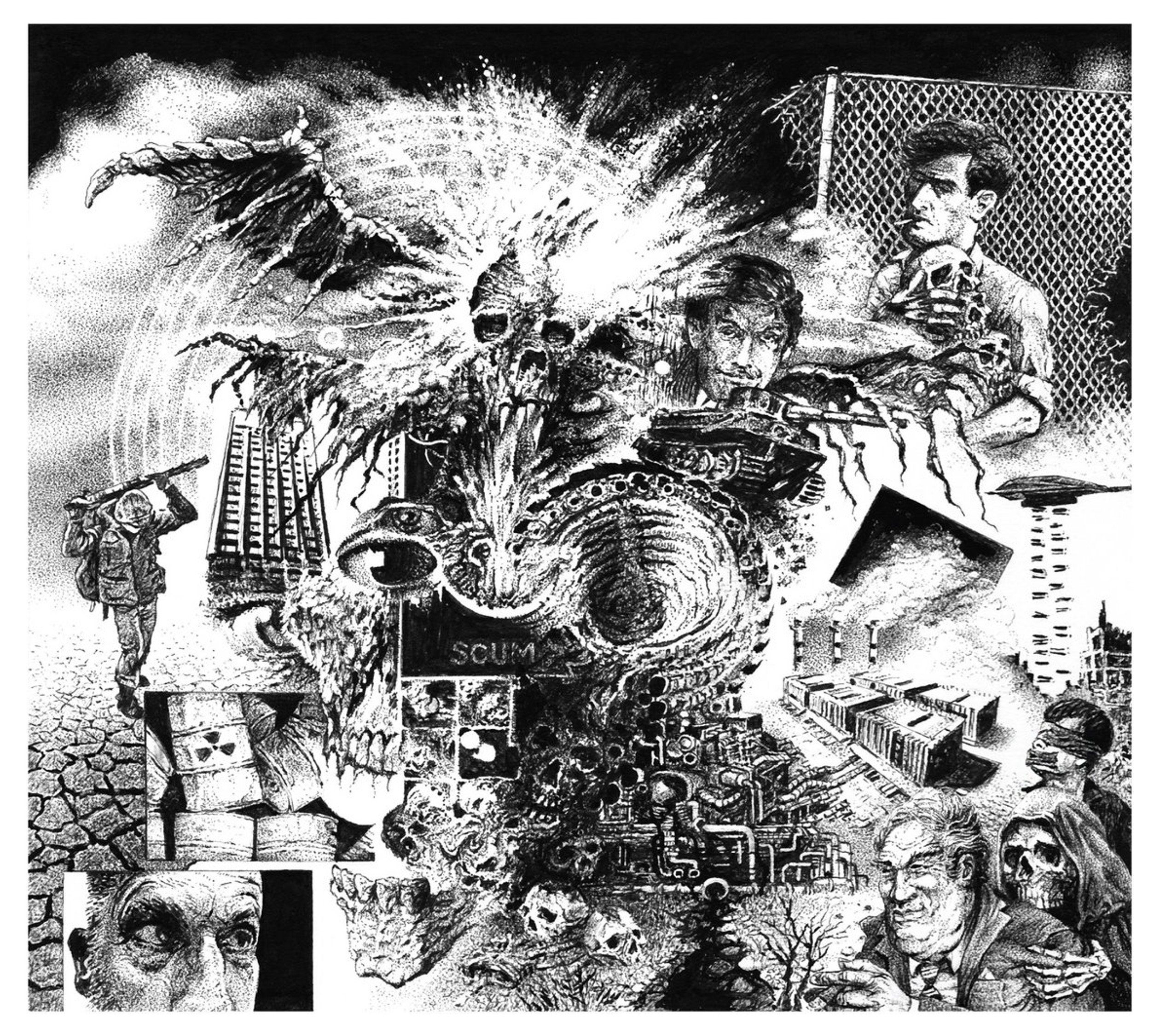 Is the tribute album a lost art? Was it ever an art to begin with? If it wasn’t, it is now. This deconstructed love letter to Napalm Death’s cornerstone grind record redefines what it means to pay tribute to a work of art: to celebrate the reasons it’s so important to you while also injecting your own ideas, to tease out subtle undercurrents and extrapolate them into full-fledged reimaginings. Foreshadowed by “Reading the track list for Napalm Death’s ‘Scum’ into a broken tape recorder” off 2018’s Totally Corporate!, SCUM is perhaps what Joe Murray’s decades-spanning work as Posset has always been leading toward. The Newcastle dictaphone wizard details his “forensic” approach to this massive undertaking in the release notes: “…considered listening, pen in hand, marking up file cards for each of the twenty-eight songs. What was I hearing here? What stood out? Was it dynamic tension and release, sharp changes in velocity, a rare disembodied guitar solo or a grumpy mammoth hum? The more I listened, the more I imagined I heard the band’s hidden structures and intentions; small cells of ideas moving from song to song.” He then stitched the tracks together from their dissected pieces, each one a miniature sonic Frankenstein’s monster, a self-contained universe of free-associative antilogic. The eclecticism at work is immediately apparent from the first few tracks: “Multinational Corporations” is classic Posset, complete with lip smacking and hissing analogy humidity; “Instinct of Survival” is a straightforward (albeit ramshackle) rendition with vocals and acoustic guitar; and “The Kill” is somewhere in between. The curious are likely to jump straight to “You Suffer,” and will be surprised to learn that it’s the longest track on the whole disc. Because this is not a collection of covers, but rather the blackened remnants left behind if Scum were boiled on a greasy stovetop—a reverse distillation, a makeshift magnifying glass put to what Murray cites as the essence of the iconic LP: “a moment of existential terror bathed in the weak Midlands sunlight.”
Copies are also available from Blacksound Records (AUS), adhuman (UK), and direct from Index Clean.
Review: Ted Byrnes – Minutia (un poco fría, Jan 28)
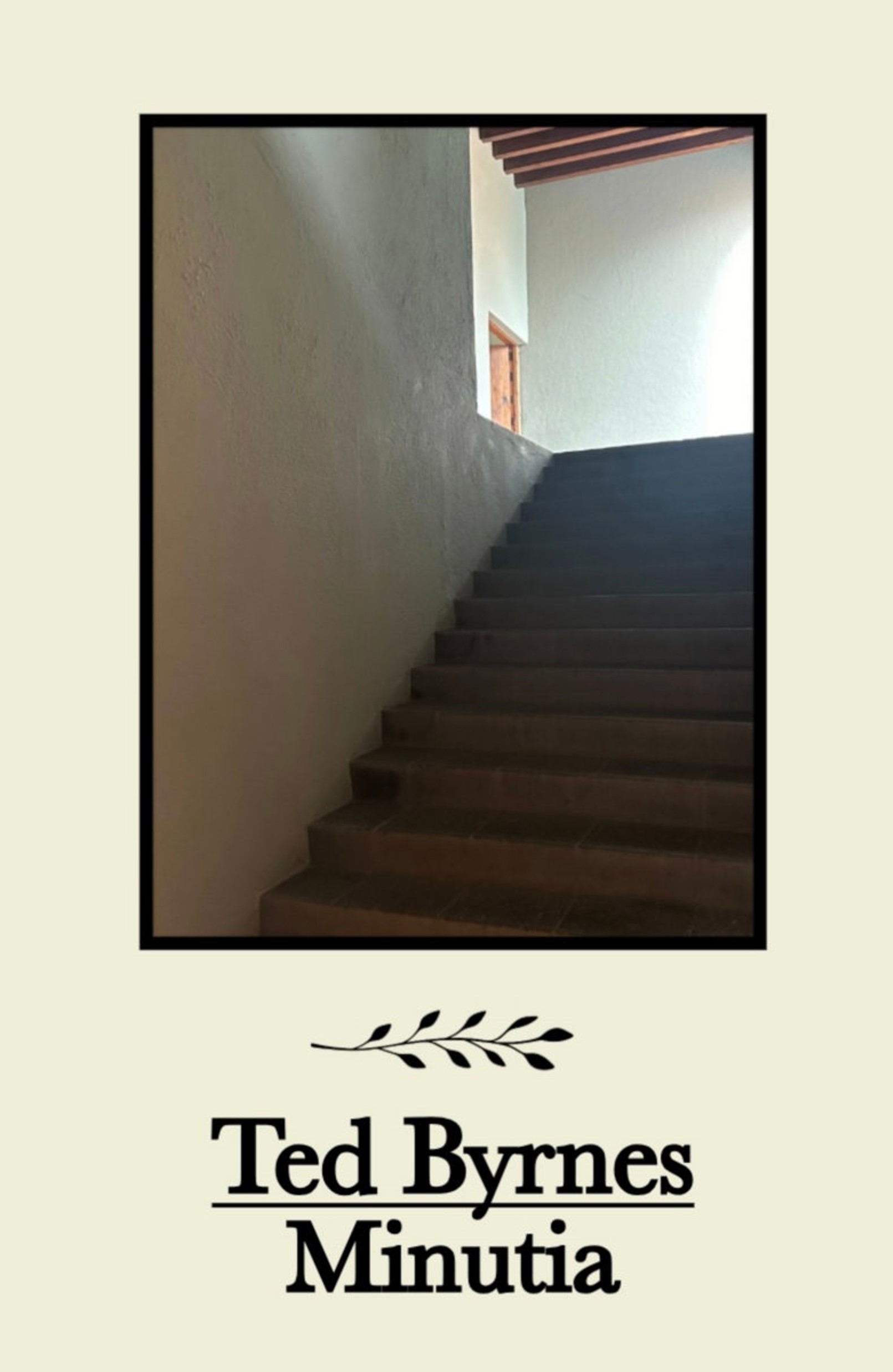 The word “minutia” almost always appears in its plural form, “minutiae,” a collective designation for any number of things so small or trivial that they evade a first or even a second glance, or are intentionally ignored. In opposition, Ted Byrnes’s new tape goes beyond mere “attention to detail” and celebrates the specifics. If you follow him on social media, you’ll have seen numerous examples of the prolific abstract percussionist’s humbly research-based approach to his craft: countless clips of work with new objects, setups, and constraints, including one from the recording sessions that became Minutia. Here, the focused explorations have a domestic feel, warm and close by. The first track is a new favorite and a great example of how he can whip up a racket with a snare and a modest handful of noisemaking knickknacks (in this case, a wooden paddle ball toy and a couple of pinecones). The textural surprise near the end is cathartic in a raw, simple sort of way, revealing a reverent ear for progression even in such stripped-down contexts. Some of the meditations are more restrained, such as the fifth and final, which sees agile hand strikes and rolls sparring with the natural reverberations of a metallic vessel—a great example of what Byrnes describes as “my love for the incidental sounds that the objects I use create, and how to try to control those sounds while giving them their space.”
Copies are sold out from the label, but will soon be available from Byrnes himself, Scream & Writhe, and others.
Mix: Movin’
Captures the transitional phase between classic funk and disco among bands hailing from the New York metropolitan area: in the mid-70s, tempos began to climb and kicks started to hit on every downbeat, but the silky smoothness and sheeny string melodies hadn’t yet stifled the earthy grit. A memorable and eternal sound.

Brass Construction
00:00. Brass Construction – “Movin'” from Brass Construction (United Artists, 1975)
04:29. Cameo – “Good Times” from Cardiac Arrest (Chocolate City, 1977)
09:27. Aquarian Dream – “You’re a Star” from Fantasy (Elektra, 1978)
14:42. Mandrill – “Funky Monkey” from We Are One (Arista, 1977)
20:44. Crown Heights Affair – “Dancin'” from Do It Your Way (De-Lite, 1976)
26:16. Dyson’s Faces – “Nosey People” from Dyson’s Faces (DMC, 1975)
29:36. B.T. Express – “Peace Pipe” from Non-Stop (Roadshow, 1975)
34:59. The Players Association – “How Do You Like It” from Born to Dance (Vanguard, 1977)
39:31. Instant Funk – “Crying” from Instant Funk (Salsoul, 1979)
44:38. Santiago – “Feeling Good” (Bam-Buu, 1975)
Review: Breathing Heavy – not bad (OTOroku, Jan 13)
 With how unassuming their setup is (one alto saxophone, one sampler), no one could be faulted for expecting Breathing Heavy’s music to be similarly reserved. But that’s just their cover, a strategic misdirect to throw off rivals in the running for the Most Likely to Give Your Grandmother a Heart Attack superlative. I’m spearheading a retrospective reevaluation of the word “skronk”… did it really mean anything until this shit came around? Perhaps even more incessant and uncompromising than anything the two subversive improvisers have done previously—whether Ciaran Mackle’s work as Ola Nathair (solo) and NNM favorite Ashcircle (with Tom Macarte) or Sam Andreae’s raucous collaborations with David Birchall and others (check out the Steep Gloss tape with Yan Jun)—not bad streamlines and then supercharges the approach they debuted with Heavy Breathing on Infant Tree last year. While the duo’s looping exchanges of shiver and squawk are definitely not reserved, they are restrained in a noticeable way. The tight interplay never takes off into full-fledged jamming, instead sticking to a precise frequency of agitation, like an overloaded circuit that slowly but steadily burns itself out. Mackle’s pre-loaded woodwind bites and Andreae’s controlled live spasms always seem to anticipate each other, feeding into the demented circularity of it all. The title cut has to be my favorite of the four; who among us hasn’t been in an aviary and thought, yeah but what if this sounded way more fucked up?
Review: 日常 – 一,二 (Sub Jam, Jan 12)
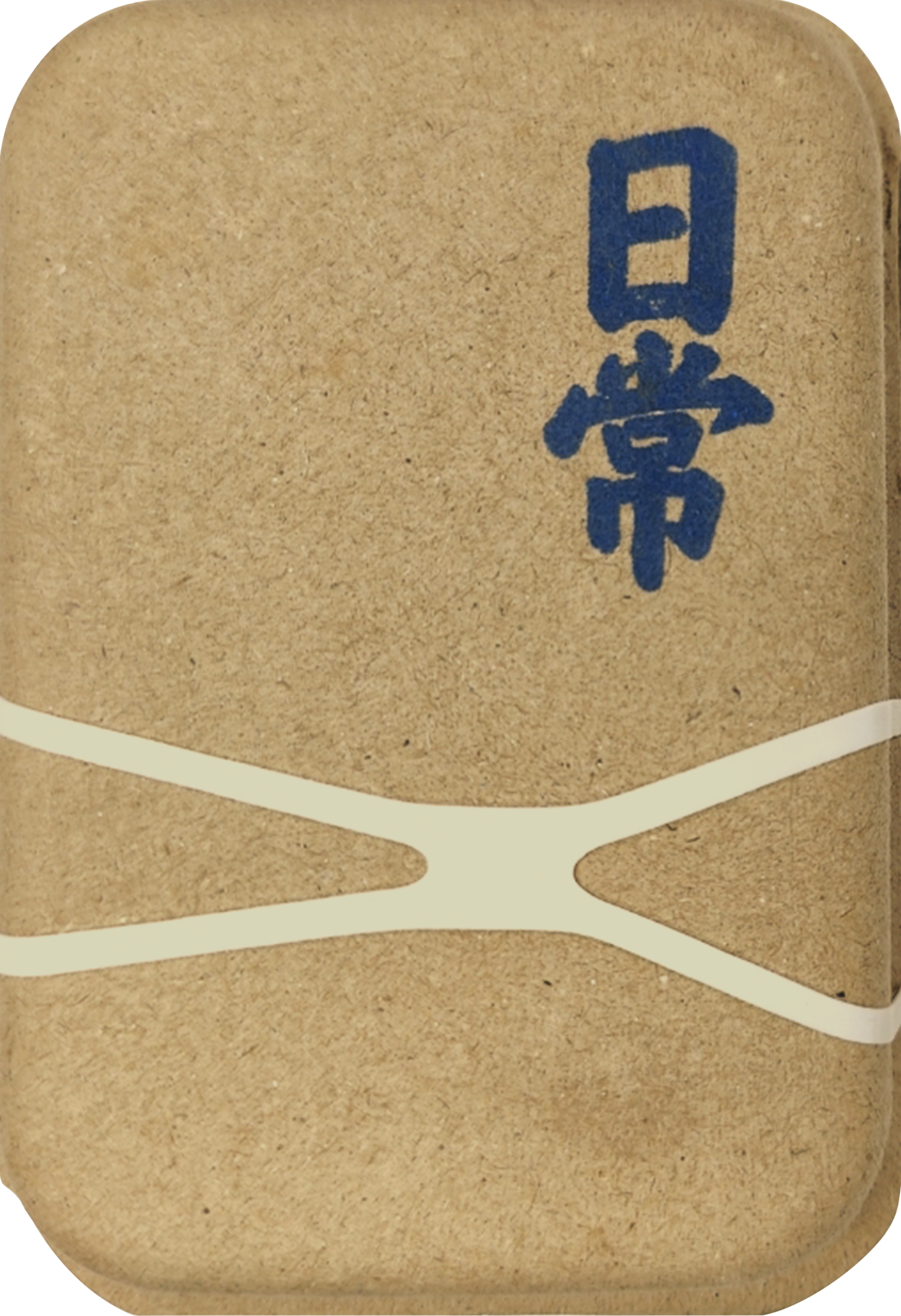 No artist’s oeuvre exemplifies the variety and radical creativity of Beijing experimental music culture than Yan Jun, so it follows naturally that his humble label Sub Jam has become a crucial platform for both established figures and newcomers. The new batch presents material by cross-genre veteran 李维思 (Li Weisi), young but already well-accomplished 孙一舟 (Sun Yizhou), uncompromising neo-Fluxus performer 阿科 (Ake), as well as a gorgeous archival field recording by the late 刘惠润 (Li Huirun). All of the cardboard-housed documents deserve their own appreciation and analysis, but I chose the debut cassette by 日常 (Nichijou) to focus on because of how it captures the diverse sonic and aesthetic interests that make this ever-burgeoning scene so exciting. The newly formed duo of 羊库库 (Yang Kuku) and 赵子毅 (Zhao Ziyi)—the latter of whom also just released his first solo album, 恨你—was almost a noisegrind project, but the musicians quickly pivoted to a very different, stripped-down approach that celebrates the “noise from everyday life.” This two-tape set runs the gamut of all possible definitions of that “noise.” 一 comprises direct recordings of trivial actions, first “扔被子” (“throwing carpets”) and then “拆台” (“dismantling”). Each minimal performance is percussive in its own incidental way: the former draws its momentum from both the muted thumps of the heavy fabrics making impact and the empty space in between; the former from the accidental rhythms of clatter, clicks, and yanks as devices are disconnected and taken apart. There’s a sense of good humor to these mundane proceedings that’s even further realized in the irony of “拆台” directly preceding 二, both sides of which are filled with dense, surging currents of electricity. Fittingly, C-side track “演奏” is a rendition of a composition of Yan’s; its presence here honors his career-long incorporation of electronic feedback systems into the organic, humdrum acoustics of the quotidian.
All of the new Sub Jam releases include thoughtful interviews with the artists (in both Chinese and English). I recommend reading every single one!
List: Favorite Releases of 2024
Looking ahead to 2025, I’d love to finally follow through on making this site more collaborative. If you want to write a review or feature or scene/show report, make a mix, do an interview, whatever, hit me up.
As always, thank you for reading. All the love.
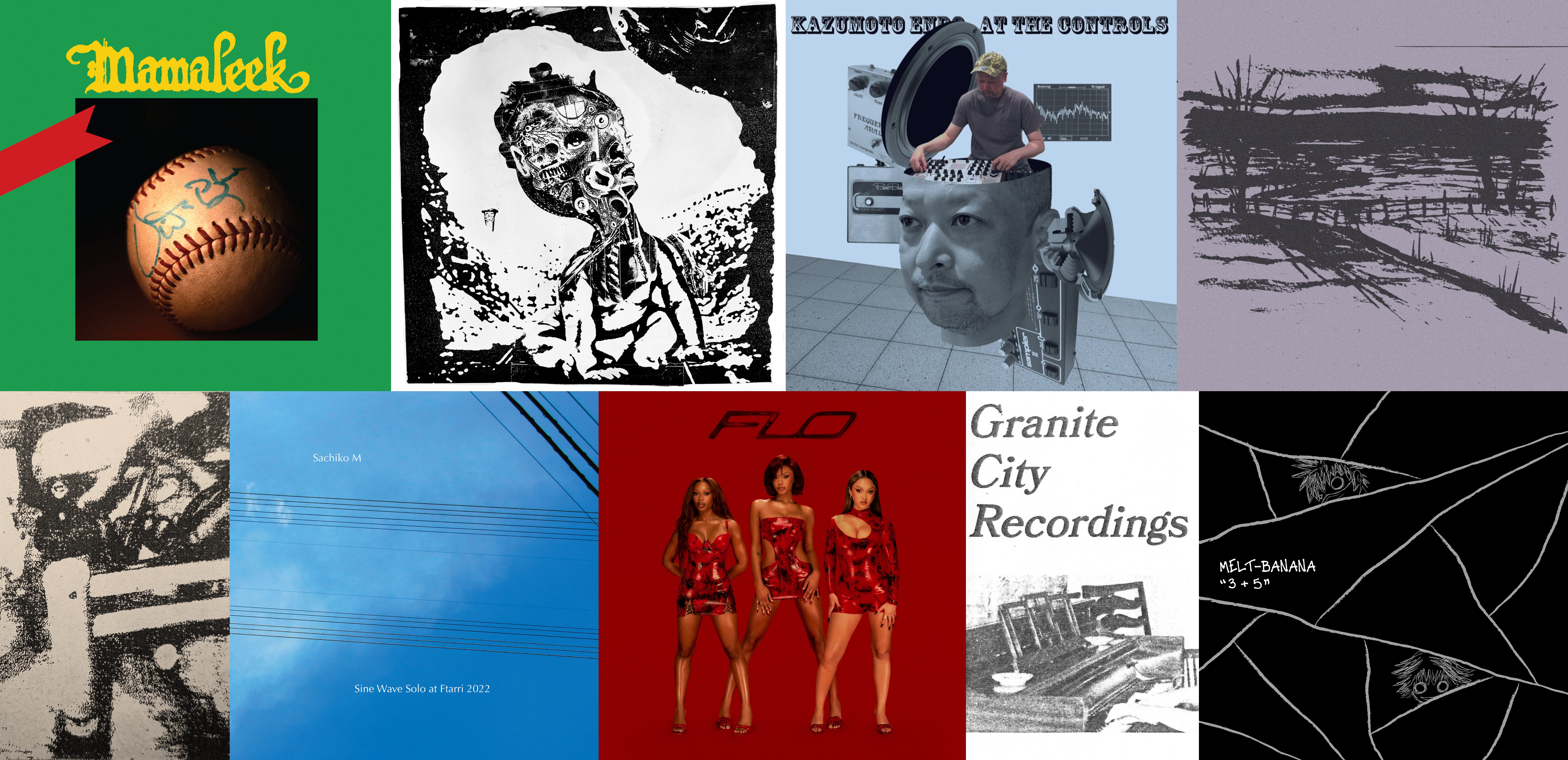
Mamaleek – Vida Blue (The Flenser, Aug 9)
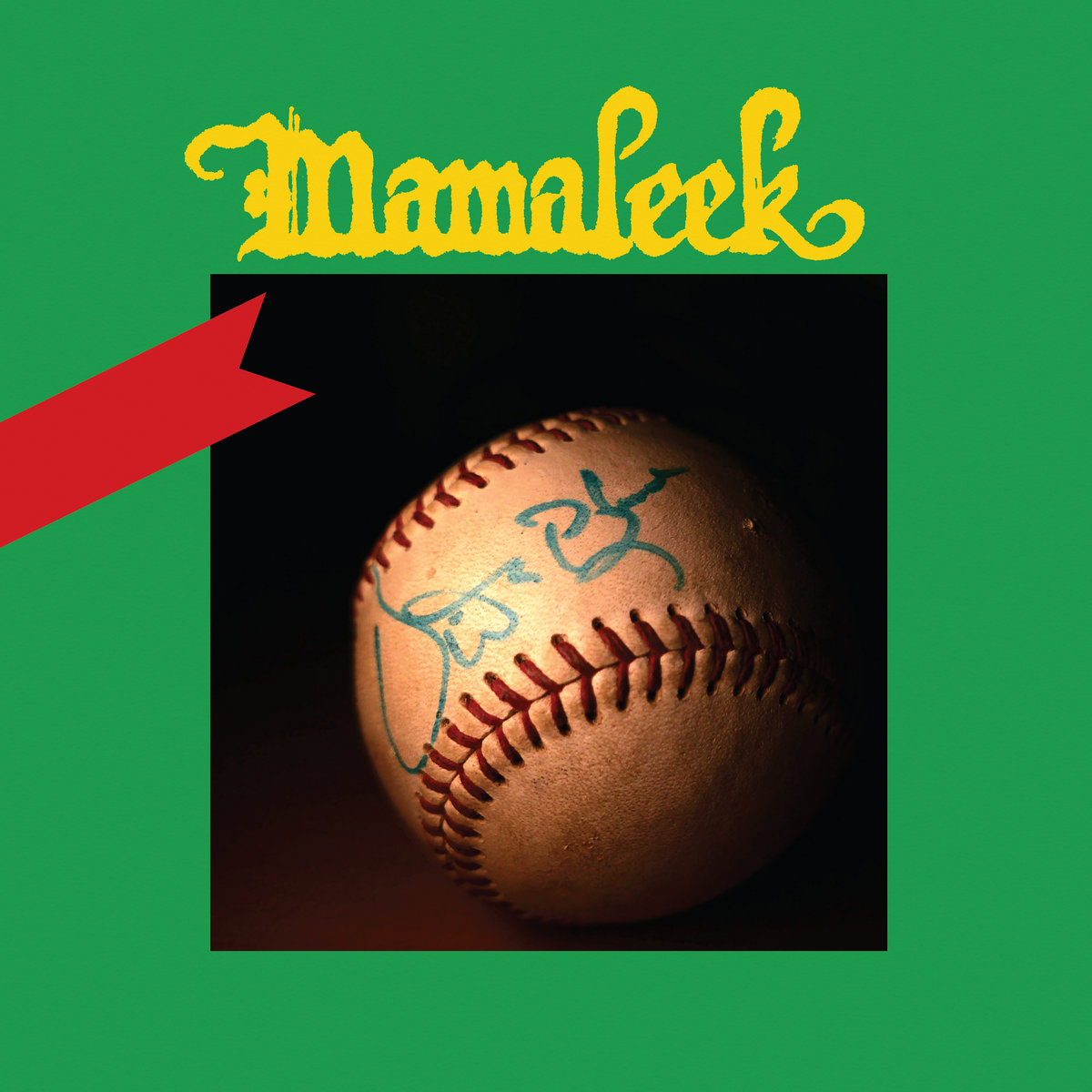 Shocking, I know. It’s hard to conceive of Mamaleek putting out a bad album at this point, but it’s still surprising that they manage to knock it out of the park every time. That phrase has specific relevance to Vida Blue, named for the legendary pitcher of the Oakland A’s who died in May of last year. It’s an album haunted by loss: of Blue, of the team, and of band member Eric Alan Livingston. In characteristically cryptic fashion, Mamaleek explores these voids via lurching grooves, dissonant jazz-rock noodling, and wounded moans drenched with pain. It’s pitch-dark and achingly sad, loose and meandering and unsure in a way the previous two records weren’t—which makes the brief flashes of hope, like in the sublime diptych of “Hatful of Rain” and “Legion of Bottom Deck Dwellers,” all the more affecting. Every single time I listen to this album it gets better.
Fatboi Sharif & Roper Williams – Something About Shirley (POW, Feb 14)
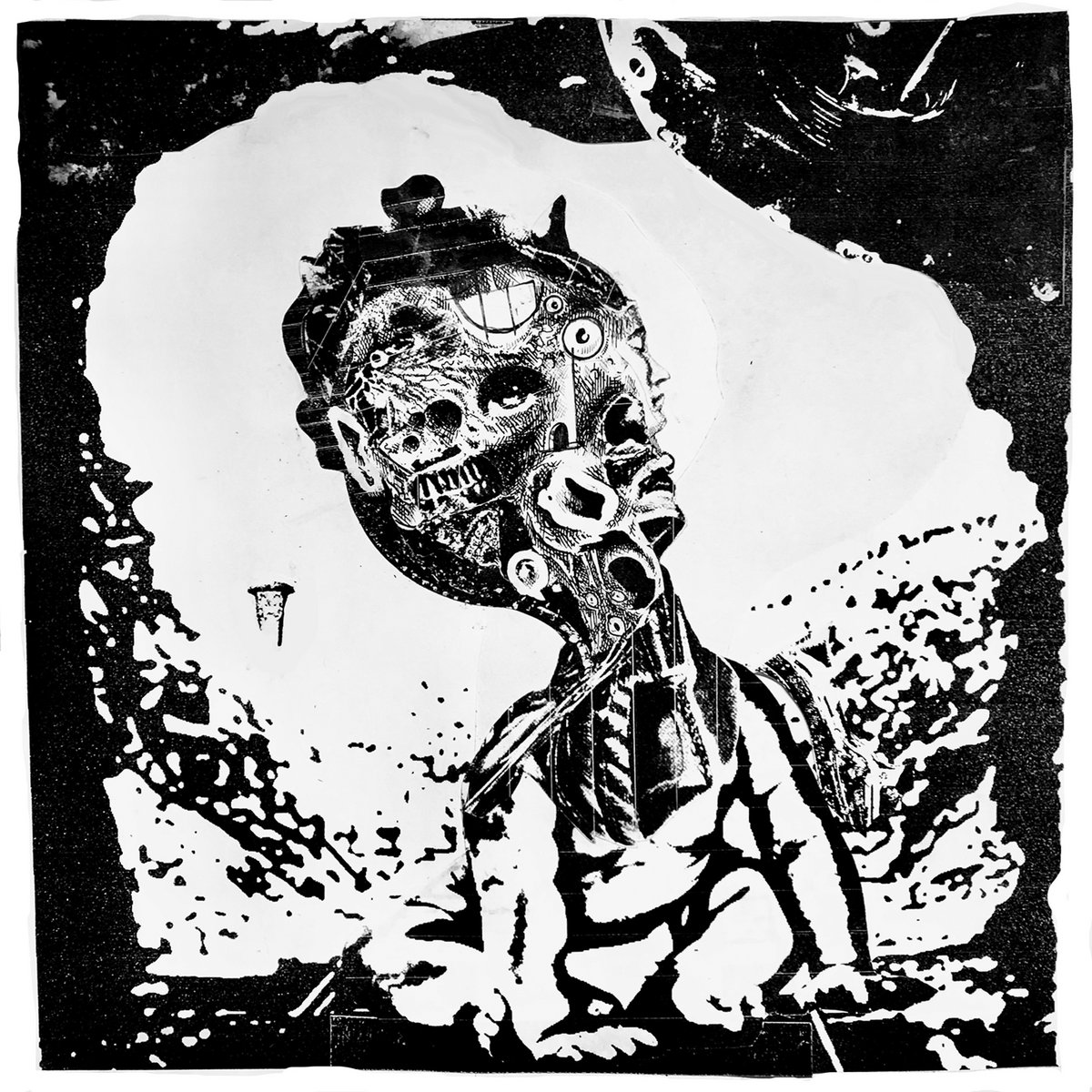 A holdover from my mid-year list; in a year of darkness, confusion, and violence, Something About Shirley continued to be terrifyingly felicitous. Everything that Jersey MC Fatboi Sharif released this year was great, but none remained in rotation as long as this ten-minute suite, which ended up being one of my most-played tracks of the year. Sharif and producer Roper Williams reach heights only hinted at by their previous collaboration Gandhi Loves Children, weaving a hallucinatory web of horror both concrete and abstract. A landmark achievement in contemporary experimental hip-hop.
Kazumoto Endo – At the Controls (Dada Drumming, Jun 10)
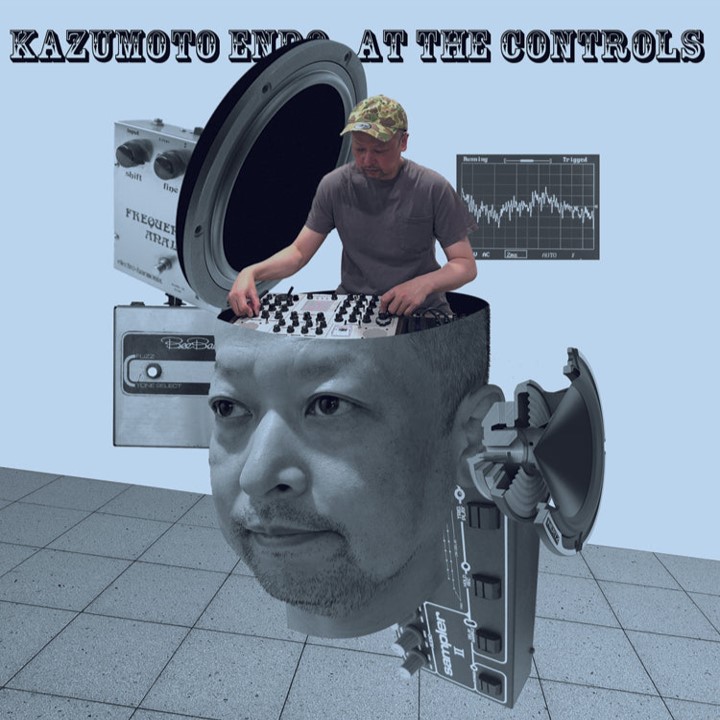 Since it dropped in June, At the Controls has remained the CD I reach for when I need to drown something out. Endo’s genre-defining technique reaches a new pinnacle here, thriving off the freedom afforded by 15-minute track lengths. Self-imposed constraints ensure that each of the three cuts is uniquely eviscerating: “Into” twists and lurches, “At” punctures and pummels, “Out of” loops, loops, and loops some more. This is pretty much as dynamic and exciting as noise can get, and a breathtaking return to form for one of the greatest to ever do it.
Drive Your Plow Over the Bones of the Dead – Tragedy as Catharsis (No Funeral, Nov 5)
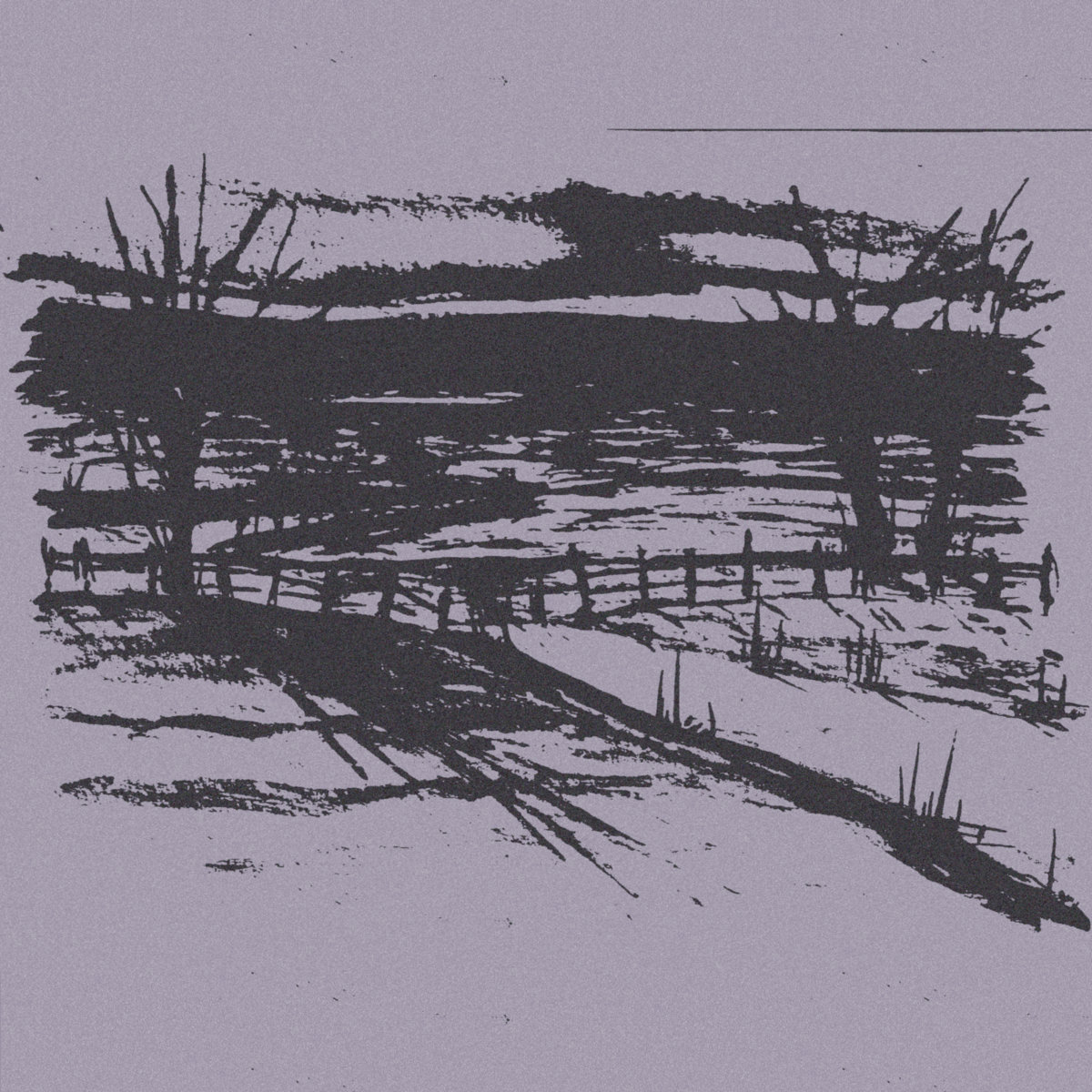 Classic emoviolence is undergoing somewhat of a revival recently. For many bands, though, simply retreading the glory days of canon skramz is not the goal; instead it’s to build upon them, incorporating outside influences and novel creativity to go beyond just paying homage. Vancouver’s Drive Your Plow Over the Bones of the Dead pulls off this tall order on their first LP with more success than most could hope to on their third; the metalcore leanings imbue the anxious songwriting and spiraling riffs with a crushing heaviness that culminates in pit favorite “Ritual Symmetry.”
Action/Discipline – Out of Stasis (self-released, Oct 11)
 I was originally going to include this one on the f, but it both presents previously unheard material and—despite being a thrown-together special event release—stands on its own as a cohesive tape. Separated by roughly 700 miles of coast, Stefan Aune and Brad Griggs convene only sparingly to record or perform as Action/Discipline, yet every single time they do something magical happens. Studio tracks “Power-Driven Stimuli” and “Prefrontal Injectors” are packed so dense they burst at the seams, screeching high frequencies piercing through roiling masses of in-the-red harsh; the live cuts are hard-panned duo attack bliss.
Sachiko M – Sine Wave Solo at Ftarri 2022 (Hitorri, Oct 27)
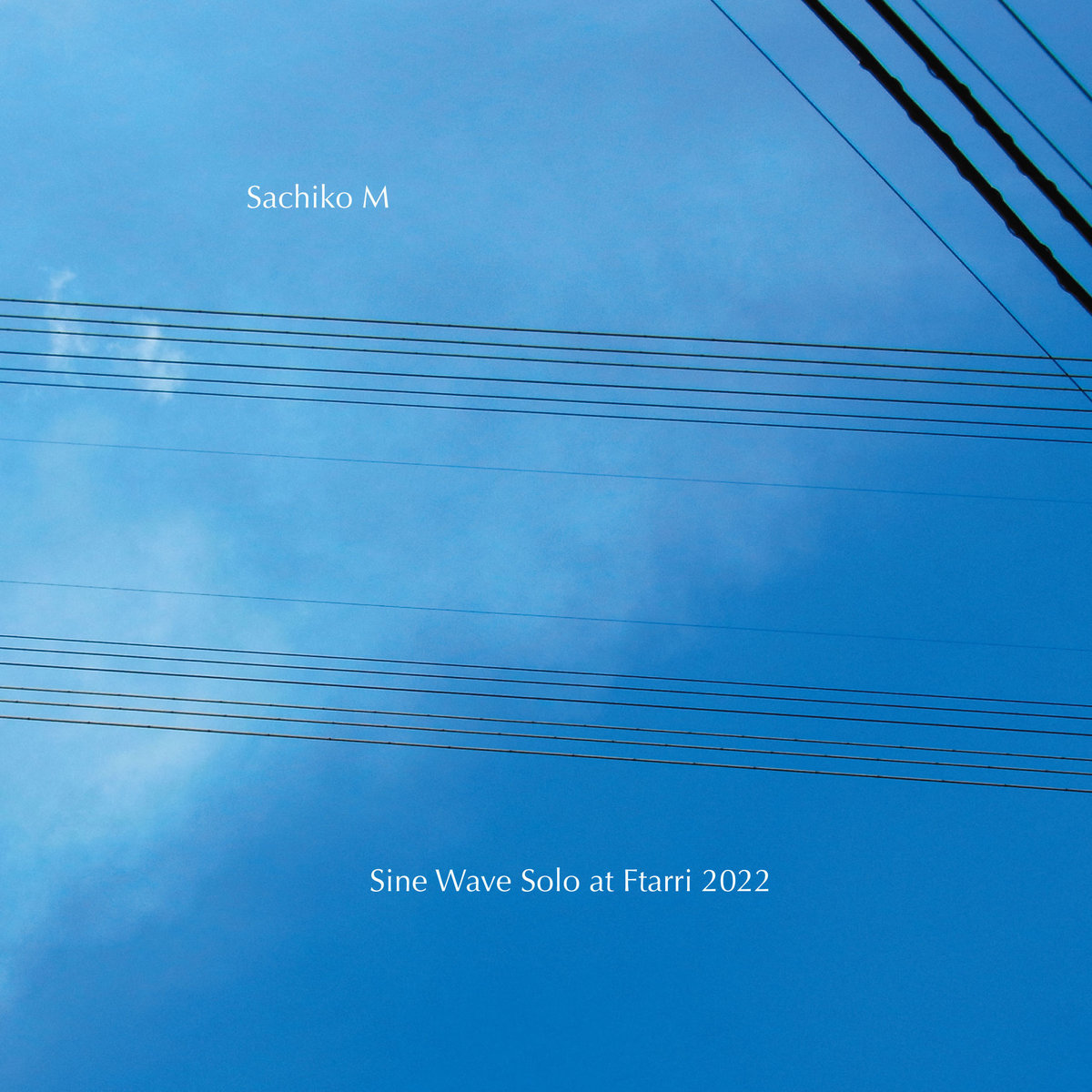 Listening to Sachiko M is always a deeply personal experience. It somehow becomes even more so on this live recording from a concert series a few years ago at Ftarri. Now there’s intimacy not just in the crystalline beauty of the basic sounds she makes her own, but also in the air between the speakers and the audience. It helps that this set, beyond being the first extended solo material she’s released since 2009, is also some of Matsubara’s most whimsical and personal improvising ever. Her radically minimal toolkit has never been merely a concept to explore—it’s also an instrument, one she plays to achieve a familiar goal: making beautiful music.
FLO – ACCESS ALL AREAS (Island, Nov 15)
 Cynthia Erivo’s spoken introduction to ACCESS ALL AREAS is not coy about the group’s influences. The London trio of Jorja Douglas, Renée Downer, and Stella Quaresma openly celebrate their girl group lineage and provide a crucial dose of “bad bitch replenishment” with their wonderful debut LP. Everything about it is a step up from their EPs, from the clever songwriting to the overall level of confidence. But what makes this record an instant classic is that these three talented women are clearly having so much fun, an infectious energy that elevates already excellent pop songs like “Walk Like This” and “Nocturnal” to new heights. And if you aren’t watching the music videos and live performances, get on it. The choreography will take you right back to 2001.
Granite City Recordings (Gathering Wool, Dec 15)
 The self-titled C92 from this new “collaborative sound project” is a sublime example of assemblage as artistic expression. Compiler Jaci Peterson presents two side-long programs consisting of scavenged snippets, YouTube clips, field recordings, and tape experiments that never fail to captivate. Peterson’s unpredictable yet deliberate arrangements sit somewhere between Sensitivity Training and Cody Brant’s Found Cassettes series with regard to how much unifying meaning one is inclined to find; various thematic threads emerge, but the most universal concern is with the joy of making our presence known, whether through music or storytelling or simply making noise, any possibility of failure be damned.
Melt-Banana – 3+5 (A-Zap, Aug 23)
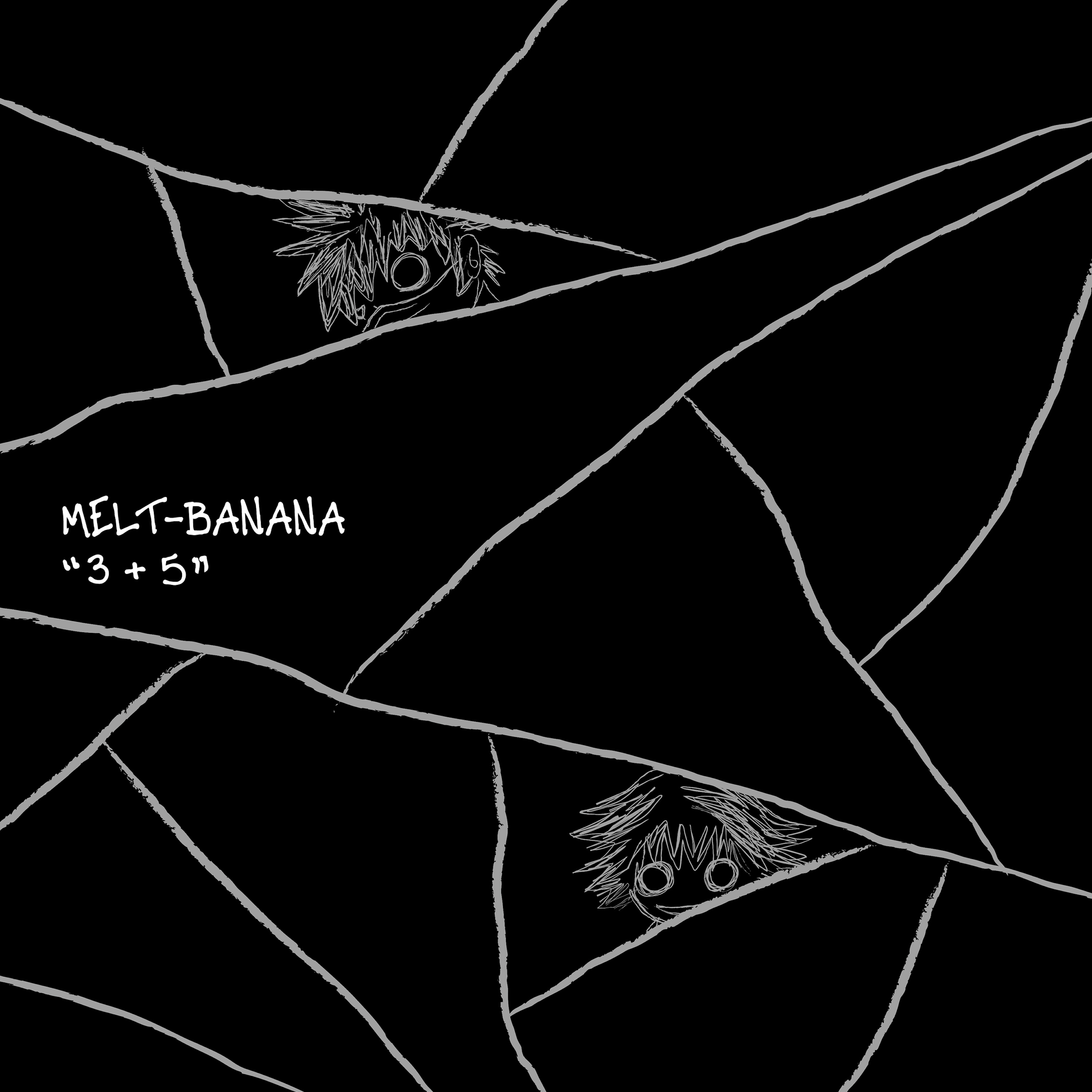 Seeing Melt-Banana live was one of the highlights of my year. Being there with so many fellow fans also reminded me of the immense impact their three decades of innovation has made in the underground community. 3+5 isn’t their best record, but it might be their prettiest, and that’s what I needed this year. Fusing the disparate punk and pop dispositions that made Zero a thrilling but rocky ride, sugar-dusted anthems like opener “Code” and “Scar” are adrenaline shots straight into the vein. And it’s hard to imagine a more fitting closer than the glitched-out fairy ring that is “Seeds.”
The Rest

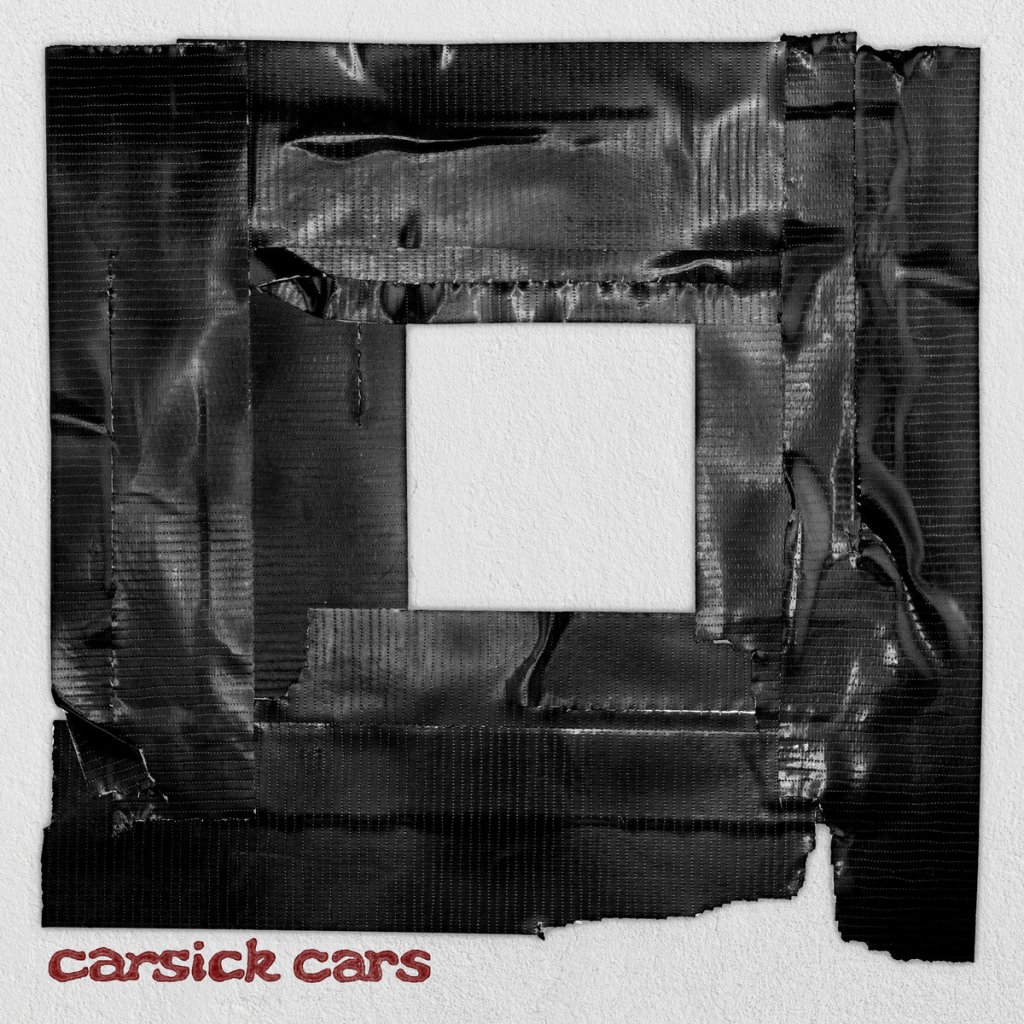

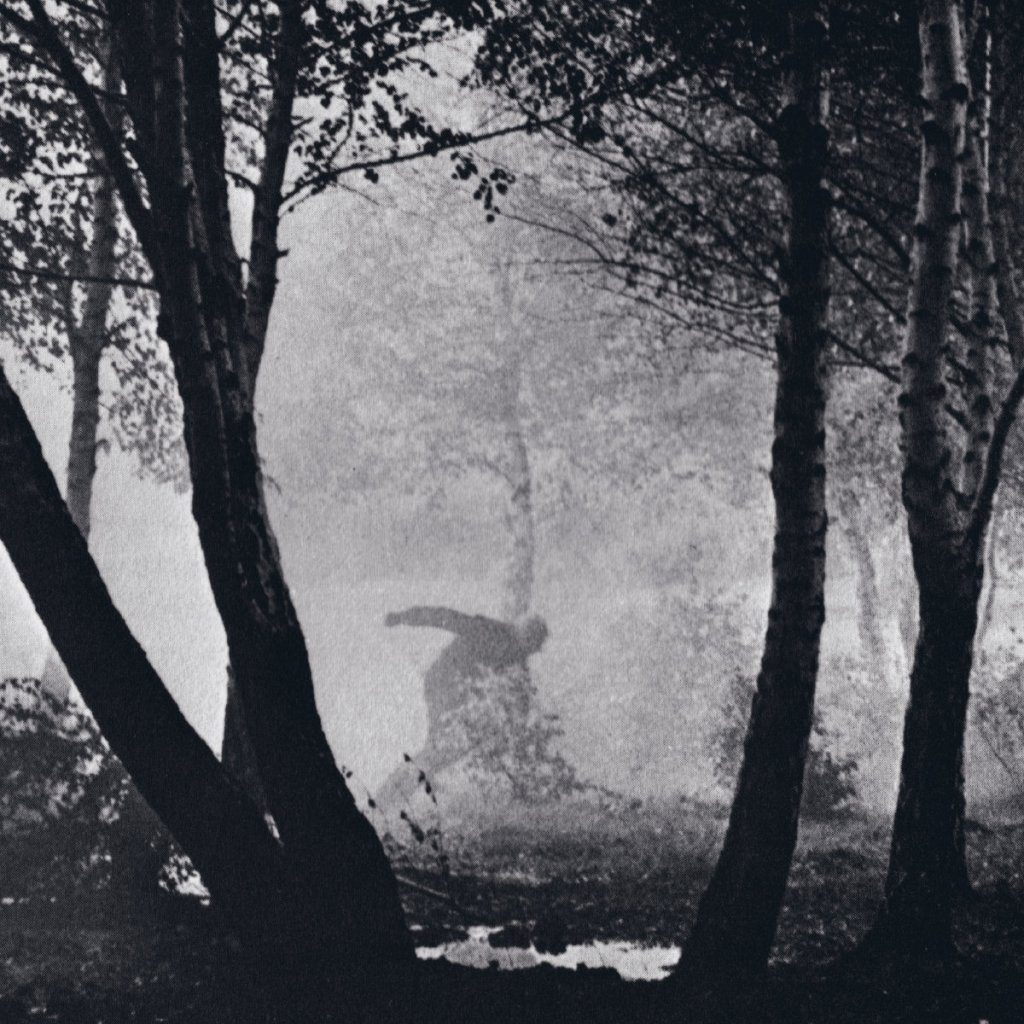


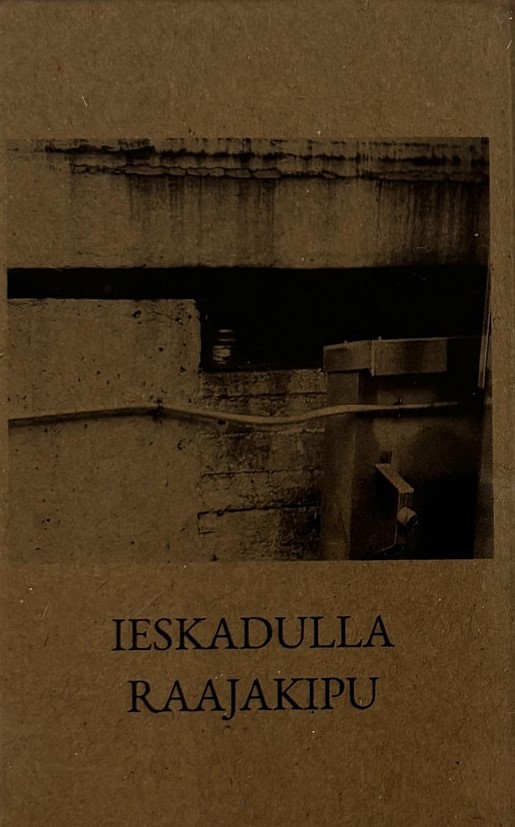




List: Favorite Split Releases of 2024
Outdoor Horse Shrine / Heat Signature C30 (self-released, July)
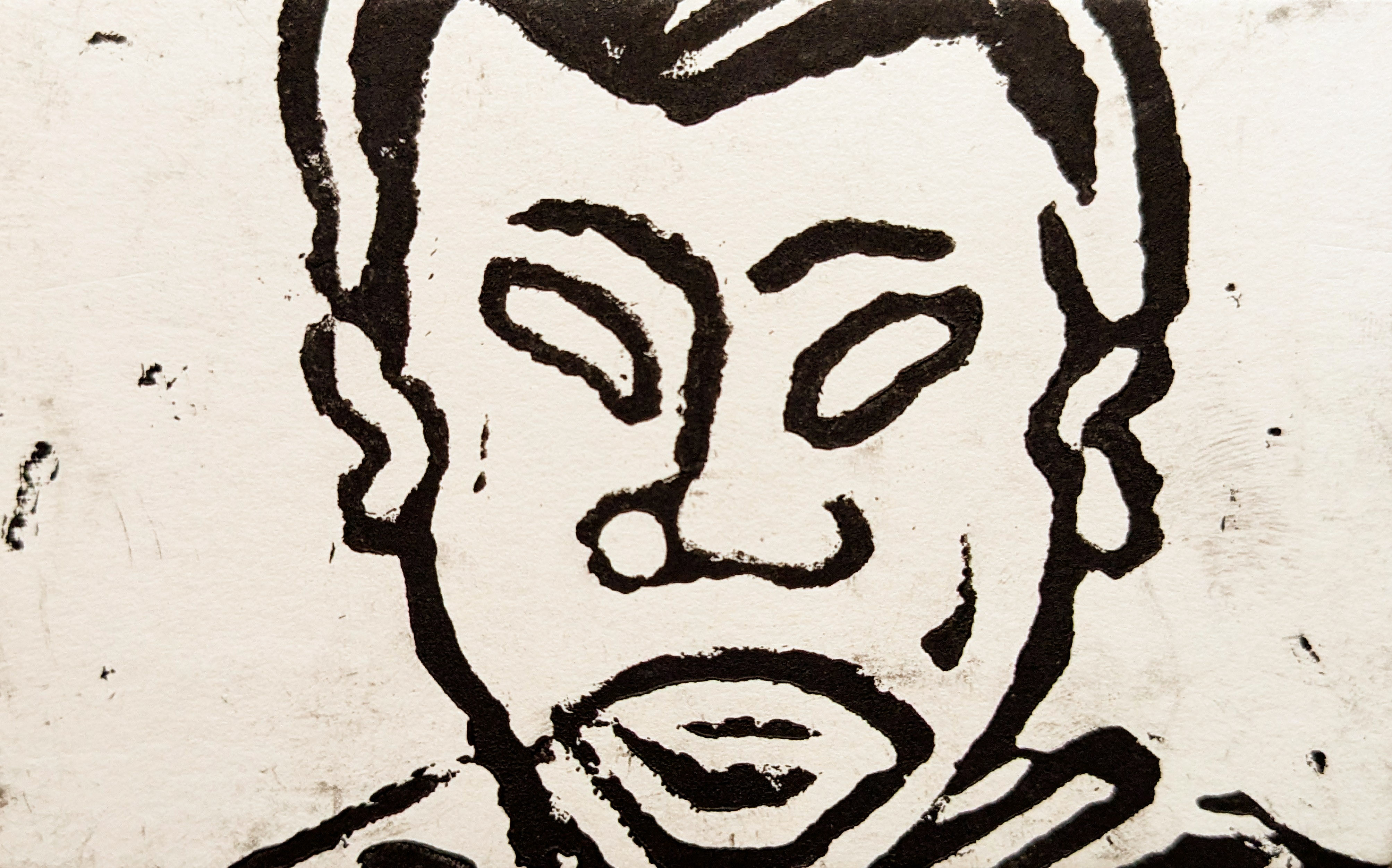
There are a modest handful of reasons why I’m proud to be from southwest Ohio, and one of the biggest is its noise history. These two projects both originated in the Cincinnati/Dayton area and represent some of the best that contemporary US harsh noise has to offer. Heat Signature need no introduction; their half of this summer tour cassette captures the gestural, white-hot speed of their live sets, a chain-fed onslaught of (un)controlled combustion. The real surprise here is Outdoor Horse Shrine, whose churning transmission surges forth with minimal effects but maximal intensity (a high standard continued on the spectacular Water Course). Listen here
Wolf Creek / Casa di Caccia C38 (Second Sleep, May 9)
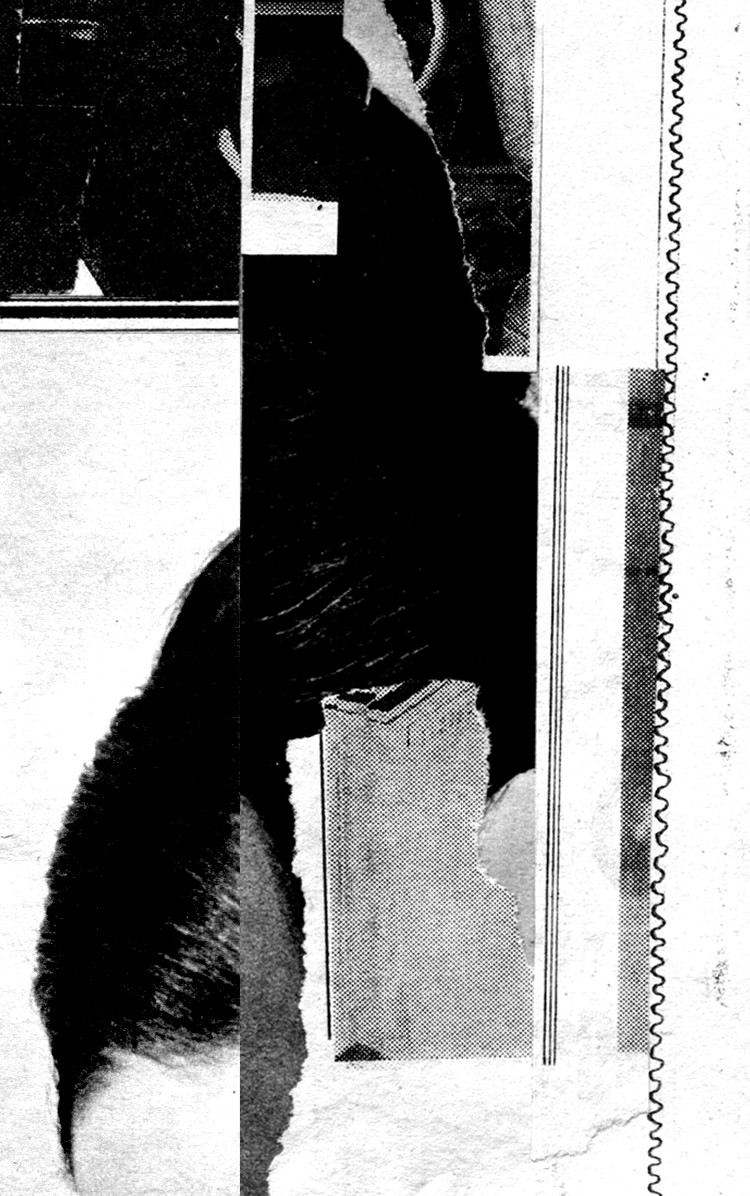
At this point I will buy absolutely anything that contains new Wolf Creek material. The Tokyo duo consists of two young musicians who synthesize what we all love most about four glorious decades of eardrum-splitting Japanoise. “Glock Burst Cock” is easily my favorite thing they’ve recorded, and its screeching feedback abuse and vocal mangling sounds like magic on this well-produced tape. It’s one of two Second Sleep splits this year that feature Casa di Caccia (label honcho Matteo Castro’s project with Gianluca Herbertson), and their contribution is a worthy comedown from the violence of the A side, almost pensive in its improvisational agility.
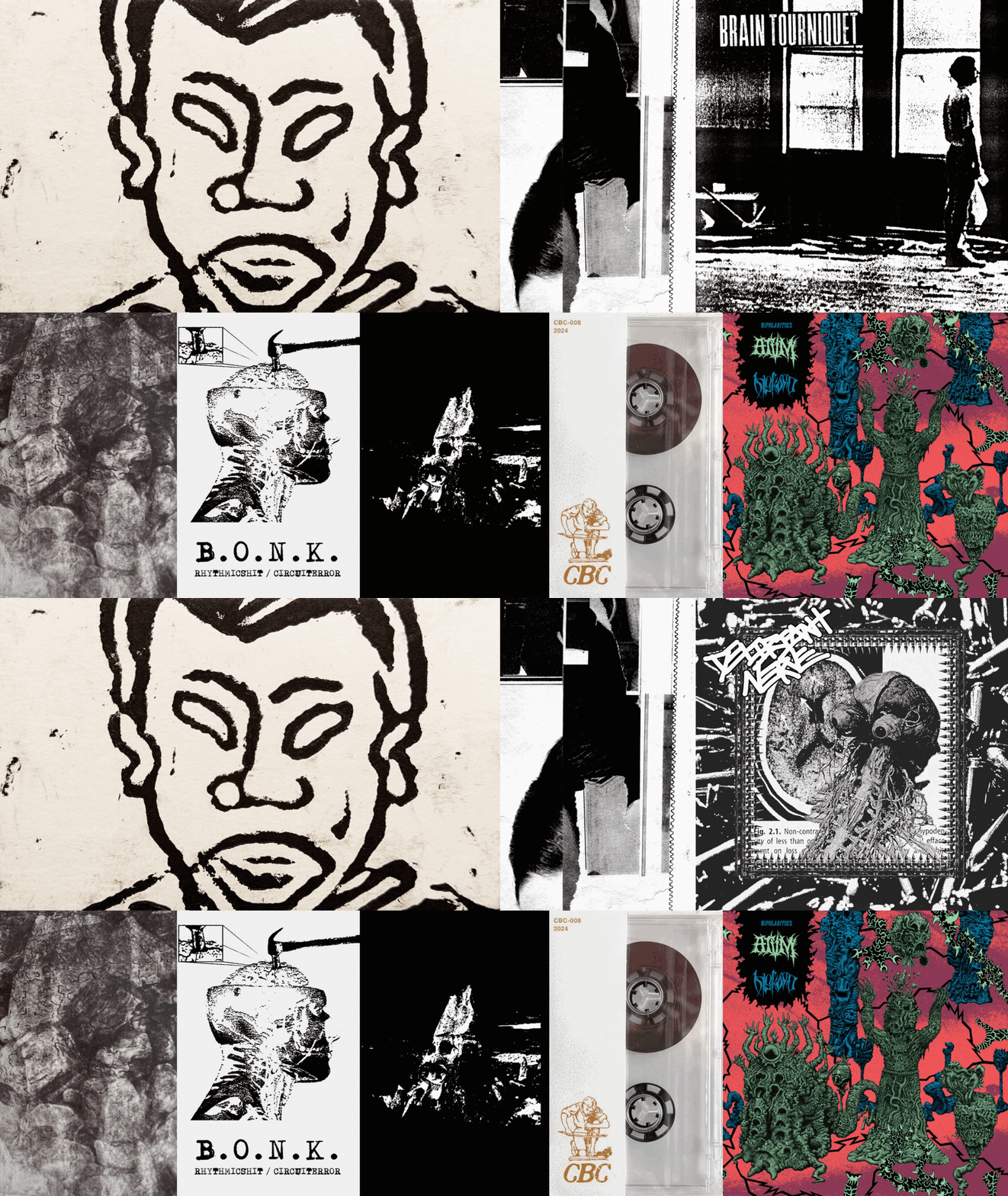
Brain Tourniquet / Deliriant Nerve 7″ (Iron Lung, Jun 28)
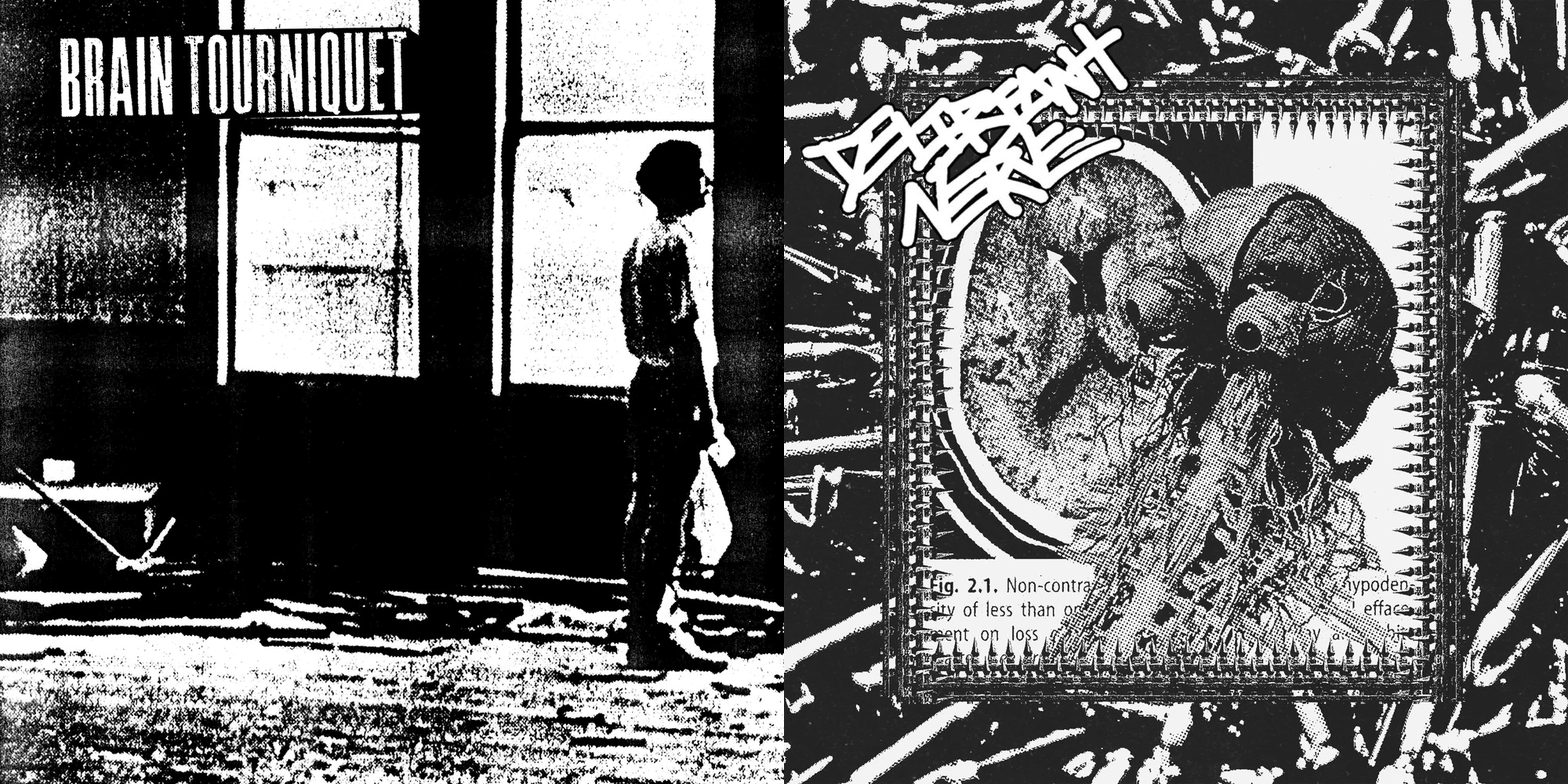
Two titans of the D.C. hardcore scene (both anchored by the breakneck drumming of Aidan Angelo) face off on this skull-denting 7″, which sees each band even further embracing their no-frills, classic sound. This is definitely the best Brain Tourniquet has ever sounded; they kick both the speed and heaviness into higher gear, ripping through ten miniatures of brutal knuckle-dragging powerviolence. It’s tough to follow, but Deliriant Nerve brings their A-game as well, delivering their tightest and most satisfying songs yet. Sometimes it’s better to smash the wheel than to reinvent it.
Dressing / Standard Grey C50 (Buried in slag and debris., Dec 20)
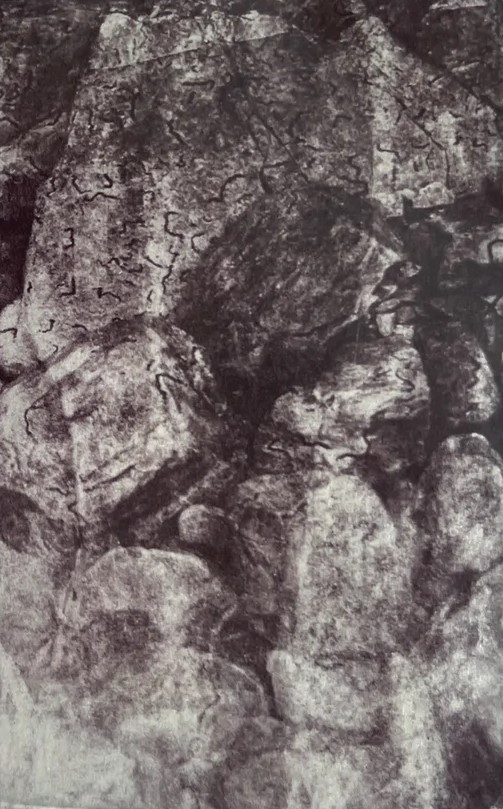
A lot of the material on Buried in slag and debris. lives up to the label’s name in some way, but perhaps none so much as this transcontinental split from kindred reel-wranglers Dressing (Dublin) and Standard Grey (Nara). Both artists’ sides deal in sublime detritus of all kinds and could easily be standalone releases in their own right. Dressing balances swirling shard-storms of tape noise with haunted, uneasy harmony, while Grey glides through a focused suite of carefully reworked field recordings. The mud piled up to the doorjamb, the loam under your fingernails that you can’t bring yourself to wash out.
RHYTHMICSHIT / CIRCUITERROR – B.O.N.K. (Karma Detonation, Oct 14)
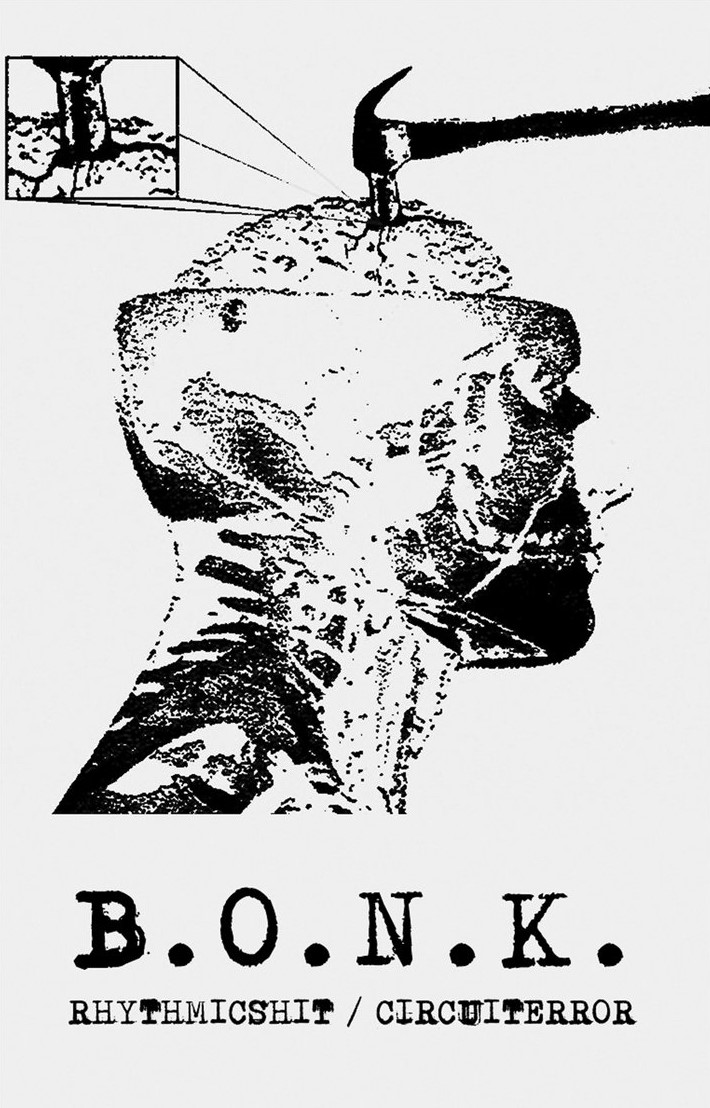
A C10 is always refreshing, especially a split, which gives each artist an imperative to compress their best ideas and execution into five minutes (or fewer). RHYTHMICSHIT, the Shanghai duo of Junky (Torturing Nurse) and Huang Lei, does this by default; the live set they contribute is just over four minutes and I honestly can’t imagine it being any longer. Another newer project, CIRCUITERROR, ditches the drums but not the aggression with a clusterfuck of crunchy cracked electronics. I love a good contrast between sides, and that plus the brevity makes this one compulsively replayable.
Gemengung / Barrera C60 (Marbre Negre, Sep 15)
Gemengung has always flirted with static structures since the project began, with releases like Forced Collapse and Root Bound favoring thick, layered distortion and subtle development over fast-paced dynamics. But “Devoured by the Understory” is arguably his first straight-up wall track, and it’s glorious. Listen through speakers if you can. Meanwhile, Barrera delivers a characteristically subversive half-hour of no-input stutter. It’s overshadowed a bit by the monster of an A side, but it holds its own well enough. My favorite of the three lovely Gemengung splits we were treated to this year.
Red Boiling Springs / Snail Male C22 (Crooked Branch, Mar 22)
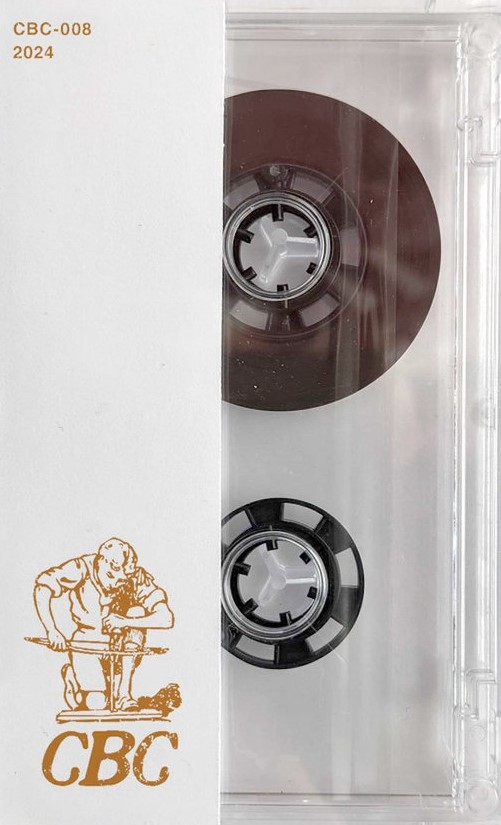
Crooked Branch Collections never disappoints, and their modest two releases this year are no exception. This cassette marks Snail Male’s second split appearance on the label and the first recordings by Red Boiling Springs, a project that was on my radar before I even started publishing reviews, in almost four years. The two artists bring very different but strangely complementary ideas to the table. RBS offers up some interesting “noise by other means,” none of the individual elements overtly abrasive but kicking up quite a racket in combined form. Snail Male’s tracks aim to capture the vulnerable horror of alien abductions, hallucinatory bump and thump that reminds me of Free Magic Show.
Diskord / Atvm – Bipolarities (Transcending Obscurity, Jul 12)
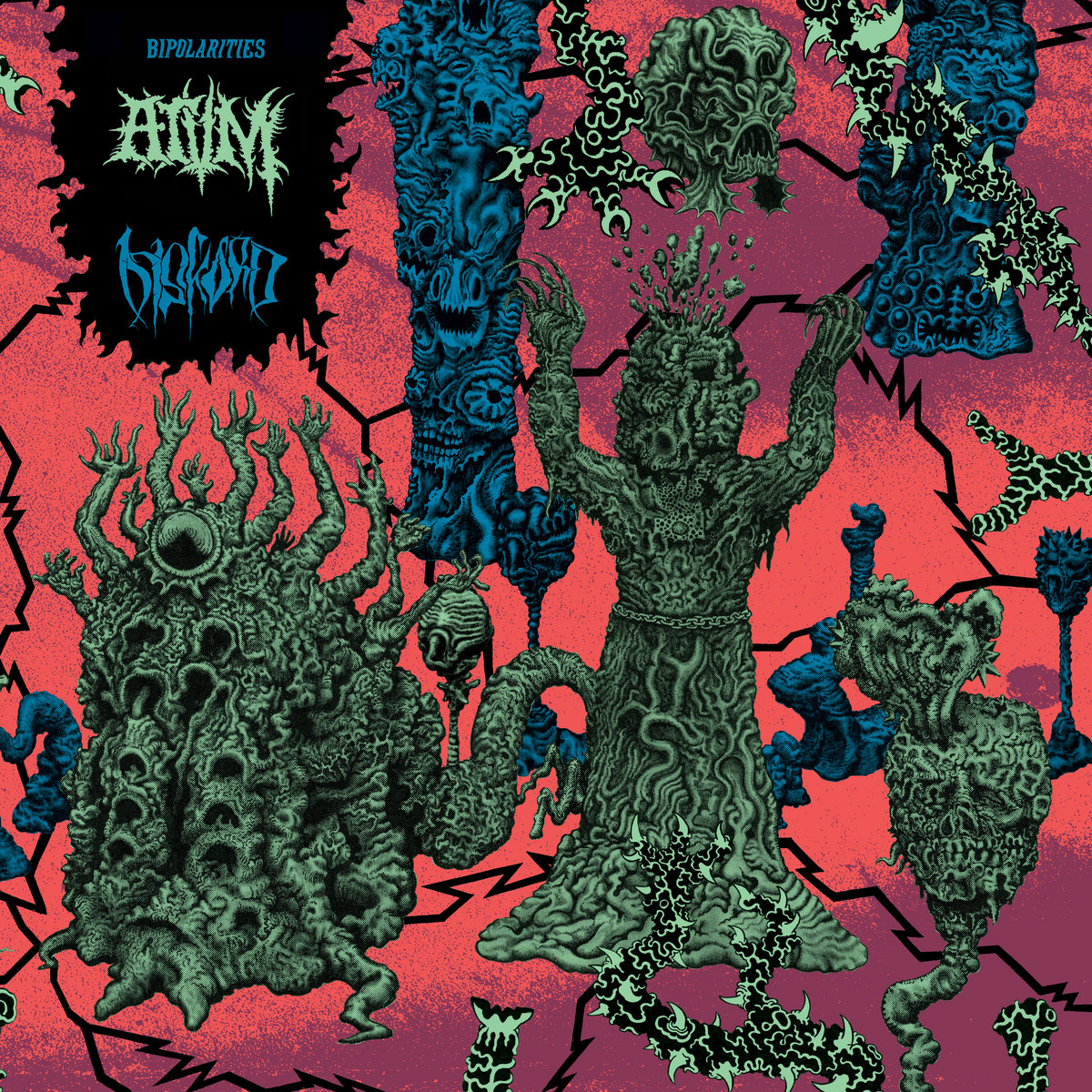 This was a last-minute addition recommended by a friend, and as a chronic DM skeptic I honestly expected to hate it… but something about the general absurdity of Bipolarities just works for me. Diskord is a band that’s been doing this art-damaged tech death sound for more than two decades, and that longevity comes through in how fluid their tracks sound. I enjoy how it almost sounds closer to improvisation than careful composition. Atvm have only been around for a few years, but they’re already evolving; they really embrace the silliness here, from the deranged cowbell groove that kicks off “Cancer” to the dance-circle jam midway through “Morphine.” It’s depressing to be confronted with the state of extreme metal consumerism—in case you were wondering, you can purchase gym shorts, a tote bag, or a coffee mug branded with the album artwork—but at least I have this ridiculous music to distract me.

