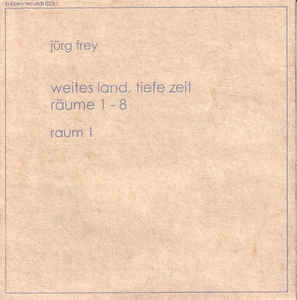
 In contrast to many traditional figures of classical music, Swiss composer Jürg Frey is not exactly known for loudness or grandiosity. And while many works by well-known composers aren’t exactly short, Frey’s pieces often dwarf them in scope – take, for example, last year’s archival release of L’âme est sans retenue I by Erstwhile Records; this composition stretches past the six hour mark. Weites Land, Tiefe Zeit: Räume 1-8 is shorter, but by no means brief. Originally created to accompany installations by the late artist Mauser from 2001 to 2002 (Olewnick), the album was released on 8xCD by b-boim in 2010. It consists of eight segments, each titled simply “Raum” plus the disc number, that were produced through heavily processed field recordings gathered by Frey himself. The processing results in the original sound sources becoming mostly unintelligible, instead blurring into ethereal, layered drones. If you haven’t heard the album, at this point it probably sounds like a pretty typical ambient construction. However, as is Frey’s tradition, the music is so quiet it is almost imperceptible at normal volume.
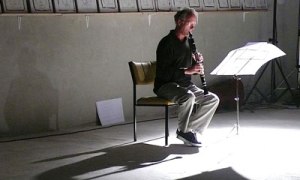 This use of low volume and occasionally complete silence to emphasize sound is a cornerstone of the philosophy of the Wandelweiser Group, of which Frey is a key member. The compositions created by Antoine Beuger, Radu Malfatti, Michael Pisaro, and others are often categorized as “lowercase,” a moniker that references their scaled down palette. Though I am no expert in many of these artists’ work, what I have heard has been both fascinating and gorgeous. However, the quiet and sparse nature of these recordings necessitates a very quiet listening environment, something not easily found on a bustling college campus. So Weites Land… has been, for lack of a better phrase, my “guinea pig album” for prospective listening environments, as I investigate various libraries and secluded areas around town to find the optimal space. And today I think I’ve found it; I was able to listen to “Raum 3” in the geology library’s almost complete silence, a favorable setting that allowed me to truly appreciate the subtle beauty that Frey has constructed. Music at such a quiet volume level requires a lot of focus, which causes a significantly increased perception of even the most minuscule dynamics and elements. In the future, if no one who works here objects to me spending hours upon hours at a time just sitting with headphones on, I’ll be able to experience a lot of cool stuff.
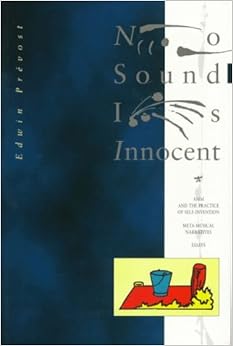 The philosophy behind AMM’s music is usually somewhat controversial. Many people seem to be quite opposed to it, whether they object to the paradigm itself or to the fact that there is a paradigm at all. While I agree that music requires no intellectual backing or explanation, it is compelling that these musicians are so devoted to truly making their own unique form of music, and that they can justify it so thoroughly. This is what drove me to read AMM percussionist Eddie Prévost’s 1995 book No Sound Is Innocent, which collects several of the artist’s essays, articles, and musings about the group’s singular style of improvisation and the ideas behind it.
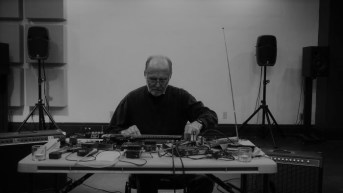 British musician and painter Keith Rowe has recently become one of my favorite artists. I’ve loved pretty much everything by him that I’ve listened to so far, from his recordings with AMM to his various onkyo and free improvisation collaborations. But the records that have resonated with me the most are definitely his solo efforts, particularly The Room and its elder brother, about which this post is written. Rowe, commonly attributed to be the driving force behind the development of the genre of electroacoustic improvisation (EAI), works with an incredibly unique palette of sounds on these records. And when I say unique, I mean completely unique; there is really nothing else that sounds quite like it.
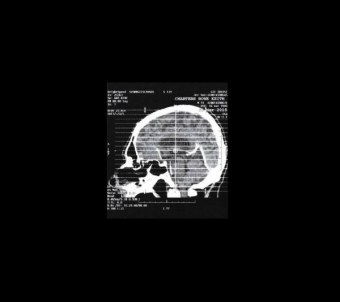 has also been diagnosed with Parkinson’s disease. From this context, the personal significance of the album is certainly revealed, but not nearly as much as from the music itself.
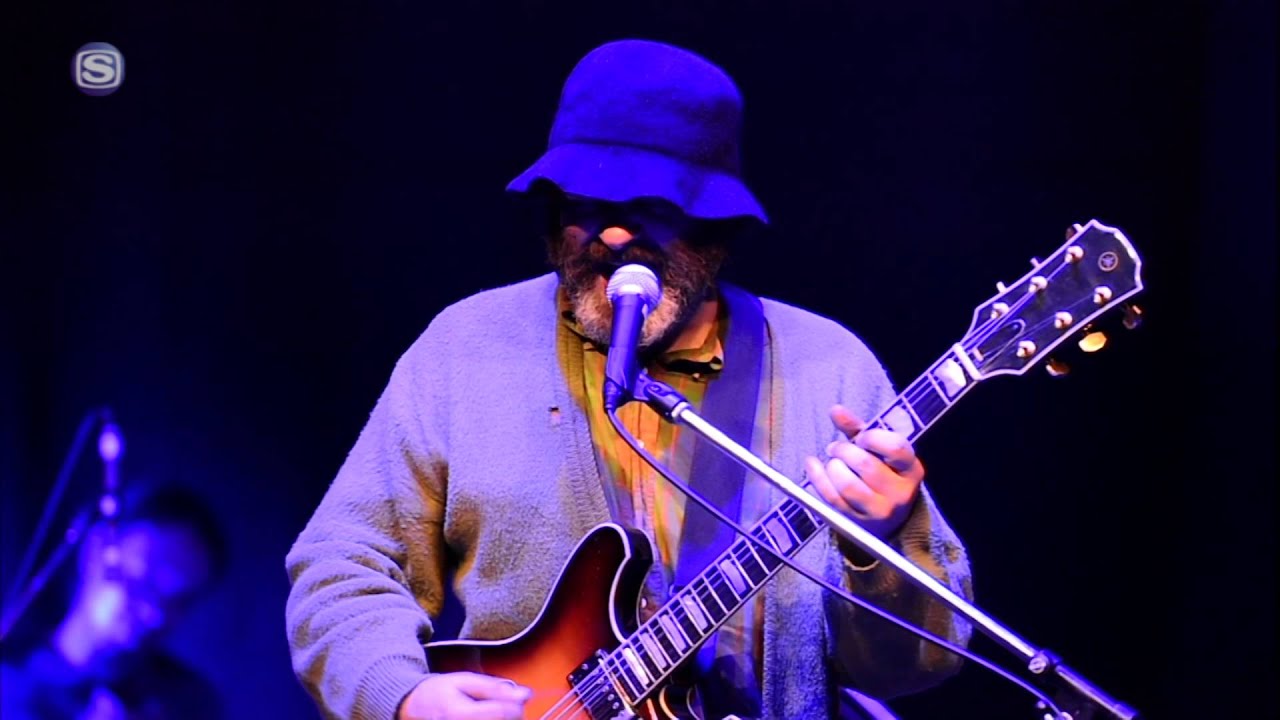 I’m of the opinion that Jim O’Rourke is one of the most talented and versatile musicians of our time. He’s played with and produced countless bands, including a lot of well-known acts like Sonic Youth, Wilco, Will Oldham, and Joanna Newsom. His releases range from pleasant jazz pop to noisy free improvisation to soothing folk to meditative glitch and progressive electronic, and he shows no sign of slowing down with his eclecticism or prolificity anytime soon.
 Noise Not Music