
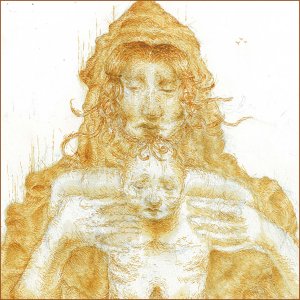
 The nearly two hours of music collected on Tapes 2014-2015, like the digital release’s black-and-white cover scan of a time-weathered medievalesque tapestry, is deeply artifactual. Like finding old, unfamiliar words carved on the underside of a massive boulder that haven’t seen the sky for centuries or stumbling over mossy old gravestones with long-obscured engravings strewn throughout the drooping, darkly verdant forest, each track—each soft, seraphic stream of faintly ritualistic cavern-drone steeped in sunlight—is a discovery. The dusty and delicate “From the Sky” is a sublime ode to the forgotten, both intimate and widely historical, its languid, interweaving currents of meditative vocalization, ephemeral rustle, and subterranean serenity evoking the sound of spirit song heard from just beyond the veil. Some of the pieces are moodier and more nocturnal, while others (particularly several segments of the aptly-titled “Sun”) are as pure and golden as the original “leak in the floorboards of heaven,” Folke Rabe’s eternal “What??”; but all are enrapturingly beautiful in their own ways, which is probably a good thing considering the compilation is so long (despite not really feeling like it). Music to slowly sink into.
Review: Gemengung – E.O.T.F. (Black Artifact, Jan 8)
 Anyone with even a little knowledge of my taste probably knows that I have thing for music that sounds lifeless; i.e. lazy, superfluous, vestigial, just-sort-of-there, etc., but artfully so. This can obviously adopt many forms, and while I mainly value the harsh noise genre for its visceral immediacy and assaulting abrasion, there’s a particular atmosphere that’s evoked by artists like Blod, Manure Movers of of America, and others (see my Psychedelic Slabs mix) who conjure swamps of feedback and distortion that are better metaphorized as sooty smoke or distant, murky junkyard bustle rather than the sharp, violent images brought to mind by more traditionally vicious music. Gemengung’s E.O.T.F., one of three tapes in the inaugural batch from new Texas label Black Artifact, is savage and searing on paper, and the noise itself is certainly quite caustic, but the overall presence of the sound is more reminiscent of a homogeneous dead-air FM transmission, giving it an essence of subtle but ignorable passivity. This is in large part due to the central concept of the release: each track is the result of a crudely granular dissection and then successive reassemblage of each of the nine songs on Suffocation’s landmark LP Effigy of the Forgotten. Once one is aware of this it’s not difficult to hear the battered remnants of the originals—mostly fragments of the unmistakable sounds of pig squeal vocals. Much like Dave Phillips’s work of haphazard sonic surgery Hermeneutics of Fear of God, the dismantling and disembodying of the source material both malforms and depletes its extremity; E.O.T.F. is an especially compelling case because of how comprehensively malformed that extremity is.
Review: Bacchus – Bacchus (Solar Asceticists Productions, Jan 10)
 You may remember my brief treatise a month or so ago on the subset of black metal I call “void worship.” But there’s a different kind of despair that can be conveyed via blast beats, distortion, and howls: that of the Earth. The primordial mysteries of the occult, unspeakable sacrifices in the name of even more unspeakable deities, the unknown that still lurks beyond the frontier of civilization, etc. It’s one thing to make “ritual music,” but it’s quite another to make music that actually feels ritualistic—i.e., as if something well outside the realm of both your perception and your understanding is occurring, and as the passive participant one is forced to embrace whatever obscure divine catharsis can be gleaned. Bacchus, the self-titled debut from this new French band, doesn’t have the darkly meditative tribal rhythms of Ruins of Beverast, the organic uncanniness of Murmuüre, or the collective spiritual grit of Zeal & Ardor, but what it does have is the beautifully wispy form of multi-colored smoke rising from flaming herbs, a cloud of sublime soot rising toward the sky with soaring moans and epic arrangements. I’m not usually one for the shouted vocal style in this genre, but the low growls, desperate recitations, and fast-fading bellows of Sébastien B. feel right at home amidst the reasonably clean production, which allows the ambitious dynamics and climaxes to really shine. One of those debut records that sounds more like a more refined second or even third effort.
Review: Loxe – Prosa Poética (self-released, Jan 10)
 When I left the Lightning Bolt show I attended at Cleveland’s Grog Shop (opened by Aaron Dilloway) in 2018, I was holding half of a splintered drumstick and had more than a few drops of blood that didn’t belong to me on my shirt—just a few clues as to the kind of hell the Brians raise. No, it wasn’t my blood, but it definitely could have been, because for several songs near the beginning of the set I was right up against the stage, just inches from the razor sharp edge of Chippendale’s battered cymbal (several of his had chunks taken out, can’t remember how jagged this one was) which several times came close to giving me at best a nasty case of tetanus and at worst a facial rearrangement. But memories like this remind us that violence—the controlled, consented-to kind that is—is a crucial element of the catharsis that live performances of extreme music provide, not just in the actions of the crowd but in the playing of the music itself. What a powerful thing it would be to successfully recreate that dangerous physicality in a studio recording, right? Some records have, but the unhinged, unpredictable volatility of being a physical witness is often obscured. Loxe, a new band from Tokyo, lays waste to this challenge with the brutally abrasive approach they took to recording their debut album Prosa Poética, which allows the guitars to not just chug, but pound; the already filthy-sounding harsh vocals to resemble someone coughing up blood and bits of metal; the cymbals to assail the ears with junkyard blade sharpness. There’s little to do other than close your eyes and enjoy the sensation of being crushed; like fellow Japanese shredders Friendship, the music has the same punishing, overwhelming force whether it’s blasting at full speed like a turret-mounted machine gun or beating the floor with merciless sludge breakdowns. Perhaps it’s a blessing in disguise that Loxe appears to have formed during a time when crowded pits aren’t exactly a possibility, especially in their country; I don’t think I even want to know what they can stir up.
Mix: Next Generation Leeders
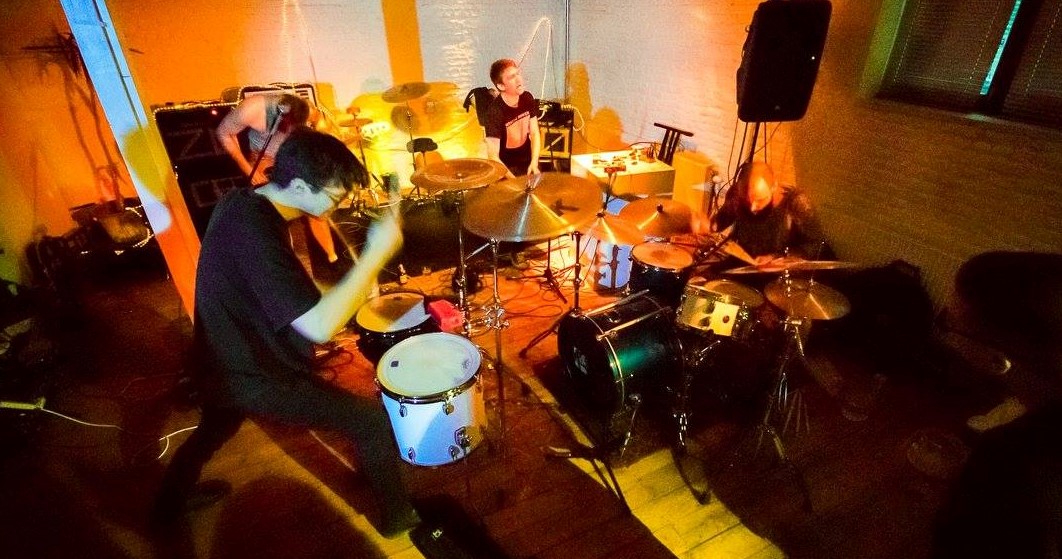
My attempt to survey the variegated Leeds noise rock “scene” from the other side of the Atlantic (and as such no one, I repeat, no one, is more qualified to do so). Everything from barely rhythmic shit-fi free skronk to tight, claustrophobic, angular constructions. With the wide range of genres and influences also comes significant variance in production styles; I did my best to get all the tracks to be the same volume, but shit’s difficult.
00:00. Belk – “Cows” from Belk (self-released, 2020)
02:42. Thank – “Fragile Ego” from Sexghost Hellscape (Cruel Nature, 2017)
06:09. Klöße – “Sent Home with a Puzzle” from Klöße (self-released, 2020)
11:27. Guttersnipe – “Pipa Pipa Portalspawn” from My Mother the Vent (Upset the Rhythm, 2018)
14:16. Cattle – “Tanking the Piss” from Nature’s Champion (self-released, 2016)
18:47. Irk – “Spectre at the Fiesta” from Recipes from the Bible (self-released, 2018)
21:36. Blacklisters – “Fantastic Man” from Fantastic Man (Buzzhowl, 2020)
25:39. Hookworms – “Away / Towards” from Pearl Mystic (Gringo, 2013)
34:11. Cool Jerks – “Eh” from England (Night Versus Day, 2020)
37:02. Polevaulter – “Ra” single (self-released, 2020)
Review: ცოდნის მფლობელები – ყოველდღიური რჩევები (Gates of Hypnos, Jan 4)
 Do you ever stay up way too late and run out of things to do before you’re tired enough to go bed so you just sort of sit in the darkness and dissociate, all the slight sounds of the dead world around you sort of blurring into one dull roar? The static noise of Georgian project ცოდნის მფლობელები is the perfect music for that situation. ყოველდღიური რჩევები, the second release from the mysterious artist whose moniker loosely translates to “knowledge holders,” is a 25-minute slab of oppressive nocturnal sludge composed of that murky, lo-fi distortion pedal rumble that makes me nostalgic for bad rips of old Taskmaster or Werewolf Jerusalem tapes and a barely perceptible layer of muffled voices that adds a subtle current of paranoia. It’s one of those walls that truly “imprisons” you, but not in any startling or alarming way; instead it slowly and patiently creeps over its victims like a giant mud-amoeba, hiding its true nature until the prey is warmly swathed in trash-goo and can be safely incapacitated (think of the orcs digging up the Uruk-Hai like horrible writhing turnips in the first LOTR movie). John Cage loved the sound of traffic; this is the sound of traffic while you’re buried below the bustling street or smeared across the side of the sewer over which countless cars and pedestrians pass every day. Immured interiority paired with a tantalizing yet ultimately inaccessible promise of externality.
Review: Luxury Mollusc – DEFENCELESS RECIPIENT OF OVERTURES (Full Logic Control Recordings, Jan 1)
 DEFENCELESS RECIPIENT OF OVERTURES (by the way, you have to pronounce this by shouting it; that’s not always true for all-caps titles but it is for this one. I don’t make the rules) doesn’t lay all its cards on the table until about two-thirds of the way through its first track, part one of “CAULDRON.” Up until then all the shredded concrete crackle and washes of feedback are shrouded beneath a sickly membrane, bubbling up taut against the slimy skin of this Jello-shell but not quite breaking through. That is, until around the three-and-a-half-minute mark, when a finally successful materialization of all the false teasing crescendos that sputtered and died before rips through the mix with overwhelming volume and harrowing unhingedness. It’s difficult to tell for sure whether or not there are vocals buried beneath this hideous, rusty chain-link tapestry of noise (although there is a brief bit of what is almost certainly speech at the beginning of “ARE YOU WORRIED ABOUT THE INCREASING COST OF FUNERALS”), but whether literal or otherwise the end of “CAULDRON PART 1” is for all intents and purposes a scream—the desperate, agonized, reality-tearing scream of someone being submerged in molten metal. Overall, this new tape in the relatively small discography of long-running Irish project Luxury Mollusc remains reticent with its all-out abrasion, electing to keep a grease-soaked boot planted firmly in the atmospheric, which gives listeners the gift of vicious harshness drenched in softness, echo, and open space—like a much dirtier backyard-shed version of Love & Noise.
Review: readymade music (for listening) – perfect music (audio) & for making (self-released, Jan 2)
 Would it be possible to find a more fitting artist for my return to regular reviews than Calgary newcomers readymade music (for listening)? I mean, these guys must get right down to business—their efficiency is promised right there in the name. And in fact they sample the Bachman-Turner Overdrive song “Taking Care of Business” in “taking business man turns to take care to take care,” along with cameo appearances by several other songs you’ve heard way too many damn times: “Jump,” the infamous “Bitter Sweet Symphony” sample, a two-second micro-blast of “My Sharona,” absent-minded humming of “Ice Ice Baby,” and a half complete piracy half “creative” reimagining of “Seven Nation Army” on “seven black and white people” that made me laugh so hard I had tears in my eyes. perfect music (audio) is the true debut work by the duo of artists known only as Andy and Shamus, a less than six-minute digital release that includes all of these cuts of irreverent dada pop-culture corruption and sloppy basement recording jams, each flitting by at lightning speed to compensate for the duo’s scattershot attention span. readymade music (for listening) has the hyperactive and deconstructive tendencies of boio™ but is both bolstered and bogged down by commodification, tedium, and triviality. Thankfully, those of us without such talent for cutting cultural critique are given a fast and easy solution: for making, a companion album that very helpfully provides two inspirational speeches and backing tracks (which are essentially just all of the pop songs borrowed for perfect music without the band’s contributions) for budding musicians looking to cut their teeth on what the real pros play. The second track even has a metronome for those struggling to keep up. Ring in 2021 with probably the most annoying shit you’ll hear all year!
Feature: Favorite Albums of 2020
In stark contrast to my last end-of-year list introduction, I only have one word to say in response to the conclusion of 2020: FINALLY.
HWWAUOCH – Protest Against Sanity (Amor Fati, Nov 18)
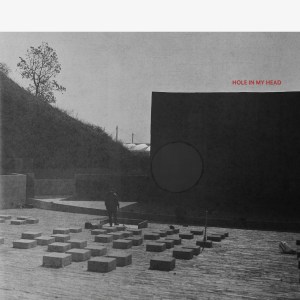
Of the five superb Prava Kollektiv albums I reviewed a month or so ago, it was a given that at least one would show up here. What wasn’t a given, however, was whether it would be this or Mahr’s Maelstrom, but I eventually came to the conclusion that Protest Against Sanity was not only the best choice from that match-up, but also the most fitting selection for the loose, ambiguous endorsement of the unnumbered “top spot.” Since an unfortunate incident last December, my year has been saturated with personal horror, and there is no better soundtrack to that profound terror than the primal howls and havoc of HWWAUOCH, whose “third chapter” in their series of full-lengths is dedicated to the process of “destroying all remaining perceptions of sanity.” Maelstrom, despite its ample supply of pestilent darkness, was still tethered to the corporeal and the familiar with its guitar solos and somewhat conventional structures, but Protest Against Sanity severs all restraints to writhe and wail in the void of total despair, an unsettling but ultimately cathartic descent into humanity’s truest form: agony, suffering, and an overwhelming desire to just not be here anymore. Consciousness is a scourge, a curse, a cruel joke, and once one has realized that there are no other sounds to make than these. Original review
Jessie Ware – What’s Your Pleasure? (PMR, Jun 26)

On the other hand, if I had given myself over completely to the all-consuming shadows, what kind of human would I be? We’re not exactly known for giving up, especially in an existential context. But the things that keep us going when actual mortality seems a distant, tenuous possibility and all we’re left with is the everyday doubt, discouragement, and defeat are albums like What’s Your Pleasure?: colorful, infectious, optimistic routes of reality-escape that remind us why we continue to fight so desperately against the coming of the night. Jessie Ware’s retro-pop magnum opus is exactly what the world needed to keep going during the oppressive doldrums of the pandemic, a sensual appeal to love and intimate interpersonal connection that both celebrates the past and looks, bright-eyed, toward the future. The record blends velvety EDM and disco-throwback instrumental hybrids with Ware’s simultaneously goddesslike and pitifully human presence; over some of the softest and grooviest modern production you’ll ever hear she undergoes the same rollercoaster oscillation between enlightened self-surety and complete weakness as the rest of us. The only difference is that her voice is beautiful enough to make hearing her sing about it an enjoyable experience.
Raven Chacon – An Anthology of Chants Operations (Ouidah, Oct 2)

Creators with sporadic release habits, take notes; if you’re going to take a ten year break between works, this is exactly how you come back. Diné musician, composer, and all-around renaissance man Raven Chacon proves himself to be one of the most versatile sound artists in the world with the nine pieces chosen for An Anthology of Chants Operations, each an engrossing and formidable work of appreciation, exploration, or some combination of the two, whether they last 53 seconds or almost 13 minutes. In focused instrumental experiments like “Chant” and “Study for Human-made Bird Calls and Microphone out a Moving Car Window,” the auditory lens feels restricted in order to isolate the relevant textures, yet the sense of an exterior environment never leaves, whether it exists as a mostly hypothetical space for coiled tension to explode across or a complementary canvas backdrop. There’s often little connection between the techniques used on each track, but I somehow can’t imagine the LP sounding more unified than it already does; the only explanation is that Chacon must put something of himself in the music no matter how he produces it. Listening to the whole thing is worth it just for “MVHS,” a lovely recording from a classroom improvising workshop, and “Antler/Glass,” during which the entire career of Lucas Abela is rendered irrelevant in less than a minute. Original review
Alexander – Mot maskinen (How Is Annie, Dec 23)

I would forgive anyone who happened to stumble across Norwegian newcomer Alexander’s debut and scared the living daylights out of themselves upon pressing play. Not only is the cover colorful and whimsical enough to imply that the music within shares the same qualities, but the photo of the artist playing an acoustic guitar and the listed tags being “folk” and “punk” doesn’t help one prepare oneself either. Mot maskinen is, in actuality, an LP-length assault of brutal, eviscerating, dizzyingly dynamic harsh noise; not only that, but it’s also easily the best manifestation of the classic squall ‘n’ crunch approach I have heard in a very long time. Opening scorcher “Rot” takes no prisoners with its densely packed layers of sharp-fanged distortion and punishing effects pedal plundering, so overwhelmingly violent and abrasive that there’s little to do other than make that special noise-edition stank face and sway your head to whatever wacked-out tempo your brain ticks to. Even the album’s quietest moments are painful; the faintly rhythmic circuit-churn minimalism of “Primitive” will make you ache for the cleansing relief of maxed-out mixer levels and brain-scrubbing feedback screech from which you were begging for mercy just minutes ago.
Network Glass – Twitch (Salon, Aug 3)
Is there a name for an artificial artifact (besides that obnoxiously redundant-sounding phrase)? What do we call material forged in a way so as to appear objective and historically credible, yet conceals a great deal of subjective and—dare I say—artistic motivation underneath that façade? I don’t think such a creation is necessarily disingenuous, because Network Glass’s internet-age masterpiece certainly isn’t, but the extent to which something purports to be documental is important to consider when analyzing or evaluating it, and especially in regard to previous Network Glass releases Twitch is conspicuously and sublimely so. Dedicated to John Cage, who would undoubtedly be a Red Bull chugging Fortnite streamer were he born in the better generation, the suite of five collages stitches together countless recordings captured in various Twitch lobbies into assemblages that are surreal, hilarious, disturbing, annoying, narrative, and poignant with equal measure. This (appropriately) digital-only work shoulders the honorable responsibility of being the first line of warning for any future archaeologists who may make the mistake of trying to learn too much about the idiots who came before them. Original review, review for Tone Glow
Kiera Mulhern – De ossibus 20 (Recital, Oct 23)
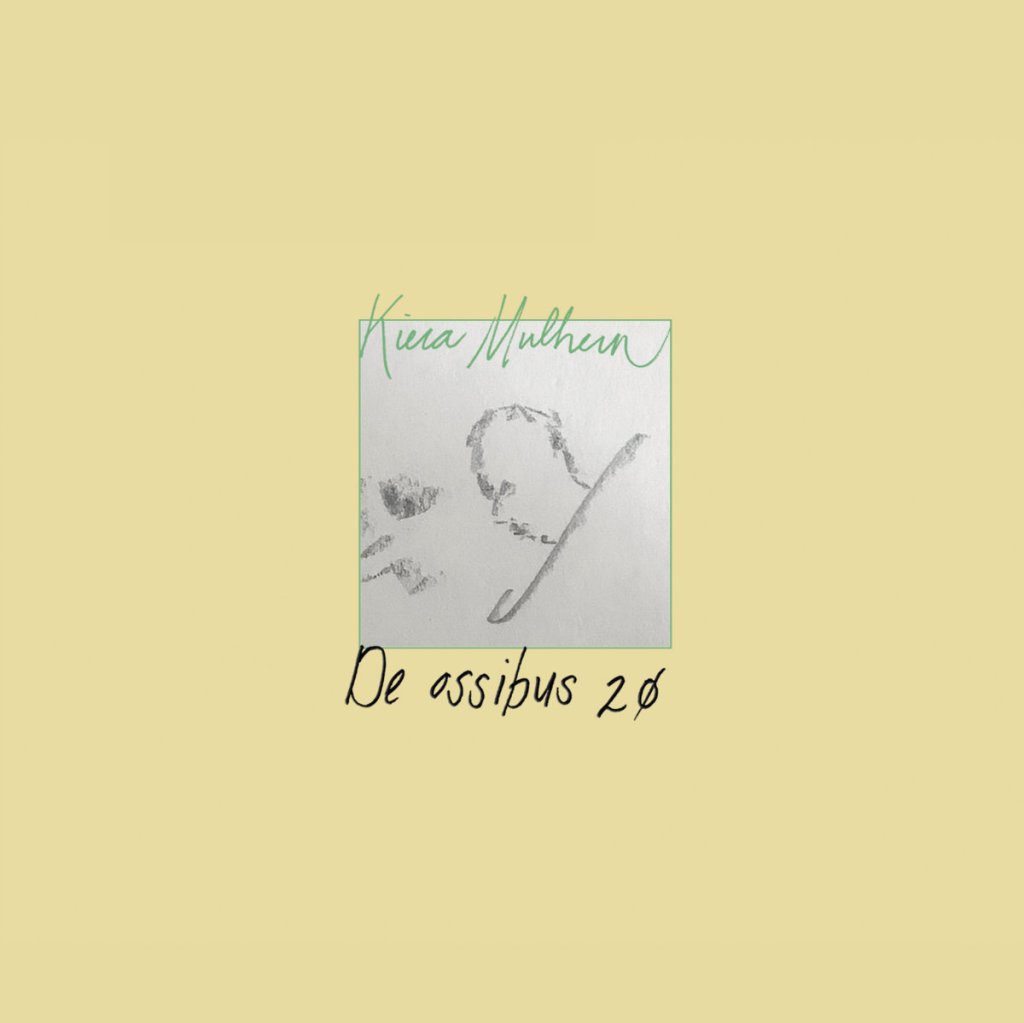
Despite how uncanny and alien De ossibus 20 often is, it’s one of the albums this year that made me miss human interaction the most. It’s only New York sound artist Kiera Mulhern’s second full-length (her first was as K. Mulhern, so technically this one could have qualified for Eponymous Debuts feature, but it’s too great not to earn a spot here) but she’s already carved out a multidisciplinary approach that is entirely her own. Each of the five elusive pieces that comprise the LP are distinct movements in themselves, yet an overarching atmosphere of golden murk submerges everything within its warm, muffling confines, the gelatinous membrane that separates it from the outside world constantly distorting distances and dimensions in the perception of the listener. Mulhern’s poetic gaze is simultaneously turned inward and outward, most literally in the breathtaking “Self-auscultation 5/24/20,” whose subterranean burbling and spatial violations all but turn the body of the “speaker” into a quivering, fleshy Klein bottle that isn’t sure whether it’s in the room or it is the room. The hints of verbal lucidity come to a head in the ambiguous imagery of “Signs in the memory” before fatally fracturing just before the beginning of “Syrinx,” whose title might refer to either the nymph of Greek mythology who was turned into a set of horrendous-sounding reeds or the glial cysts that sometimes form in the joints and brain in childhood—probably both, although whatever wind instrument is being played sounds quite pleasant to me. Original review
Vilgoć – Granice (Szara Reneta, Jan 20)
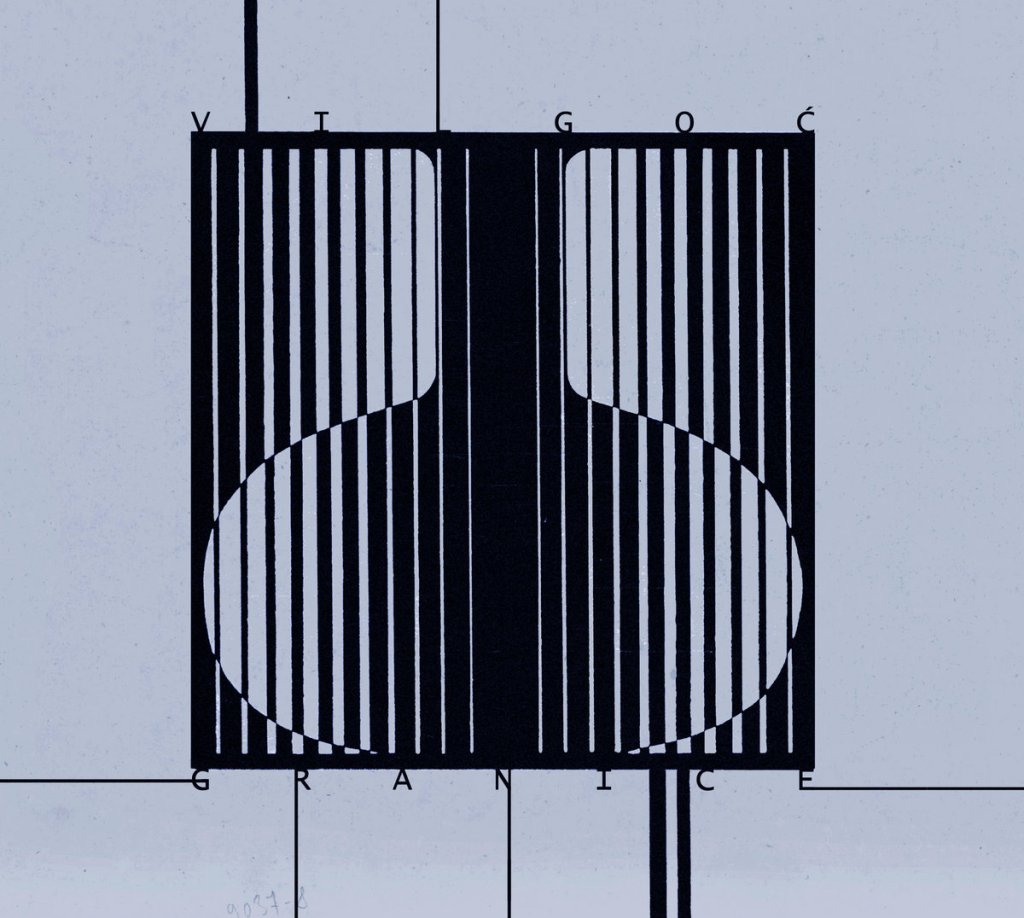
It’s no coincidence that perhaps the most oppressive and obliterating release on this list is also the only entry to have survived from my mid-year roundup. Granice has been my go-to source of complete and utter drowning-out for nearly the entirety of 2020, which, I’m sure many of us would agree, has brought us no shortage of things that require drowning out. Polish musician Sebastian Harmazy’s solo project has been around for a while, but whether due to anomalous prescience or simply luck he saved his crowning achievement for the time I needed it most. The continuous, completely unrelenting 35 minutes and 54 seconds of Granice’s single track consists of what might be the most gloriously caustic noise wall ever conjured, a monolithic slab of sustained darkness and aggression that pulverizes not via varied assault but by merciless stagnancy. It’s the auditory equivalent of standing under a waterfall, if every drop of the water in that waterfall were a piece of razor-sharp obsidian or drop of flesh-melting lava.
Grog Organ – Fur Clemt (Mouth of Heaven, Oct 16)
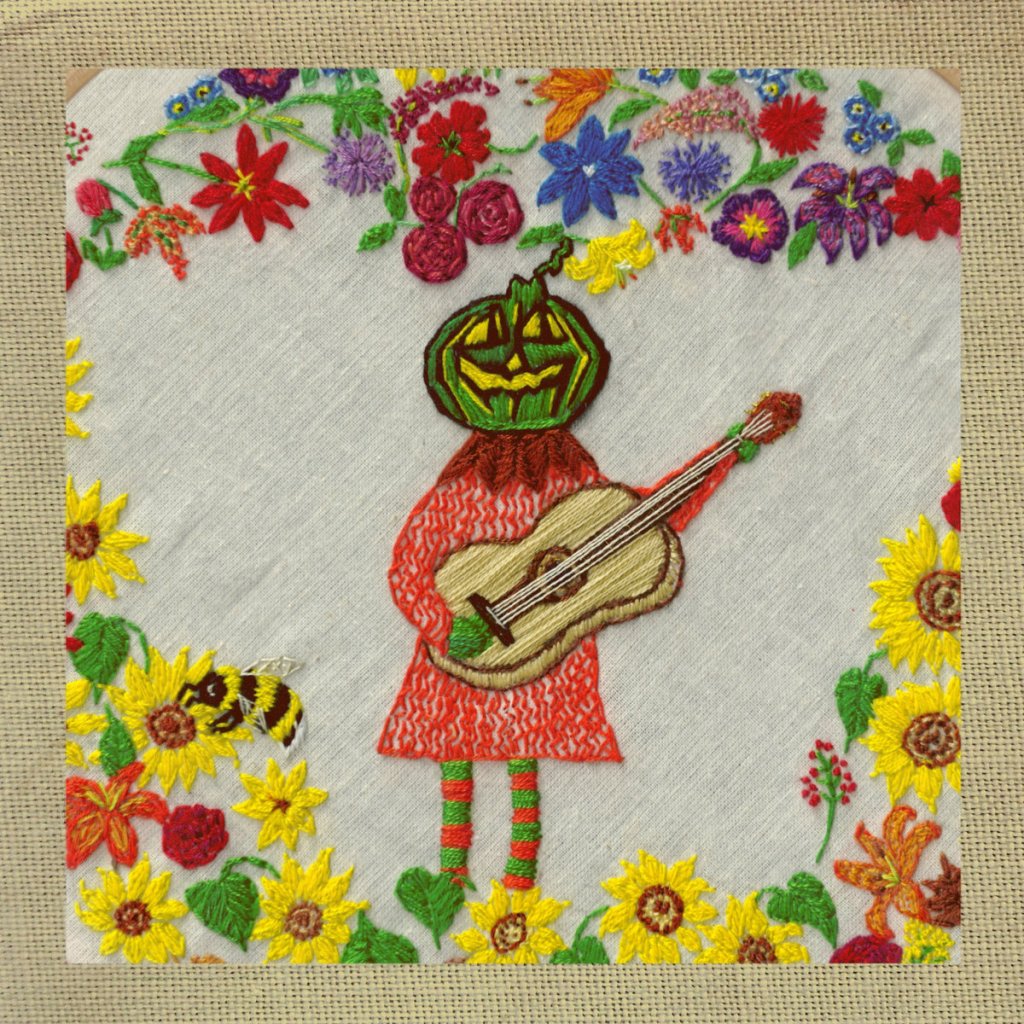
I barely even know how to write about this one. Fur Clemt is something truly special: an unflinching portrait of personal hardship and grief that nonetheless resonates with anyone who listens; a work of musical minimalism and reticence that still sounds impossibly lush; an evocative album that casts new and different light on all seasons and settings. Whether Manchester recluse Gorge Lee is crooning the melodic equivalent of the deepest ache and longing over simple plucked guitar (“Gnaw”), stomping out whimsical forest dance circle ecstasy (“God, Give Us a Garden”), or gluing together rotting tape recordings of seraphic choir harmonies (“Slǣp”) he has you under his spell, intangible but inescapable restraints that force you to experience the full extent of Fur Clemt’s emotional turmoil. It’s difficult to give a definite answer to the question of whether or not “That’s Exactly How We All Feel About You” is a happy ending, but the unforgettable climax around six minutes in is sure to elicit an appreciative eyes-close whether your lids and lashes are tear-stained or dry.
SPICE (Dais, Jul 17)
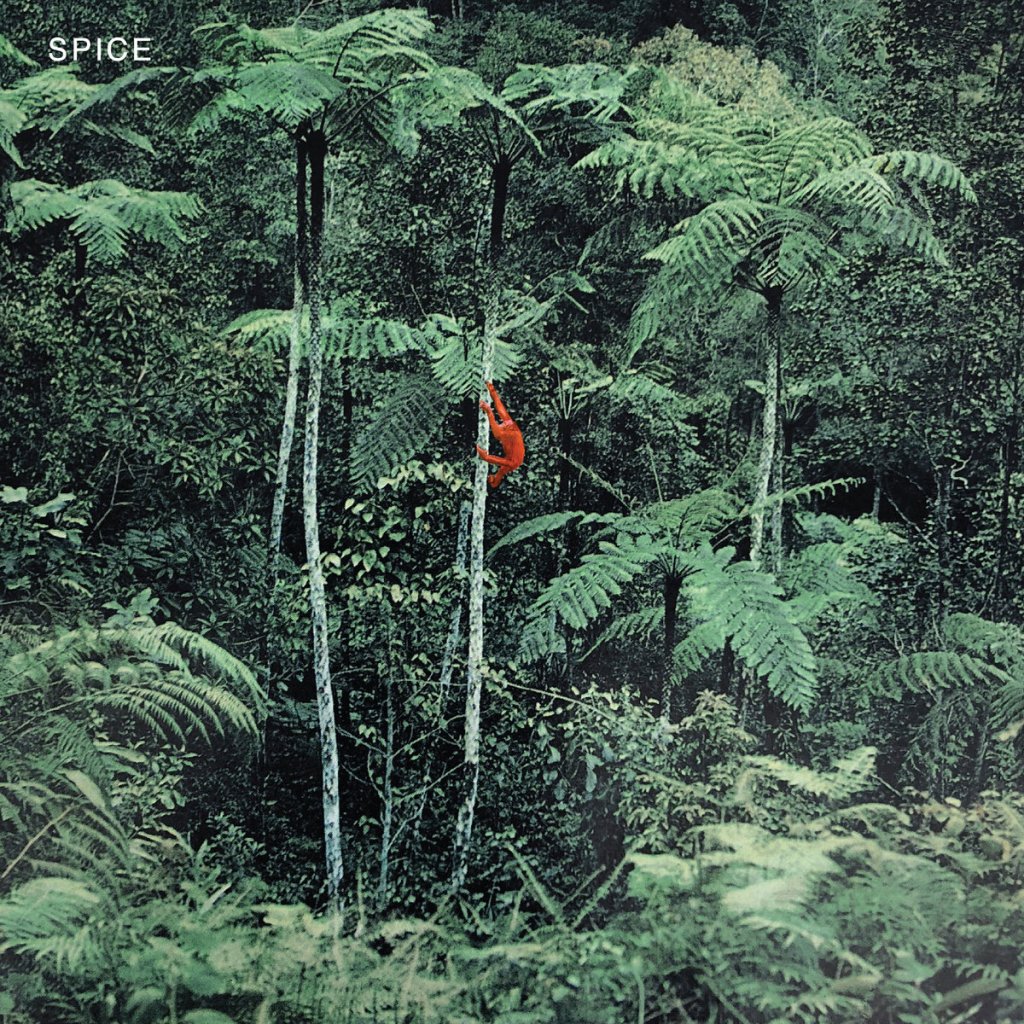
With their debut self-titled album, L.A. ruffians SPICE (which features members of the infinitely less interesting band Ceremony) have given me the gift of one of those records that you love now but know you would’ve loved even more if you’d had it during your more formative years. Had this masterpiece of arty alt-rock amalgam been released half a decade ago it would have blared from my cars speakers on every contemplative summer night drive and been constantly funneled into my ears to drown out the sound of the existence of any other human being. But SPICE still hits the spot (more like several spots, really) even for this much-less-angsty-except-not-really-I’m-just-better-at-handling-it version of myself with its harnessing of both catchy melodies and deadpan post-punk apathy. Ross Farrar’s vocals are far more welcome amidst these cavernous yet sunny waves of shimmering, muscular guitar work and ribcage-shaking drum set pounds—Jake Casarotti also seems to feel right at home in this non-hardcore context—and the fullness of it all finally fulfills a wish I never thought possible: music with the roof-bursting major key triumph of I Get Wet that still has its moments of fragility and introspection. “Time thinks about everyone just the same.”
The David Scott Cadieux Center for Room and Field Recording – Declivities (self-released, Jun 26)
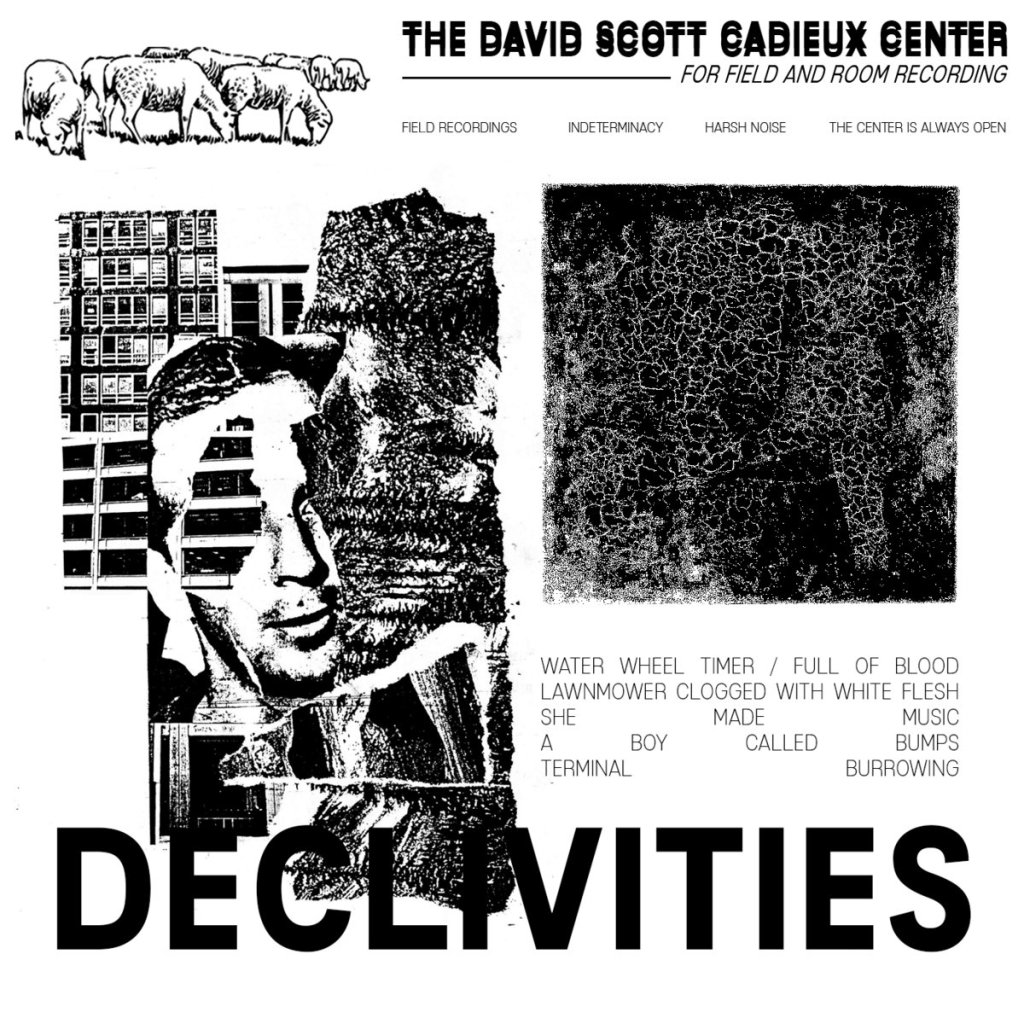
The understated yet lushly detailed soundscapes of the David Scott Cadieux Center reside somewhere between more traditional wall noise and the subgenre of abstract atmospheric music I loosely defined with my Temporary Places mix. I’ve seen the stagnant field recording assemblage approach done well in a variety of ways, from recent examples like Little Fictions’ recent comeback release Territory of Light, ░N░E░W░’s Painting of Common Objects, or James Wyness’s Objects Wrapped in Objects Wrapped in Objects to as far back as Yeast Culture’s landmark IYS LP, but none seem to have as refined or as deliberate of a technique than the Cadieux Center. My overused comparison of wall noise to visual art holds true for the mysterious project (presumably spearheaded by Andy Klingensmith), especially in the case of Declivities, whose reticent sonic skeletalizing fuses enrapturing stasis with curling, cloying textural intrigue. The tendency of closely recorded micro-events to resemble biological processes (both functional and erroneous) is also acknowledged by the vivid viscerality of the images conjured by the track titles: “Water Wheel Timer / Full of Blood,” “Lawnmower Clogged with White Flesh,” “Terminal Burrowing.” Nothing is explicitly grounded, so we ourselves must do the grounding; is our ear pressed up against a bustling underground den of saprotrophs or our own gurgling stomach? Depends on how well whatever you ate for lunch is sitting with you, I guess.
The Rest

















List: Favorite Short Releases of 2020
This list’s separation from the upcoming Favorite Albums list is not intended to disparage or unfairly disadvantage musical works with shorter durations. I just had way too many favorites this year that didn’t seem to fit amongst a list of full-length albums, and it got to the point where I felt they needed their own list. Here are the things I liked most this year whose contents could fit on a 3″ CD.
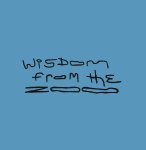 UVC – Wisdom from the Zoo (Hologram, Aug 2)
This mysterious Philadelphia hermit/bridge-troll has not only proved their mettle in esoteric curation this year with the newly minted Born Physical Form small-batch tape label, but also in artistic creation itself via three brief cassettes and one CDr, Wisdom from the Zoo, as UVC (a moniker that we’ll probably be hearing a lot more about soon enough). Careless tape wobble and intimate clatter blur the lines between action and environment in a queasy but beautiful cycle of mundanity. Original review
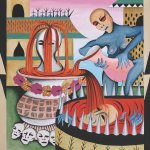 Gulch – Impenetrable Cerebral Fortress (Closed Casket Activities, Jul 24)
One of the loudest new voices in modern hardcore blaze through the eight tracks of their debut LP in less than 17 minutes. Latching onto a novel unity between the band’s occasionally disparate stylistic leanings, it’s an incendiary stampede of pummeling d-beat, death metal chug, and of course brutal breakdowns, culminating in what might be my new favorite cover version of all time. But you’ve probably heard enough about it by now. Original review for Earlyworm newsletter
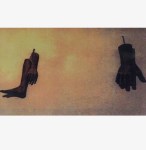 Encoder – Noise from the Deep (nausea., Apr 25)
One of only two tapes put out by Angelo Bignamini’s nausea. imprint this year, Noise from the Deep is thus far the only release from Italian project Encoder, which I know little to nothing about. The four tracks are drawn from an “impro session with field recordings and other ‘machines,’ recorded in [the artist’s] kitchen” and trace a strangely total comingling of surroundings and soundmaking. This is a difficult one to internalize or even remember once it’s over; one’s brain seems to instinctively realize that this music is not for human comprehension.
 Zhao Cong – Fog and Fragments (presses précaires, Nov 17)
Chinese sound artist and contemporary classical performer Zhao Cong casts a soft gaze to the ephemeral for Fog and Fragments. The tape presents a pair of tracks consisting of fleeting improvisations with spray bottles, paper products, small appliances, and her own voice couched between and within stretches of meditative silence both “authentic” (ambient) and “pure” (digital). Original review
 Ola Nathair (self-released, Mar 29)
Residing somewhere between the screeching miniature metalwork of Jin Sangtae, the spontaneous tabletop electronics of English, and the gnashing digital squall of Gert-Jan Prins’s Mego CDs, the music of Ashcircle member Ola Nathair (Ciaran Mackle) is as immediate and violent as the most piercing harsh noise yet as kinetic and gestural as the most considered improvisation. His short, squalling self-titled digital EP is an enthralling mess of looping feedback stabs and sampler abuse.
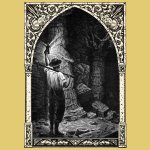 Doldrum – The Knocking (self-released, Nov 13)
The Knocking is the debut EP from Denver-based trio Doldrum, promising newcomers whose sound seems to me like a different take on bands like Zeal & Ardor’s approach to “old America” black metal; where Z&A’s style is based in spirituals, work songs, and early soul, Doldrum’s resides in the moldy caverns of the occult and unexplained. These confused but anguished spirals of dread sound like they’re beamed straight from a shadowy shack or haunted coalmine in 19th century Gothic frontier hell.
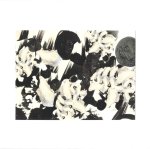 Genghis Cohn – Spole Mump (ANA, Mar 20)
The enigmatic Genghis Cohn follows up the tape-macerated bedroom pop of last year’s Dybbuk cassette with a 7″ full of more formless contact mic muck, songs fragments, and throwaway vocalizations. This music fits into the “outsider” category more soundly than most others because of its complete lack of convention, and for that reason it’s utterly fascinating. I’m not convinced the individual known as Genghis Cohn is even human, but (hopefully) more on that later.
 Jamison Williams – Silly Symphonies, Vol. 1 (Orb Tapes, Jan 21)
On Silly Symphonies, Vol. 1, prolific sound artist and classic Disney lover Jamison Williams serves up two short tracks of sparse but magnetic improvisations using only game calls. The tiny tape has both the fluid, gestural unpredictability of my favorite abstract vocal pieces and the exploratory abandon of a wonder-filled toy chest dive, all filtered through the tinny artificiality of manufactured duck quacks and birdsong. Original review
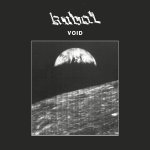 Kobol – Void (self-released, Jan 1)
From the chilly northern shores of Norway comes a slab of deep-space-inspired powerviolence (the title of “Gravity Bong” being my favorite manifestation) by formidable newcomers Kobol. Slamming and slashing through 15 tracks in the duration of a single 7″, Void shrouds lightning-fast blast beat frenzies, tough guy bellows, and thick thrashing downtuned guitars within a dark, slightly muffling production style that still allows the sharpest hits to stab through.
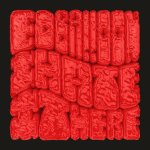 Ed Balloon – I Hate It Here (Deathbomb Arc, Dec 4)
For a long time I thought that LA trio Ed Balloon were British, not just because of frontman Edmund Oribhabor’s unique accent but also because of the grime flavors that are often present in his songs (I’m frequently reminded of Dizzee Rascal and Dean Blunt, especially on this new EP); I suppose that just shows how seamlessly eclectic the band’s music is. I Hate It Here both expands upon and consolidates the mess of promising ideas on The Dubs in an achingly short EP of infectious, effects-laden croons and inventive modern production.
 Berlin Horse – All We Need of Hell (Room Tone, Jul 3)
I found myself discovering and listening to significantly less wall noise than usual this year, but the releases I did hear were, for the most part, memorably impressive and unique. Berlin Horse is probably my favorite new project from 2020, drawing me in with the superb Red Dirt in August and All We Need of Hell before that. The latter C20 is a wonderfully concise suite of two walls, one harsh and gnashing and the other subdued and meditative, that meld the textural creativity of more contemporary examples of the genre with the classic nihilistic punch of its earliest origins.
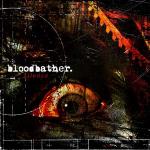 Bloodbather – Silence (Rise, Oct 9)
I was unsure whether Florida metallic hardcore band Bloobather could improve upon their debut Pressure, but with a new vocalist and renewed fury they prove once more than stylistic innovation is entirely unnecessary for quality. Silence even has the potential to bring in new fans who found former frontman Jeffery Georges’ vocals and lyrics too bro-y; I’m not sure who is serving up the screams here but their presence makes these tracks less cookie-cutter pit favorites and more eviscerating chaotic metalcore that survives beyond the mosh.
 Daphne X – Água Viva (tsss tapes, Sep 4)
Named for the beloved novel by Brazilian author Clarice Lispector, Água Viva is perhaps the more personal and less conceptual cousin of Henry Collins’ Prepared Rain; while both tapes explore the otherworldly headspace of water-assisted abstract percussion soundscapes, Xanthopoulou’s take on the technique is less hypnotic, passively-conjured cacophony and more intimately performative. Yet another superb entry in this artist’s diverse body of work.
 Spoons & Bones (Czaszka, Jul 7)
The first recording from the duo of Piotr Łyszkiewicz (reeds) and Hubert Kostkiewicz (guitar) is an addictive slice of bite-size free jazz, full of fire and propulsion despite the proceedings being entirely percussionless. The two musicians’ streams of raucous, noisy noodling face off in a physical confrontation somewhere between hand-to-hand combat and sultry dance.
 They Hate Change – 666 Central Ave. (godmode, Aug 13)
Tampa Bay duo They Hate Change are one of the most exciting and unique acts in hip-hop today, and continue to push that already lofty designation further with each progressively more creative release. As a whole, I don’t enjoy 666 Central Ave. quite as much as I do the excellent Maneuvers (released last year on Deathbomb Arc, which is also Ed Balloon’s primary label), but outside of the high standards the group has set for themselves it’s still some of the best hip-hop all year, embarking into new territory with complex breakbeat-influenced instrumentals.
 eric – We Can’t Be Stopped (Trading Wreckage, Oct 31)
Again, there’s not much that can be said verbally about this one other than, well, “eric.” We Can’t Be Stopped is a concise but sprawling set of tracks from the Denton, TX solo “twisted sampler rock” project full of ersatz instrumentals, jarringly recognizable samples, mundane stream-of-consciousness rants, hollow sarcasm, and plenty of mistakes (“Betty” unceremoniously ends when the artist realizes their phone alarm has been going off the whole time). No caps when you spell the man’s name. Original review
 Rolex 7″ (11 PM, Sep 4)
I initially checked this one out because of a rare and coveted comparison to Die Kreuzen, a comparison I wasn’t expecting to be at all accurate. But Rolex, hailing from L.A., make a strong case for their status as the modern heir to the legendary Milwaukee quartet, blending raw hardcore fury with mostly-clean guitars that scratch angular onslaughts of dissonant chords and an overall feeling of skeletal-ness that complements their arty intricacies.
 City Medicine – Argentine Dogs (Regional Bears, May 13)
It was a tossup whether I included Grids, one of the countless self-released CDrs that Miami artist and curator Christopher David has released under his own name this year, or Argentine Dogs, his only City Medicine material in 2020, on this list, but I eventually decided on the latter because of the sheer number of times I’ve listened to it since its release in May. The C17 is over in a flash but keeps those “in the know” coming back again and again with its charismatically slipshod assemblage of auditory litter.
 Binary – Fall from Grace Face Down (Wretched, Sep 6)
The last release from Binary is also by far the short-lived band’s best work. Thus, Fall from Grace Face Down is a crushingly bittersweet final offering that transposes the Philadelphia quartet’s penchant for scenegrind-influenced breakdowns and clean/harsh vocal trades into a gloriously chaotic frenzy of dissonant emoviolence. Along with that newfound presence of more classic skramz is a sharp, punishing beauty that pierces through the murk in the bookending tracks “New Year No Me” and “Care (Before Summer Swallowed Us).”
 Noise Not Music